
Commercial Roof Seam Repair in Overland Park, KS
Home / Roof Damage Repair / Commercial Roof Seam Repair
Get a Free Roof Assessment - Call 555-555-5555
What Property Owners Should Know
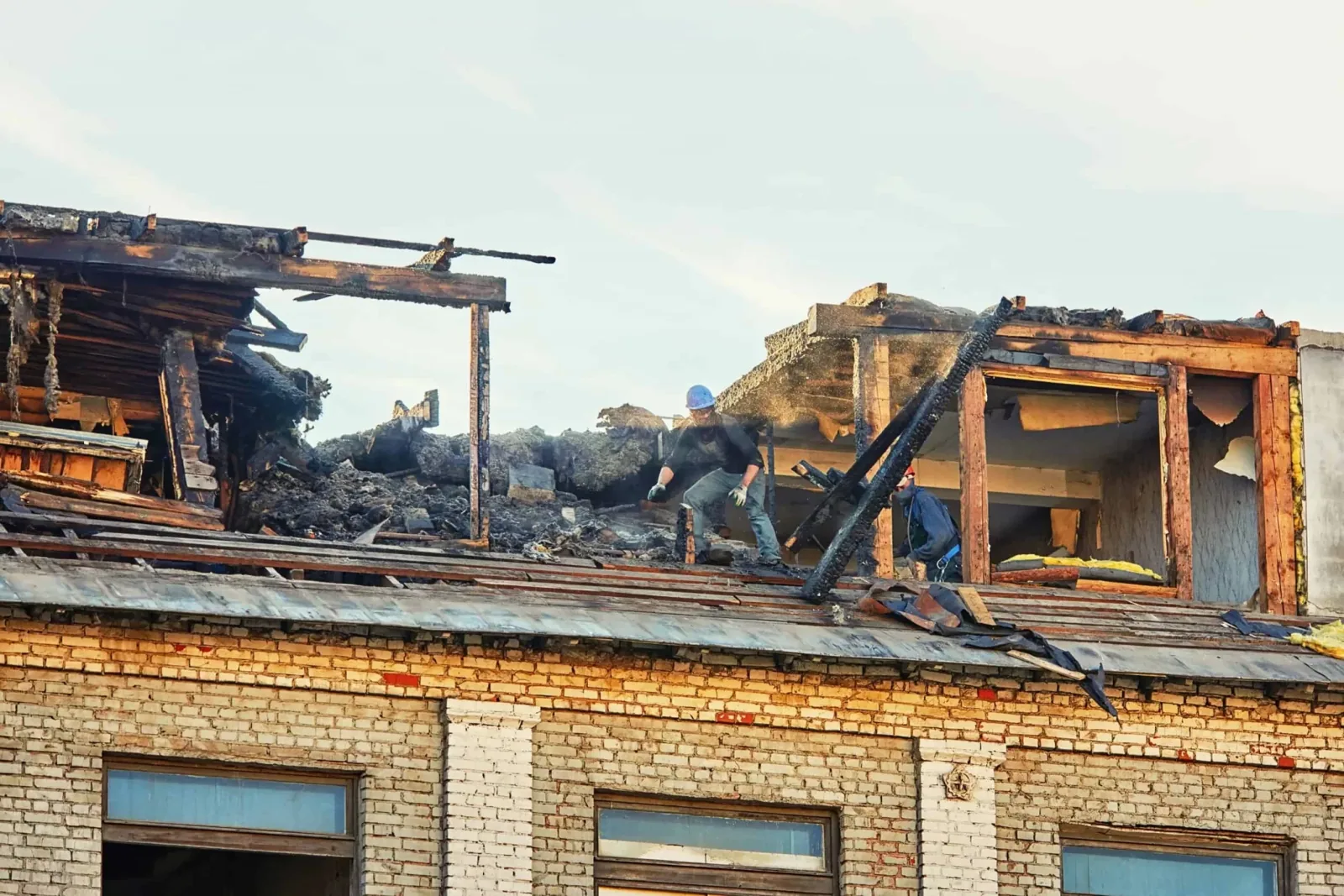
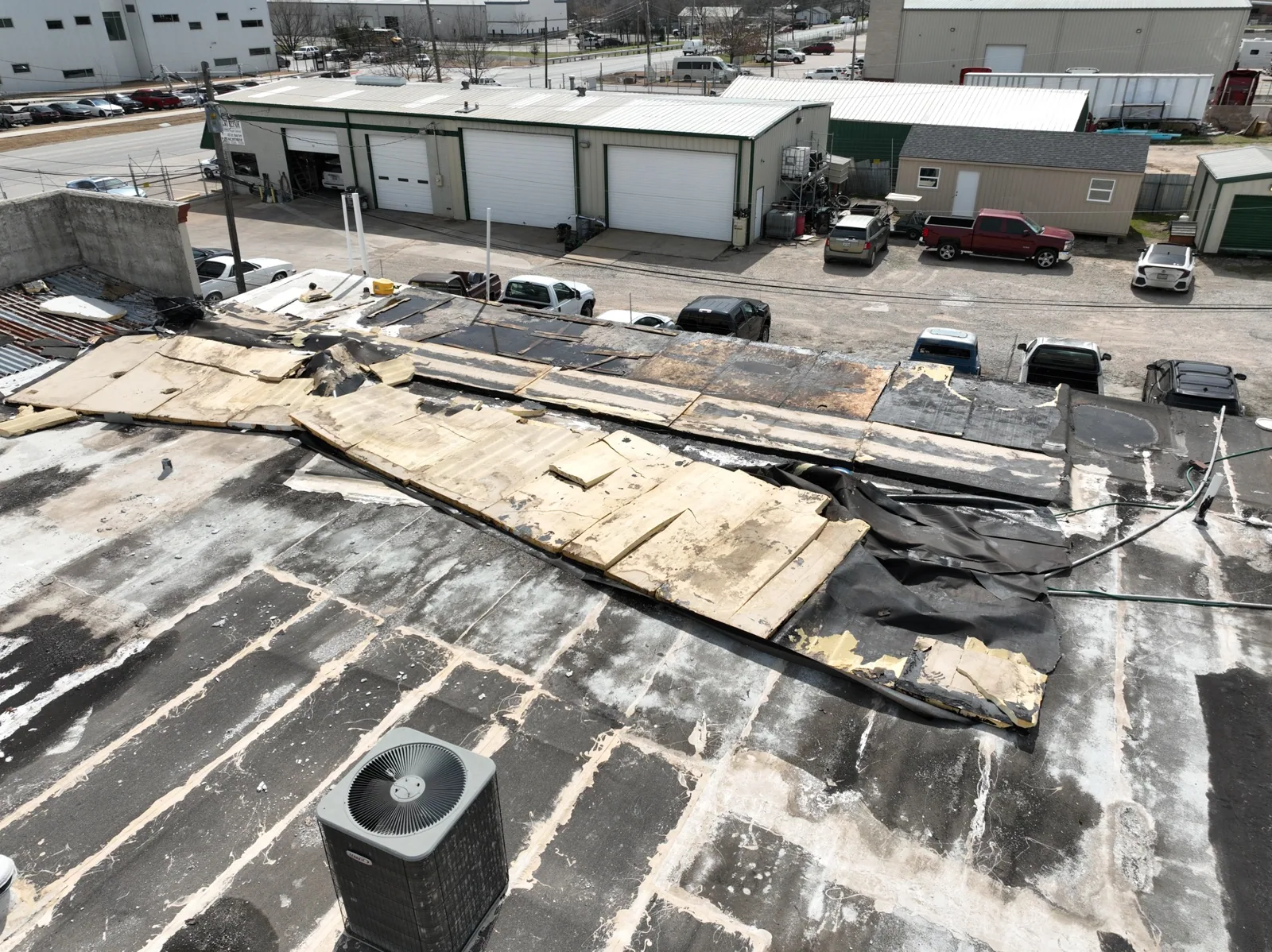
An open lap above a service corridor can turn a small roof detail into an interior access problem. Mark the location below, then inspect the seam and nearby transitions before applying another patch. Commercial roof seam repair in Overland Park, KS, starts with the system type and the reason the joint separated. We check the bond, material condition and support beneath it. The repair footprint follows the length of failed connection and any wet or weakened area around it.
A June 2022 EF-1 tornado moved from Lenexa through Overland Park, with estimated peak winds near 100 mph. That history makes attachment and seam condition practical inspection points, but it does not establish a current defect. At the 95th Street and Metcalf area, office and retail activity can affect roof access and daily closure. We set the work window with the property manager and explain the opening limit before work begins.
Test the separated joint
A seam can look closed from above while the bond has weakened along its edge. We examine the full visible separation and check where material remains attached. On a heat-welded membrane, the seam may need probing after the surface is prepared. On an adhered system, the bond and underlying substrate need a different review. We identify whether the opening is isolated, continues beneath an old repair or reaches a field transition.
Water stains help locate an investigation, but the entry point can be several feet from the interior mark. We compare the report with penetrations, drains, curbs and the path water can take beneath a membrane. A previous patch may cover the seam without showing whether it remains bonded at its ends. If the area is near rooftop equipment, we note foot traffic and service access that could stress the same joint. A leak investigation can connect the indoor report with the roof detail before removal begins.
Match the repair to the roof
Each roof system has its own joining method. Thermoplastic sheets can be joined by heat welding when the material and conditions allow it. EPDM uses compatible primers, tapes and adhesives. Modified bitumen and built-up roofs have layered seams with surfacing that affects preparation. Metal panels need room to move as temperatures change. We identify the installed assembly and check the repair instructions that apply to it before choosing the connection.
Sun exposure, age and contamination can change the usable repair surface. We remove dirt and loose coating from the bond area and inspect for brittleness, shrinkage or reinforcement exposure. A new piece must lap onto sound material with enough width for its system's connection. A generic sealant bead can hide an open seam without restoring the intended joint. Where the existing membrane is EPDM, a compatible EPDM seam method can be evaluated against the sheet condition and surrounding details.
Check what lies beneath
Water can travel below a roof sheet after a seam opens. We inspect the surface and use a suitable test or authorized opening if concealed moisture would change the repair. Wet insulation needs removal before a new membrane can be supported. If the deck or attachment is damaged, the work may expand beyond a local seam. We identify confirmed conditions and any area that remains untested, then obtain approval before widening the footprint.
A field probe can check a welded edge, but it does not replace inspection of the full connection or layers beneath it. We record where the joint separates and whether the opening continues under a previous patch. If removing a small test section reveals wet insulation, we photograph that condition and show how it changes the removal scope. The manager can then review the added work before the opening grows. This sequence keeps concealed findings visible and ties the final repair to a documented condition.
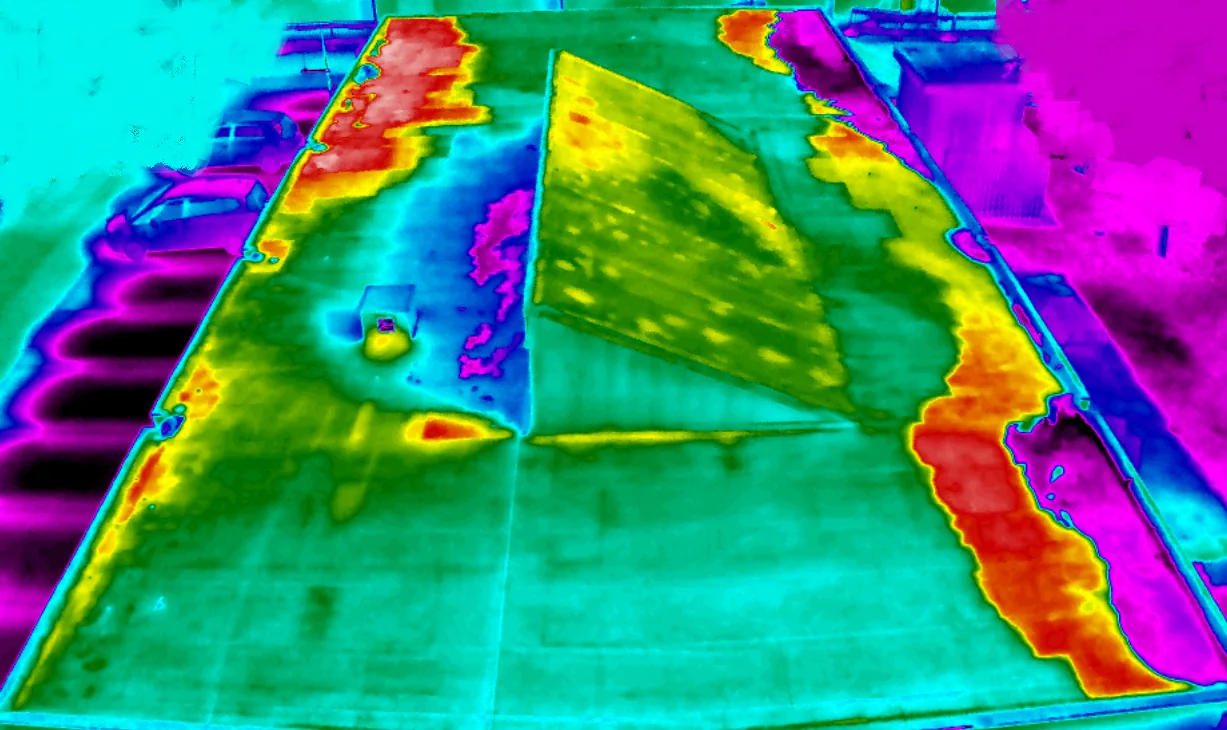
Along a seam, look for wrinkles, tenting, edge pullback and a pattern of repairs that stop at the same location. These signs can point to movement, stress or a detail that needs reconstruction instead of another short patch. A moisture survey can help locate areas for confirmation where the roof configuration permits it. The manager receives the test boundaries and findings. A thermal indication is a reason to investigate, not a substitute for confirming what material is wet.
Control the repair opening
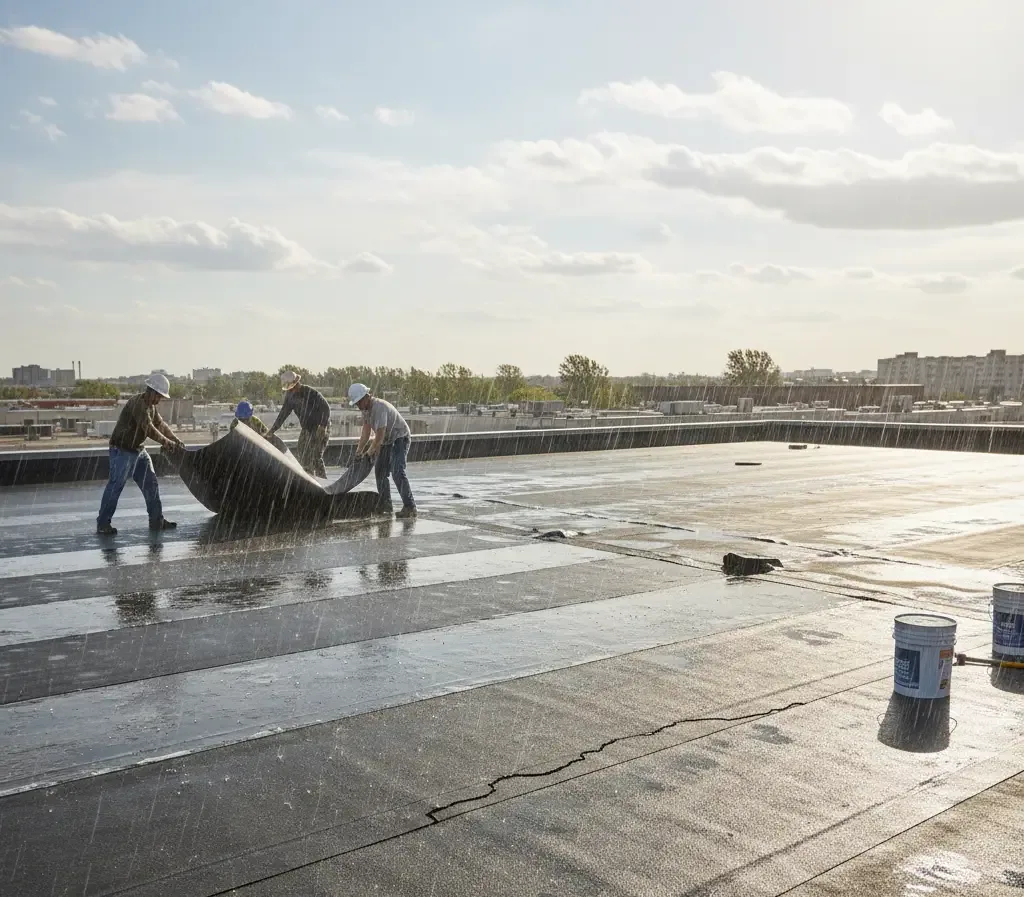
A seam repair needs a prepared surface, compatible material and a work window that supports the joining method. We set how much roof will be open at once and how the area will close at the end of the shift. Regional January cold can limit some adhesives and temporary protection. Summer heat changes handling and surface temperature. We check actual conditions against product requirements, then schedule the permanent connection or use a defined temporary measure while the roof stays protected.
The College Boulevard and Metcalf Avenue area is planned as a mixed-use activity district, with mobility work described as a plan. That operating context can affect where materials are staged and how occupants reach the building. We coordinate clear roof access and any tenant notice with the property contact. Where a seam runs toward an edge, a related wind damage assessment may check the perimeter attachment. The two conditions remain separate in the estimate unless the inspection shows they need a shared repair sequence.
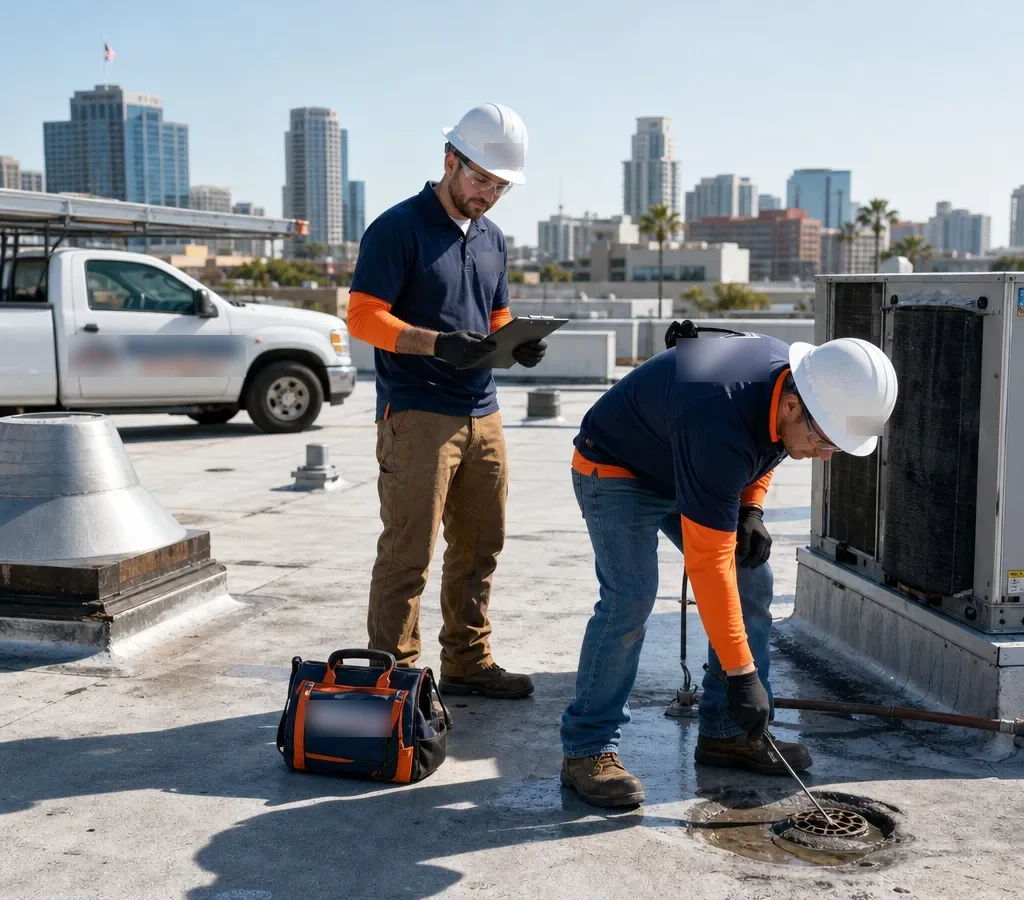
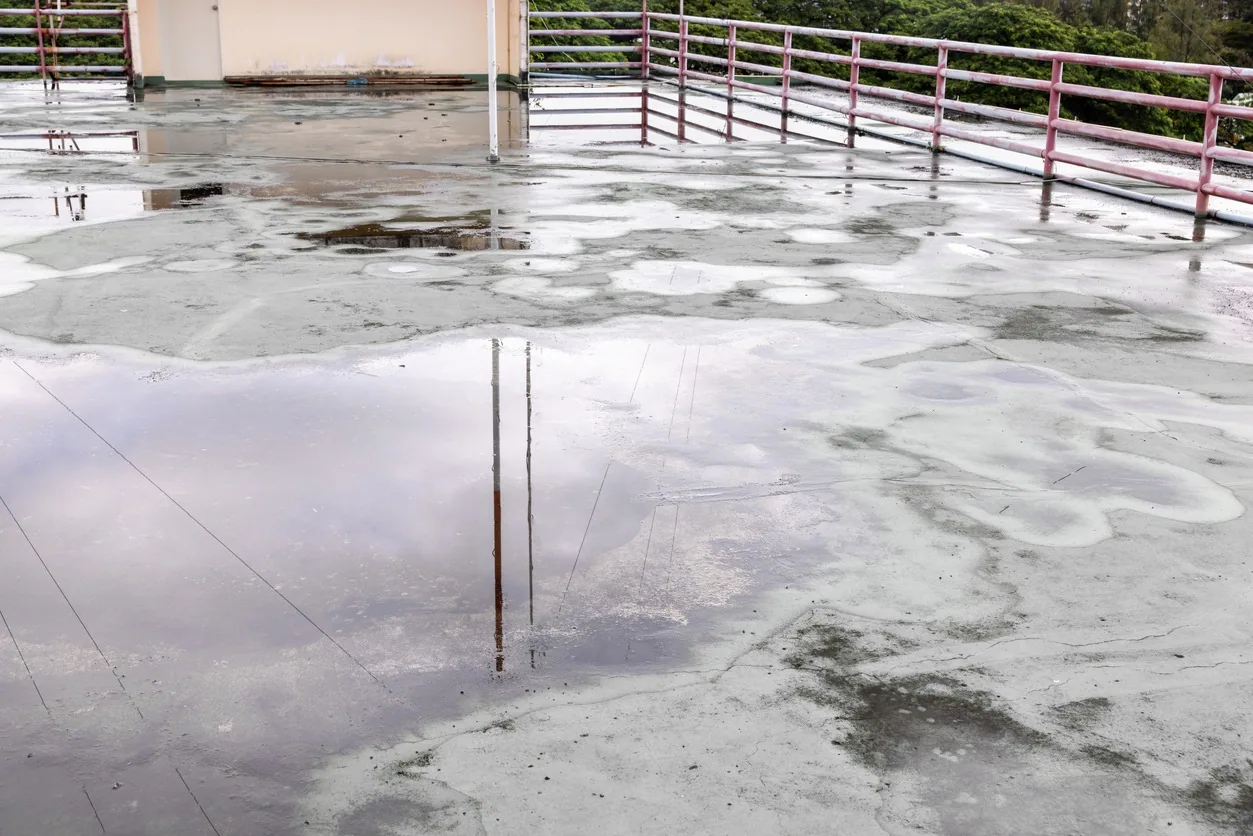
Drainage is another part of the work plan. A seam can be sound after repair and still sit beside a low spot that holds water or debris. We check whether the flow path crosses the joint and whether the proposed patch creates a raised lip. If water remains after an outlet is cleared, a ponding water inspection can examine the surface and insulation separately. That finding may change how wide the seam work should extend, but it should not be assumed before inspection. We note which condition is confirmed and where another investigation is needed.
Document the completed seam
We inspect the repaired lap along its full accessible length and check how it ends at the transition. A probe or visual review may be appropriate for the material installed. The closeout notes the location, preparation and repair method. If nearby seams or drainage features remain outside the work, the record identifies them. That boundary helps prevent a local repair from being treated as a statement about the full roof.
Repeated seam issues may point to broader system wear or an earlier repair that did not reach sound material. We compare the dates, locations and photos before recommending another visit. For multiple roof sections, a roof repair inspection can group findings by priority and work area. Keep the latest photos with previous scopes and interior leak notes. We will check the separated joint, confirm the support and set a repair footprint that can be reviewed before the crew opens the roof.
Commercial Roofing Questions
Can a seam be resealed without replacing the sheet?
A local connection can be repaired when sound material remains on both sides. We inspect the bond and substrate first. Shrinkage or widespread separation may require a larger section.
Why did the same seam reopen after a patch?
The earlier repair may have stopped short of the failed bond, used an incompatible material or missed movement beneath the sheet. We inspect the full joint and its support before setting new limits.
Does an open seam mean insulation is wet?
Not by itself. We confirm concealed moisture where it changes the removal scope, then mark the tested area separately from the visible seam.
Can a seam repair be completed during cold weather?
The material instructions and roof conditions decide the work window. We check temperature, moisture and surface preparation, then schedule a permanent joint or temporary protection that suits those limits.
Related Roofing Work

Inspect the full joint
Schedule a seam check with the leak location, previous repair photos and access limits. We will identify the system, confirm the support and set the opening limit.