Commercial Roof Recover and Overlay in Overland Park, KS
Home / Commercial Roofing Services / Commercial Roof Recover and Overlay
Get a Free Roof Assessment - Call 555-555-5555
What Property Owners Should Know
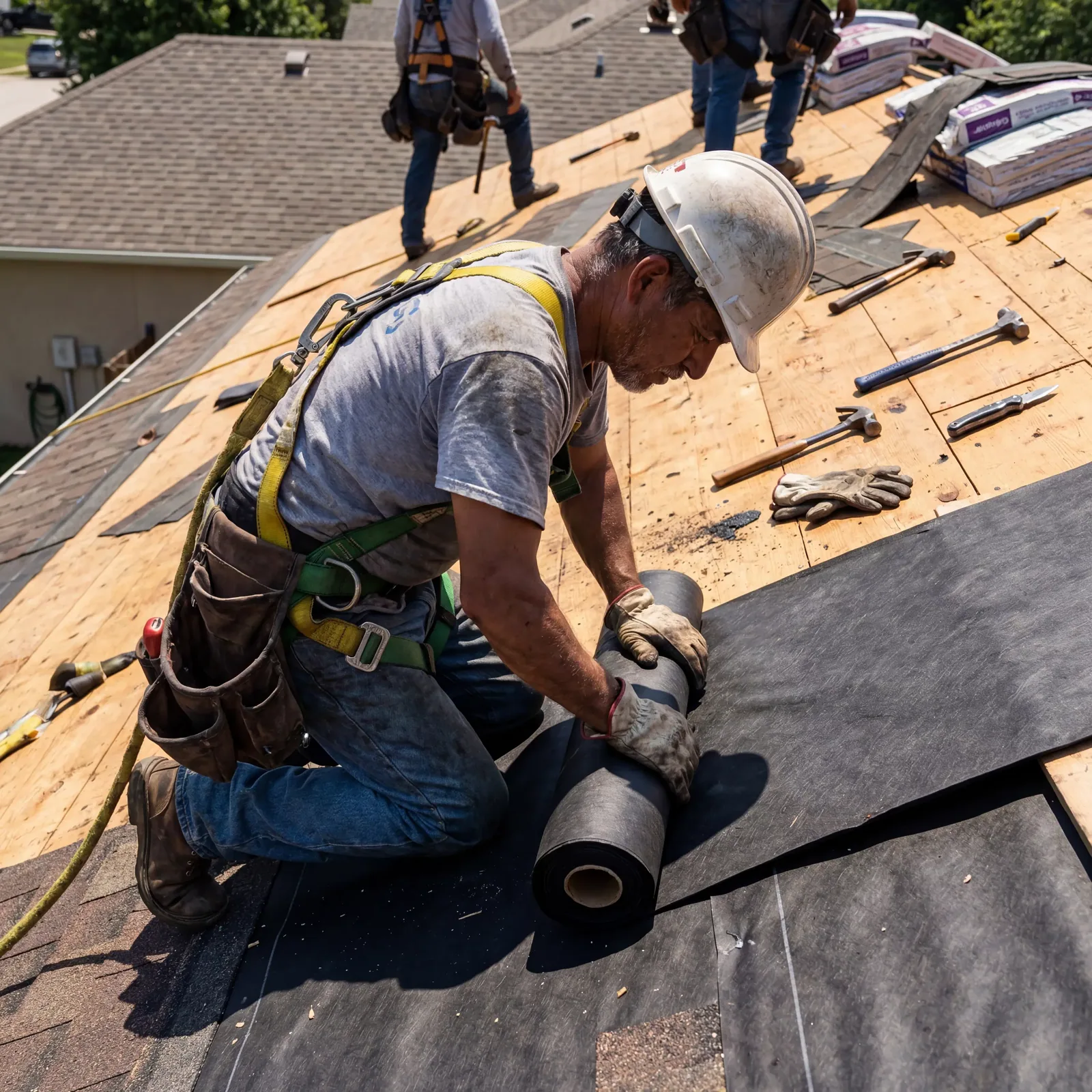
Adding a roof layer also raises the surface beside every drain and curb. Check those heights before treating an overlay as the easier job. A commercial roof recover in Overland Park, KS, needs a suitable existing assembly. The surface may look usable while insulation below it is wet or the attachment is uncertain. We investigate those conditions before proposing another layer. The retained roof must support the new work without carrying unresolved failures forward.
College Boulevard and Metcalf Avenue form a mixed-use activity district. Offices and other occupied properties in that area need a work sequence that preserves practical access. A recover can reduce the amount of roof opened during construction. That benefit only matters when the roof qualifies. We compare removal needs, material compatibility and drainage changes against complete roof replacement. The manager receives the conditions supporting each choice. We also identify what an investigation has not yet resolved, so the estimate does not turn a concealed assumption into a construction decision.
Test the roof being retained
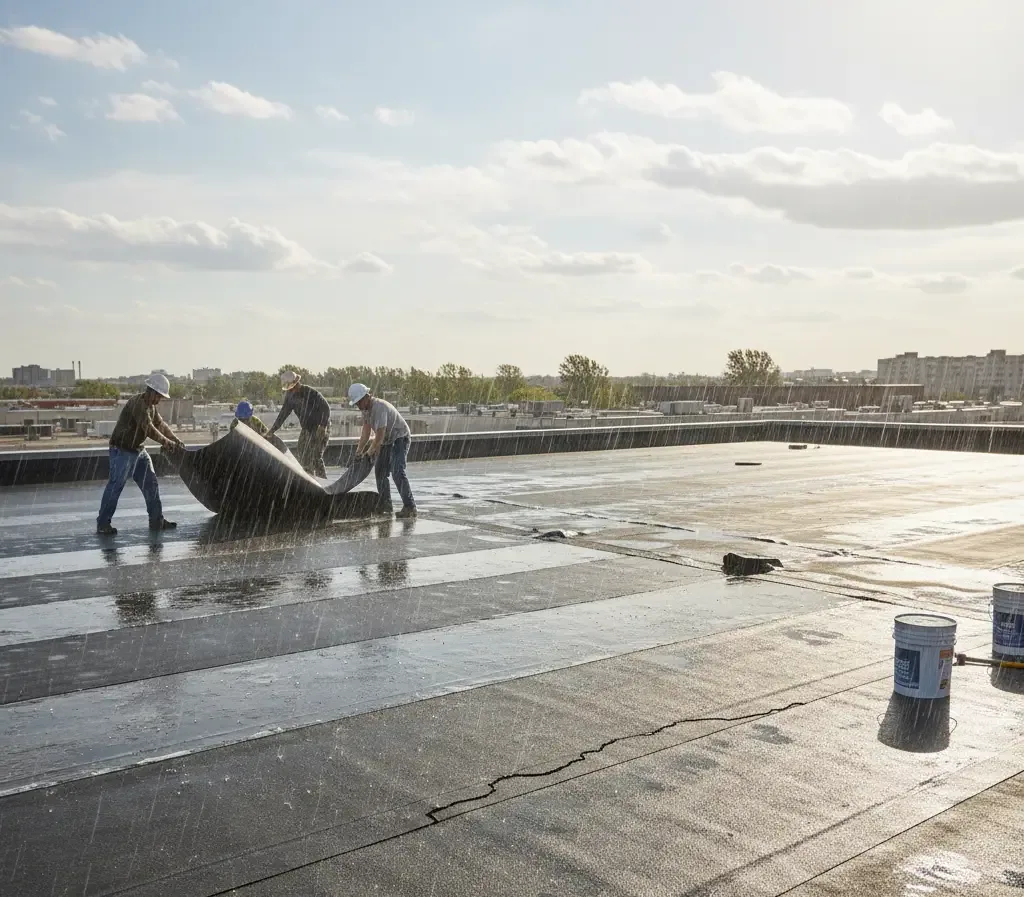
A blister, soft spot or repeated patch marks an area for closer examination. We inspect field sheets, seams and flashing, then assess the layers beneath them. Roof cores can identify the existing assembly where authorized. Moisture testing helps determine which areas need removal. We check the deck and attachment as access allows. An overlay recommendation needs those findings, not just a statement that the old surface is still in place.
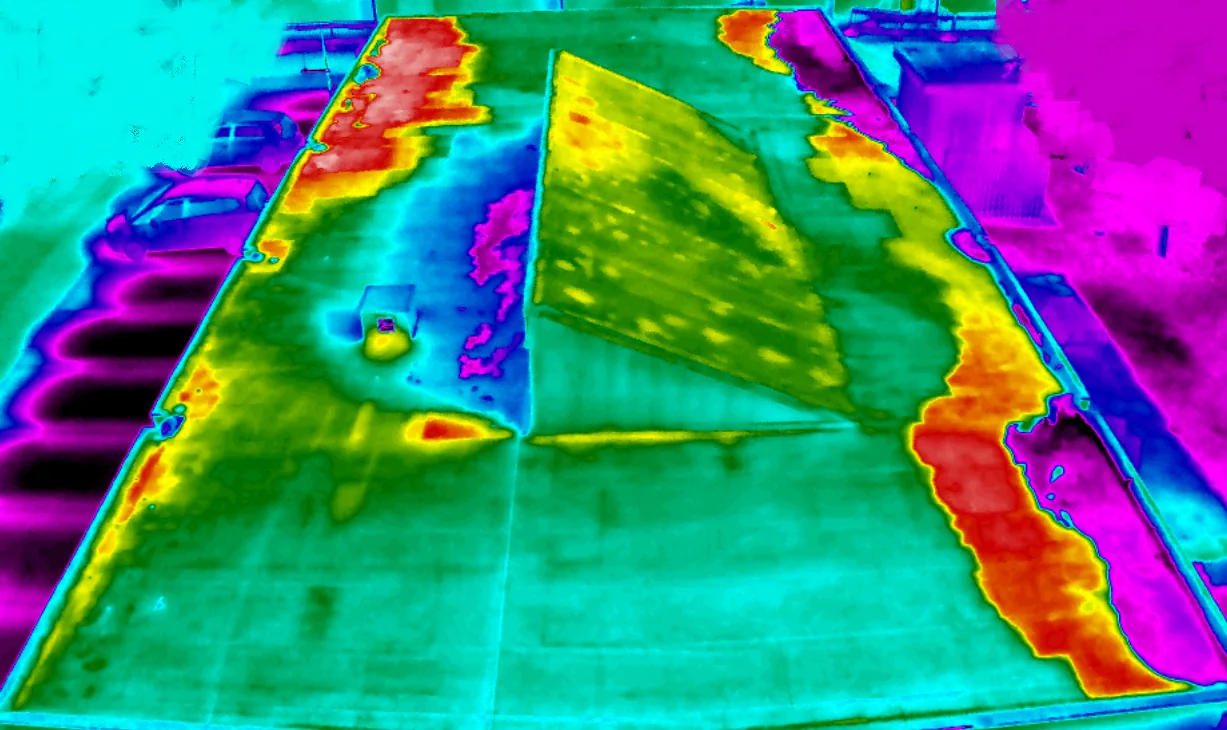
The purpose of a moisture survey is to help locate suspect areas for further checking. Thermal patterns require interpretation and confirmation. Moisture can be present without a reliable thermal pattern under unsuitable survey conditions. Test openings or other suitable verification help establish what is actually wet. We explain the investigation method and the limits that matter to the decision.
A sound field does not excuse failed drains, low flashing or loose edges. We separate local repairs from assembly-wide concerns. Wet insulation needs an appropriate removal scope. Poorly secured layers may not provide a suitable substrate for another roof. A recover should follow a defined qualification process. Where the assembly cannot be established or corrected, removal gives access to the condition that must be resolved before new work proceeds.
Check weight and fastening
Another layer changes the permanent load on the building. The supporting structure and applicable requirements need consideration before work is approved. Existing layers also affect fastening options. A fastener must engage the intended substrate through the actual assembly, and an adhered system needs a surface that can accept its bond. We identify those requirements instead of assuming that the old roof can carry any proposed system.
Overland Park adopted the 2024 IBC and 2024 IECC with local amendments. We review the applicable reroofing provisions, insulation needs and existing-layer limits for the project. A recover is not a way to bypass those requirements. The proposed work may need evaluation of concealed deck conditions or structural capacity. That evaluation should happen before materials arrive, especially where added equipment or previous alterations complicate the load history.
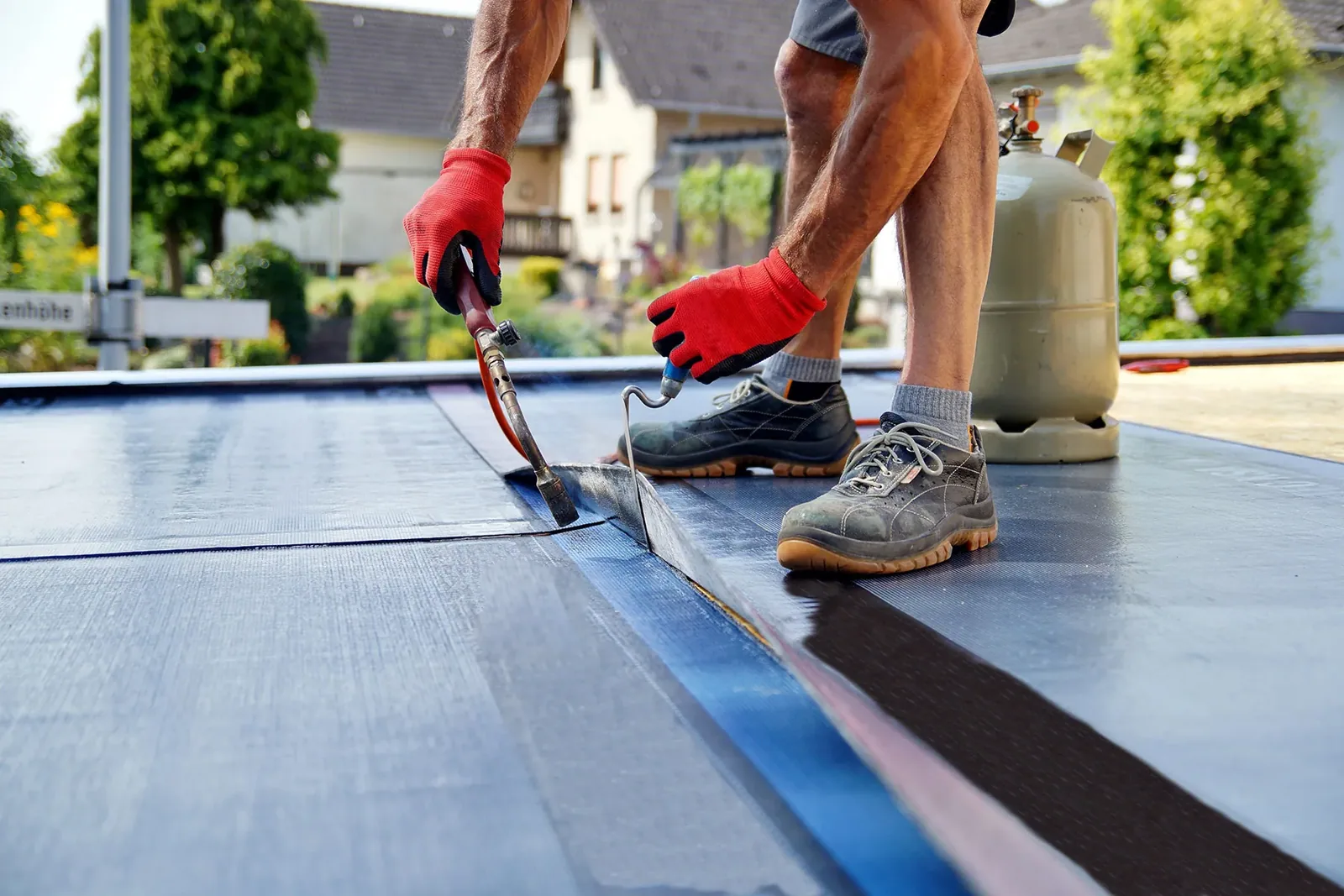
A new EPDM assembly and a welded thermoplastic membrane have different installation details. We compare them against the roof conditions, chemical exposure and service traffic. Separation layers, cover boards and perimeter fastening may be necessary parts of the scope. The manager needs an assembly description that includes those supporting components. It gives a clearer comparison than a proposal naming only the surface membrane and leaving attachment decisions until installation.
Reset drains and curb clearance
Adding insulation raises the field beside a drain that stays at its existing elevation. The transition into that lower inlet needs a workable slope and compatible connection at the clamping ring. We check the finished elevations and the approach through any drain sump. Tapered insulation or local detail changes may be required. Fixed overflow openings also need their clearance checked against the raised surface, so secondary drainage remains effective.
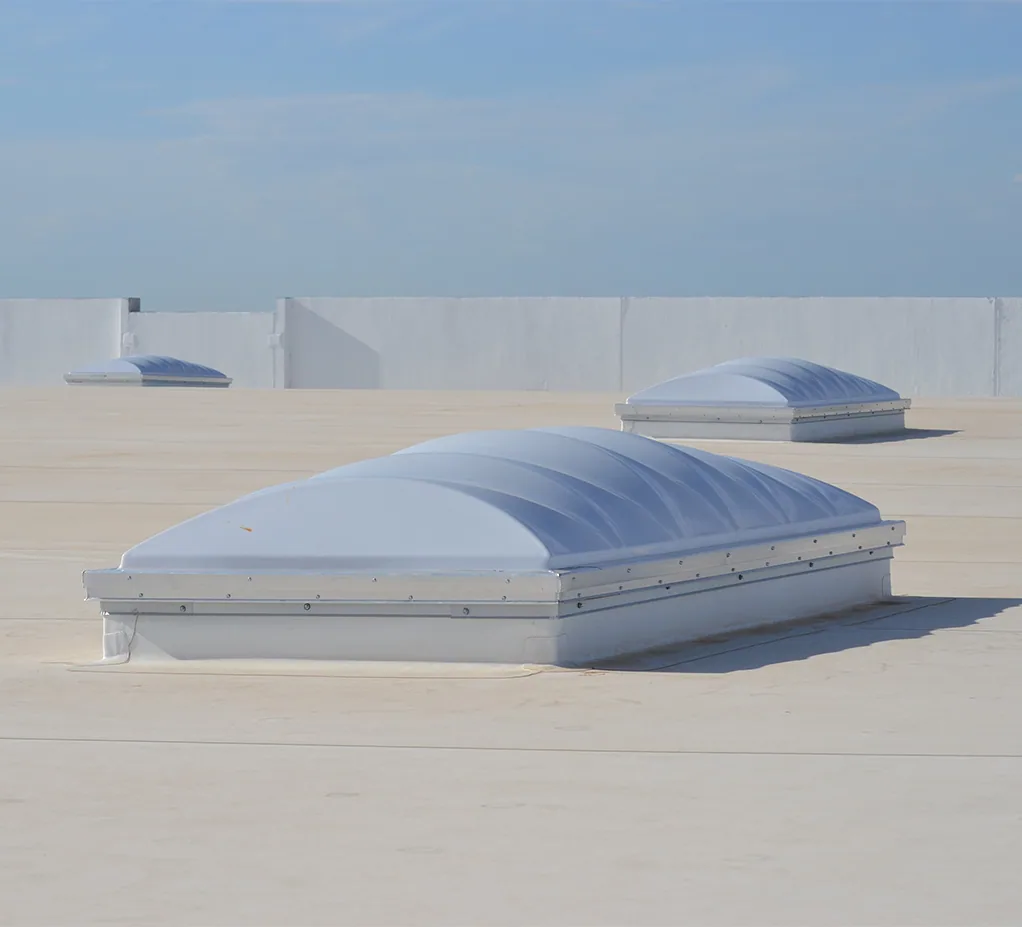
Short equipment flashing can become shorter after an overlay. We inspect curb heights, wall transitions, pipe penetrations and door thresholds. A raised surface should not cover a termination or leave the flashing unable to handle normal roof movement. Correcting penetration and curb flashing may involve equipment coordination as well as roofing labor. Those adjustments belong in the proposed work sequence.
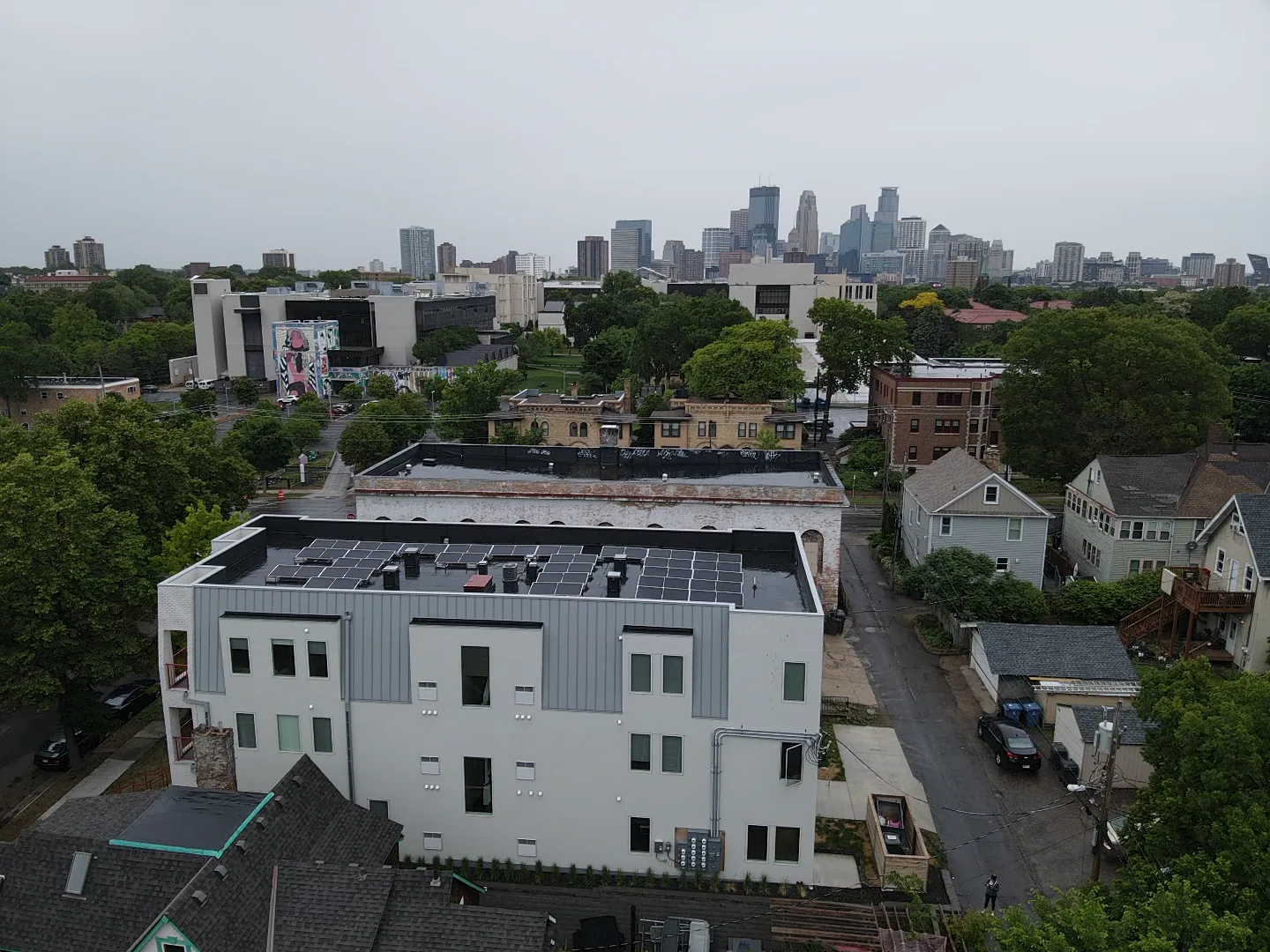
Downtown Overland Park mixes businesses, apartments and civic uses. On an occupied mixed-use property, removing or raising equipment can affect more than one occupant. We coordinate the access and shutdown requirement with the manager before disturbing a curb. A roof over residential occupancy also needs careful daily protection and clear notice of disruptive work. The overlay option must be judged with these detail corrections included. Otherwise a smaller demolition scope can hide a larger transition problem.
Separate coating from recovering
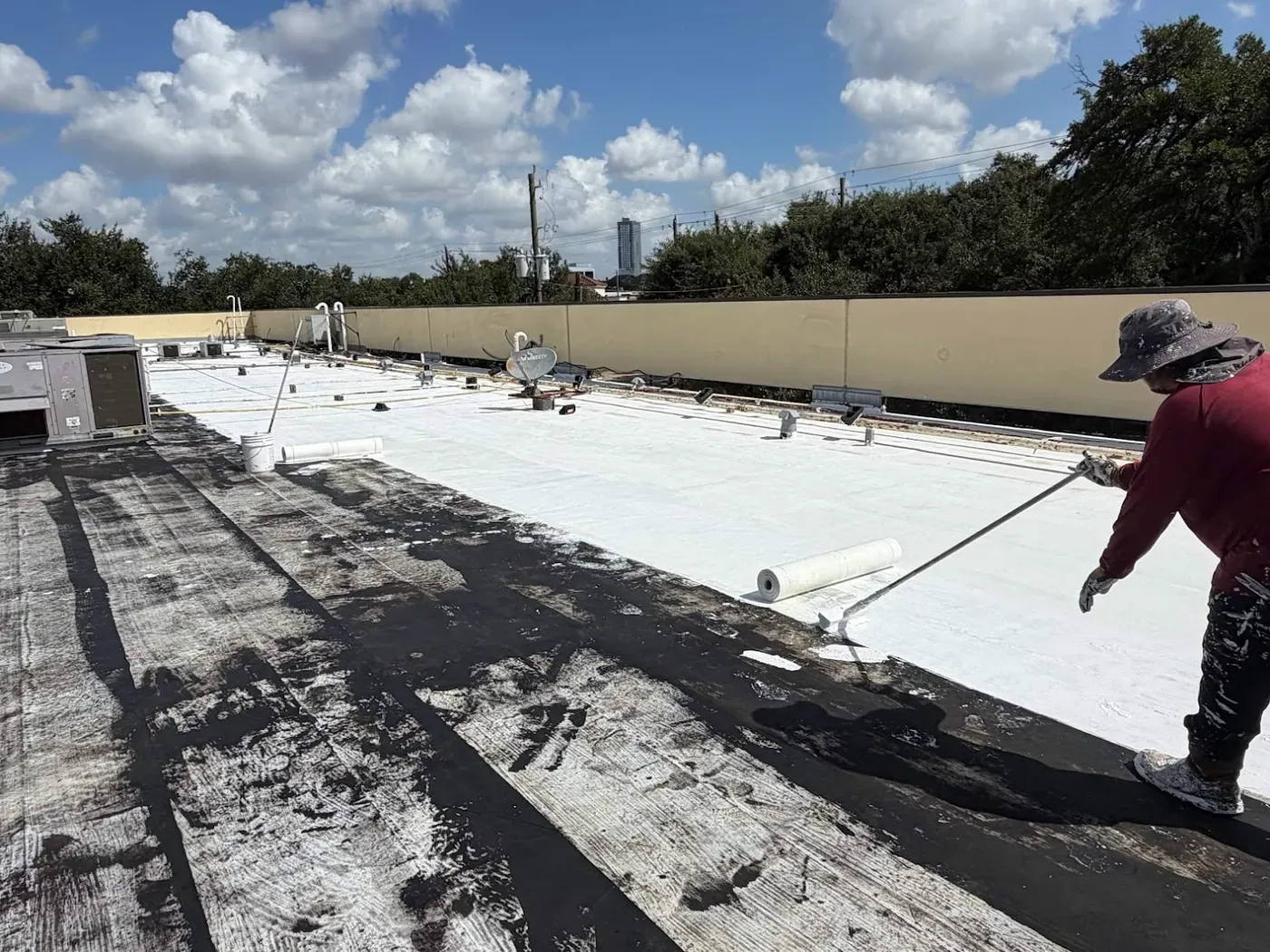
A coating follows the existing roof surface. A recover installs another roofing assembly over qualifying retained layers. These are different scopes. A coating does not supply missing attachment, replace wet insulation or create a new deck. We assess the existing material and defects before deciding whether either approach makes sense. Surface preparation and compatibility determine whether a restoration system can bond and function as intended.
Summer application windows need attention to heat: regional July normal highs are in the upper eighties. Winter materials face cold conditions instead. The selected product determines the usable installation window. Heat, dew, rainfall and cold can affect the work window. We check product requirements and the forecast rather than assigning a calendar date and expecting every material to perform the same way. A coating restoration assessment should resolve substrate condition and detail repairs before estimating the liquid-applied work.
Cost comparisons need the same boundaries. Include wet-area removal, surface preparation, edge changes and drain adjustments in each option that requires them. A recover may reduce disposal while still needing substantial preparation. A coating may preserve a suitable assembly while requiring extensive detail work. We show what each choice leaves in place and what it changes. That lets the property manager compare the work rather than compare labels that describe different jobs.
Set a recover work window
Material deliveries and roof access still need space even when demolition is limited. We establish storage areas, clear routes and protection for occupied entrances. The construction sequence identifies where the retained assembly will be opened for repairs and how each opening will be closed. An unexpected wet area needs a decision process that preserves protection while the scope is adjusted.
For properties in the College and Metcalf district, access planning should reflect the actual tenant and delivery schedules. We describe daily closing checks and the details that need inspection before completion. Schedule the qualification visit before committing to an overlay. It should settle what can remain, what must leave and how the raised roof will drain.
Commercial Roofing Questions
Can a recover leave old wet insulation in place?
Wet material needs a defined removal and replacement scope. We confirm suspect areas and consider whether their extent makes a recover impractical. Covering the condition does not resolve it.
Will another layer avoid all roof openings?
Local openings may still be needed for moisture testing, deck evaluation, drain changes and damaged material removal. The proposal should identify those openings and their daily protection.
Does a recover keep the existing warranty?
Coverage terms depend on the issuing party and the work proposed. We review available documents and the requirements for the new assembly. Continued coverage should be confirmed before construction.
How can we compare an overlay estimate with replacement?
Compare retained layers, preparation, insulation, attachment, drainage and transition changes first. Then compare disposal and access needs. Different work limits can make headline prices misleading.
Related Roofing Work
Set the work limits
Book a recover qualification visit. We will check retained layers, moisture, attachment and finished roof heights before proposing an overlay.