
Commercial Roofing Along 151st Street in Overland Park, KS
Home / Service Areas / Commercial Roofing Along 151st Street
Get a Free Roof Assessment - Call 555-555-5555
What Property Owners Should Know
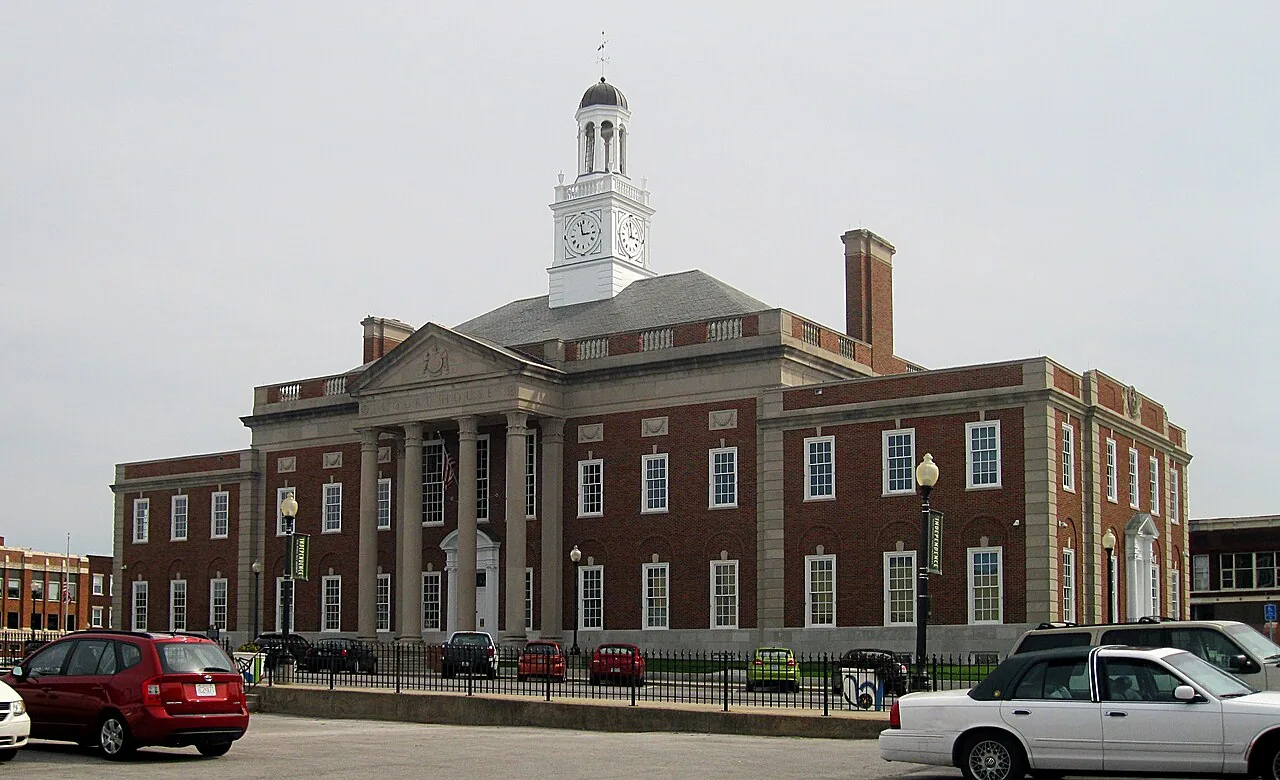
Retail work along 151st Street has to keep customer access, deliveries and roof access from colliding. A leak near an entry or rooftop unit can interrupt the day before the membrane condition is clear. We inspect the wet area, trace the drain path and check the flashing before setting the repair footprint. The result is a defined scope for a store, office or other commercial property, with opening limits and a daily closure plan that fit occupied use.
151st Street is an east-west retail corridor and the southern entry and exit point for the U.S. 69 express lanes. That access matters when a manager is coordinating trades or arranging roof materials, but it does not determine what a roof needs. We look at the assembly, the damage and the work window first. Book a commercial roof inspection in the U.S. 69 corridor when the leak pattern, storm damage or maintenance record calls for a closer check.
Protect the business day
A retail roof can sit above sales space, stock rooms, offices and service areas with different operating hours. A repair beside an entrance may require a different staging plan from work over a back-of-house area. We map roof access, delivery paths, exhaust discharge and any overhead work zone before opening the assembly. The manager gets a clear work window and daily closure steps, so staff know which area is affected and what must remain accessible.
The city and Chamber identify 151st Street as a retail corridor. That context makes customer movement and material handling practical concerns, not assumptions about any one building. We confirm the actual site conditions during the inspection. For a small opening, a targeted commercial roof repair may limit disruption. Where wet insulation or widespread seam failure changes the removal scope, we explain why a larger repair or replacement should be priced instead of stretching a patch beyond sound material.
Trace the leak path
Water can travel beneath a membrane before it appears as a ceiling stain. We inspect seams, penetrations, roof edges, drains and transitions above the reported area, then compare those findings with the interior location. A clogged drain path, loose flashing or failed curb detail can send water away from its entry point. Photos and written notes identify what is wet, what remains sound and where additional testing would change the proposed repair.
Storm history is relevant when the damage pattern fits it. For Johnson County, NOAA’s May 21, 2000 record lists hail up to 1.5 inches during a storm that crossed Merriam, Overland Park and Leawood. That record does not establish damage at a particular property. We inspect the roof for current impact marks, punctures, displaced metal and compromised seams. When the manager needs a condition record, our roof inspection ties photographs to observed conditions rather than treating a weather event as proof of a claim.
Choose a repair footprint
Material condition sets the repair boundary. If the membrane is sound around one failed seam or penetration, preparation and a compatible patch may address the defect. If moisture has moved into insulation, the repair must reach dry, stable material. A patch over wet insulation leaves the source of deterioration in place. We mark the removal limits, explain how the repair ties into the existing assembly and separate known work from any concealed condition that could only be confirmed after opening.
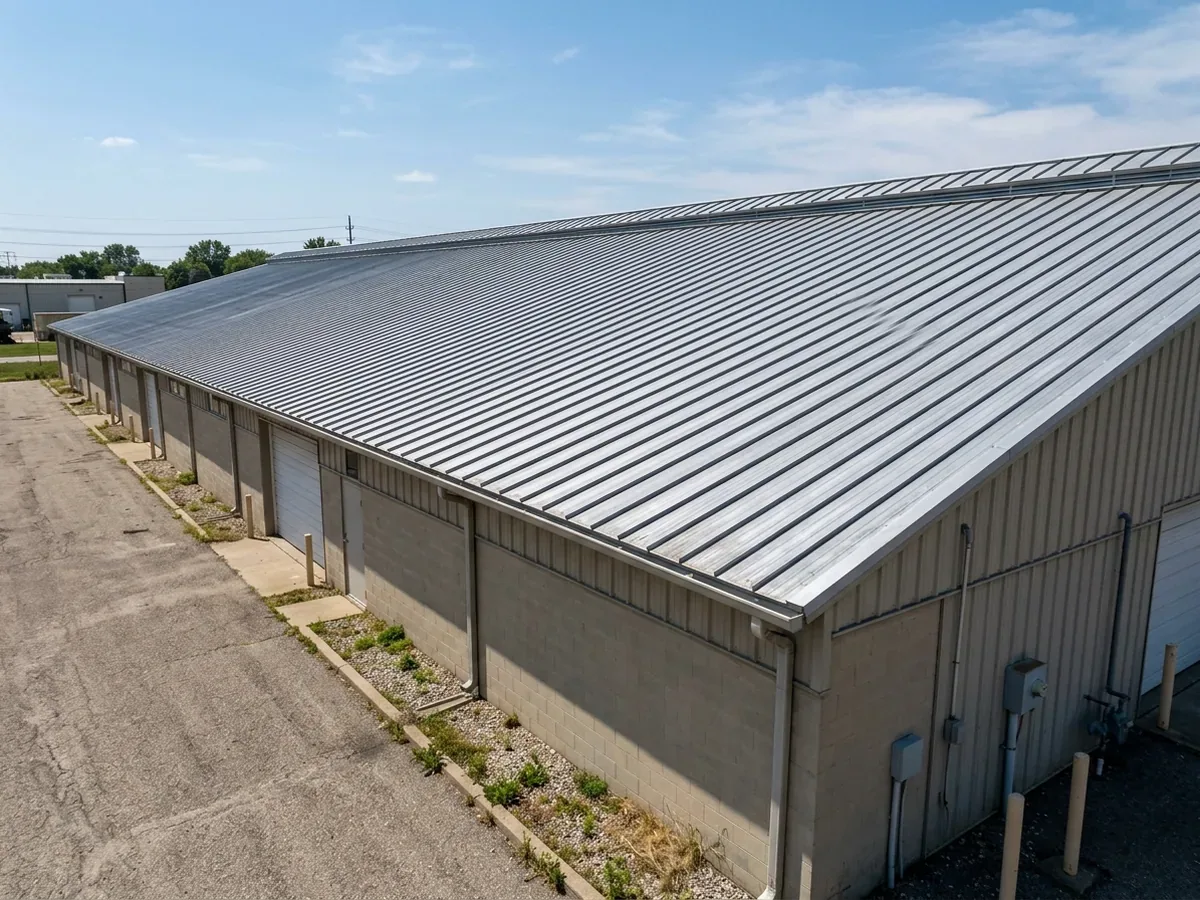
For thermoplastic systems, seam cleaning and welding conditions matter. TPO and PVC are not interchangeable labels for every roof detail; the installed membrane, thickness, surface condition and manufacturer requirements inform the method. Metal edges, counterflashing and curb transitions need equally careful attention. For a metal assembly, review standing seam details before selecting a repair. If a roof is beyond isolated repairs, compare a replacement scope with a roof recover option only after checking the existing assembly and its moisture condition. We can also examine a nearby Overland Park retail corridor roof under the same evidence-first process.
Plan material and weather windows
The Kansas City July profile starts with a normal high near 87 degrees and reaches 89 late in the month. Its normal monthly precipitation is 4.58 inches. Those regional figures describe seasonal planning context, not a forecast for a specific workday. Heat can affect crew exposure and membrane handling; a passing storm can require temporary protection and a revised closure time. We set the work sequence against the selected material requirements and the actual forecast. The plan identifies when the roof is open, how it is protected and who confirms closure.
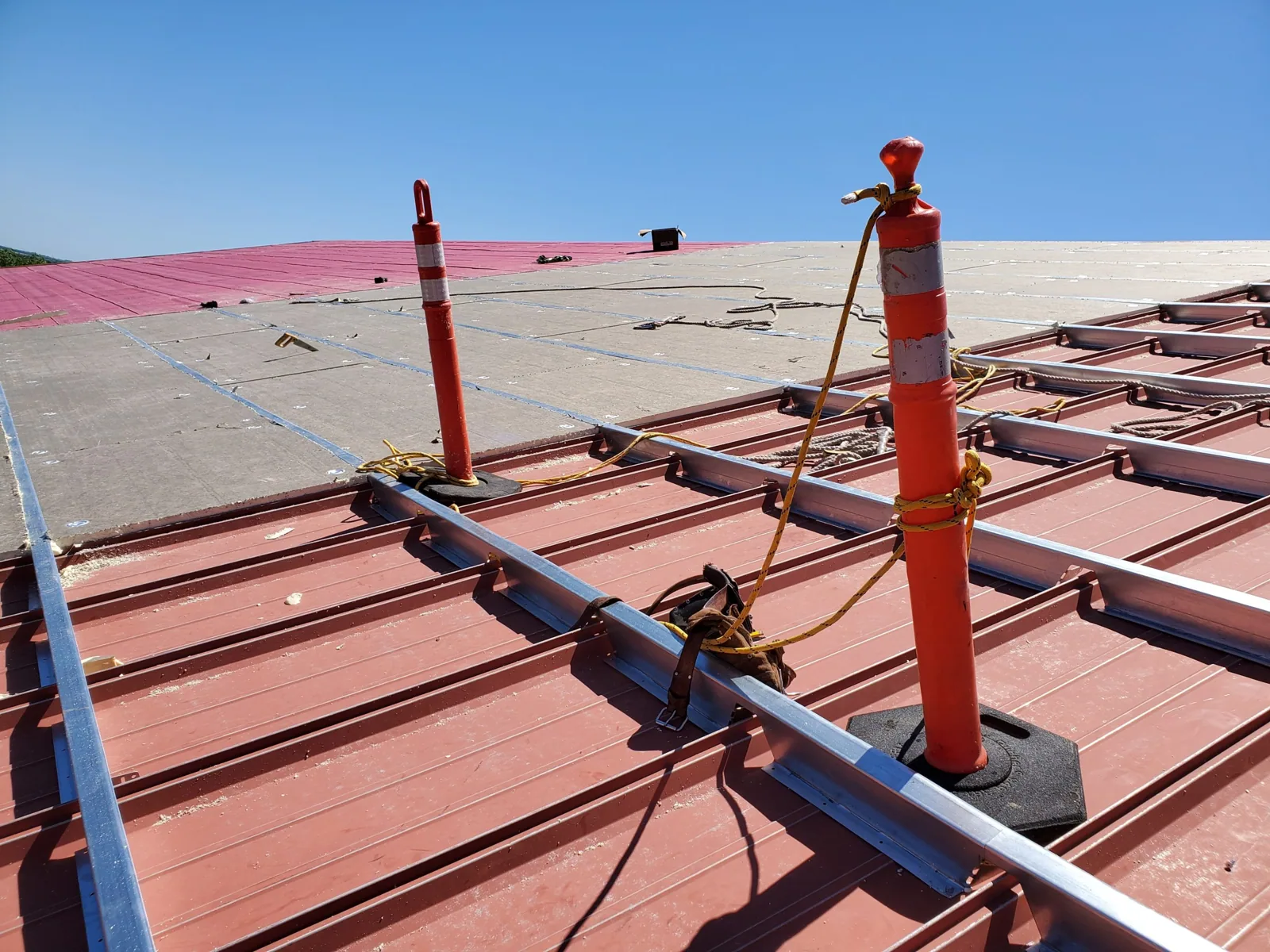
Winter changes adhesive and temporary-cover decisions. The Kansas City January record pairs early-month daytime highs near 38 or 39 degrees with overnight readings around 19 to 21. Average snowfall for the month is 4.9 inches. A cold period can narrow installation windows and make ice or snow a roof-access concern. We do not force a material step into conditions it cannot tolerate. For a larger scope, compare TPO system requirements with the existing roof and planned work window, then document sequencing before mobilization.
Keep the roof closed each day
Before the first cut, the manager needs to know where the crew will enter, what equipment must be moved and which operations cannot pause. We coordinate clear access to ladders or approved roof hatches, identify areas below the work and protect finished surfaces. If exhaust or rooftop equipment serves active retail space, we include the operating constraint in the sequence. The crew closes each opened area before leaving and reports any condition that changes the next workday.
U.S. 69, Blue Valley Parkway and the other project access points help with regional routing. Property access still needs approval. Arrange keys, escorts or loading access before the start.
Set the next decision
Start with the condition that is changing building operations. Active water entry calls for a prompt inspection and temporary protection where conditions allow. A recurring leak, loose edge metal or a repair that keeps expanding calls for a broader condition review. We document the observed defect, the surrounding assembly and the recommended repair footprint. If the evidence supports a claim file, photographs and a written condition report can help organize the roof information without predicting an insurer decision.
For an occupied property on 151st Street, schedule a roof check before choosing between patching, sectional replacement or a larger project. Share the leak location, known access limits, roof records and any immediate operating constraint. We will inspect the roof, identify what can be confirmed from the surface and set out the next work window. The manager can then decide whether to authorize a defined repair or gather more information before capital planning.
Commercial Roofing Questions
Can roof repairs stay clear of the main retail entrance?
Yes, when roof access and the defect location allow it. We identify the work zone, material route and overhead protection needs before setting the opening limit. If the repair sits above an entry, the sequence should include a clear route for customers and staff and a daily closure check.
What should I send before an inspection?
Share the leak location, interior photos, prior repair notes, roof plans if available and any access restrictions. Those records help us compare the reported symptoms with the roof details. We still verify the membrane, flashing and drainage conditions in person before defining the repair.
Does a hail report establish that my roof is damaged?
No. The May 2000 event is regional history, not an inspection result for a current property. We look for present impact evidence, punctures, displaced components and related water entry. Photographs can distinguish observed conditions from the storm date or a reported interior stain.
How do you decide whether wet insulation must come out?
We locate the wet area and determine whether it is isolated or continues beyond the visible defect. Removal should reach material that is dry and stable, with tie-ins suitable for the roof assembly. The inspection report records the known boundary and identifies concealed conditions that may need confirmation after opening.
Can a retail roof be worked on in winter?
A winter work window is set by temperature, precipitation, access and the selected materials. Regional Kansas City normals show cold January conditions, so adhesive or membrane steps may need a narrower schedule. We plan temporary protection around the actual forecast and manufacturer requirements.
Related Roofing Work
Set a retail work window
Schedule an inspection along 151st Street. We will check the leak path, roof access and repair footprint, then document the material and closure requirements for the next step.