
Modified-Bitumen Commercial Roofing in Overland Park, KS
Home / Roof Systems / Modified-Bitumen Commercial Roofing
Get a Free Roof Assessment - Call 555-555-5555
What Property Owners Should Know
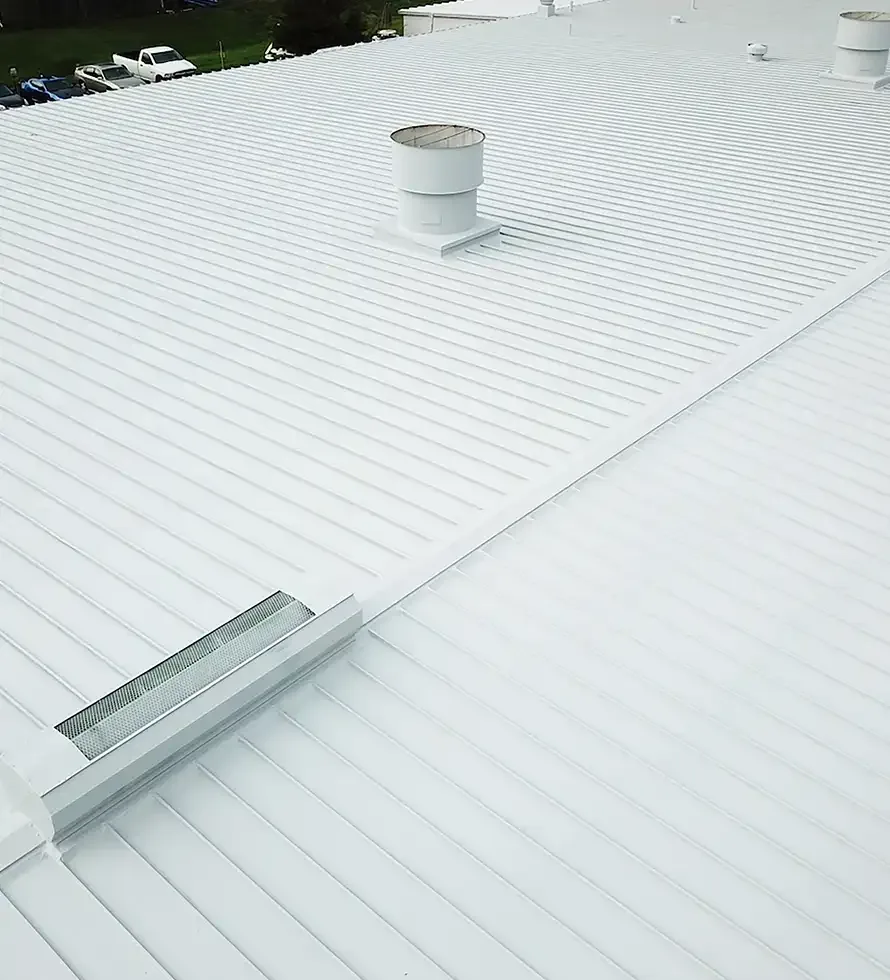
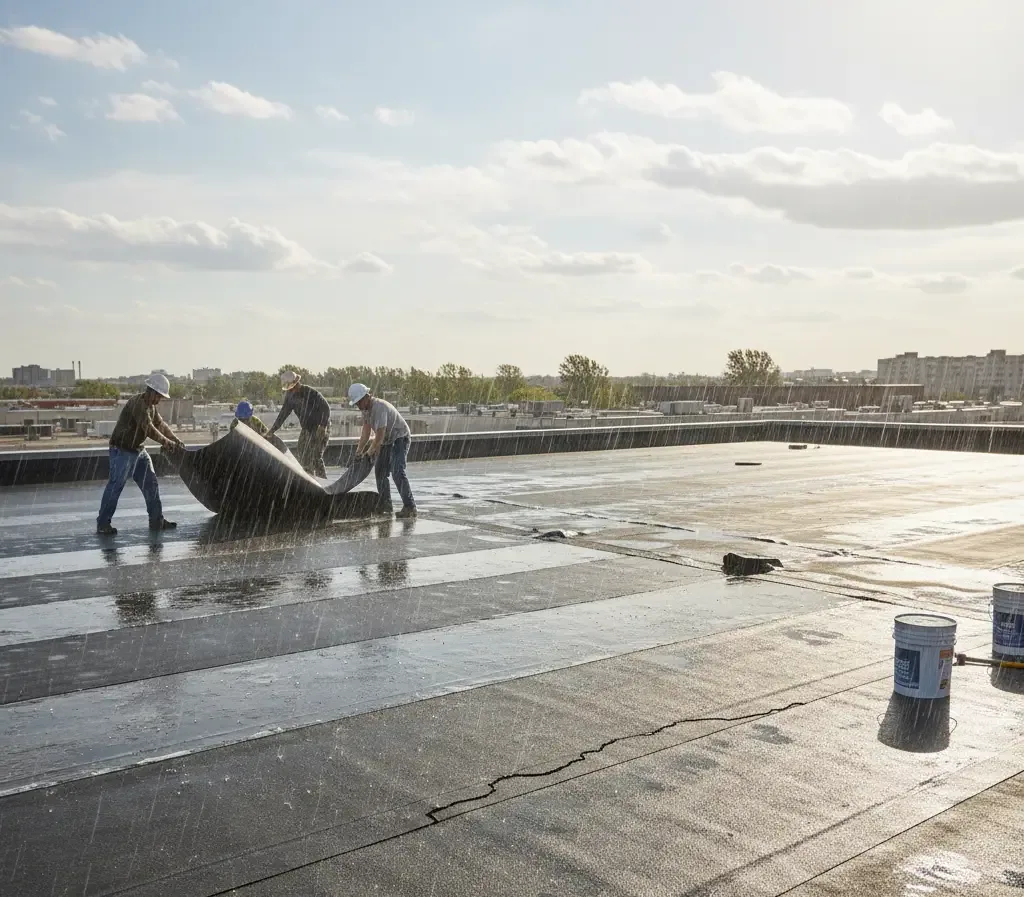
A split through an asphalt roof layer needs its depth and support checked before resurfacing. Inspect the reinforcement and surrounding assembly, then set the repair footprint. Modified-bitumen roofing in Overland Park, KS, involves more than its exposed cap surface. We examine seams, flashing and the supporting layers. The condition of retained material determines whether a local correction is practical or a wider removal decision is needed.
Retail properties along 135th Street and mixed business and residential uses downtown can restrict material handling and occupied-space disruption. We review those limits with the manager before choosing the work window. A modified-bitumen repair should identify the layers being corrected and the preparation required. The proposed installation method must fit the material system and property conditions. A familiar asphalt appearance does not mean every old roof section can accept the same treatment.
Examine layers and surface defects
Cracks, splits, blisters and open laps need evaluation against the actual roof construction. We inspect the surface and the surrounding detail, then identify where openings or other testing may be needed. A superficial weathering mark has different significance from damage through reinforced material. The repair should follow that finding rather than use a surface coating as a general answer to every visible defect.
The cap layer can conceal insulation or lower roof components that need attention. Wet or deteriorated material may enlarge the removal footprint. We establish what can remain and what must be replaced to provide suitable support. Existing patches need inspection because they can have different materials or preparation from the main assembly. Their condition affects the connection for new work.
Leak repair investigation helps trace active water entry through seams, flashing and outlets. The roof history can show repeat problems at a detail, but the present material still needs examination. The manager should know whether the proposal corrects a localized failed connection or addresses a broader layer condition. Those are different scopes, even when both begin with a visible split on the surface.
Select the application method
The selected modified-bitumen product determines its application method and the surface preparation needed for that connection. We review the selected material requirements and the condition of the substrate. The method needs to fit the building restrictions as well as the roof design. Preparation, bonding and detail requirements should be identified before the construction schedule is agreed.
Where a heat-applied method is proposed, project-specific fire precautions and building restrictions need review. Other systems may use self-adhered or adhesive-based methods with different preparation and weather limits. We compare the suitable approach rather than assume that one installation method applies to all asphalt roofing. The manager needs the practical access and occupied-use implications of the selected system.
A built-up roof has its own layer construction and repair requirements. A rubber membrane uses another set of connections. We evaluate complete alternatives where a larger project is being considered. Attachment, insulation, flashing and drainage remain part of that comparison. A product label alone does not establish the preparation or construction arrangement needed to make the roof suitable for the building.
Rebuild flashing and drain transitions
A wall or curb connection may fail independently of the broad field. We inspect flashing height, terminations, corners and accessible supporting material. The selected detail should remain compatible with the roof system and the component it joins. Equipment movement or an unsuitable termination may need correction before a new layer is installed at the connection.
A curb flashing correction can require equipment coordination where access is obstructed or the curb must be raised. Added insulation changes the height available for the detail. We check the finished elevation before setting the repair or replacement scope. The connection should not be shortened to accommodate an assembly change that has not been planned.
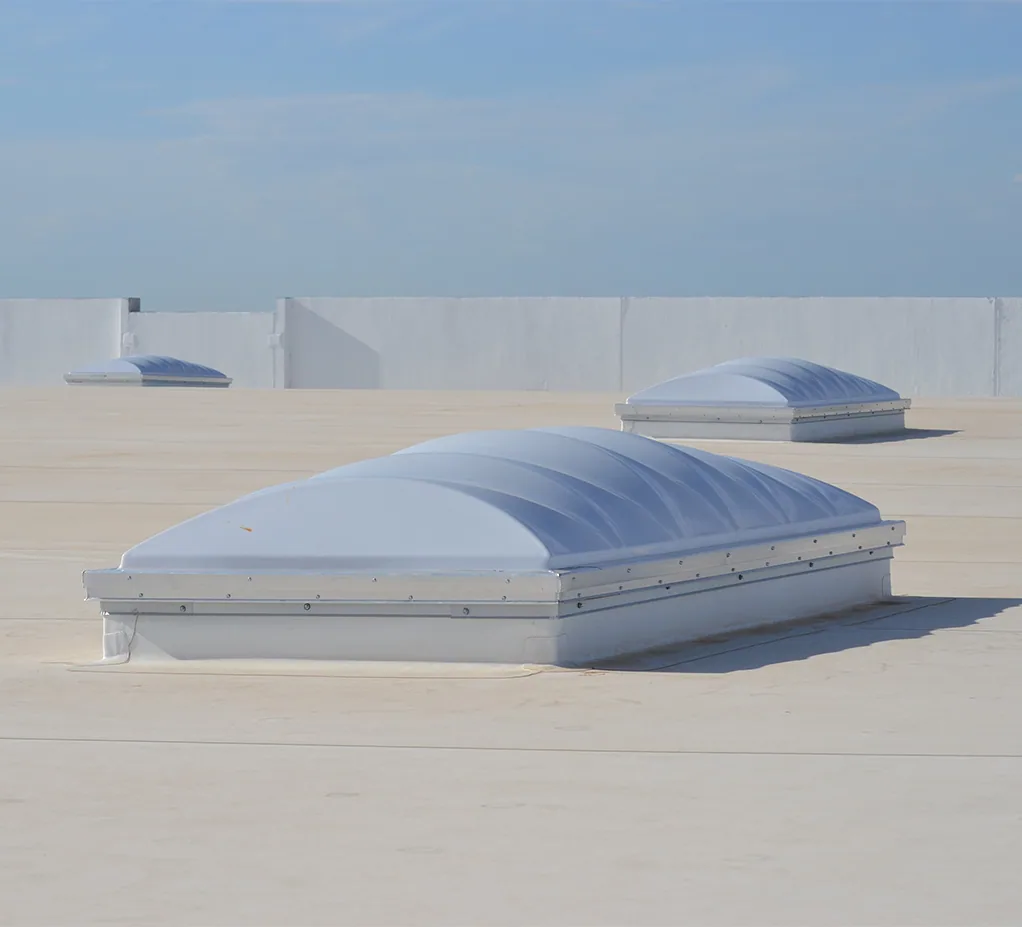
Drain approaches and overflow clearance need similar attention. A fixed inlet may sit lower relative to a raised field, requiring a suitable transition into the sump. Layer changes should preserve the intended water route. We identify whether roofing, plumbing or design work is needed at the outlet. These decisions belong before materials are installed. They help prevent a new surface from retaining an unresolved drainage or penetration problem beneath its otherwise sound field.
Define removal and occupied-use stages
A wet area needs a removal boundary supported by investigation. We discuss authorized testing when the concealed condition affects the scope. The supporting deck may also need evaluation where damage is suspected. The estimate should describe how additional findings are recorded and approved as the roof is opened. Temporary protection remains part of that process.
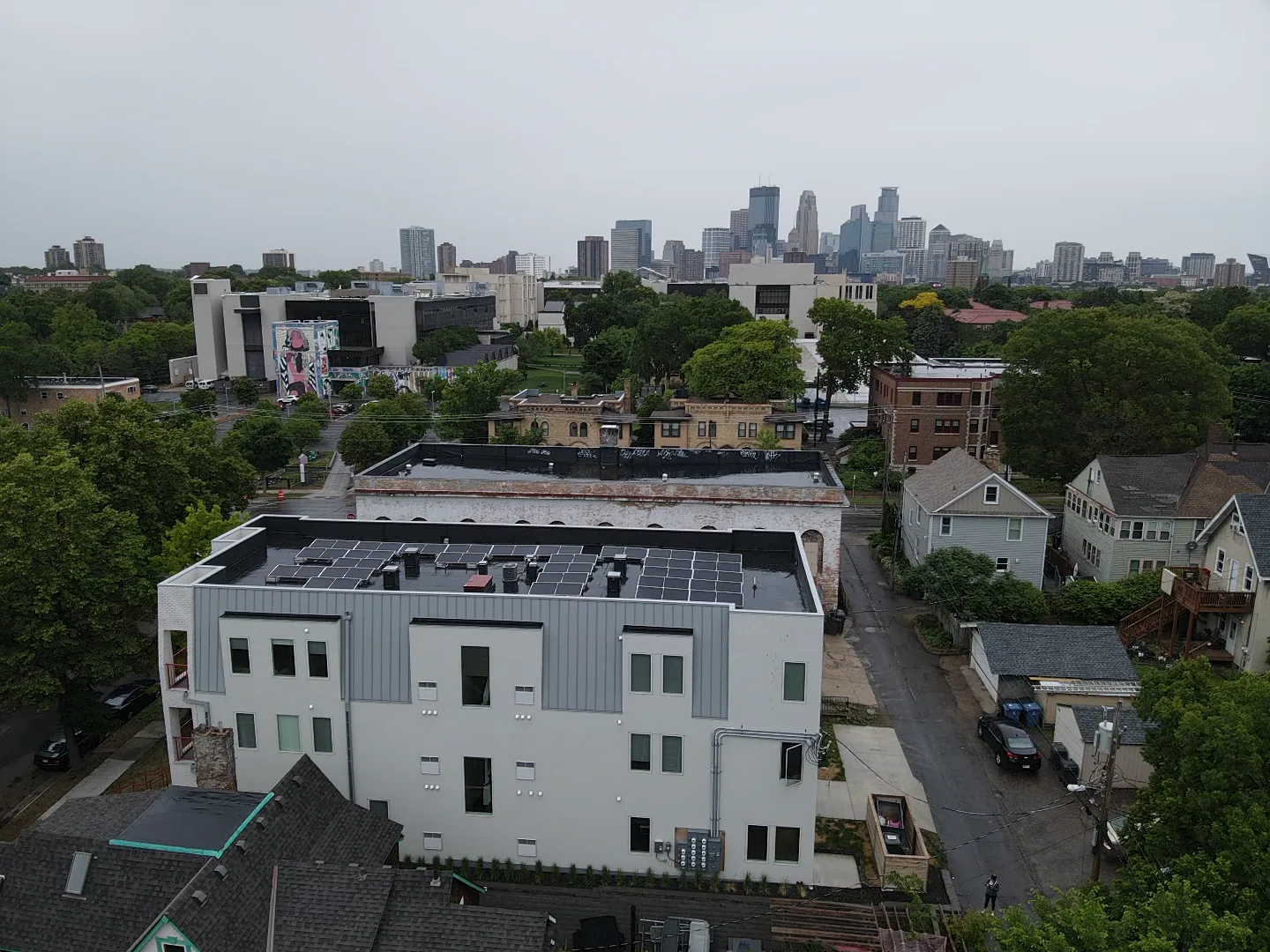
For roofing above apartments, occupied rooms and access can affect noise, material handling and daily openings. We settle those requirements with the property manager. The selected application method and material conditions must fit the work window. A suitable daily closure should protect the building and address runoff arriving from retained roof sections.
Regional winter cold and snowfall can restrict access and application. Summer heat changes handling conditions and rainfall still affects exposure. We follow the product requirements and forecast for the actual stage. At retail properties along the 135th Street corridor, deliveries and customer routes may limit staging. The site check defines that arrangement. Those access and preparation drivers should be visible in the estimate alongside layer removal and new material installation.
Maintain the completed asphalt assembly
The closing inspection checks laps, flashing, outlets and the connections affected by the work. We document completed details and identify any remaining issue outside the authorized scope. The material record should help later crews select compatible repairs. New equipment work must preserve usable access and suitable flashing at added penetrations.
Scheduled surface and detail maintenance can identify debris, open connections or damage after service traffic. The roof still needs that attention after a repair or replacement.
New penetrations should be reviewed before the assembly is cut. The supporting component, material preparation and flashing height need a suitable connection through the affected layers. A later trade should not remove surfacing or add a patch without identifying the system requirements. We can inspect the intended alteration and explain the roofing interface. Keep the added detail with the repair record so a future condition check can distinguish it from the original assembly. This also helps define maintenance access and avoid leaving tools or loose material on a surface that was not intended to receive them.
Review any issued warranty with its provider and keep its conditions available for future work. Arrange the modified-bitumen inspection with the roof history and occupied-use restrictions. We will establish layer condition, application requirements and permanent repair limits.
Commercial Roofing Questions
Does surface cracking mean all roof layers must be removed?
The depth, material condition and supporting assembly need inspection. We distinguish weathering from damage affecting the reinforced layers or waterproofing. The removal decision follows those findings.
Can every modified-bitumen system use heat application?
The product system and project conditions determine the suitable method. We review preparation, application requirements and building restrictions. Different materials may require a different approach.
Why investigate a blister before coating it?
The condition beneath or within the layer may require correction. A coating does not resolve unsupported or wet components. We inspect the defect and define appropriate preparation or removal.
What should the manager compare in two asphalt roof proposals?
Compare the layer scope, substrate preparation, application method and flashing work. Drain transitions, occupied-use restrictions and disposal also matter. A surface description alone can hide different construction assumptions.
Related Roofing Work
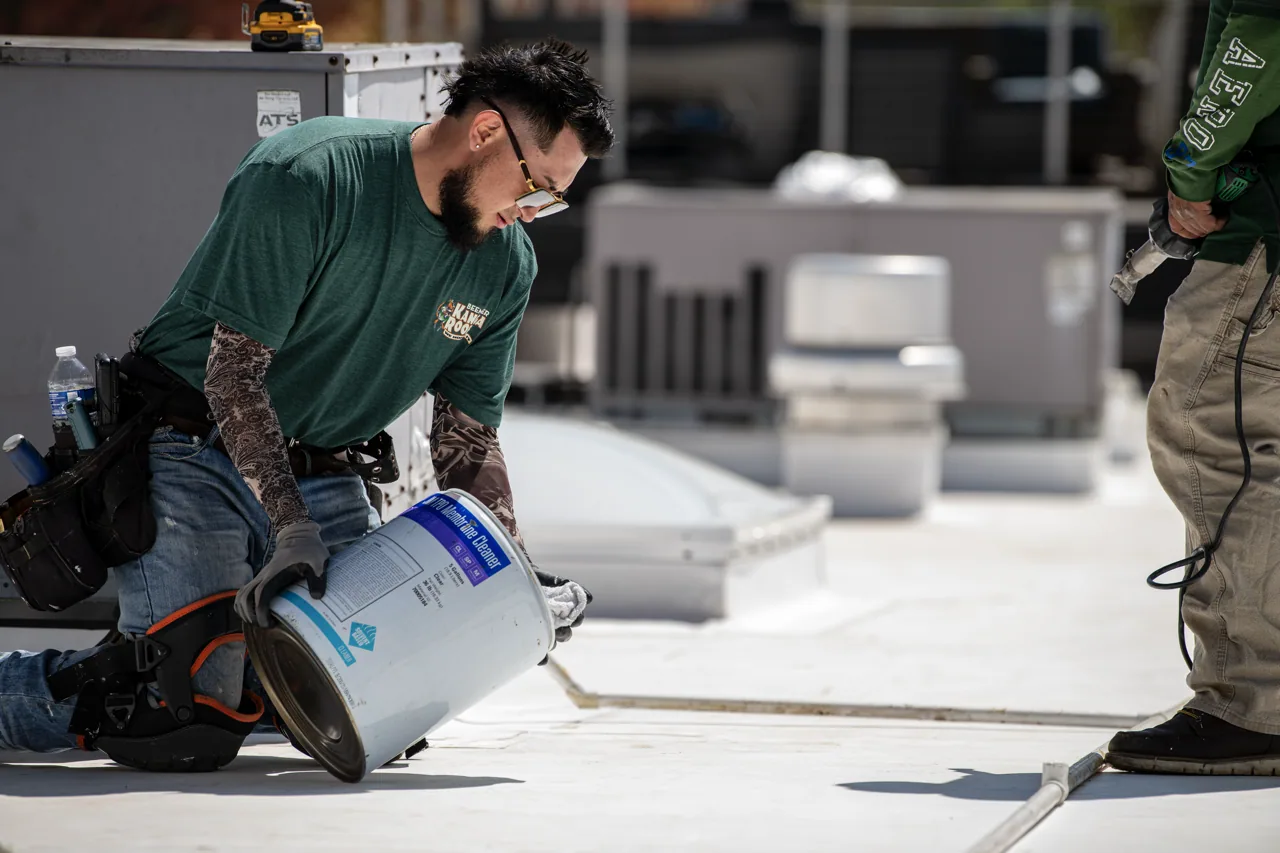
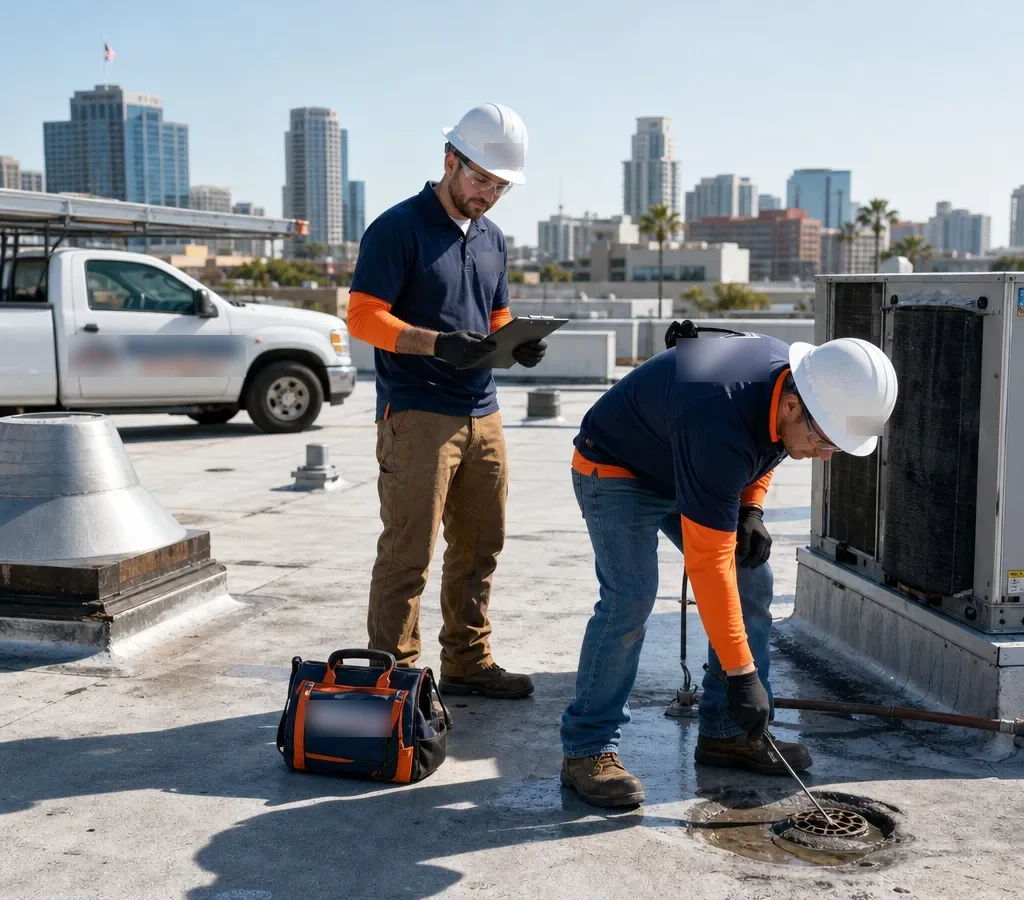
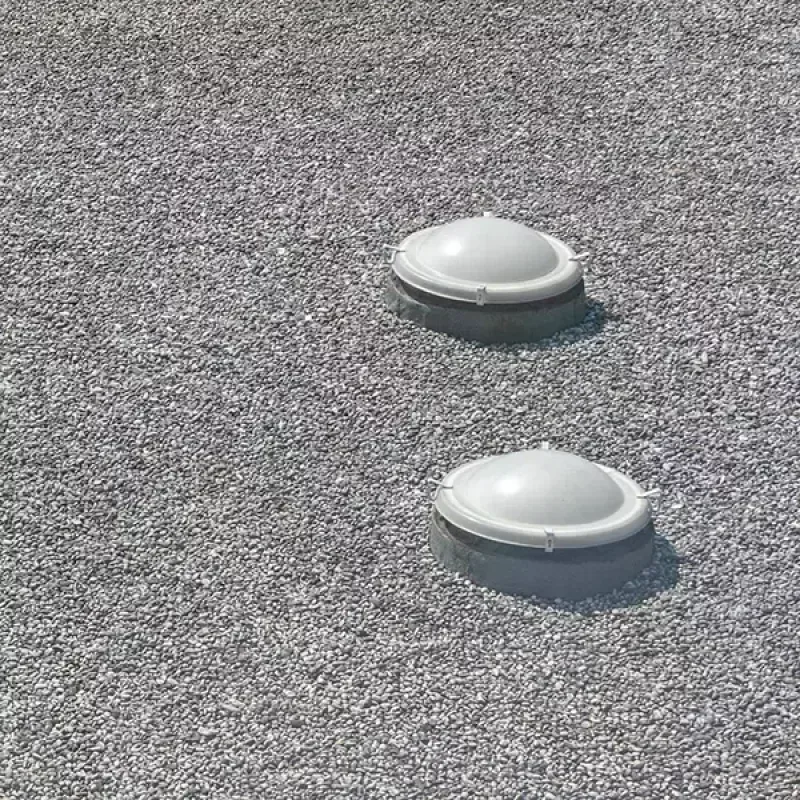
Set the work limits
Book the modified-bitumen assessment with roof records and access limits. We will establish the layer condition and suitable work method.