Preventive Commercial Roof Maintenance in Overland Park, KS
Home / Commercial Roofing Services / Preventive Commercial Roof Maintenance
Get a Free Roof Assessment - Call 555-555-5555
What Property Owners Should Know
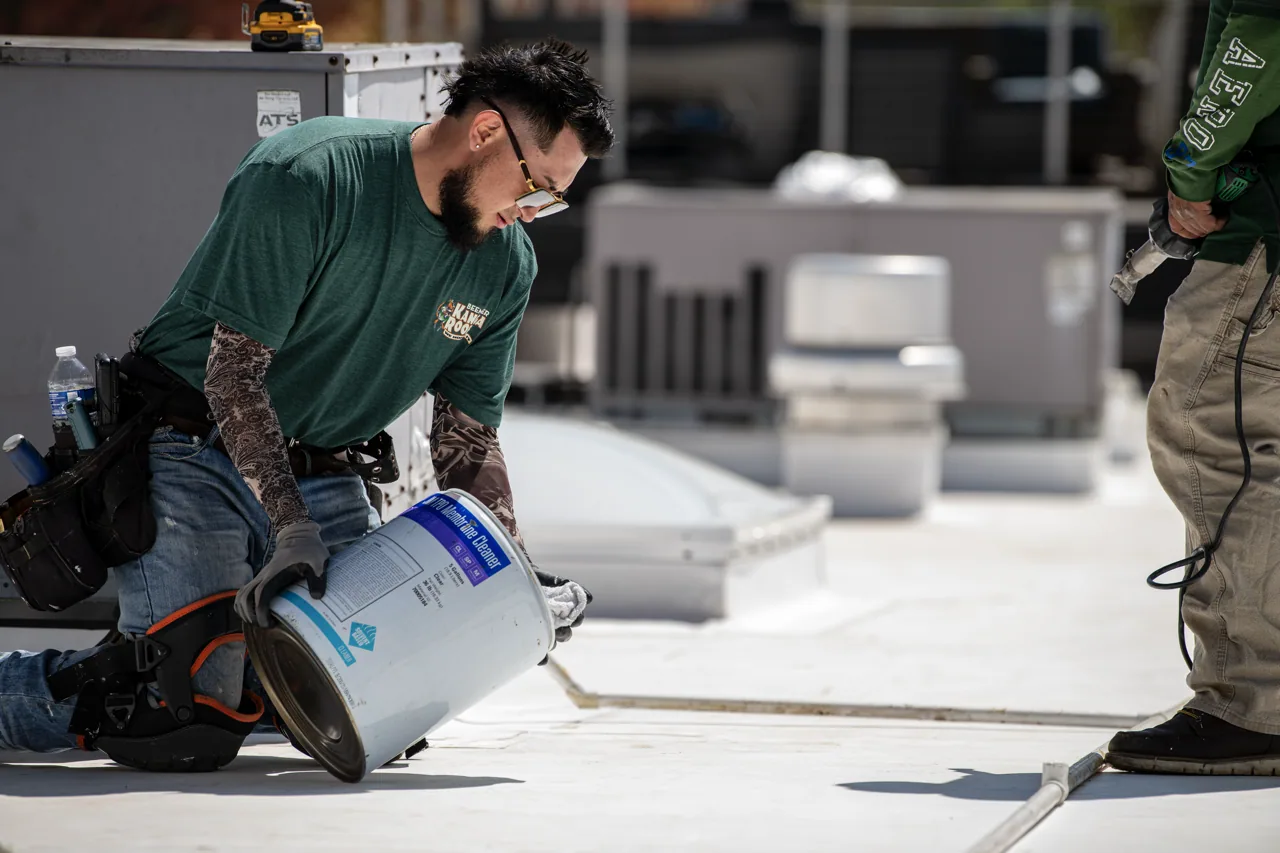
A clogged outlet can wait unnoticed while the building stays busy. Put drainage into the roof maintenance schedule before the next rain tests it. Preventive roof maintenance in Overland Park, KS, means checking the components that keep an existing assembly serviceable. We inspect outlets, seams, edges and equipment connections. We remove suitable loose debris and identify repairs that need approval. The maintenance visit should leave the manager with work completed and a clear list of conditions still requiring attention.
Retail along 119th Street and offices near College Boulevard create different access restrictions. A maintenance route must fit the occupied building and the equipment being serviced. We review those restrictions before arranging a visit. The schedule also needs to reflect roof condition and previous problems. A roof condition check establishes that starting point. Maintenance then becomes a sequence of useful actions rather than a calendar reminder disconnected from the actual roof.
Keep water moving to the outlets
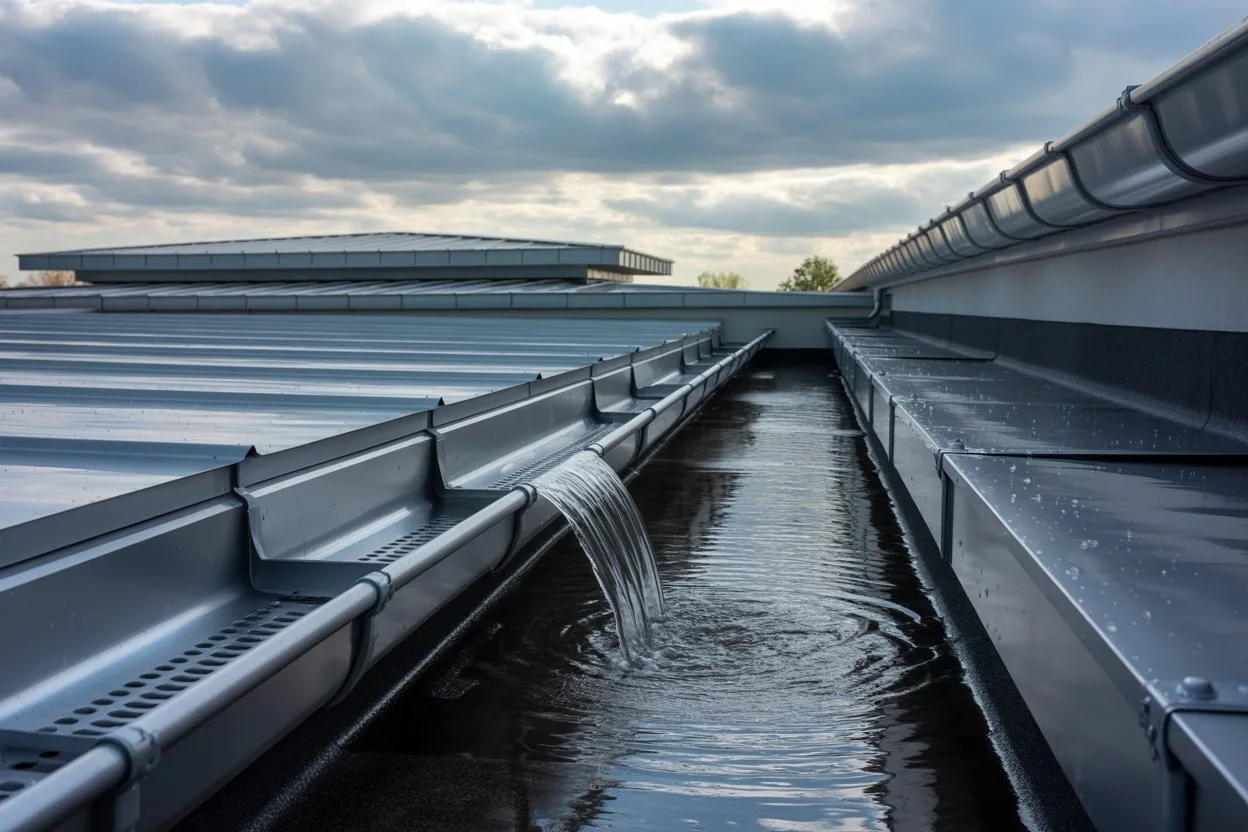
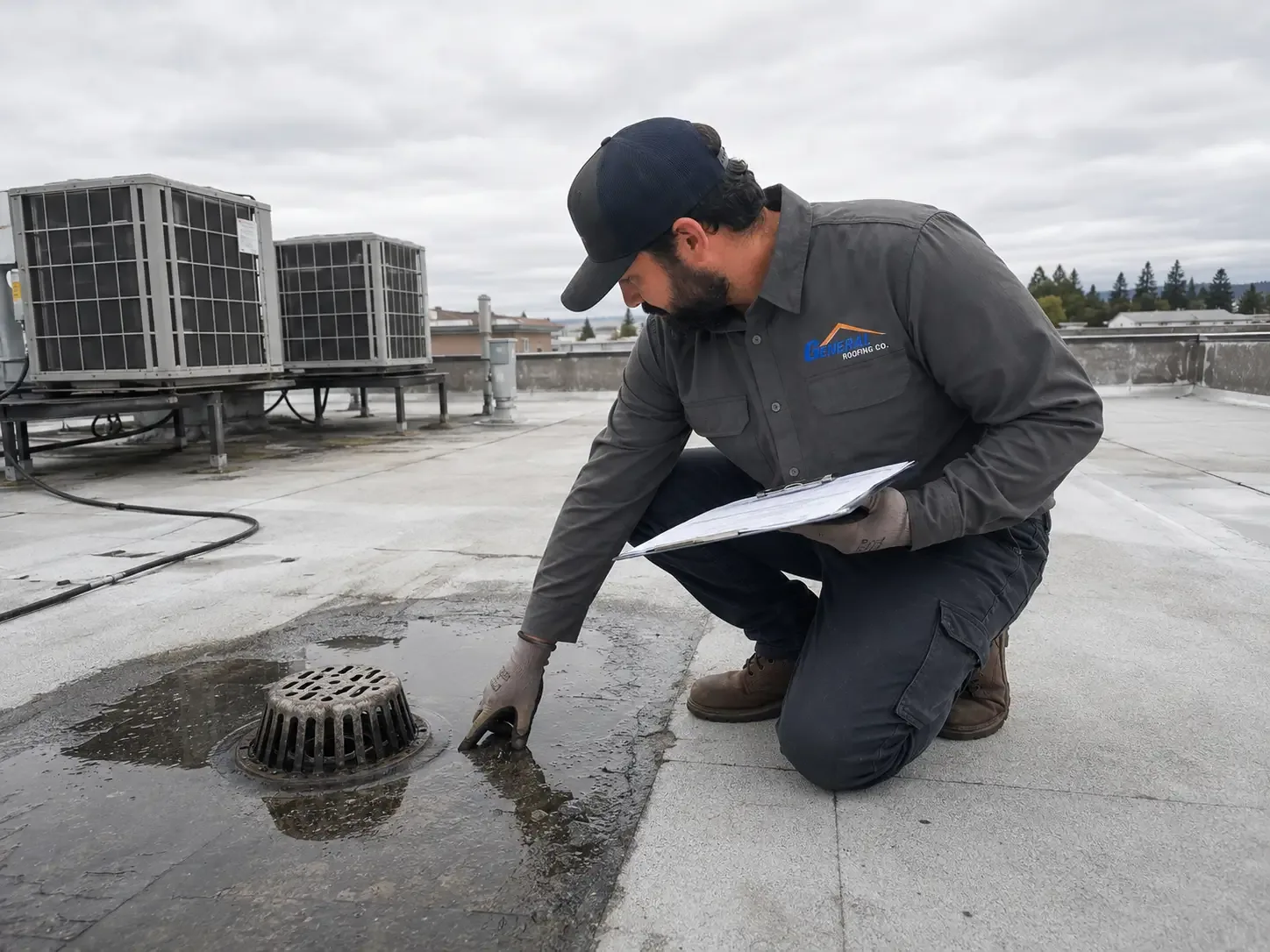
Leaves, packaging and loose trade debris can interrupt the drain path. We examine the approach to each accessible outlet and the visible components at the inlet. Clearing debris can restore flow where blockage is the problem. It cannot correct a failed drain connection or an unsuitable roof elevation. We distinguish cleaning from construction work so the manager can approve the right scope.
Drain strainers and scupper openings should remain usable after equipment servicing or nearby repairs. We inspect for missing protection, damage and material left across the water route. A drain or scupper correction may require work beyond the maintenance visit. We identify that requirement and explain whether the outlet connection, surrounding roof detail or plumbing needs further investigation.
Regional July rainfall makes drainage relevant even during hot weather. Winter snowfall and cold create different access and outlet conditions. We arrange a safe visit and avoid damaging hidden components under snow or ice. The maintenance record should note where a condition prevented inspection and the follow-up needed. A roof area that could not be reached should not quietly disappear from the maintenance scope. It remains an open item until suitable access allows the check.
Inspect details after trade traffic
A discarded fastener beside rooftop equipment can puncture a membrane under the next footstep. We look for loose metal, tools and debris on service routes. The condition of walk protection matters where workers regularly reach mechanical units. Maintenance should identify damage and access needs at those routes, not just inspect the unobstructed roof field.
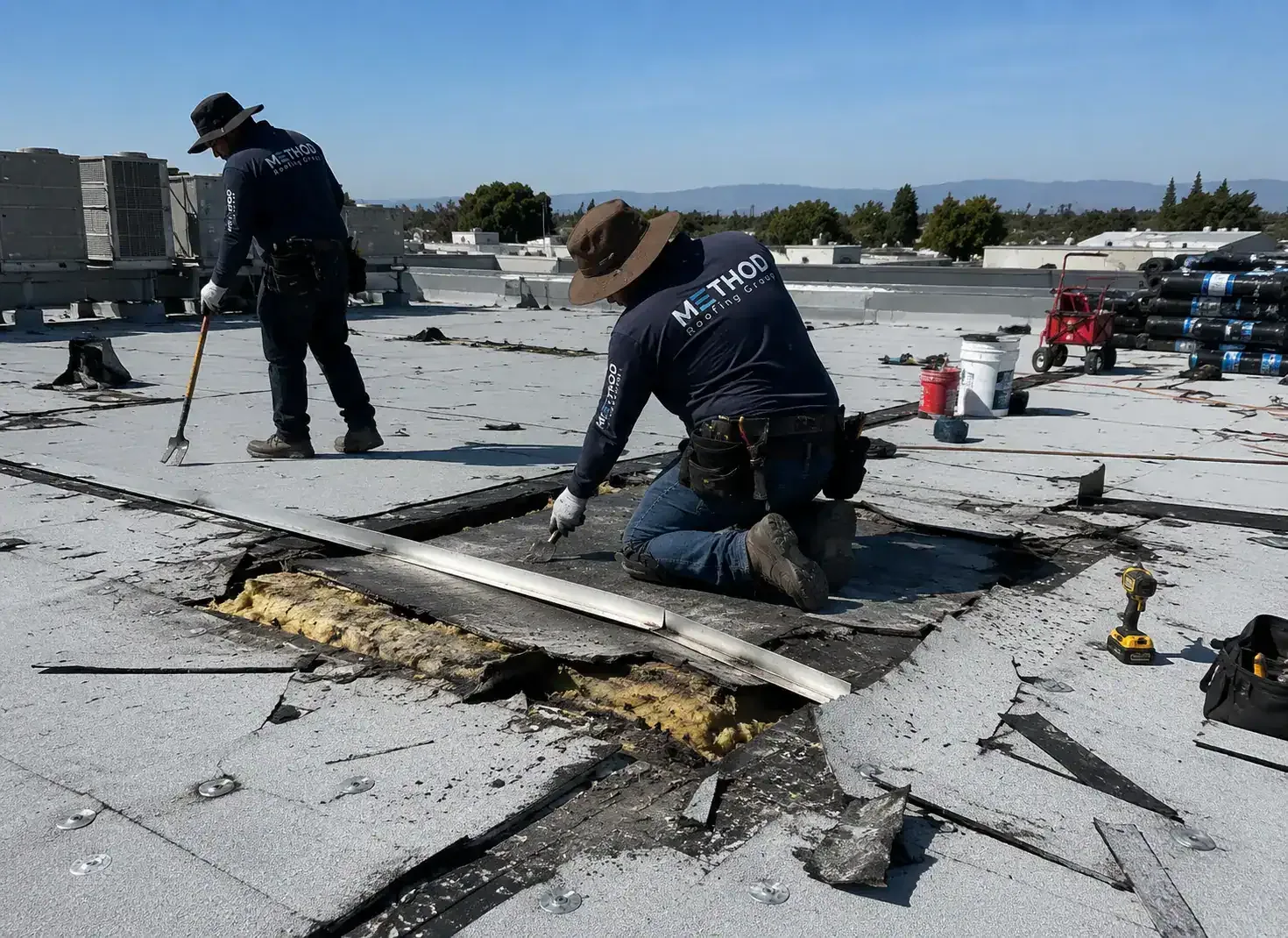
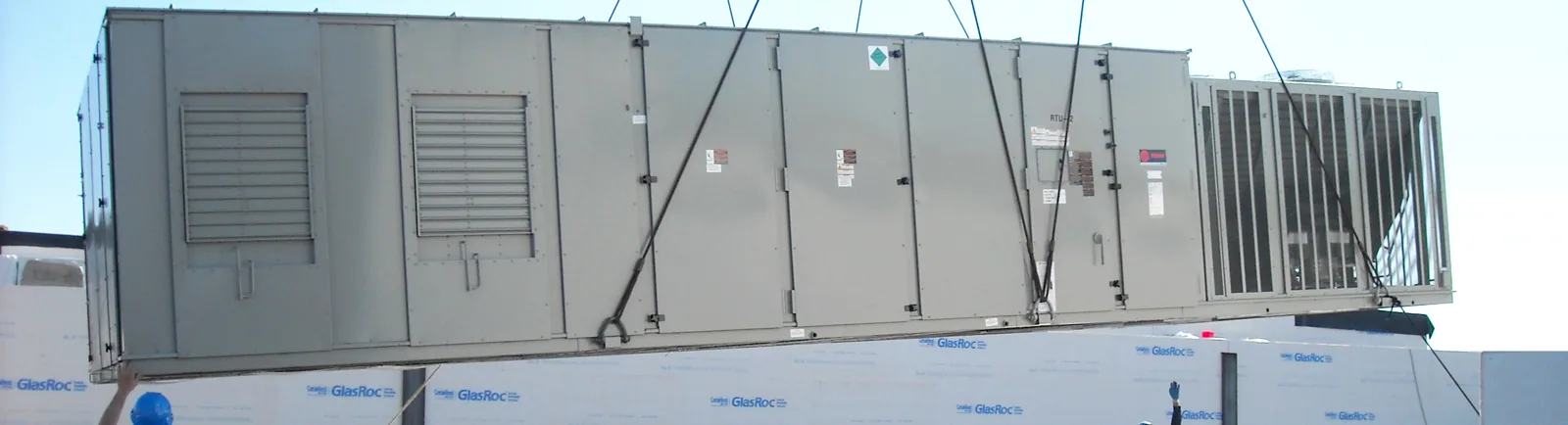
Flashing around an equipment curb can loosen or split as components move. We examine the visible connection and look for interference from service work. A curb or support repair may need another trade to move or isolate equipment. We describe that coordination rather than attempting a detail that cannot be reached properly. Roof maintenance can identify the problem and set the next action even when the permanent work needs a separate visit.
The selected materials must suit the existing roofing. Small authorized corrections still require appropriate cleaning, primers, accessories or welding. A maintenance program is not permission to spread an incompatible sealant over every suspect detail. We check the material condition before choosing the correction. Some defects need removal to a sound connection; others need monitoring or a wider investigation. The manager should know which category each finding falls into and why that choice affects the work.
Separate repairs from surface aging
A weathered surface does not tell us the condition of every supporting layer. We inspect its actual defects and compare them with the roof history. Repeated patching, soft areas and active leakage warrant closer investigation. Normal appearance changes may have different significance depending on the system. The maintenance recommendation should be tied to a finding that can be explained.
A rubber membrane assembly has different detail and accessory requirements from welded thermoplastic roofing. Asphalt systems and metal roofs also need their own methods. We identify the assembly and inspect the connections appropriate to it. That prevents a general maintenance list from becoming the same treatment for materials that fail and are repaired differently.
For an occupied office property, a planned repair may need quiet hours or restrictions near sensitive rooms. We coordinate those limits after the inspection establishes the defect. Minor work can still require careful timing where the roof is opened over an active space. The manager receives a separate repair footprint and material requirement for work beyond routine cleaning. Maintenance should support a sound roof, not conceal a failing one behind repeated small invoices.
Build a record that carries forward
A new maintenance contact should be able to locate an unresolved defect without starting the investigation again. We photograph findings, identify their roof positions and record the work completed. Previous repairs, drain cleaning and equipment changes belong in the same property record. That history can help distinguish a recurring failure from a new defect during a later visit.
For roof asset management, the condition record should connect to planned repairs and budget decisions. We distinguish immediate needs from conditions that can be monitored. A long-range recommendation requires a basis in the assembly condition and available options. It should not assume replacement merely because an old calendar entry has reached a certain date.
The 119th Street corridor includes retail activity that can limit deliveries and roof access during business hours. We agree the maintenance route and access contact with the manager. Repeated visits should remain usable as tenant schedules or equipment arrangements change. Give us notice of new roof penetrations, added units and interior leaks between visits. Those changes can create inspection needs that should not wait until the next routine date. Roof access keys and authorization contacts should remain current as well. A scheduled visit cannot inspect an inaccessible area simply because its appointment was placed on the calendar months earlier. We confirm the practical access arrangement before attending.
Set the next work window
The frequency of visits follows the roof condition, exposure, drain environment and building use. A property with recurring debris at outlets needs a different attention pattern from a clear roof with stable details. Recent storms or equipment work can also justify an additional check. We discuss that pattern after examining the assembly and its records.
The proposal should identify included maintenance, separately authorized repair work and access restrictions. We also review the material and warranty documents available for the roof so planned work can be checked against their terms. Arrange the initial maintenance assessment with leak history and the roof access contact. We will set a practical visit scope and the next inspection or repair that the condition requires.
Commercial Roofing Questions
Does maintenance include every repair found during a visit?
The agreed visit scope defines included work. Larger repairs, wet-area removal or equipment coordination need separate limits and authorization. We record those findings and explain the next work decision.
Should a roof be checked after equipment is replaced?
New equipment work can affect flashing, access routes and roof surfaces. We inspect the affected area and look for debris or damage. The follow-up should match the work that occurred.
Can drain cleaning fix a recurring ponding area?
Cleaning helps where debris restricts flow. Roof elevations or a failed connection need a different correction. We identify which condition is present before recommending repeated cleaning as the solution.
What information should stay with the property record?
Keep inspection photos, repair scopes, product documents and equipment changes together. Clear locations and dates help compare later findings and prevent unresolved items from being lost during a management change.
Related Roofing Work
Set the work limits
Schedule the maintenance assessment with the roof records and access contact. We will define the cleaning, inspection and repair priorities.