Roof Condition Reports in Overland Park, KS
Home / Roofing Capabilities / Roof Condition Reports
Get a Free Roof Assessment - Call 555-555-5555
What Property Owners Should Know
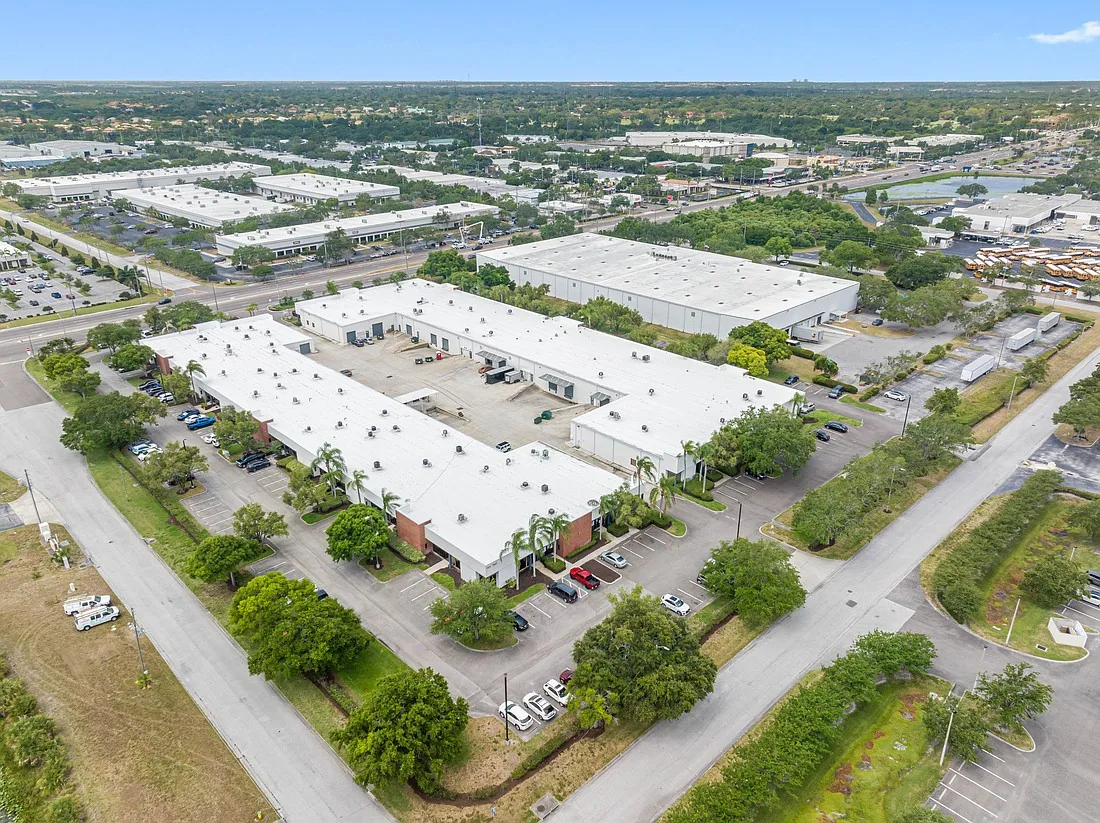
A manager of an occupied apartment building needs to know which roof finding explains a water complaint before approving a repair. Start by separating the room report from the roof defect. Commercial Roofing Overland Park prepares roof condition reports in Overland Park, KS that identify the accessible construction, the location examined and the next action supported by the findings. A photograph of the ceiling is useful information. It is not the work limit for the roof above it.
Downtown Overland Park combines multifamily housing, businesses and civic spaces. Managers there can face shared access and occupied rooms during a roof examination. We discuss the actual building arrangements before the visit. Then we locate the reported water, inspect the accessible roof details and record any area that could not be examined. The report gives you a usable repair decision and keeps unanswered roof questions visible.
Locate the finding before assigning work
Give each defect a location that another person can find. We identify the roof section, nearby construction and the connection being examined. Photos include an orientation view and a closer view of the condition. A close image can show a split without showing which wall it meets. The wider view makes that detail usable for estimating and later checking the repair. Similar-looking curbs or roof elevations need separate locations.
Interior reports also need their own location and timing. We discuss where water appeared and whether the report followed rain, equipment use or another change. That account helps target the examination. It does not confirm a roof entry point. A located leak investigation connects the interior report with accessible roof findings. If that connection remains uncertain, the condition report states the next examination needed before a permanent correction is selected.
Check the assembly around the defect
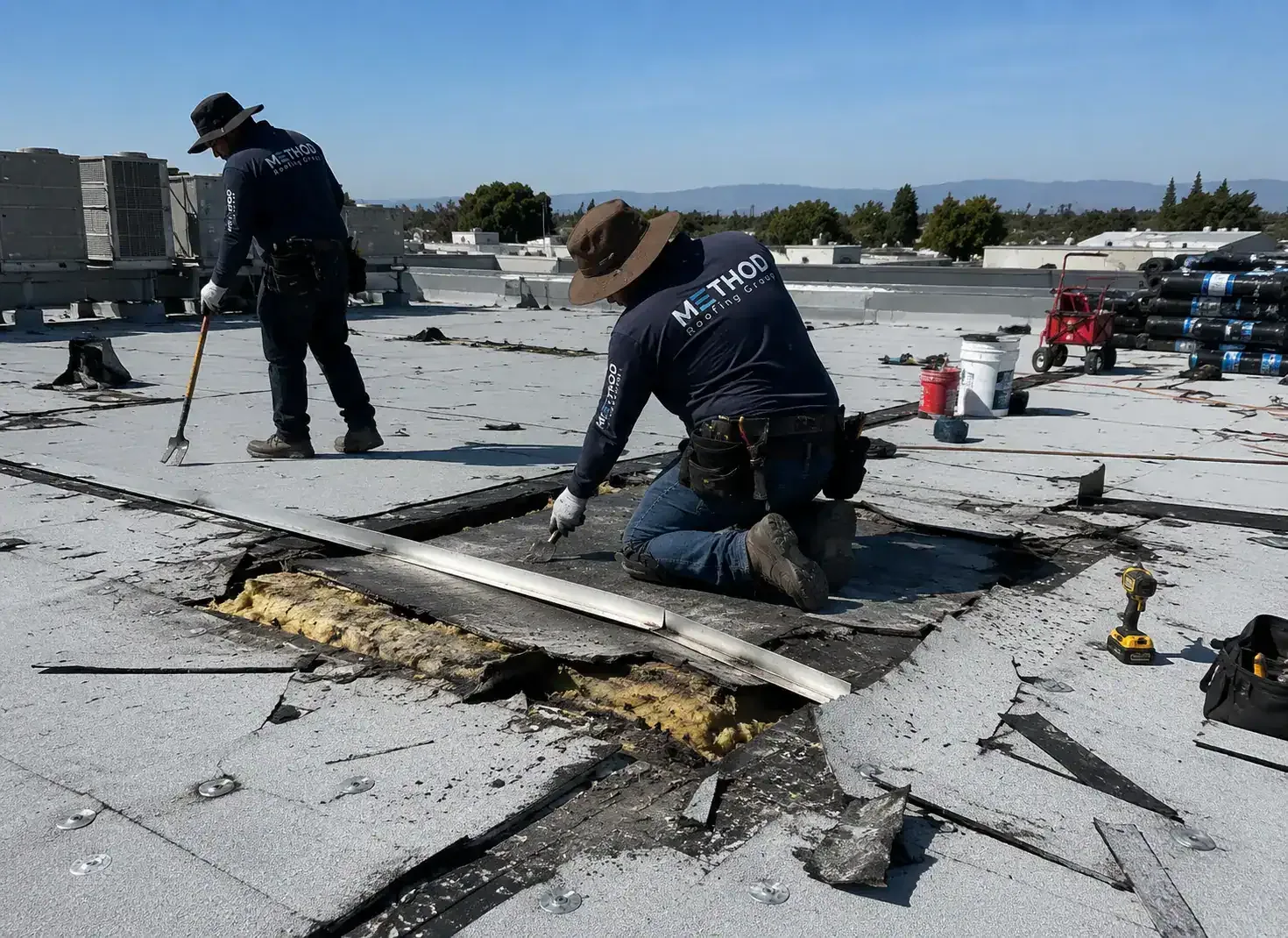
An open flashing needs more than a surface description. We check the accessible connection and the surrounding material that must support its correction. The report identifies visible deterioration, attachment concerns and any preparation question that affects the repair footprint. Concealed layers keep their own status. A sound-looking membrane does not establish dry insulation, and a dry room does not establish that every layer beneath the roof is suitable for retention.
A physical roof inspection can identify accessible conditions and the need for a selective opening. We explain what that opening is intended to establish. Its location belongs with the finding. If deterioration extends beyond the first opening, the removal scope may need to change. The report identifies that possibility without presenting a guessed boundary as measured construction. You can then authorize investigation separately from a repair that is ready to proceed.
Follow the water beyond the inlet
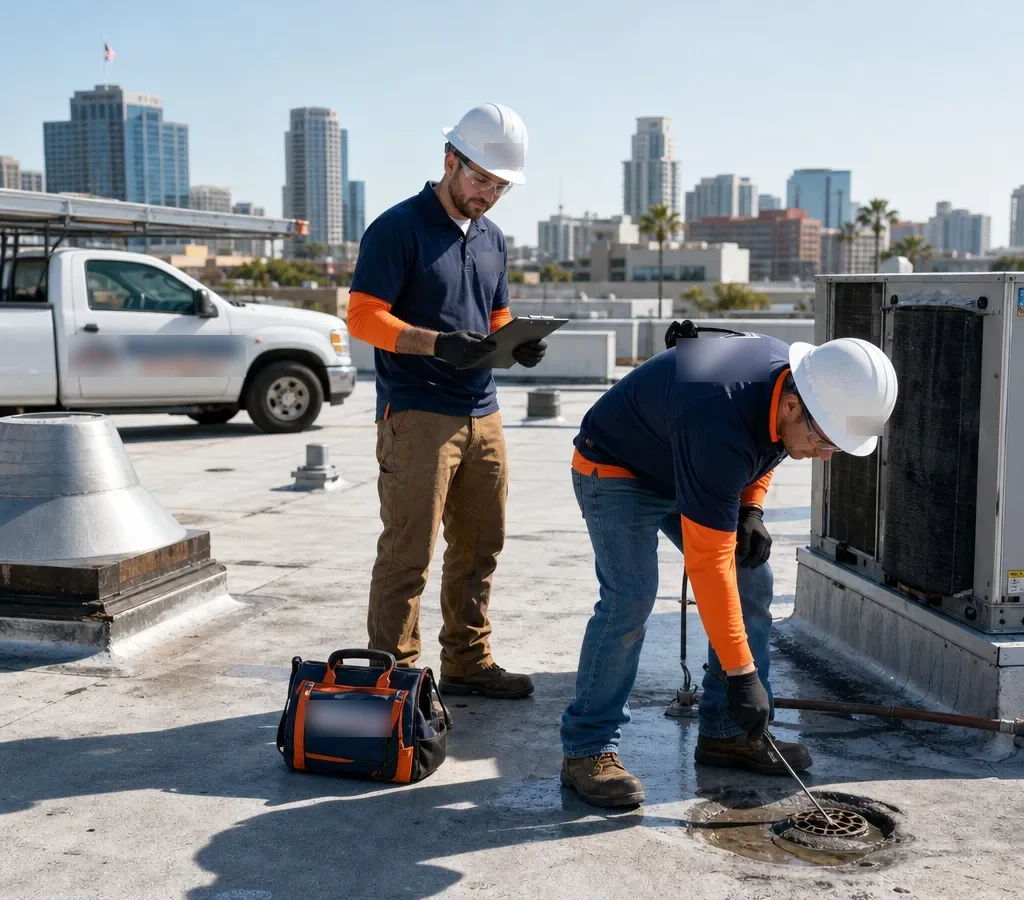
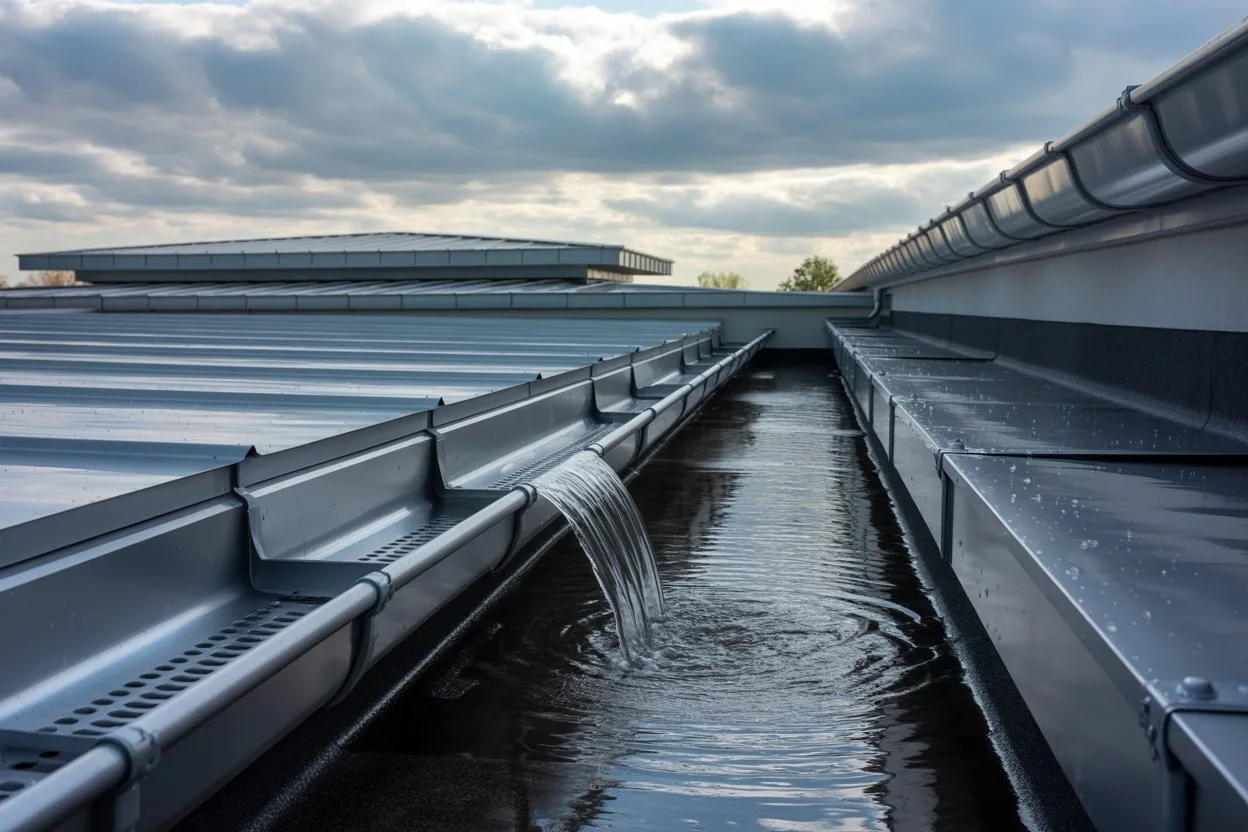
A blocked drain can be a maintenance task. A low roof area with an unsuitable approach can need a different correction. We examine accessible inlets, surrounding slopes and discharge connections. The report distinguishes debris at the opening from a construction or piping question. It also identifies upper roofs that discharge onto lower areas where that relationship can affect a reported problem. Roof sections sharing a water path should not be assessed as unrelated surfaces.
A drainage detail review records the accessible outlet and its roof connection. Concealed piping may require separate assessment. We identify the limitation rather than infer its condition from the inlet alone. If a proposed recover changes the finished roof level, the drain approach and flashing heights need review against that change. The report connects those details with the proposed work so the manager can see why an added layer may require more than covering the existing surface.
Record storm findings without guessing damage
Overland Park has documented hail and tornado events. A May 2000 hailstorm crossed Merriam, Overland Park and Leawood. An EF-1 tornado traveled from Lenexa through Overland Park in June 2022. Those events establish local weather history. We still inspect the particular roof and record what is present. A regional storm record cannot establish a split, displaced edge or wet layer on your building.
We compare accessible damage with previous photos where they are available. Reported timing remains part of the record. The condition report identifies the physical correction needed and any further examination before a cause is settled. Storm-related roof work may also need interim protection while the permanent scope is developed. The report keeps that protective action separate from an accepted repair, including the opening limit and the connection left for completion.
Match the recommendation to the finding
Each recommendation should state the action and its purpose. Clearing debris restores an accessible inlet. Rebuilding flashing changes a waterproofing connection. A selective opening establishes concealed condition. These tasks need different authorization. We explain the result expected from the proposed action and the work that follows if the finding changes. A broad instruction to repair the roof leaves too much of that decision unstated.
A roof capital review can use the established findings to compare a local correction with larger work. The condition report preserves the retained material and unresolved questions behind that comparison. We identify defects needing prompt protection and those suitable for planned follow-up. Priority follows the actual consequence and accessible assembly. It should not rely only on roof age or a condition rating that gives the manager no specific reason to change the work schedule.
Access limits can also change the recommendation. If examination requires taking equipment out of service or entering an occupied room, identify that arrangement before treating the scope as ready. We discuss the work window and the temporary closure needed around any opening. The manager can then arrange the required access with a clear reason for the interruption. The report should state what can be established during that visit and what would still require another examination or a separate trade.
Keep the report useful after the repair
The finished repair needs a link back to the original finding. We record the accepted boundary, material removed and connection completed. Photos of concealed preparation show what the final covering hides. Surrounding retained material remains distinguishable from the rebuilt detail. This lets a later inspection check the accepted work without treating one repaired leak as a new condition assessment for the entire roof.
A roof asset record can retain the report and follow-up work. For roofing above apartments, keep the occupied-use and access arrangements with that history. A future manager may need to repeat the examination without having attended the first visit. We identify the unresolved item, the next inspection needed and the condition that should bring it forward. That makes the report useful after the estimate has been accepted and the original crew has left.
Equipment alterations also need a new entry. A changed curb or added penetration can affect a repaired connection. Record the alteration and the roofing work used to close it. The next examination can then distinguish that change from the earlier accepted correction.
Commercial Roofing Questions
Does an interior stain set the roof repair footprint?
Locate the stain, then examine the roof route. Water movement and concealed layers can put the needed correction outside the area directly above the mark.
Can the report describe inaccessible roof sections?
Identify them as unexamined or limited observations. Arrange the access needed before extending condition findings into those sections.
What should a recommendation explain?
State the work, its purpose and the finding supporting it. Keep investigation and temporary protection separate from a completed permanent correction.
How should completed repairs be added?
Retain the original location and record removal, preparation and accepted closure. Identify adjacent roofing left outside the work.
Related Roofing Work
Schedule the condition check
Ask Commercial Roofing Overland Park to examine the reported problem and establish the repair limits and remaining roof questions.