Emergency Commercial Roof Repair in Overland Park, KS
Home / Commercial Roofing Services / Emergency Commercial Roof Repair
Get a Free Roof Assessment - Call 555-555-5555
What Property Owners Should Know
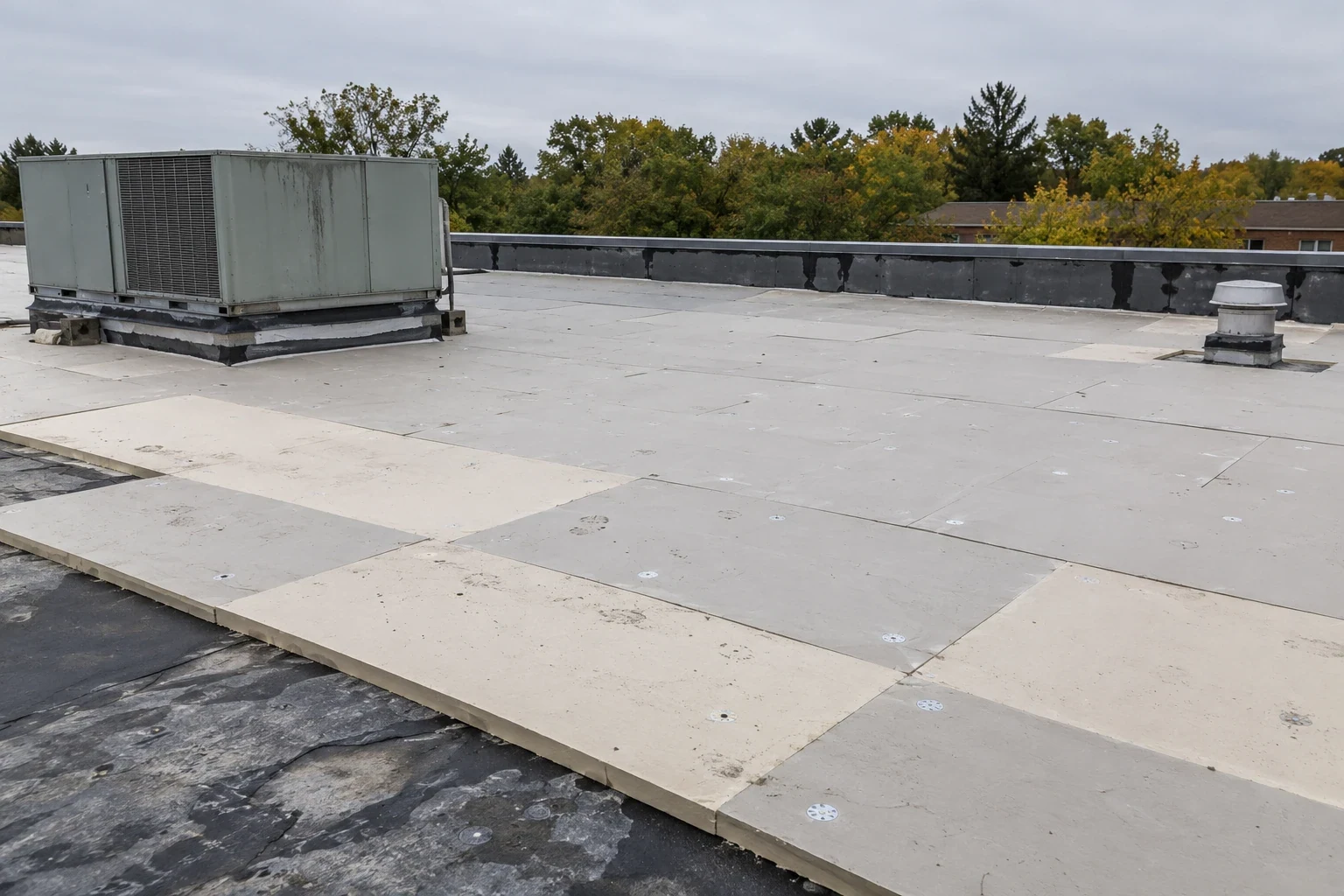
An active leak over electrical equipment needs immediate attention to the occupied space. Keep people clear of the affected equipment and arrange the appropriate electrical response. Then give us the roof access and the location of the water. Emergency commercial roof repair in Overland Park, KS, begins with those practical limits. We respond at night, on weekends and during holidays. Safe access and weather conditions decide what roof work can proceed at that moment.
Downtown Overland Park contains businesses, multifamily housing and civic uses. An urgent roof opening can affect several occupied spaces, even when the damage looks localized from outside. We identify the immediate exposure and arrange temporary protection where feasible. The next step is to establish a permanent repair scope. A response visit should leave the manager with a clear account of what has been stabilized, which areas remain restricted and what further leak investigation is required.
Secure the occupied space first
Water beside lighting, machinery or electrical panels changes the first action. Restrict the affected area and contact the building personnel or licensed trade responsible for those systems. Do not send occupants into ceiling cavities or onto a wet roof to investigate. The roof response needs a safe route, a clear access point and information about hazards below. We use those details to decide how to approach the building.
Interior protection should direct water away from people and sensitive contents where that can be done safely. Uncontrolled water collection can create its own loading and spill problems. We coordinate with the manager on the affected rooms and the immediate restrictions. Mechanical shutdowns, electrical isolation and interior restoration are separate tasks that may need the relevant trade. The roofing work should not obscure those responsibilities.
A damaged roof can also release loose materials. We assess whether access below an edge or near debris must be restricted. Wind, lightning, ice and unstable surfaces can prevent safe roof work. The response plan needs to acknowledge those conditions and identify the next workable step. It is more useful to know the restriction than to expect a crew to begin a hazardous opening that cannot be closed correctly.
Stabilize the roof exposure
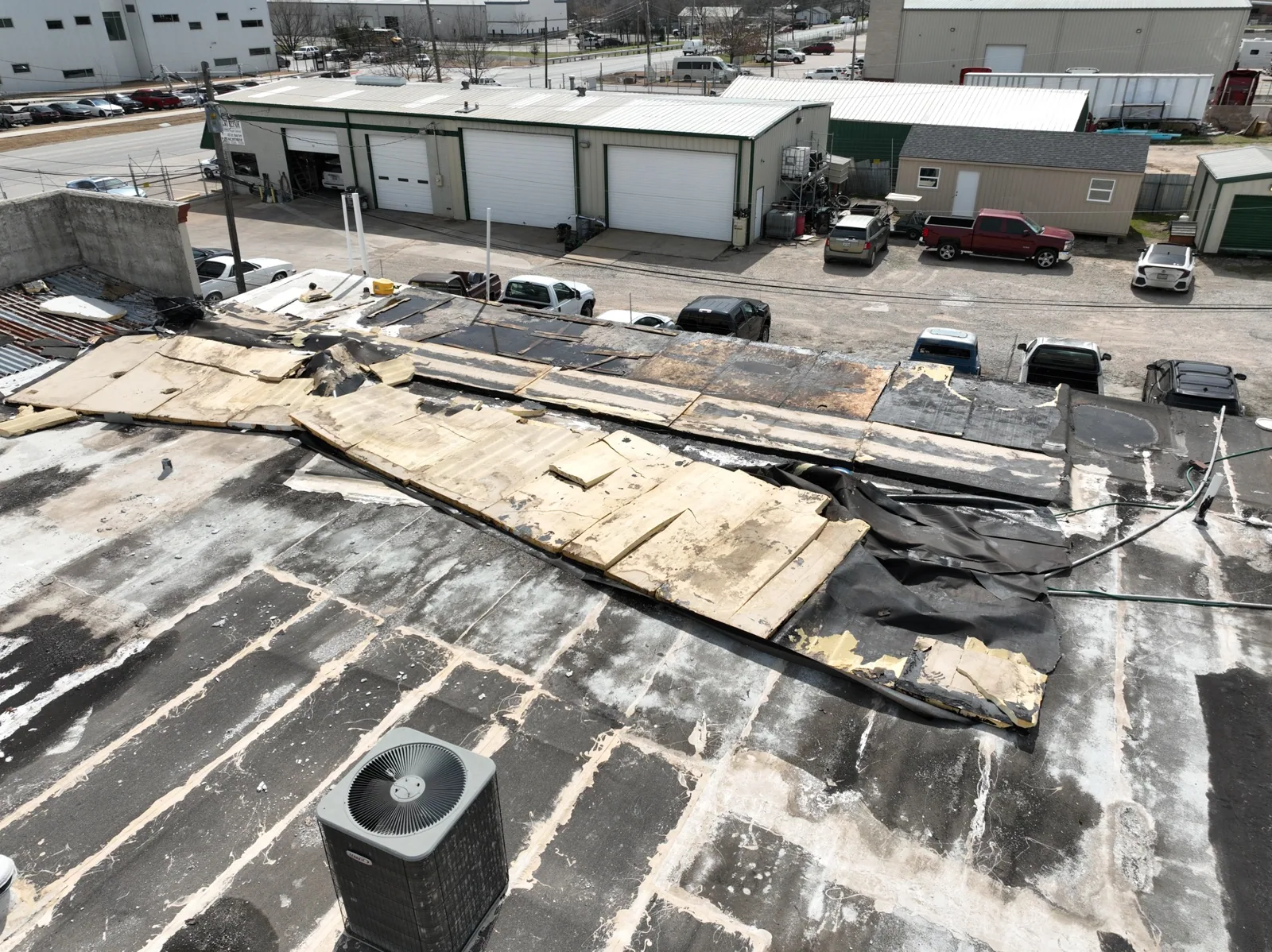
An uplifted membrane or displaced flashing can admit water across a growing area. We inspect the accessible damage and choose a temporary measure suited to the existing assembly. The measure should close the immediate exposure without obstructing drainage or complicating later removal. A damaged perimeter needs particular attention because loose material can continue moving and expose more of the roof.
Overland Park experienced a documented tornado path through the city in June 2022. A historical storm does not describe the condition of your roof, but it makes wind-related details a relevant inspection concern. We check the current attachment, edges and debris impacts after an event. Wind damage repair needs a defined extent rather than an assumption that the visible lifted sheet is the entire problem.
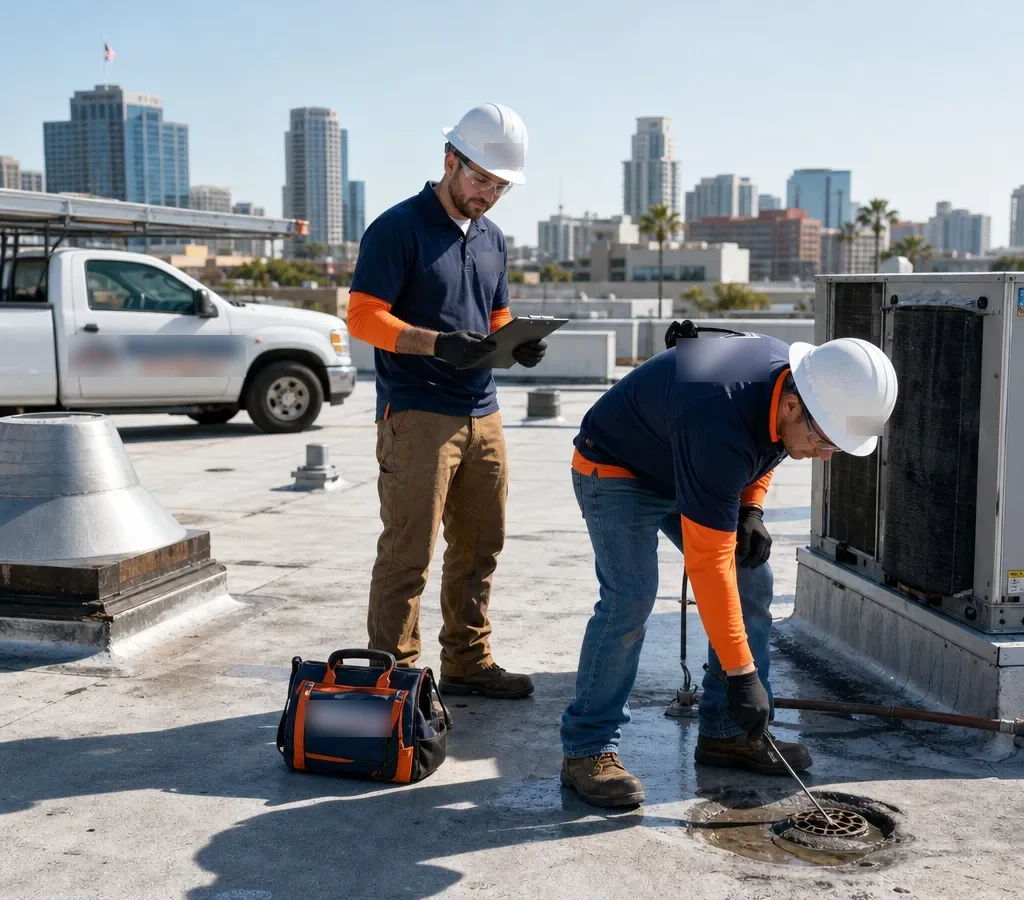
A blocked outlet can turn an emergency leak into a drainage concern. We examine the roof drain path where safe access allows. Clearing debris and restoring a damaged drain connection are different jobs. Standing water may also conceal the surface defect. We identify what can be corrected immediately and what needs a dry, accessible roof for a permanent detail. The temporary closure should be checked against the water route before the crew leaves. We also identify any edge or access restriction that occupants need to keep in place until the damaged area is rebuilt.
Inspect before expanding the opening
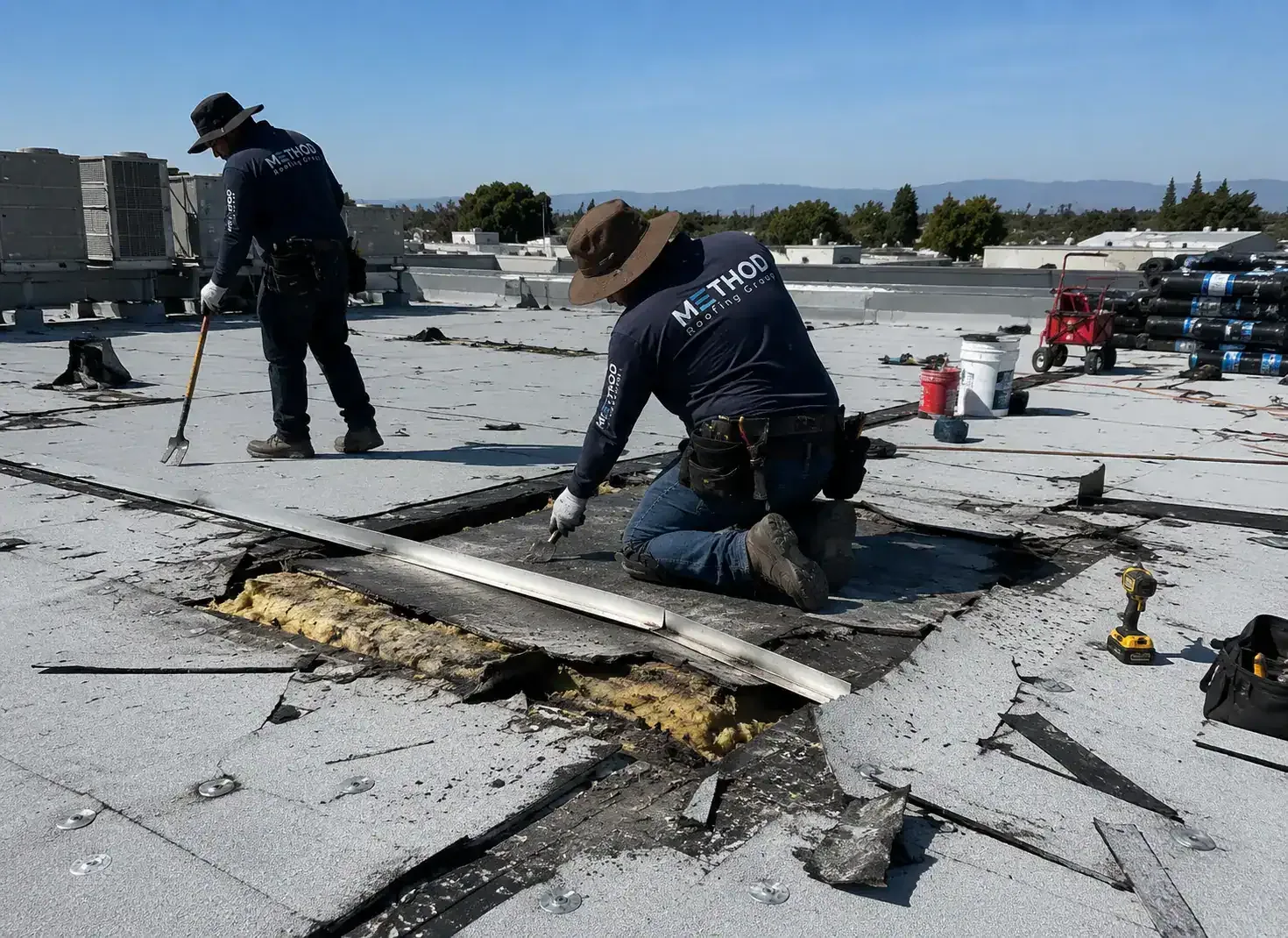
A torn surface can have wet or damaged material beneath it. We evaluate the supporting layers before cutting a larger area open. The available daylight, weather and material requirements affect the opening limit. An urgent response may need to remain a stabilization job until those conditions allow controlled removal. We explain that distinction and the reason it changes the timetable.
Hail has also been documented crossing Overland Park. After a recent impact event, we examine field material, flashing and rooftop components for actual damage. Dents or scattered debris do not establish the condition of every roof layer. A focused post-event roof inspection records the observed findings and separates them from areas that need further checking. Photos should show both the defect and its position on the building.
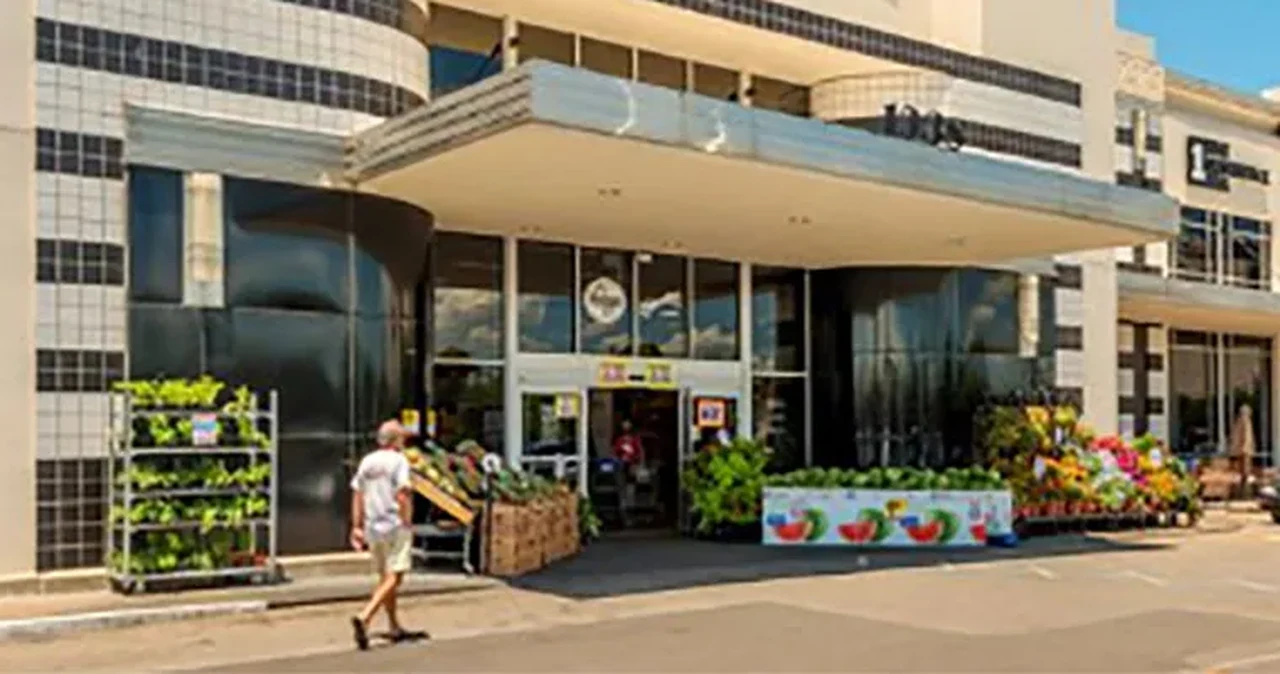
At a shopping center, temporary work may need a protected route past tenant entrances and deliveries. We settle the access arrangement with the manager. Another trade may need to isolate or move equipment before a curb can be repaired. Those restrictions remain relevant during an emergency. A hurried opening beside active equipment can create a second problem if the work sequence has not accounted for the equipment operation.
Separate temporary and permanent work
Temporary protection should come with a description of its limits. We record what was covered, secured or cleared and identify the follow-up needed. Some materials are intended to bridge an urgent exposure rather than complete the final assembly. The permanent work may require cleaning, compatible flashing, wet-area removal or restoration of attachment. The manager needs that scope before treating the emergency response as the final repair.
For hail-related roof defects, the investigation should establish the damaged components and their repairability. For torn membrane, we assess how far the surrounding material remains suitable. Where damage is extensive, replacing a section may be more practical than repeated local patching. We explain the finding that supports the recommendation and identify what remains concealed.
Timing depends on materials, safe access and the weather window. Regional winter cold can restrict application and hide surfaces under snow or ice. Summer heat affects handling and roof conditions in a different way. We choose the permanent method against its material requirements. The urgent visit should produce a next action that the property manager can schedule, with the access limits and information needed to authorize it. That prevents a temporary closure from becoming an unexamined long-term arrangement.
Keep the work record usable
An emergency record should show the damage observed, the immediate action and the remaining work. We provide photos and written findings that can support the building maintenance record or a claim review. Coverage decisions belong to the insurer. Repairs should not be described as approved coverage before that decision exists.
Retail activity along the 135th Street corridor makes tenant notices and delivery access important during urgent work. Tell us which spaces are affected and who can authorize access. We will coordinate the response, define the protection possible at the time and arrange the check that establishes permanent repair limits.
Commercial Roofing Questions
Can you attend a leak during a holiday closure?
Emergency response is available during holidays as well as nights and weekends. Provide the access contact and building restrictions. The roof work still depends on safe conditions and a workable closing method.
Should staff climb up to photograph the damage?
Keep untrained staff off damaged or wet roofing. Interior photos and observations from a safe location can help the response. We inspect the roof when access and conditions permit.
Does emergency protection settle the whole repair?
The first visit may address immediate exposure only. We explain what was stabilized and arrange the investigation or material work needed for a permanent connection.
What should the manager have ready for the call?
Give the affected room, active hazards, access contact and whether roof equipment is involved. Recent photos and previous repair records are helpful when available, but do not delay reporting an active leak.
Related Roofing Work
Set the work limits
Call for urgent roof protection with the affected space and access contact. We will set the safe response limits and the permanent follow-up.