Wind Damage Roof Repair in Overland Park, KS
Home / Roof Damage Repair / Wind Damage Roof Repair
Get a Free Roof Assessment - Call 555-555-5555
What Property Owners Should Know
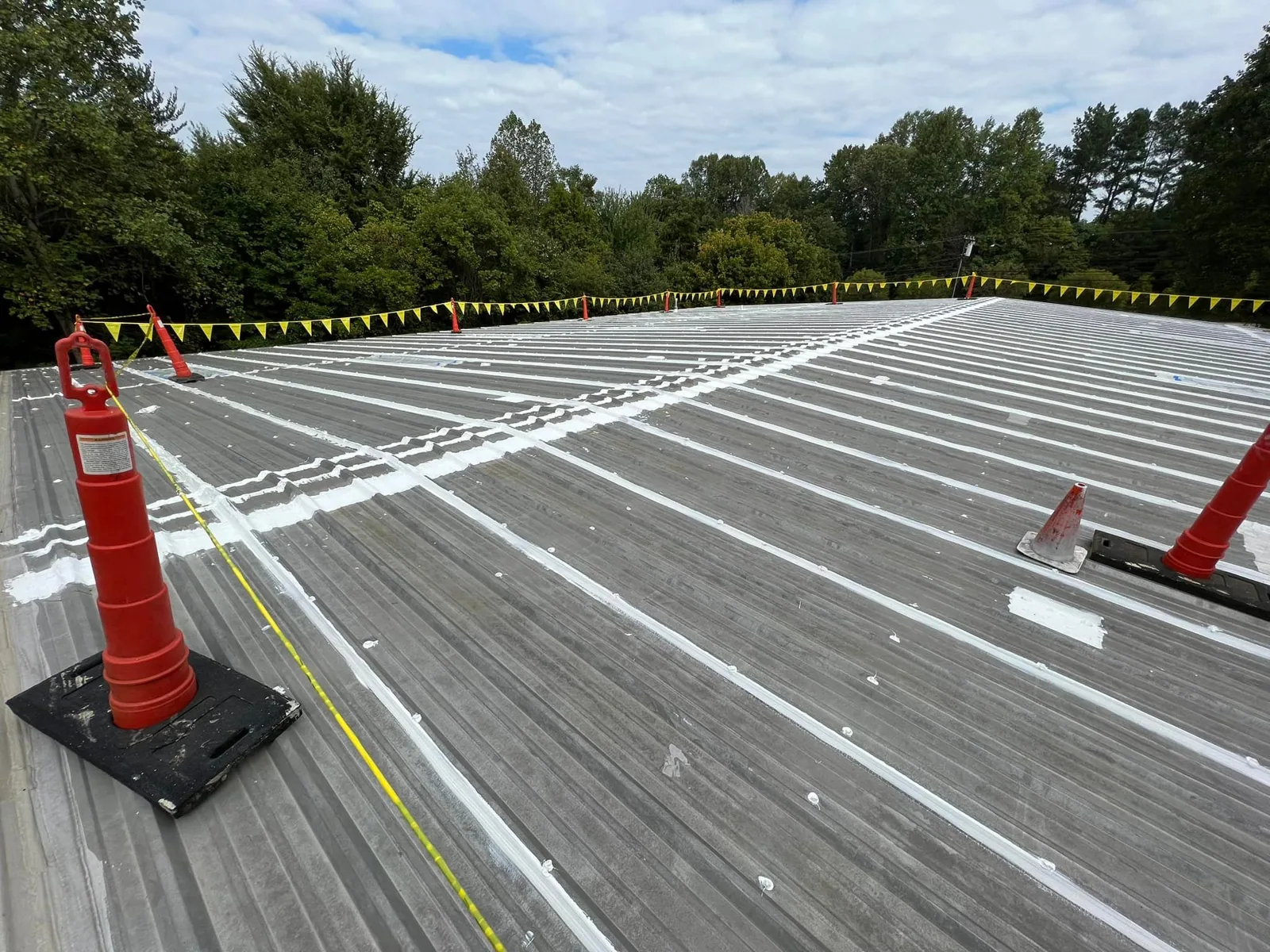
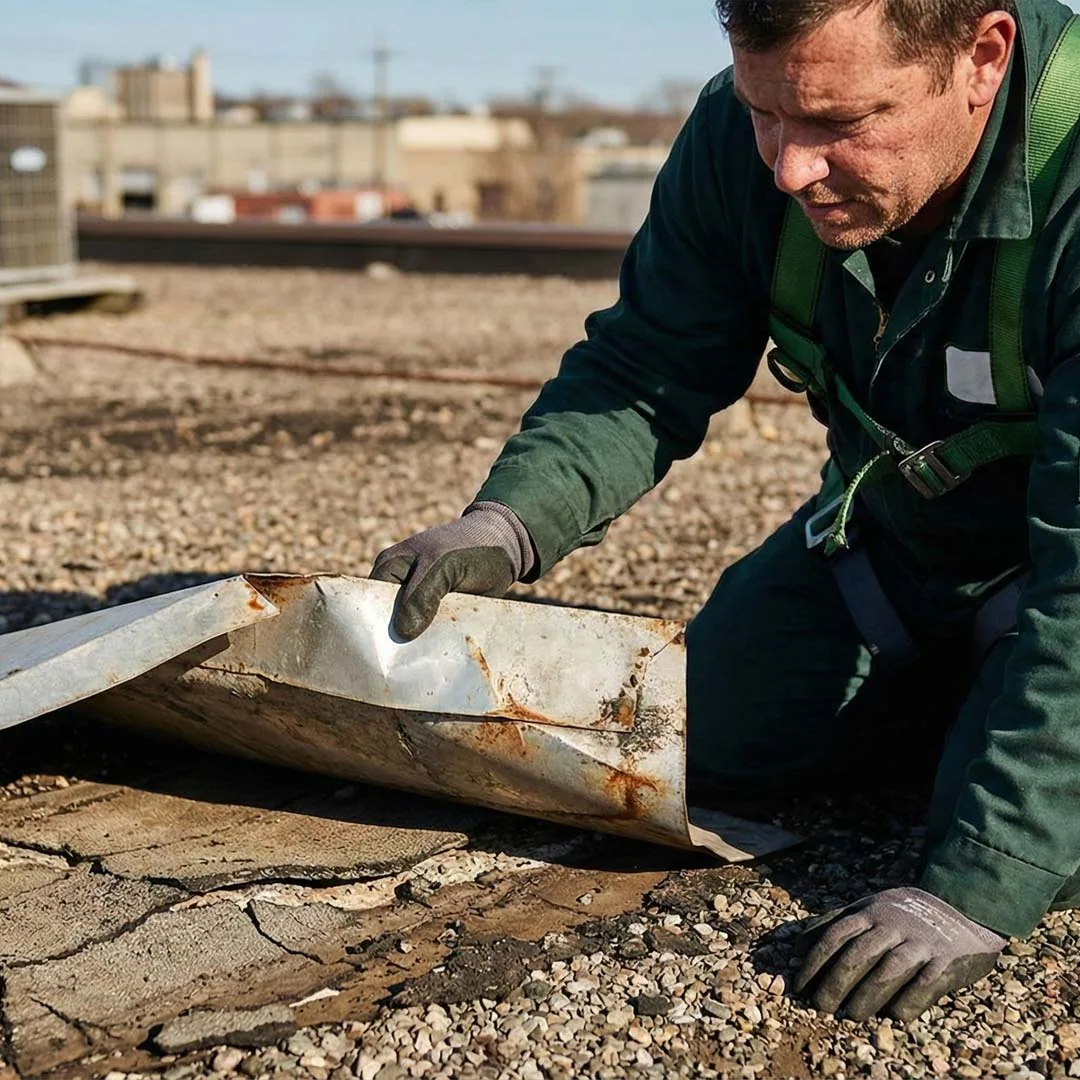
A lifted edge above an active entrance changes the first decision. Keep people clear below it, then set safe roof access before handling loose material. Wind damage roof repair in Overland Park, KS, starts with the exposed assembly and the building schedule. We inspect the membrane, edge metal, flashing and nearby attachments. The immediate scope should identify what needs temporary protection, what can be repaired now and what requires a wider inspection before the roof is opened.
The June 2022 tornado tracked from Lenexa through Overland Park, with the National Weather Service estimating peak winds near 100 mph. That event is local context, not a finding about any current roof. Along the U.S. 69 corridor and near the Metcalf Avenue retail area, access and deliveries can affect how quickly materials reach a work area. We set the opening limit against the actual damage and the occupied use below it. A rapid roof protection response can address an active exposure while a permanent repair is scoped.
Secure the exposed area
A loose sheet, displaced coping or open lap can keep moving after the wind has passed. We first inspect from a safe position and mark components that could detach or admit water. The ground area below may need a temporary restriction while the roof is assessed. We identify whether a temporary cover can be attached without increasing damage to the membrane or edge. A quick measure must account for wind at the time of installation and the forecast work window.
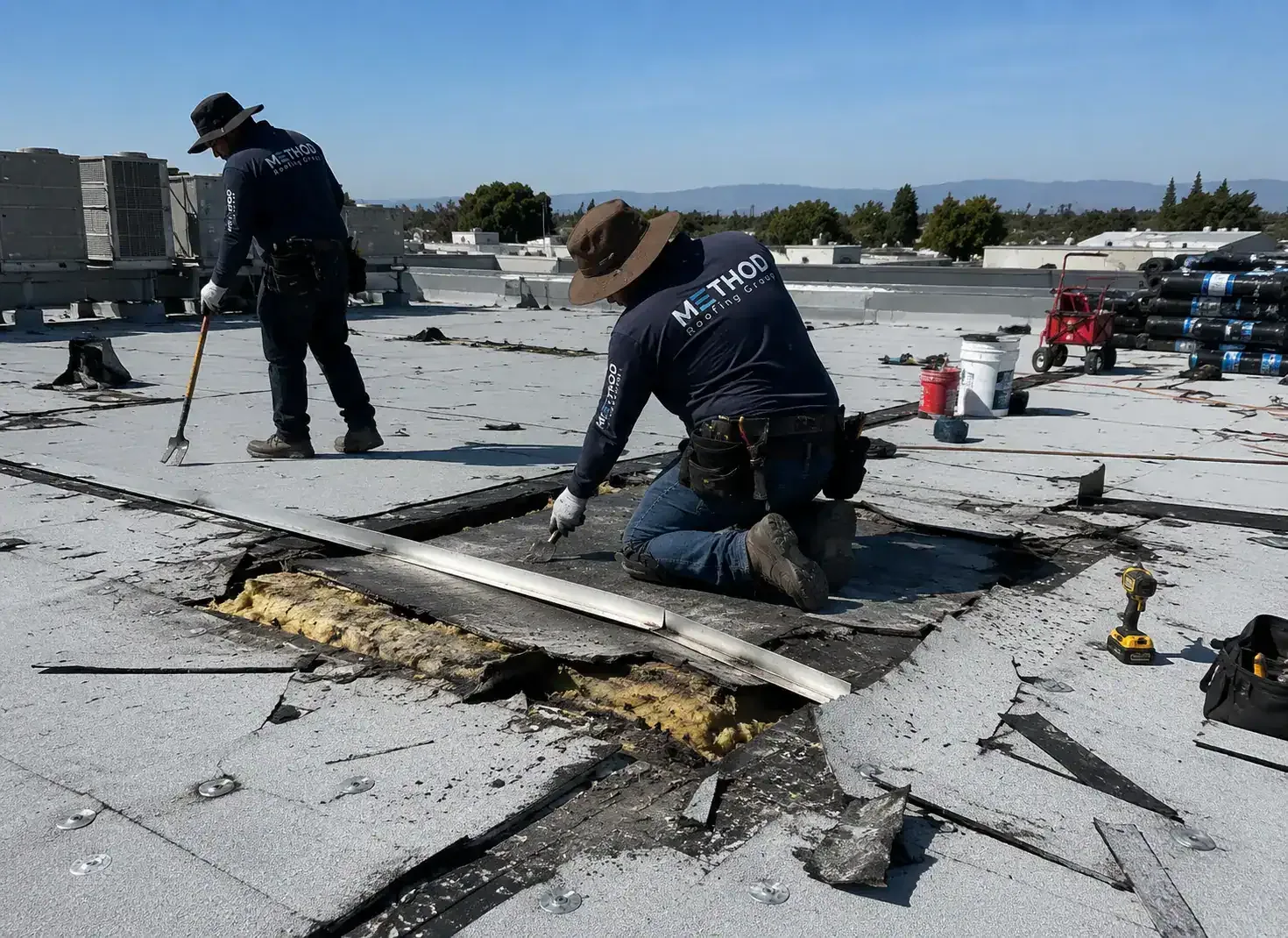
At an occupied office or retail property, the manager also needs a clear entry and delivery plan. We coordinate roof access, staging and the daily closure point before opening the assembly. That work sequence can limit disruption below and keep tools away from rooftop equipment. The occupied-building work plan helps define which areas remain in use and when access must be restricted. We record the temporary action separately from permanent repairs so the next authorization has a defined scope. If wind also breaks a lap, open seam repair may need to follow after the area is secured. We keep the affected roof area closed at the end of each shift and confirm the next day's access before leaving the site.
Trace the wind path
Wind can affect more than the spot where a piece of roofing is missing. We inspect corners, perimeters, penetrations and transitions for lifted material, loose fasteners or a broken bond. The pattern helps identify where to extend the inspection. We check whether the roof field remains attached and whether edge metal still holds the membrane termination. A visible flap is one observation. It does not by itself establish how much of the assembly has lost attachment.
Overland Park connects to I-35, I-435, I-635 and U.S. 69. Those routes support a mix of corporate offices, healthcare companies and retail properties described by local business sources. Their roof systems and operating needs differ. A work area over a medical office may need a more controlled sequence than an open warehouse bay. We map each damaged component to the use beneath it and identify any trade coordination that changes the repair. A roof condition inspection can extend beyond the visible opening when the attachment pattern warrants it.
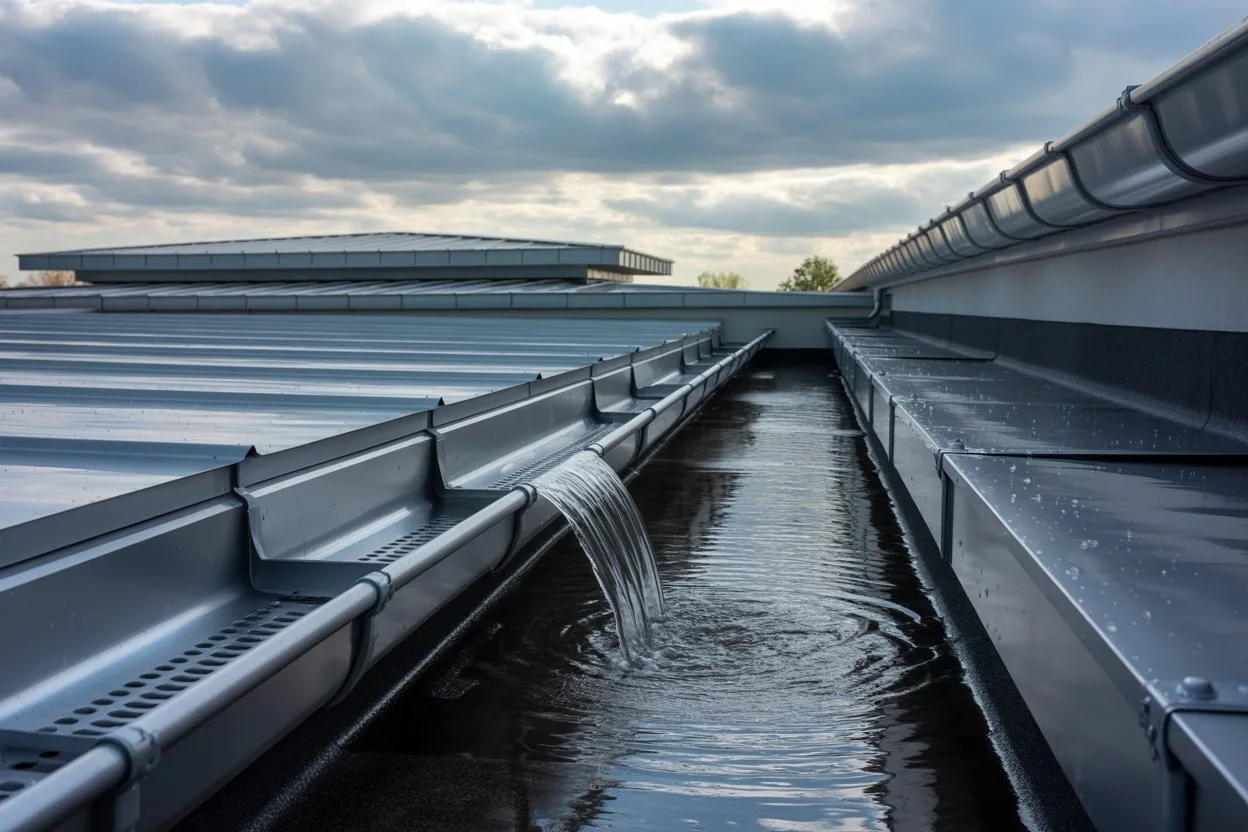
Runoff adds a second check after a storm. Loose fragments can collect at a drain or scupper and keep water on the roof, increasing pressure on an already damaged seam. We clear and inspect the route without treating a blocked outlet as proof of membrane damage. Where water has reached a drain connection, we can inspect the drain and scupper transition with the affected field. A complete record ties each finding to its location and the repair it supports.
Set the repair footprint
A permanent repair needs sound material at its connection. We remove loose or contaminated roofing only as far as the observed condition requires, then inspect the exposed layers. Wet or compressed insulation can change the footprint because a new membrane needs stable support. If the roof deck or attachment below is affected, the correction may require additional work. We explain that boundary before removal continues. The estimate should distinguish known damage from concealed conditions that need approval if found.
Edge systems need their own review. Coping, fascia and termination bars must remain secure and connect to the roof assembly as intended. Replacing a short membrane patch while leaving a loose edge unresolved can preserve the path for further movement. We inspect the adjacent detail and note whether fasteners, metal sections or substrate need correction. Where panel movement or a metal roof connection is involved, the repair has to respect the existing system. The right correction follows the material present, not one standard wind-damage detail.
Plan for weather and use
Regional Kansas City January normals show cold overnight conditions, while summer normal highs rise into the upper eighties. These regional readings do not describe a particular roof surface, but they matter when selecting adhesives, sealants and temporary protection. We check the product requirements against the forecast and the roof conditions. If the available work window cannot support a permanent bond, we establish a safe temporary closure and return when installation conditions fit the material.
Retail activity along Metcalf Avenue and office development near 95th Street create different access patterns. Deliveries, tenant entries, service routes and roof equipment all affect staging. We agree on clear access, the opening limit and the daily closure before work starts. If a damaged curb or penetration needs reconstruction, we review the penetration and curb flashing detail as part of the work. The manager receives a practical sequence for moving crews and material without leaving an exposed edge at the end of the shift.
Close and record the repair
After installation, we inspect the repaired connection, perimeter and nearby drain path. We remove temporary protection only when the permanent detail is ready to carry the exposure. Photos show the repair footprint and any conditions left outside the approved work. A documented June 2022 tornado in this market makes storm readiness useful, but a record of that event cannot replace a property inspection. We base the closeout on what was observed and corrected at this building.
When hail, wind and interior water reports overlap, we separate the findings by component. A hail impact inspection can account for a different type of surface and seam damage. A roof damage record for an insurance review can include dated photographs, inspection notes and a roofing scope. Coverage remains a decision under the policy. We can also set a follow-up inspection where the roof field or attachments need monitoring. The next visit should answer a defined question, such as whether a repaired termination remains secure after weather, instead of repeating an undirected roof walk.
Commercial Roofing Questions
Should loose roofing be pulled down before inspection?
Leave unstable material alone until the area can be reached safely. We assess the attachment and the conditions below, then decide whether the piece can be secured or needs temporary protection.
Does a torn edge mean the whole roof needs replacement?
The surrounding attachment and membrane condition settle that question. We inspect beyond the tear and identify whether a local repair reaches sound material or a larger scope is supported.
Can work proceed while tenants remain in the building?
Yes, when access, noise and the opening limit can be controlled. We agree on entries, staging and the daily closing point with the manager before the repair begins.
What should the report include after a wind event?
It should show inspected areas, observed damage, temporary measures and the permanent work proposed. We include photos and note conditions that still need access or further investigation.
Related Roofing Work
Set the opening limit
Schedule a roof check with the event date, interior leak locations and site access limits. We will inspect the attachment, define temporary protection and set the permanent repair footprint.