
Commercial Hail Damage Roof Repair in Overland Park, KS
Home / Roof Damage Repair / Commercial Hail Damage Roof Repair
Get a Free Roof Assessment - Call 555-555-5555
What Property Owners Should Know
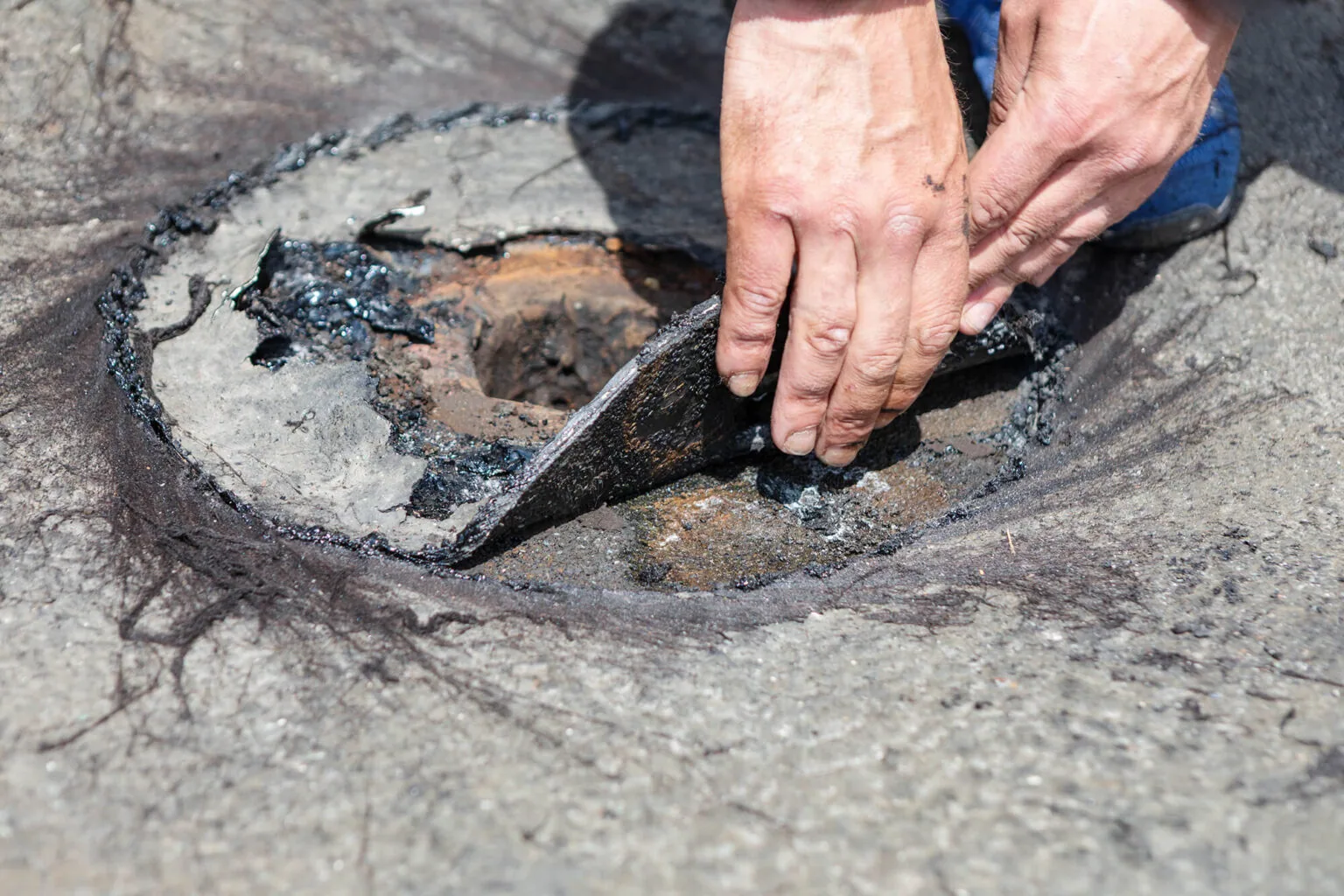
After hail passes, the roof needs an impact check before a repair scope is set. We inspect exposed membrane, metal edges and rooftop details, then compare marks with the roof's existing wear. Hail damage roof repair in Overland Park, KS, depends on the material and the condition beneath each impact. A dent, scuff or surface mark can have different implications. We document what is visible and identify where closer testing is needed.
A May 2000 storm crossed Overland Park along with nearby Merriam and Leawood. The Johnson County record lists hail up to 1.5 inches. That history establishes regional exposure, not damage at a current building. Corporate offices and retail properties near 95th Street and Metcalf have different access and operating limits during inspection. We coordinate a work window that protects tenants and keeps roof equipment accessible. A commercial roof inspection can establish the present condition before repair decisions are made.
Map the impact pattern
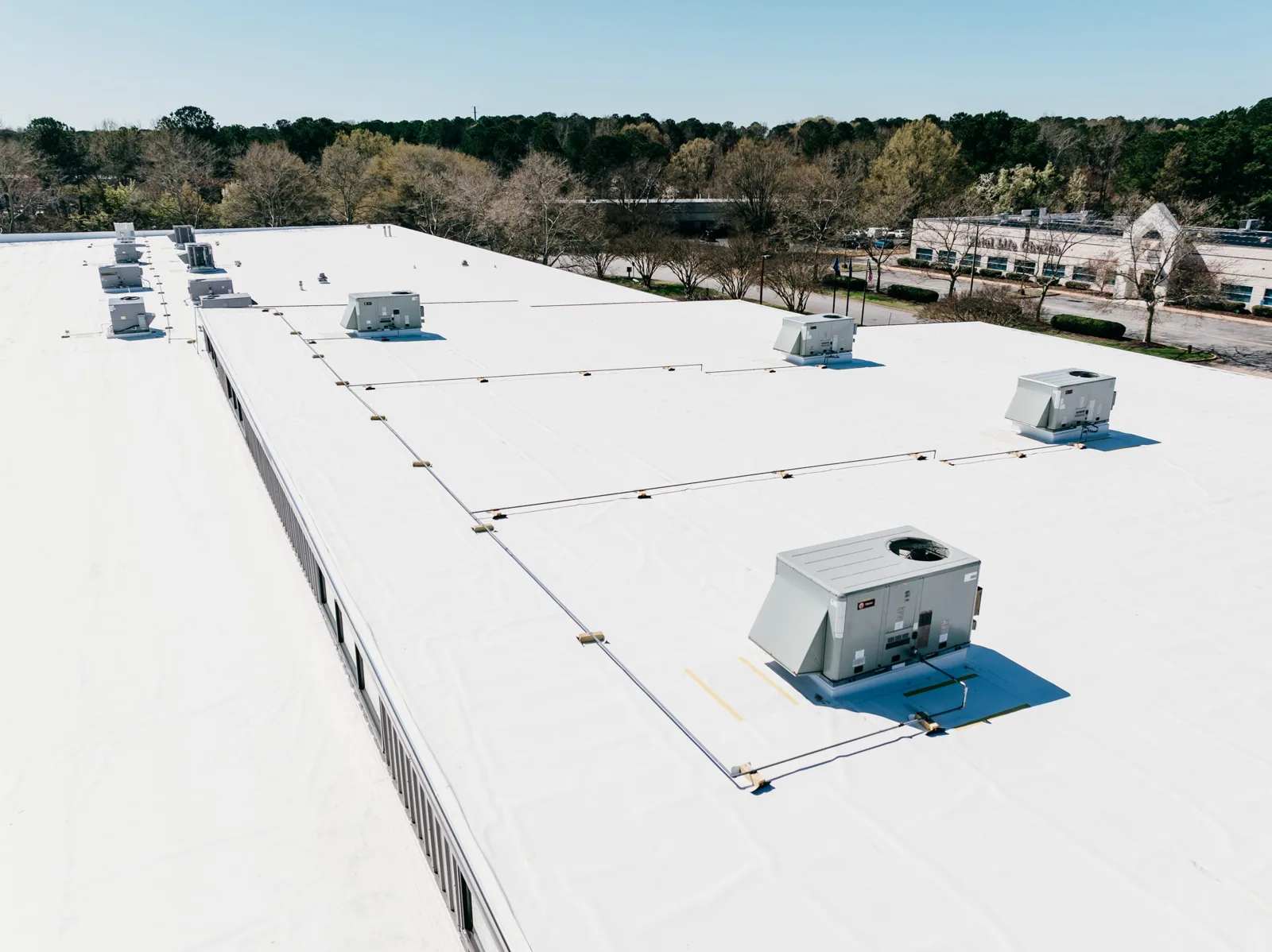
We begin with a roof plan or a marked route so each observed impact has a location. The pattern can help distinguish a broad weather exposure from isolated damage caused by traffic or maintenance. We inspect field sheets, corners, penetrations, curbs and edge metal. A surface mark may need closer review if it cuts a membrane, exposes reinforcement or opens a seam. We record representative examples and identify areas that could not be accessed safely.
At the same visit, we check for loose debris in drains and scuppers. Hail can move debris or displace components, and runoff should remain open while the roof is being assessed. We inspect the route toward each outlet without treating a blocked drain as proof of hail damage. A drainage check can be listed separately when the outlet needs work. This gives the manager a component-based record rather than one general note that the entire roof was affected.
Judge each roof surface
Membranes show impact differently from metal panels or surfaced bituminous roofs. We look for cuts, punctures, fractured surfacing, displaced granules and damage at reinforced transitions. We check whether an indentation is cosmetic or has changed a seam, coating or protective layer. Age and prior repairs can affect what the surface shows. We note the roof material before describing an impact so the observation is tied to the assembly in front of us.
Color variation and older repairs can make a mark difficult to interpret. We compare the surface around it, check edges and seams, and record the location so the finding can be revisited. A close photograph helps show scale, while a wider image shows whether the mark sits near a curb or drainage path. We describe uncertain observations carefully and identify the next test needed to settle them. That gives a property manager a useful repair basis without treating every visible mark as a failed membrane.
Hail can strike curbs, vents and rooftop equipment supports as well as the open field. We inspect the membrane connection around those objects and mark any displaced flashing. The May 2000 event included Overland Park, Merriam and Leawood. If a building has only a few affected details, a localized flashing correction may fit. Where the membrane has a puncture, a puncture repair scope should include any confirmed wet insulation beneath it.
Confirm concealed damage
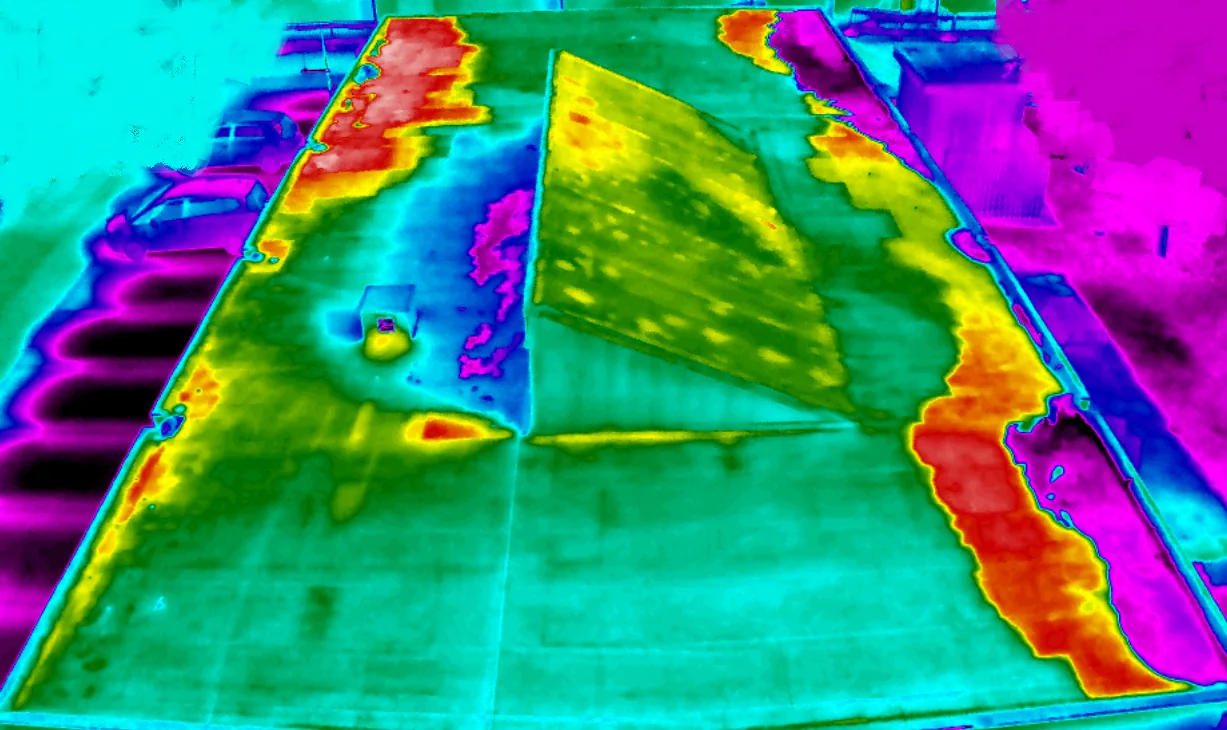
A surface inspection cannot show every layer beneath a roof sheet. We use suitable testing or an authorized opening when concealed moisture or substrate condition would change the repair. We mark the area examined and the method used. Infrared patterns may direct additional testing, but a thermal difference is not the same as confirmed wet insulation. The report should state which findings are confirmed, which areas remain concealed and what additional access would settle the question.
Regional July heat and rain can affect when a repair can be prepared and closed. We check surface condition, weather and product requirements before choosing a work date. If the impact has opened the roof, temporary protection may be needed while a fuller assessment is arranged. The moisture survey process can help target concealed areas when appropriate. We state whether the requested scope includes confirmation testing, removal or only a surface repair so the manager can approve the correct work.
Separate roof work from claim review
We record the date of inspection, accessible sections, photographs and observed conditions. The repair description should identify the affected component, its location and the proposed correction. Previous maintenance records can help compare the roof's condition before and after a storm, if their dates and coverage are clear. We separate unrelated wear and earlier defects from impacts that are supported by current observations.
A roof estimate describes construction work. It does not determine policy coverage or payment. We can prepare roof claim documentation with photographs and a defined repair scope for a review. The property manager should keep the inspection, temporary protection and permanent repair records together. If wind has also displaced edge metal, a separate wind damage inspection can identify the attachment condition without merging it into the hail finding.
Photos should include roof context, close views of each marked detail and any interior effect the manager reported. We label areas inspected and note access limits. If testing is recommended, the record says what it would confirm and which part of the estimate depends on that answer. A reviewer can then distinguish a repair that is ready to schedule from an open question. That record also helps maintenance staff track the same location after the work is closed.
Repair only the verified footprint
When a repair is supported, we remove damaged or contaminated material as required and connect compatible roofing to sound material. Wet insulation, an open seam or a loose edge can change the work boundary. We identify those conditions before the opening expands and show how the new detail will reconnect to the existing assembly. If the roof has a coating or old patch at the impact, its bond condition also matters to preparation. We verify the connection before removing any temporary cover or reopening the work area to traffic.
The 95th Street and Metcalf area includes corporate office development and retail activity. We plan material staging, equipment access and daily closure with the building manager. At closeout, photographs show the repaired points and any condition outside the approved scope. If broader deterioration is present, we explain the evidence and alternatives. A localized repair and a roof replacement are different decisions. Each should follow the documented roof condition and the building's operating needs.
Commercial Roofing Questions
Can a dent in metal roofing cause a leak?
The dent alone does not answer that. We check the panel, seams, fasteners and sealant for a broken connection or opening, then document what needs repair.
Do hail marks prove that a membrane must be replaced?
We inspect whether the impact cut or weakened the membrane and whether adjacent layers remain sound. Replacement follows the extent and condition found, not the storm report by itself.
Should we wait for an insurance adjuster before protecting an opening?
An active opening may need safe temporary protection while records are preserved. We document the condition and temporary work, then prepare the permanent roofing scope separately.
What photographs help document hail damage?
Use dated images that show each detail and its roof context. We can add close views, marked locations and notes on the material, access and repair proposed.
Related Roofing Work
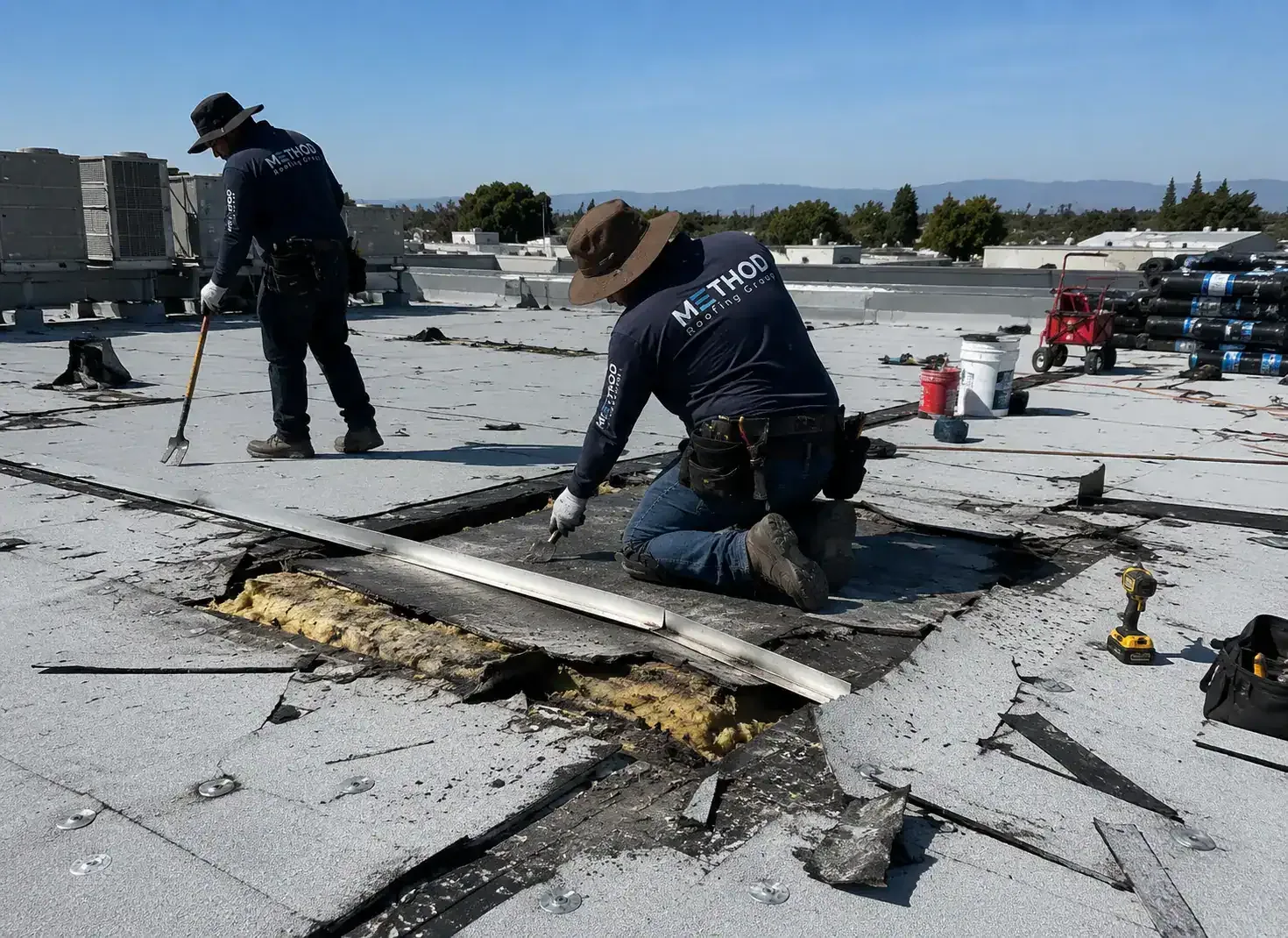
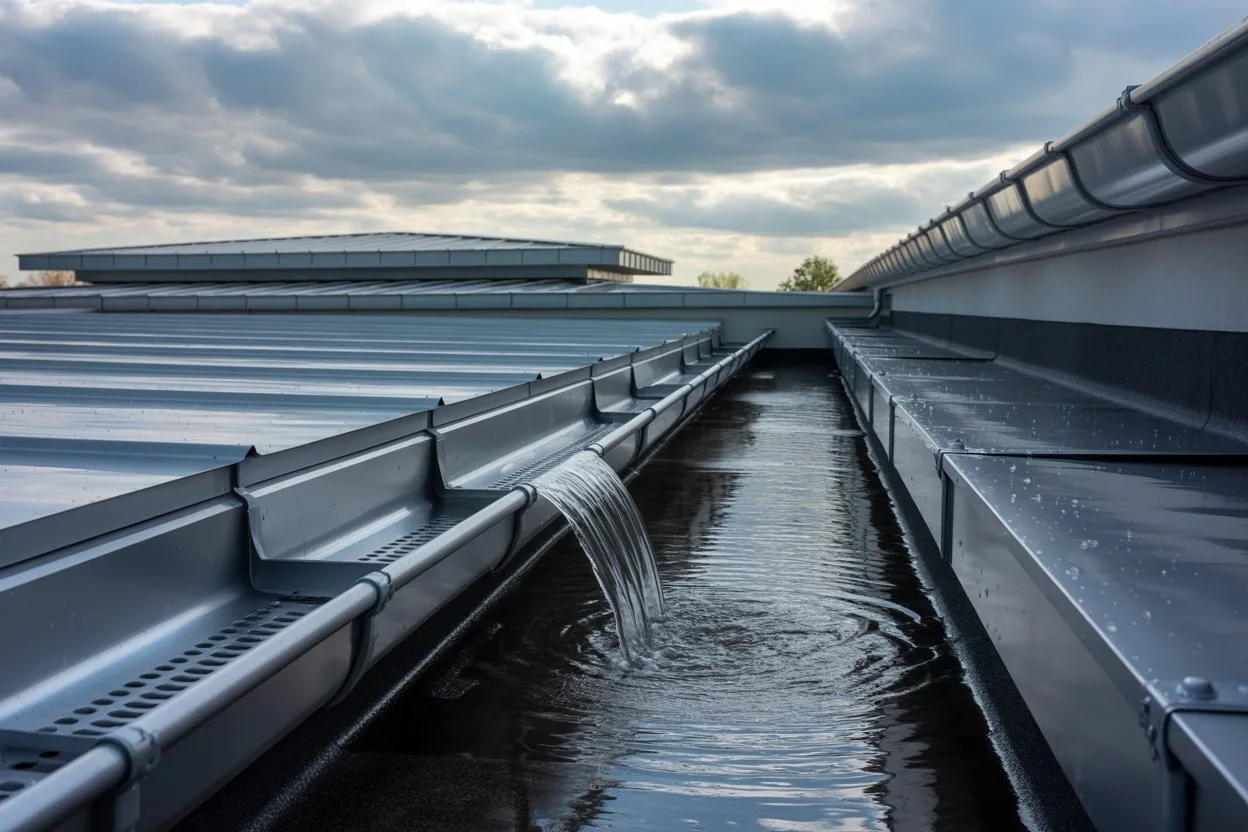
Document the impact area
Schedule a hail inspection with the event date, roof plan, prior photos and access limits. We will map visible impacts and define any testing or repair needed.