Roof Drain and Scupper Repair in Overland Park, KS
Home / Commercial Roofing Services / Roof Drain and Scupper Repair
Get a Free Roof Assessment - Call 555-555-5555
What Property Owners Should Know
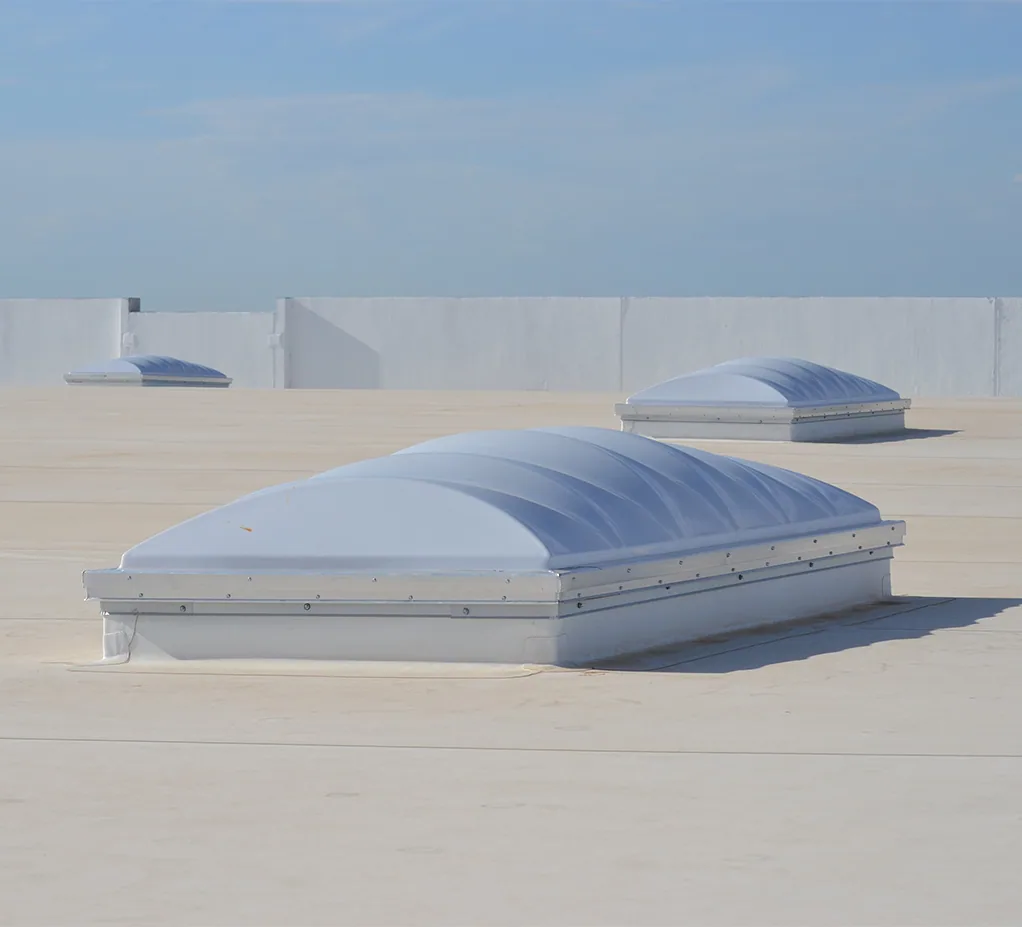
Water backed up beside a drain changes the repair priority. Check the outlet and its approach before adding another patch to the nearby membrane. Roof drain and scupper repair in Overland Park, KS, begins with the cause of the restricted water path. Debris, a damaged connection and unsuitable roof elevations are different conditions. We inspect them separately and explain the work each one needs. Clearing an outlet may restore drainage without correcting a leaking detail beside it.
Retail properties along 119th Street and mixed uses in Downtown Overland Park need that distinction. An occupied room below the drain can be affected by both stored water and a failed connection. We review the roof layout and building access before opening the assembly. A drain-area leak investigation helps establish the entry path where interior water is active. The permanent scope should address the outlet, supporting material and surrounding roof transition together.
Trace the route to each outlet
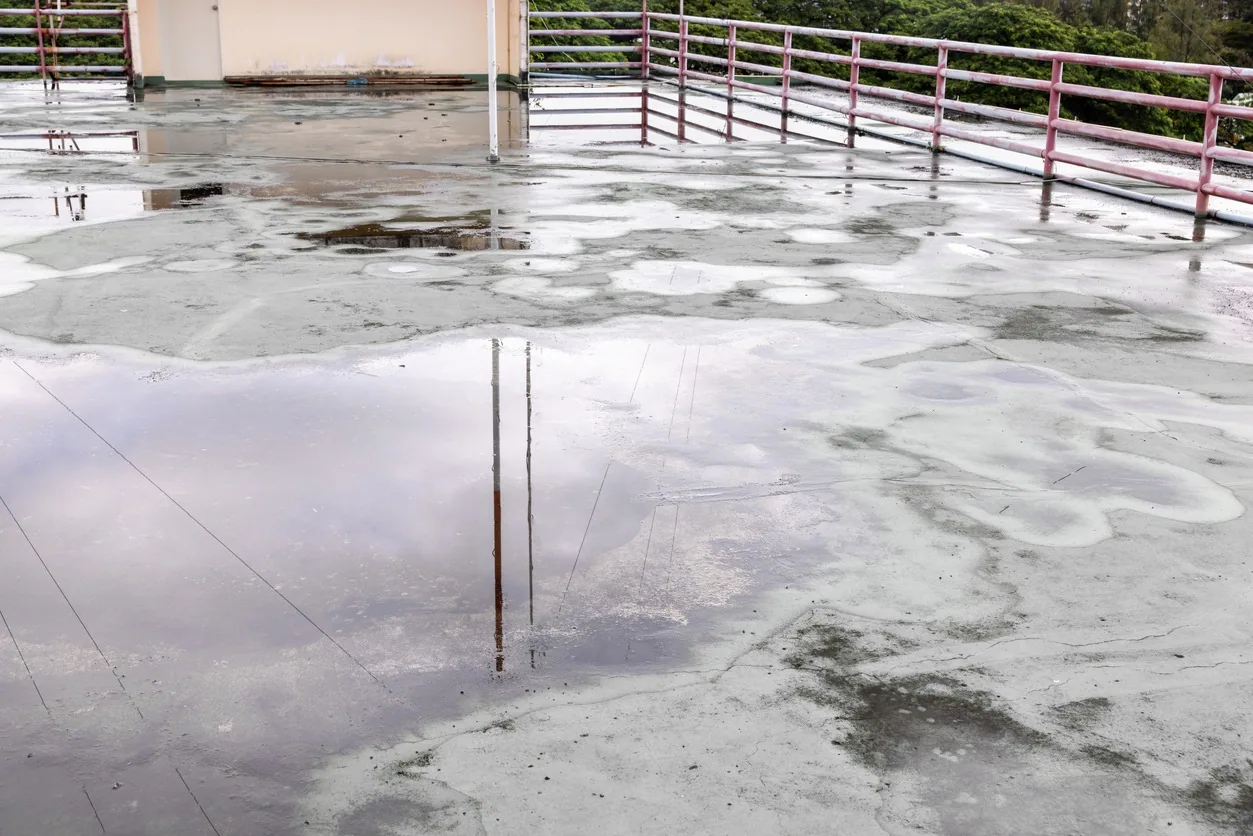
Debris at an inlet is a visible restriction, but the approach also matters. We examine the path water takes from the roof field to the drain or scupper. Raised repairs, equipment supports or uneven insulation can interrupt it. Standing water may result from blockage, geometry or both. The inspection should identify which condition is present before a repair method is selected.
A drain sump needs a workable transition into the inlet. New insulation can raise the field while an existing drain remains lower. The slope and connection through that transition must remain suitable for the assembly. A drain that has been raised improperly presents a different concern. We review actual elevations rather than assuming every puddle has the same cause. Ponding-water correction may require changes beyond clearing an obstruction.
The route can cross several roof sections or converge near equipment. We check the accessible layout and identify areas where a more detailed slope assessment is needed. Tapered insulation may help when included in a properly designed construction scope. It should not be proposed without considering curb heights, outlet elevations and the supporting assembly. The manager needs an explanation of where water is being directed and how the proposed correction preserves the rest of the roof details.
Inspect the membrane connection
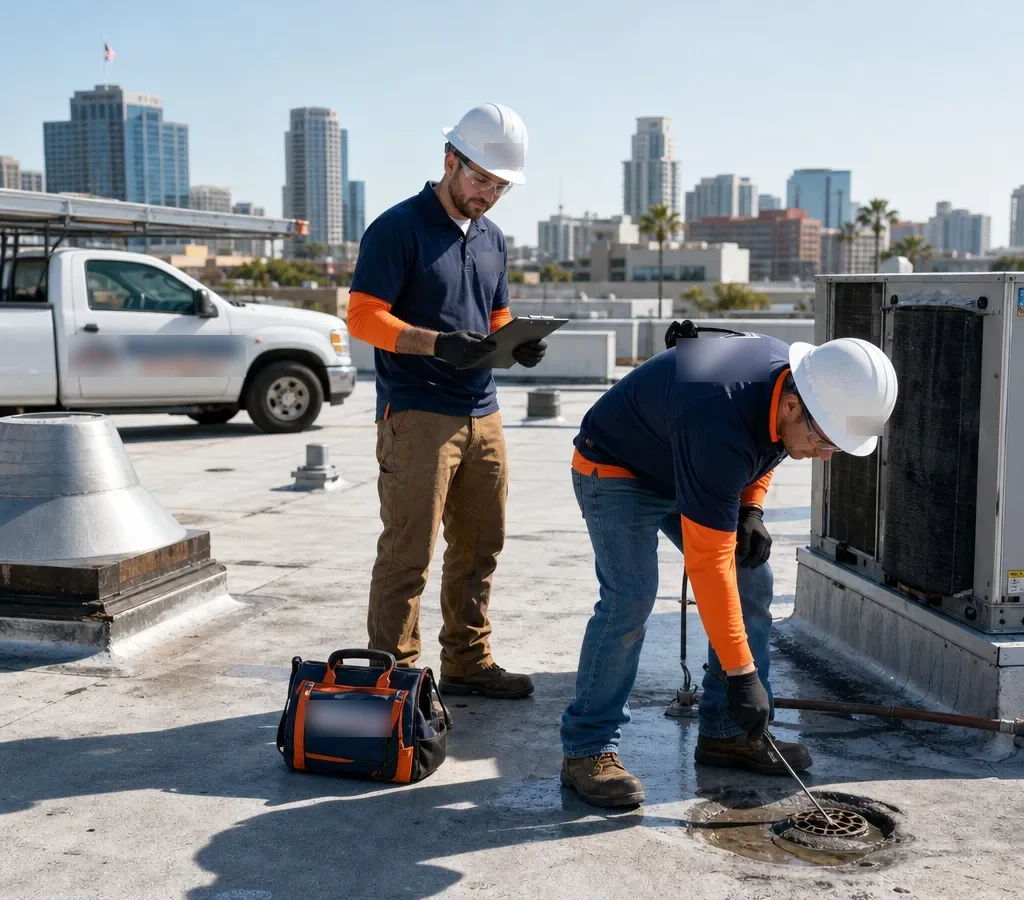
A roof drain joins the waterproofing assembly to the outlet. We inspect the visible flange, clamping components and surrounding membrane where accessible. Damaged or incompatible material at that connection can admit water even if the piping carries flow normally. The permanent repair may require removing the failed detail, preparing a sound connection and replacing affected roofing material around it.
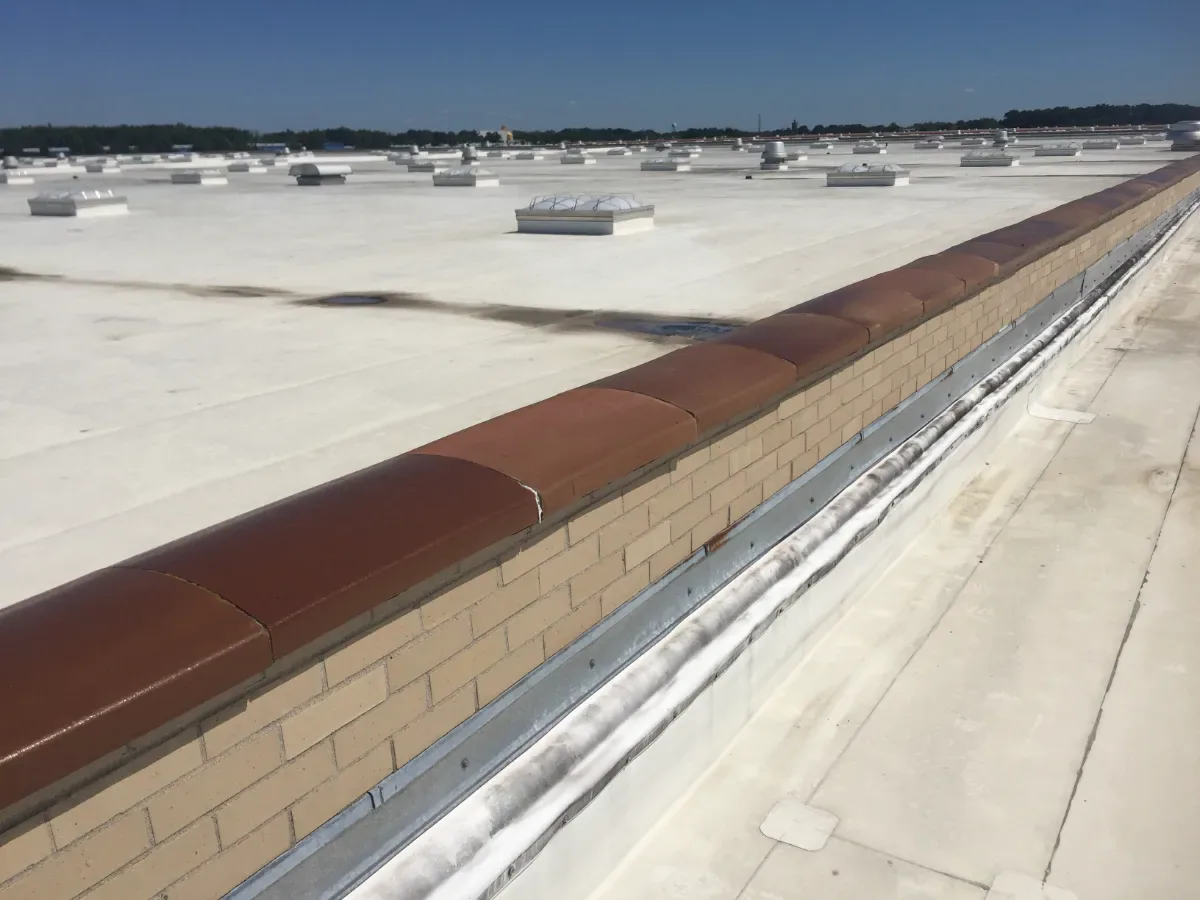
A scupper passes through a wall or edge condition. Its lining, joints and connection to the roof flashing need inspection. Metal corrosion, an open seam or a short membrane transition can change the repair scope. We check the surrounding wall and coping detail where those components affect the outlet. A roof-edge correction may need coordination with scupper work so the final connections agree.
The selected materials must suit the existing roof system and outlet component. We describe cleaning, preparation and joining methods before construction. Plumbing concerns require the responsible plumbing trade. Roofing work addresses the roof assembly and its transition, with coordination where piping or drain bodies need alteration. Keeping those roles clear avoids sealing over a problem inside the drainage system while leaving the membrane connection, or the pipe condition, inadequately addressed.
Keep secondary drainage effective
A secondary outlet needs a clear route and the intended relationship to the roof elevation. We inspect accessible overflow openings and look for blockage or changes caused by previous work. An added roof layer can alter the clearance beneath a fixed overflow. That relationship must be considered during a recover or replacement, not discovered after the new surface is finished.
Overland Park adopted the 2024 IBC with local amendments. Applicable drainage and reroofing requirements need checking for the proposed work. We review the project condition and coordinate any design or plumbing decisions required. A roof overlay proposal should account for primary and secondary outlet details as part of its assembly-height assessment.
Regional July precipitation makes summer drainage maintenance relevant. January snow and freezing temperatures can obstruct inspection and introduce ice at exposed outlets. We work within safe access limits and distinguish a seasonal obstruction from a construction defect. The roof should be evaluated when the relevant components can be examined. A secondary system cannot be assumed usable simply because it is visible from the ground. Its opening, route and elevation relationship need the appropriate check for the actual building.
Define removal and occupied-use limits
A leaking drain can leave wet insulation around the connection. We investigate that condition before setting a patch footprint. Authorized openings or suitable testing help establish the extent where the concealed condition affects the work. The permanent repair should reach supporting material that can accept the new detail. Retaining a soft wet ring beside a repaired inlet can leave the surrounding roof vulnerable.
For office roof drainage work, rooms beneath the outlet may need protection and scheduled access. We agree the opening limit and daily closing method with the manager. Piping changes may require separate shutdown or interior access. Those activities should be coordinated before the roof is opened rather than handled as an unexpected interruption after demolition starts.
At properties in Downtown Overland Park, businesses and residential uses can share the broader building setting. We review the actual occupants and drainage connections involved. A repair at one outlet may affect runoff from an adjoining roof section. The work sequence must account for that incoming water. Temporary protection should direct flow safely while preserving access to the components being rebuilt. It should not close one leak by blocking the route that drains another area.
Check the completed water path
After the correction, we inspect the roof connection and clear debris from the work area. Appropriate checks can help evaluate the transition and water route without exposing occupied spaces to uncontrolled testing. We document the detail and explain any additional drainage or maintenance concerns outside the approved scope. A repaired connection and a functioning drain approach should both be addressed in the closing review.
Continued outlet maintenance helps prevent loose debris from recreating a blockage. Record the repaired drain or scupper location with the roof history. Future equipment or insulation work should preserve that transition. Schedule the inspection with the leak location and access contact. We will determine whether the required action is cleaning, connection repair or a wider drainage change.
Commercial Roofing Questions
Can we solve drain-area ponding with a membrane patch?
A patch may repair a leak but does not correct the water route. We inspect the outlet and elevations to identify blockage or geometry problems. The scope follows the condition found.
Will new insulation require changing the drain?
The finished elevation and transition need checking. Raising the roof field changes the approach to an unchanged inlet. We assess the sump, membrane connection and overflow clearance before choosing the correction.
Who checks a suspected blocked drainpipe?
The responsible plumbing trade handles piping evaluation and changes. We inspect the roofing connection and coordinate access or openings needed for that work. The roof and plumbing scopes should fit together.
Why inspect overflow openings during a local repair?
Blockage or altered roof height can affect secondary drainage. A local repair should preserve its route and clearance. We identify concerns that need additional work or a project-specific design check.
Related Roofing Work
Set the work limits
Arrange a drainage inspection with the affected outlet and interior leak details. We will set cleaning, repair and elevation-change limits.