
Commercial Roof Repair in Overland Park, KS
Home / Commercial Roofing Services / Commercial Roof Repair
Get a Free Roof Assessment - Call 555-555-5555
What Property Owners Should Know
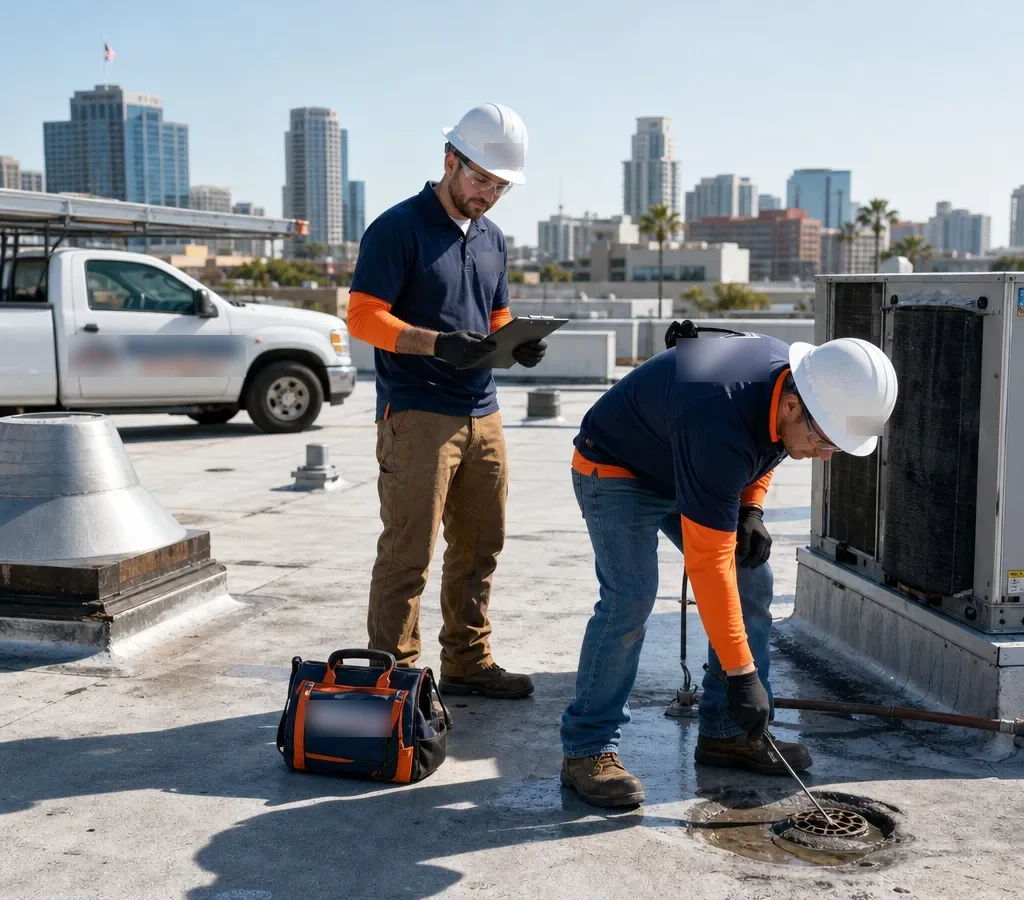
A service technician needs a clear path to the rooftop unit. Put that path into the repair plan before opening the roof beside it. Commercial roof repair in Overland Park, KS, is a targeted job only when the surrounding assembly can support the repair. We inspect the failed detail and the material around it. Then we decide how far preparation and removal must extend. A small visible defect can need a larger repair footprint to reach sound material.
The Metcalf Avenue corridor includes retail activity and corporate offices near 95th Street. Roof work on those properties needs to fit deliveries, customers and employee access. We define those operating constraints with the manager. The proposed repair should state the material, preparation and affected details. It should also explain whether another inspection is needed before work can be priced accurately. A leak investigation can narrow the problem when the entry point or wet-area extent remains unresolved.
Find the failed component
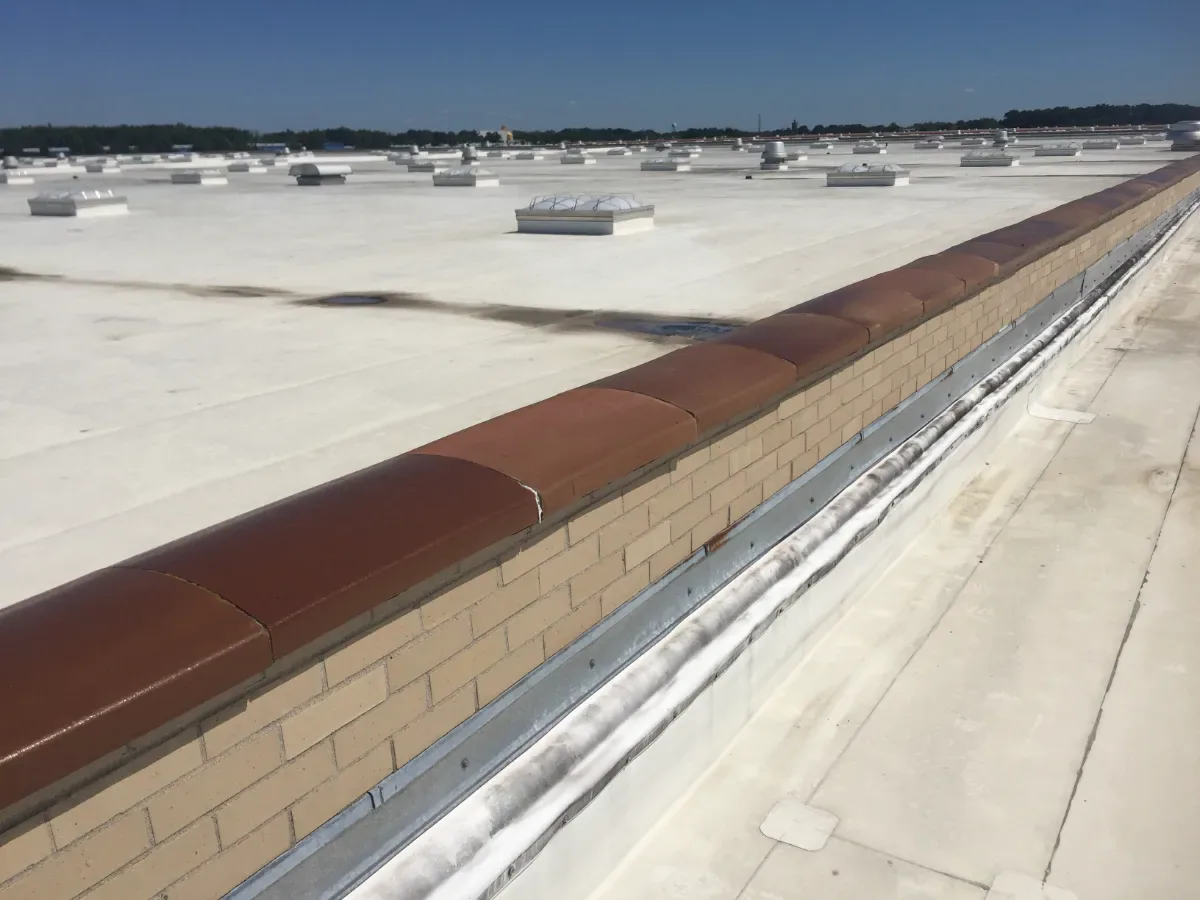
An open seam calls for more than a cover patch. We check why it opened and whether adjacent material is still stable. The seam may be dirty, stressed by movement or separated from a deteriorated substrate. A split beside a curb needs a similar check of flashing height, attachment and equipment movement. Repair material must reach a condition where it can bond or weld correctly.
We look at the roof field, perimeter, penetrations and drainage as connected components. A blocked outlet can increase the time water stays over a small defect. Loose edge metal can expose the roof termination to further damage. Repeated repairs in the same area may indicate that the previous footprint stopped short of the actual failure. Seam repairs need to address the surrounding assembly as well as the visible gap.
The initial investigation records what is observed and what is concealed. Test openings may be appropriate where insulation condition affects the repair. We mark the areas needing immediate work and distinguish them from details that warrant monitoring. You can then approve a defined scope. A broad recommendation without those boundaries makes it difficult to understand whether the roof needs one corrected detail or a larger change in approach.
Match the material at the repair
A patch must be compatible with the existing roofing. Different membranes use different cleaners, primers, adhesives and joining methods. A product intended for one assembly can damage another or fail to bond. We identify the existing system before selecting materials. Weathered surfaces may need additional preparation or a different detail. The repair should follow the requirements for the materials being joined.
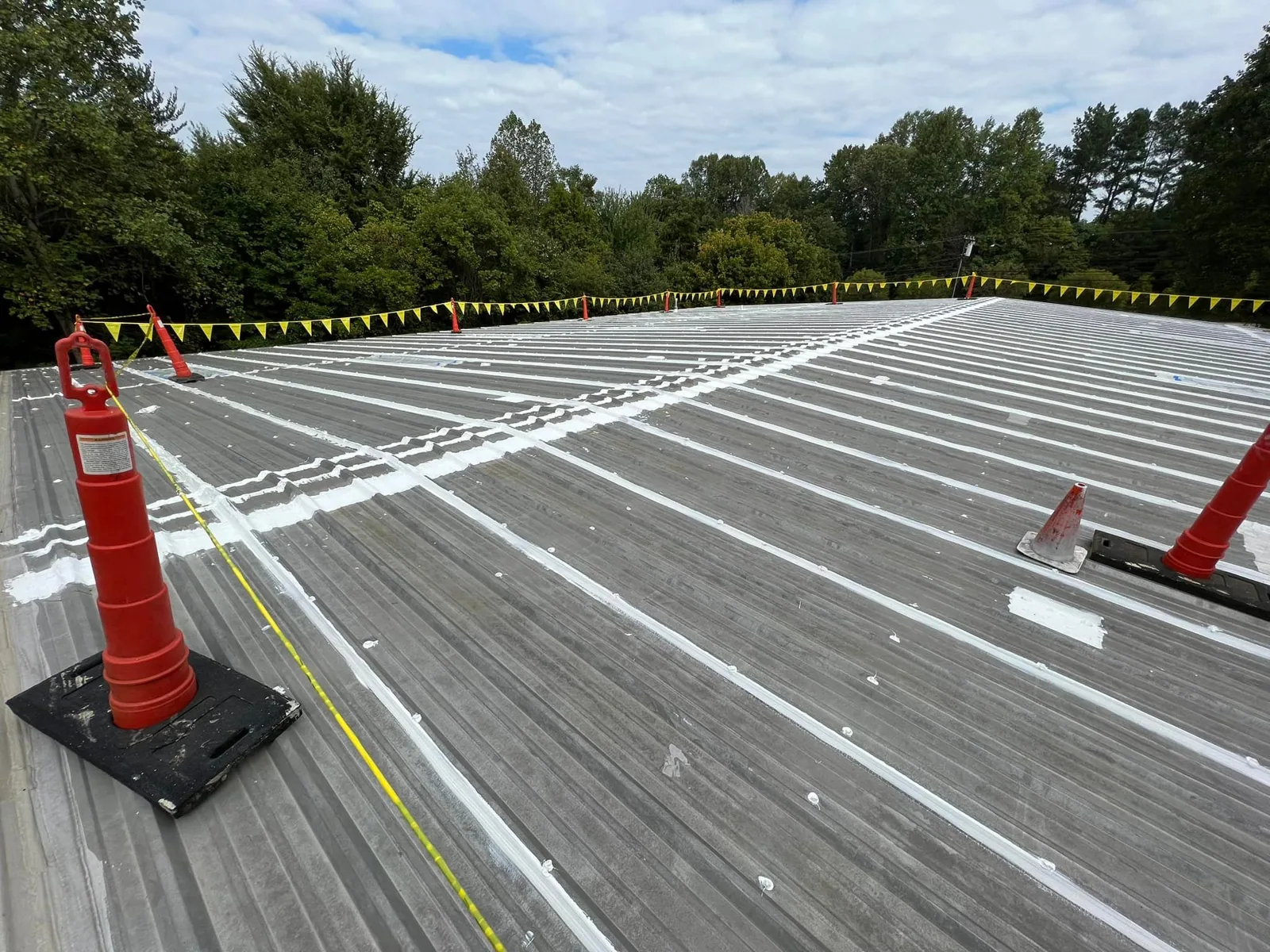
A PVC membrane repair requires attention to the existing sheet condition and compatible welded details. EPDM repairs use their own preparation and accessory requirements. Built-up and modified-bitumen systems have different layer and surfacing considerations. Metal roof repairs need to account for panel movement, fastener condition and sealant placement. We explain the approach that applies to your roof rather than offering one patching method for every surface.
Coatings and previous repairs can complicate identification. We check what is present at the intended bond area. Contamination may require removal to sound material. Wet insulation underneath needs correction before a durable repair can be completed. A patch that seals the top while leaving unsupported layers below it can remain vulnerable to traffic and movement. Material choice and preparation should be visible in the estimate, especially when a quick temporary measure has already been installed.
Choose the repair footprint
A soft ring around a puncture changes the work limits. We inspect for moisture and damaged supporting layers, then extend removal as needed to reach a suitable substrate. The finished repair needs enough usable surrounding material for a sound connection. The visible opening alone does not determine the dimensions. We discuss the likely footprint and how concealed findings could change it.
Regional Kansas City winter conditions include average January snowfall and overnight cold. Water trapped in a defective detail can freeze, and application temperatures can restrict some repairs. Summer heat creates different working conditions. We schedule the material installation to meet its requirements and establish temporary protection where a permanent repair cannot proceed safely. Timing should follow both the roof finding and the available weather window.
For medical office roof repairs, rooms beneath the work may have restrictions on noise, dust and access. A small roofing footprint can still affect a critical occupied space. We settle those constraints before opening the area. The manager receives the repair limits and the closing procedure. Where deterioration reaches beyond a practical local repair, we explain the larger alternative. That may involve a section replacement or further investigation, rather than adding another isolated patch to a failing assembly.
Protect drainage and equipment access
Water must reach the outlet after the repair is finished. We check whether new material creates a raised lip, blocks a drainage groove or changes the route near equipment. Repairs at drains and scuppers need careful transitions. Clearing debris helps, but a blocked drain and a poorly sloped surface are separate conditions. Drain and scupper work should identify which condition is being corrected.
A rooftop unit also needs enough access for future service. We review the path workers use and the protection that may be needed near the repair. Tools, loose metal and discarded fasteners can puncture a membrane. Equipment movement can damage flashing that has been installed without enough clearance. The repair should leave a workable detail for the next trade, not merely close the immediate opening.
Retail and office properties along the Metcalf Avenue corridor create different restrictions on roof access. We use the actual building schedule to place deliveries and restrict access during the work. A retail tenant may need an entrance maintained while an office needs quiet hours near meeting spaces. We identify those needs with the property manager. They can change when the repair is installed and how materials are moved to the roof.
Check the repaired detail
The closing inspection should confirm the repair, its surrounding connection and the drain path. We photograph the completed work and explain any remaining conditions. A local repair does not establish the condition of every other roof area. Where the inspection identified additional defects, we separate them clearly from the completed scope.
The next useful step may be a scheduled follow-up after rainfall or a broader maintenance visit. We select that step against the finding, not a fixed sales sequence. Send the repair history, recent photos and access restrictions when arranging the check. We will locate the failure, set the footprint and explain what a permanent correction requires.
Commercial Roofing Questions
Why would a small split need insulation removal?
Moisture or crushed material beneath the split can leave the patch unsupported. We check those layers and remove affected material where needed. The permanent repair must connect to a suitable assembly.
Can an old patch stay underneath the new repair?
A compatible and sound existing repair may be retained where the proposed detail allows it. Loose, contaminated or incompatible material needs removal. We identify that preparation during the inspection.
Should we repair every visible surface crack?
The system type and depth of cracking matter. We distinguish superficial weathering from openings that affect waterproofing or reinforcement. The recommendation follows the actual material condition.
What records will help with repeat problems?
Provide dates, interior locations, photos and previous repair information. We compare them with the roof findings to see whether the same detail is failing or a different condition has appeared.
Related Roofing Work
Set the work limits
Schedule the repair inspection with your leak history and access limits. We will identify the material and the permanent repair footprint.