
Built-Up Commercial Roofing in Overland Park, KS
Home / Roof Systems / Built-Up Commercial Roofing
Get a Free Roof Assessment - Call 555-555-5555
What Property Owners Should Know
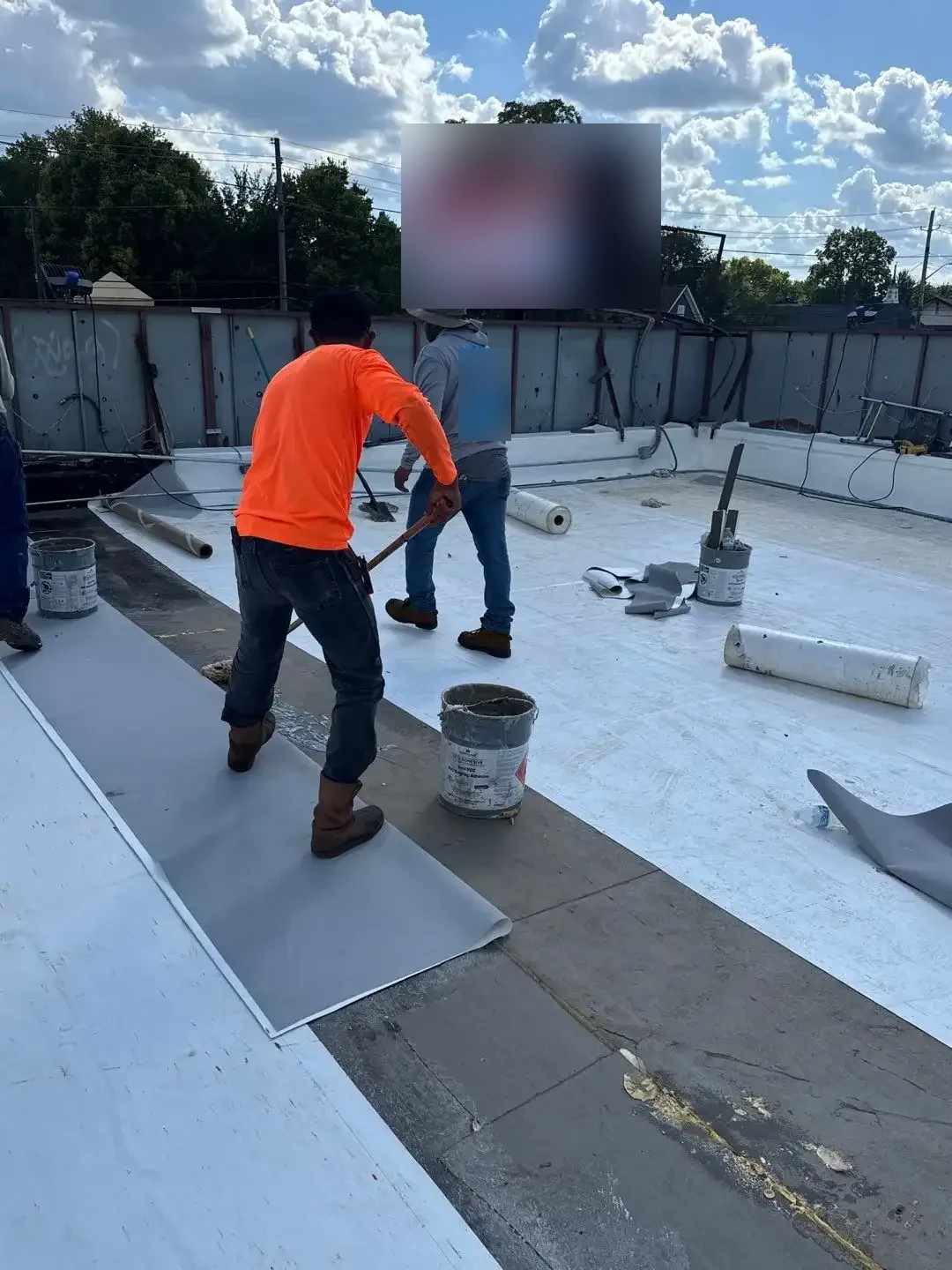
Surfacing can hide the edge of a damaged asphalt layer. Inspect beneath the loose or failed area before deciding that a surface treatment is enough. Built-up commercial roofing in Overland Park, KS, needs a layer-by-layer work decision where deterioration affects the assembly. We examine visible defects, flashing and drainage, then establish where authorized testing is needed. The proposed repair should reach suitable material without leaving an unresolved wet or unsupported layer below it.
Downtown Overland Park combines business and multifamily uses, while 119th Street has retail activity. Those occupied settings affect access, removal and material handling. We inspect the particular building before selecting the method. A built-up roof condition check should identify the construction present rather than assume its age or layer count from appearance. The manager needs a scope describing retained components, removed material and the detail that closes the assembly after the work.
Examine surfacing and reinforced layers
A blister, split or exposed reinforcement needs assessment against the actual construction. Some built-up roofs have aggregate surfacing, while others use different finishes. We identify the system and inspect accessible areas where the condition can be established. Loose surface material can affect access and preparation. It should not be pushed aside without considering the roof and the protection needed during inspection.
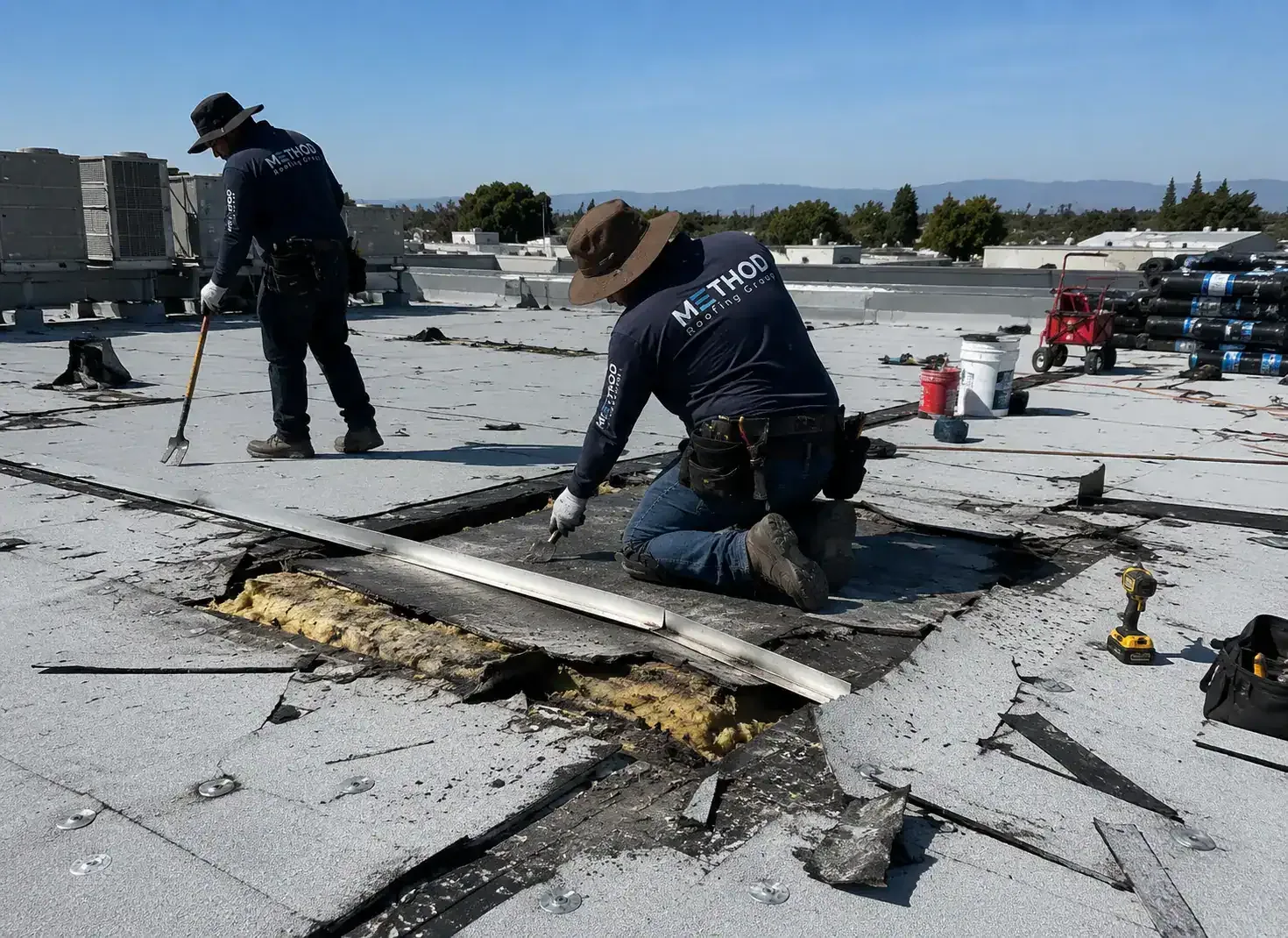
The layer condition determines the correction. A superficial surface change differs from a split affecting the waterproofing assembly. We assess the surrounding area and identify whether opening or testing is appropriate. Wet insulation or damaged support can enlarge removal beyond the visible defect. A patch should be connected to material that remains suitable, not simply laid over the first area that can be reached.
For failed lap and connection repairs, the substrate and system requirements govern preparation. Previous patches may use different materials or conceal the extent of damage. We examine those transitions and explain what can remain. The manager should be able to see why the repair footprint extends to a particular boundary. That boundary follows usable layers and connections rather than an arbitrary square around the visible split.
Check flashing separately from the field
A sound-looking field can still have failed wall or curb flashing. We inspect accessible terminations, corners and penetrations. The adjoining component may have movement or deterioration that affects the roofing. Rebuilding the asphalt detail should address that condition or identify the separate work needed. A surface application over a moving gap can leave the same failure mechanism active.
Flashing correction at equipment may require another trade to provide access or adjust a curb. Roof height changes also matter. New layers can reduce exposed flashing clearance and alter the transition to outlets. We inspect the actual relationships before defining the repair or replacement detail. Those adjustments should be known before the field work is installed.
Drainage needs attention at inlets, scuppers and overflow routes. Debris removal can help where obstruction is the problem, but a damaged connection or unsuitable slope needs another correction. The built-up assembly should remain connected to a usable water path. We examine the outlet approach and specify the roofing interface needed. Plumbing or design questions may require coordination with the responsible party before the construction scope can be finalized.
Confirm wet-area removal limits
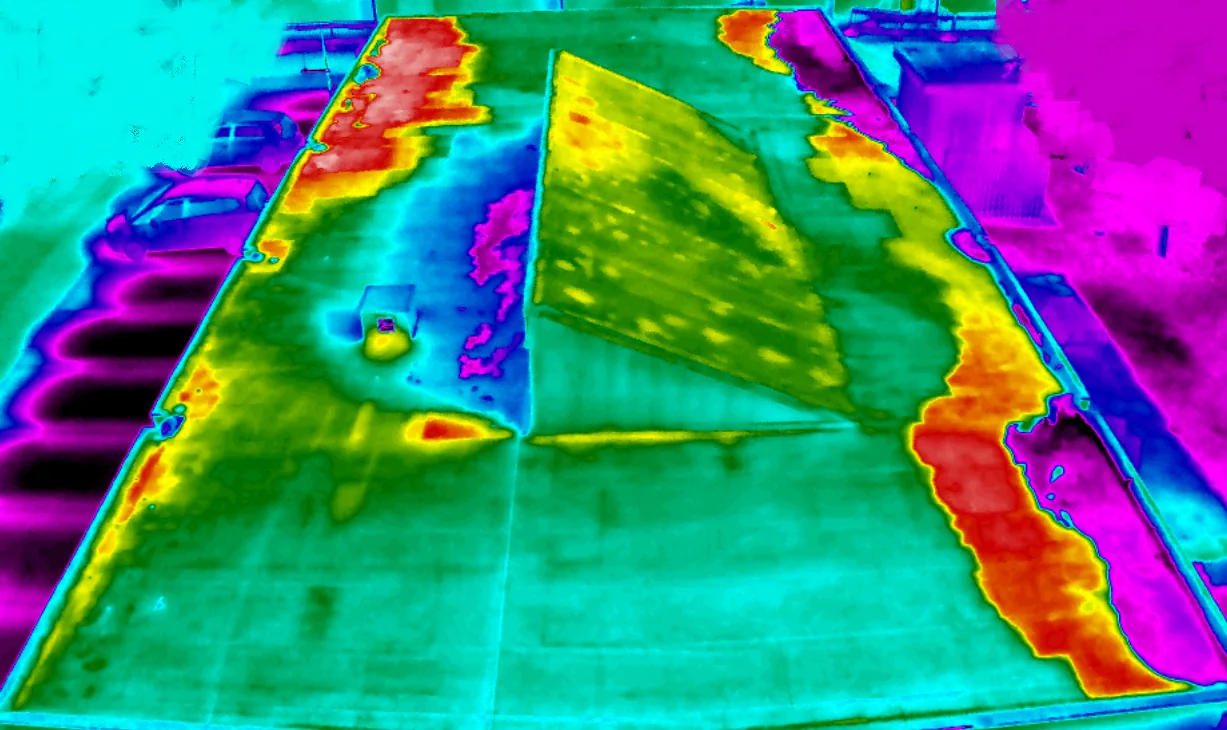
An asphalt surface does not establish whether the insulation below it is dry. We investigate concealed concerns when they affect the work. Authorized cores or appropriate testing can identify the construction and condition at selected locations. A thermal survey may help under suitable conditions, but its patterns need interpretation and confirmation against the actual roof.
An assembly moisture investigation can support the removal decision when the method fits the construction. We distinguish suspect areas from confirmed wet layers. The estimate should identify where the footprint is established and what may change after opening. The manager also needs a procedure for additional deck damage or a wider moisture extent uncovered during work.
The permanent detail requires sound supporting material. Retaining wet or deteriorated layers merely to avoid removal can leave the new roof vulnerable. We explain whether a local repair remains practical or whether the condition warrants a larger comparison. A modified-bitumen system and a rubber roof assembly introduce different preparation and attachment requirements. Alternatives should be evaluated as complete assemblies rather than placed over an unresolved supporting condition.
Choose a workable installation method
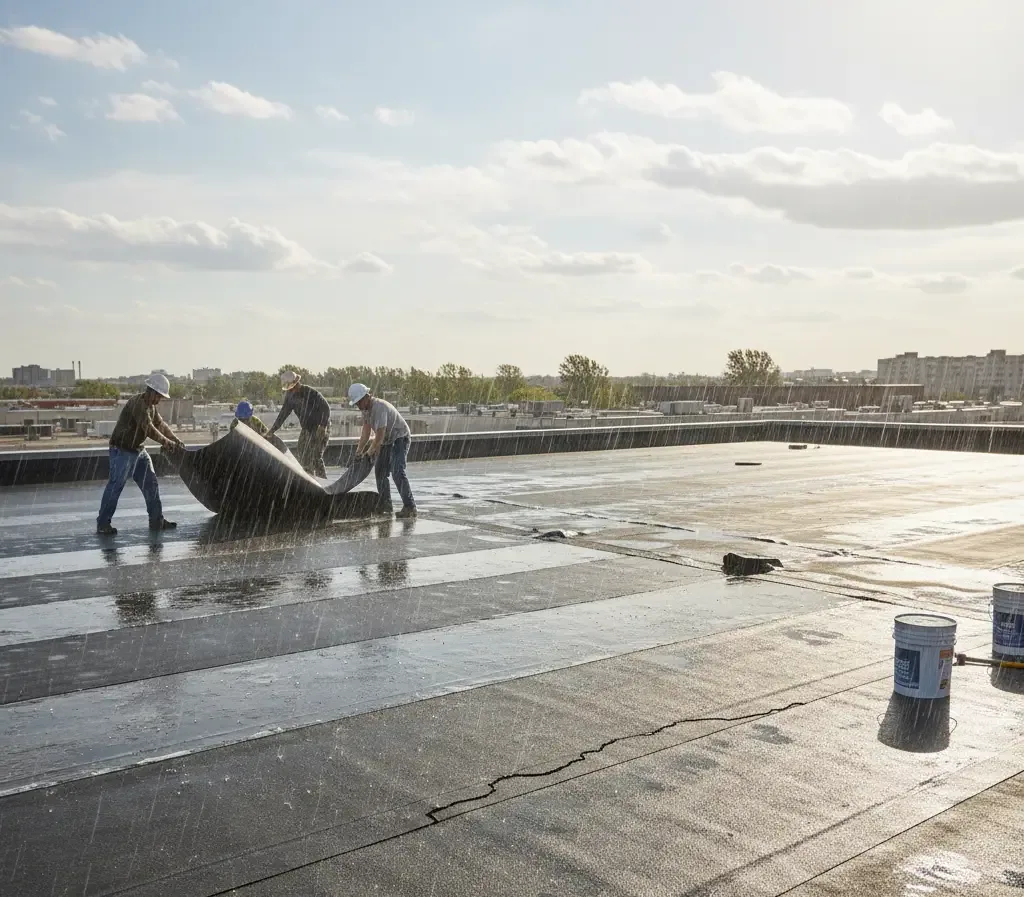
Built-up roof construction can involve different products and application methods. The selected system requirements and project conditions determine the appropriate approach. We identify material handling, preparation and occupied-use restrictions before scheduling. Temperature, surface moisture and other weather conditions can affect the method. The scope should state those needs without promising the same installation process for every asphalt roof.
Regional January conditions include snow and cold temperatures. Summer brings heat and rainfall that also affect exposure and application planning. We check the actual forecast and material instructions for the intended stage. The opening limit should allow reliable closure and manage runoff from adjoining retained roof areas. Equipment movement or a difficult outlet can reduce the area practical for a daily stage.
At retail properties along the 119th Street corridor, loading and customer access can limit staging. The property manager helps establish the workable route. Removal layers, surfacing handling, disposal and concealed repairs affect cost along with the new materials. We explain those drivers so the estimate covers the complete correction. A price describing only the field installation can omit detail and preparation work that determines whether the roof can be restored properly.
Preserve the assembly after repair
The closing inspection checks the repaired layers, flashing and outlet connections. We document completed work and identify any remaining concern outside the approved scope. Suitable surface protection should be restored for the selected system. Later equipment work needs compatible details and usable service routes rather than unsupported patches over newly disturbed material.
Scheduled built-up roof maintenance can identify blocked outlets, damaged surfaces and loose connections. Keep the material and repair information available so future work can account for the actual construction. After surfacing is disturbed, review the protection required for the repaired construction. Loose aggregate or other finishing material should be handled according to the system rather than spread over an unexamined joint. The manager should understand which inspected surfaces may be walked on and where another trade needs protection. Record that arrangement alongside the repair footprint, especially when equipment work will continue after the roofing crew leaves.
Coverage terms should be reviewed with the issuing provider where a warranty exists. Arrange the roof assessment with history, documents and occupied-use restrictions. We will establish layer condition and the work needed to return the assembly to a suitable connection.
Commercial Roofing Questions
Can surfacing be removed just to look for a leak?
Inspection preparation must suit the roof and its protection needs. We identify the construction and agree any necessary opening or surfacing work. The assembly must be closed appropriately after investigation.
Does a blister always require whole-roof replacement?
Its extent and the surrounding layer condition need evaluation. We check whether local correction can reach suitable material. Broader moisture or support problems may change the decision.
How should a repair connect through multiple layers?
The actual system determines preparation and the rebuilt detail. We identify the layers present and remove affected material as needed. A permanent connection must fit the retained assembly and supporting condition.
Why can two built-up roof estimates differ substantially?
They may assume different layer removal, surfacing handling, preparation or detail work. We describe those boundaries and concealed-condition decisions so the manager can compare the complete scopes.
Related Roofing Work
Set the work limits
Schedule the built-up roof inspection with available assembly records. We will establish layer condition, removal limits and compatible restoration work.