
Skylight and Penetration Flashing Repair in Overland Park, KS
Home / Commercial Roofing Services / Skylight and Penetration Flashing Repair
Get a Free Roof Assessment - Call 555-555-5555
What Property Owners Should Know
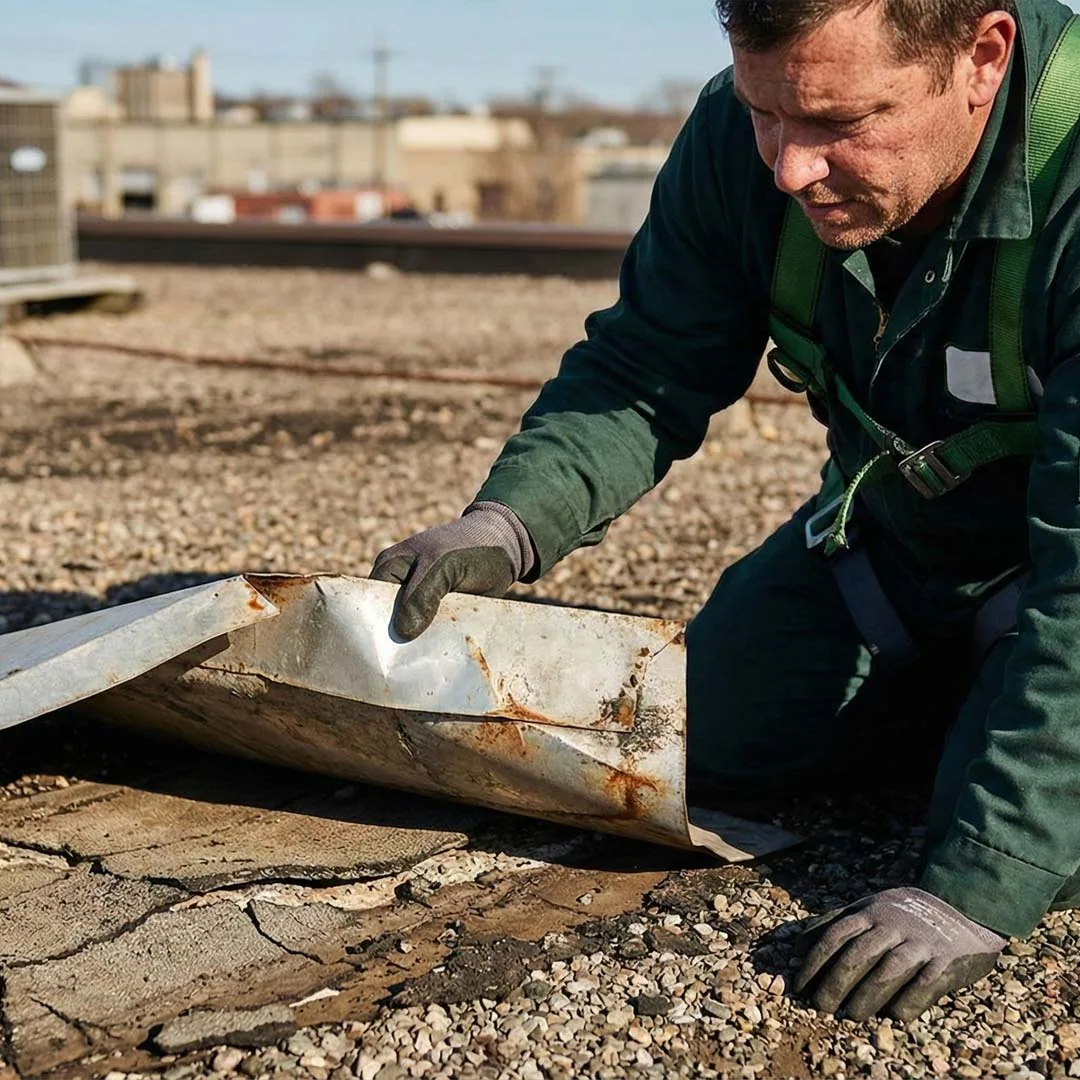
A rooftop unit that must stay running limits how its curb can be opened. Set the equipment requirement before removing failed flashing beside it. Skylight and penetration flashing repair in Overland Park, KS, starts with the component passing through the roof and the connection surrounding it. We inspect the curb, pipe or support and the adjoining assembly. The repair must accommodate the actual material and movement rather than cover a recurring split with another unidentified patch.
Corporate offices near College Boulevard and healthcare businesses in Overland Park can have sensitive occupied spaces beneath these details. We review access, shutdown and interior protection needs with the manager. The roof finding then sets the repair footprint. Where water entry is active, a focused leak investigation establishes whether the penetration connection is the entry path. Equipment and skylight components may also need separate evaluation before the roofing detail can be rebuilt.
Inspect the full curb connection
A corner split may originate in the flashing, its termination or movement of the component it surrounds. We inspect the visible detail and look for loose attachment, damaged material and inadequate clearance. The top termination needs to protect the connection from water entering behind it. The base connection must join the roof without leaving a stressed or unsupported transition.
Curb height matters after insulation or another roof layer raises the surface. An old detail that once had usable clearance may become too short for the proposed assembly. We measure the actual relationship and identify whether adjustment is needed. Curb and support work may require equipment isolation or relocation by the appropriate trade. Those requirements should be settled before the roofing crew opens the detail.
The manager needs a scope showing which components are roofing work and which need another specialist. A damaged skylight frame, unit panel or pipe connection can admit water independently of the membrane flashing. We identify accessible concerns and coordinate the next check. Rebuilding roofing against an unresolved equipment defect can leave the original leak active. The inspection should establish the connection being corrected and the condition needed for a permanent detail.
Match materials at the penetration
A pipe boot, welded flashing and asphalt curb detail use different repair materials. We identify the roof assembly before choosing the connection. The existing surface condition and previous repairs affect preparation. Cleaning, priming, welding or adhesion must suit the materials being joined. A coating over an unknown patch does not establish compatibility beneath it.
A thermoplastic roof assembly may use welded accessories and reinforced flashing suited to the system. Rubber membranes use different accessory and preparation requirements. Liquid-applied flashing can be appropriate in some details, but its substrate and reinforcement requirements still need checking. We explain the specific method rather than proposing the same sealant treatment around every roof opening.
Movement should remain possible where the equipment or penetration detail requires it. A rigid repair across components that move differently can create another split. We examine the available clearance and connection layout before selecting the correction. The permanent detail also needs to remain accessible for later equipment service. We consider where tools and foot traffic will pass so the repaired flashing does not become a vulnerable work surface during the next maintenance visit.
Check for wet supporting layers
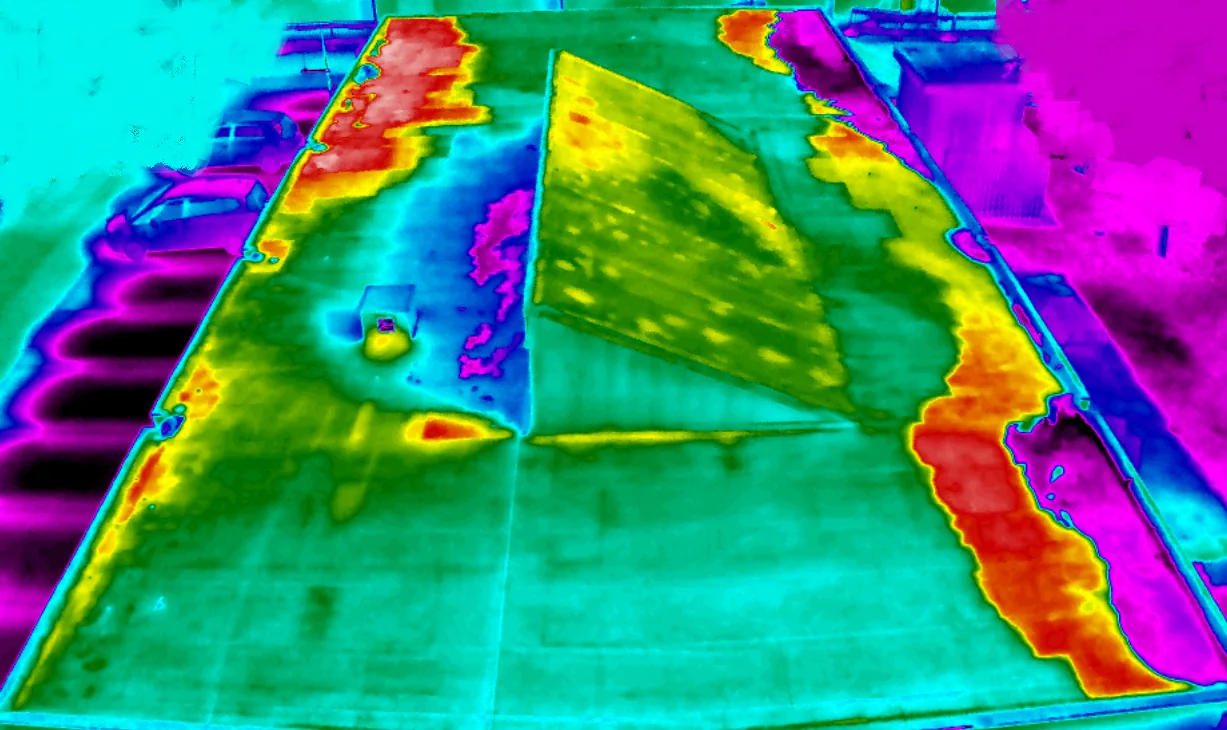
A leak beside a curb can affect insulation beneath the surrounding membrane. We inspect soft areas and assess whether authorized openings or other testing are needed. The removal footprint should reach suitable material for the new connection. A narrow patch over a wider wet area can leave the repair unsupported even after the visible split is sealed.
Where concealed moisture changes the work, an appropriate moisture survey may help direct confirmation. The method needs to suit the roof and conditions. We report suspect patterns separately from confirmed wet material. The manager can then understand which removal limits are established and where another check remains necessary before pricing the full repair.
Regional winter cold can limit safe access and material application around exposed details. Summer heat requires a different work window. We check the selected product requirements and forecast before setting the opening limit. Temporary protection must account for runoff entering the work area from the surrounding roof. The closing method should be clear before a penetration detail is dismantled. That is particularly important when equipment operation or occupied rooms restrict how quickly the work can advance.
Coordinate skylight and equipment work
A skylight has components above the roof flashing that can also leak. We examine accessible curb and roofing connections, then identify glazing, frame or unit concerns needing the relevant specialist. Roof work should not be described as a glazing repair unless that is part of a properly established scope. The manager needs the boundary between these tasks before approving the correction.
For medical office roof work, equipment shutdowns and rooms beneath a penetration may have particular restrictions. We settle the access, protection and work window with the property contact. The roofing opening and any equipment work should follow the same sequence. A unit should not be moved before there is a practical way to rebuild and close the surrounding assembly.
The College and Metcalf district has a mixed-use activity focus. At an occupied building there, the specific use determines how the curb repair can proceed. A small detail can still require lifting equipment, controlling a doorway or arranging another trade. The location of the nearest usable roof access can affect how materials reach that detail. We check that route and identify what must remain clear while the component is being rebuilt. A difficult connection needs those handling limits included in its work window. We identify those cost and timing drivers with the material preparation. The repair proposal should describe the complete connection, not simply assign a price to the visible length of a split.
Leave a serviceable flashing detail
We inspect the completed connection at its base, corners and termination. The work record should show the repaired detail and any remaining equipment or unit condition outside the roofing scope. Suitable testing or follow-up may help evaluate the original leak without subjecting the building to uncontrolled water exposure. Interior drying or restoration remains a separate task.
Ongoing penetration inspections can identify damage after equipment servicing or material movement. Keep the repair information with the roof record and notify us when new penetrations are planned. Arrange the initial check with the equipment contact and occupied-space restrictions. We will establish the curb detail, supporting condition and daily closure requirement before opening the roof.
Commercial Roofing Questions
Can flashing be repaired without turning off the equipment?
The detail and equipment access decide that requirement. Some work needs isolation or movement by the responsible trade. We establish the operating restriction before choosing the opening sequence.
Why does a skylight leak need more than roof patching?
The frame, glazing or unit components may admit water separately from the roofing connection. We inspect accessible roof details and identify the specialist check needed for other components.
Will thicker insulation affect a curb repair?
A raised roof surface can reduce available flashing height. We check the finished elevation and the curb relationship. The scope may need equipment or curb adjustment to form a suitable detail.
What causes repairs to split again beside a pipe?
Movement, unsuitable materials or an unsupported connection can contribute. We examine the existing detail and surrounding layers. The permanent repair needs to address that finding, not only close the visible gap.
Related Roofing Work

Set the work limits
Book the flashing inspection with equipment restrictions and leak history. We will define the compatible connection and the access it needs.