Rooftop Equipment Curbs and Supports in Overland Park, KS
Home / Commercial Roofing Services / Rooftop Equipment Curbs and Supports
Get a Free Roof Assessment - Call 555-555-5555
What Property Owners Should Know
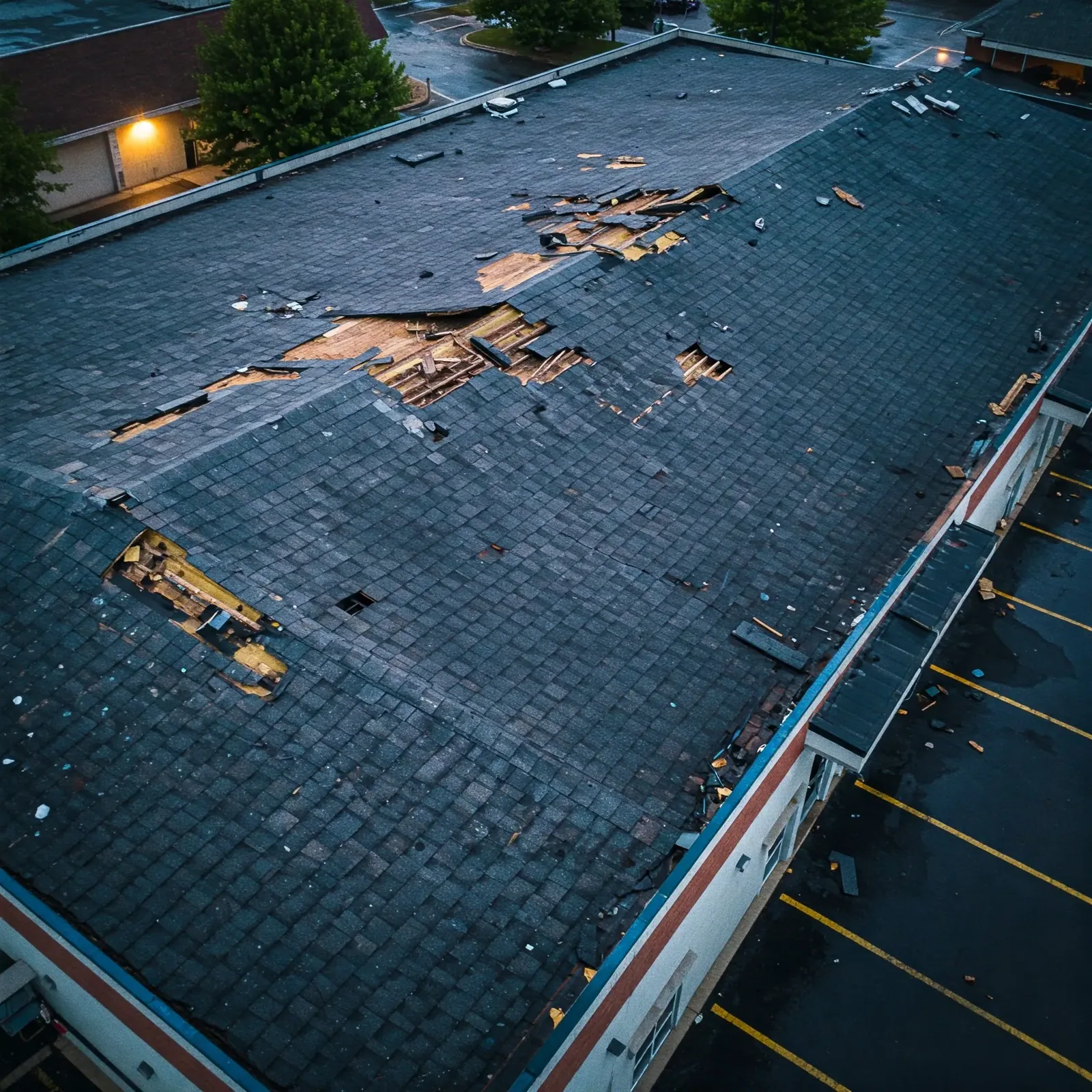
A mechanical unit cannot be moved until someone has planned how its roof opening will close. Set that sequence before repairing the curb beneath it. Rooftop equipment curb and support work in Overland Park, KS, connects roofing with the equipment serving the occupied building. We inspect the visible curb, flashing and surrounding assembly. The equipment trade evaluates operation and handling where required. Structural concerns need the appropriate design review before a new support arrangement is selected.
Office activity near 95th Street and Metcalf Avenue and healthcare uses in Overland Park can limit shutdowns. Those limits affect the opening size, work hours and temporary protection. We discuss them with the manager before planning the repair. Curb flashing work must fit the equipment position and finished roof elevation. A roofing connection should not be rebuilt around a component that still needs to be raised, moved or repaired.
Inspect the connection beneath the unit
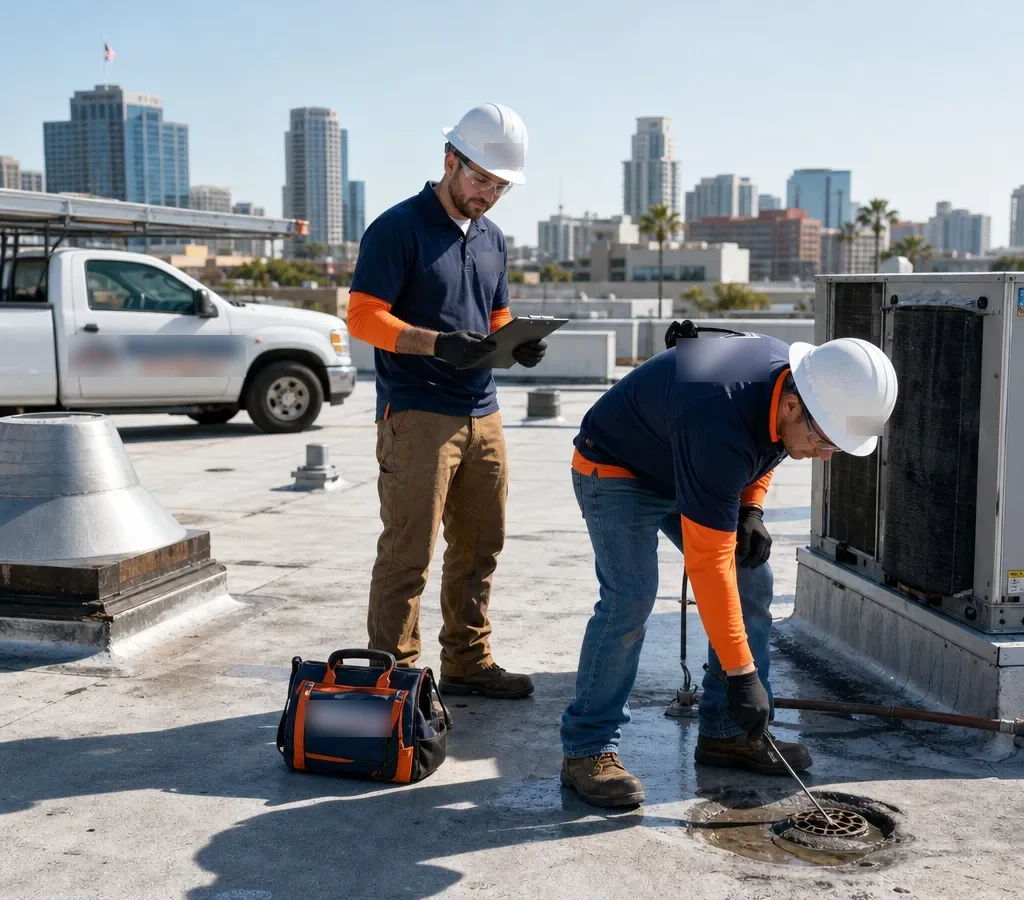
A split at a curb corner can result from a failed flashing detail or movement elsewhere in the assembly. We examine the base, vertical flashing and top termination where accessible. The surrounding membrane and supporting material need attention as well. A local surface correction may not be enough if the curb is deteriorated or water has reached the insulation around it.
The unit can obscure the very connection that needs inspection. Before work affects a tenant’s rooftop unit, the property team can confirm who controls it, approve an access window, and arrange any needed mechanical or electrical support. A service panel, duct or piping connection should not be disturbed without the appropriate scope. The manager needs to know which tasks are roofing and which require mechanical, electrical or other specialist work. That boundary affects authorization as well as scheduling.
Where leakage is active, a curb-area leak investigation helps identify the entry path. Water can come from the roof connection or an equipment component above it. We examine accessible roofing conditions and identify any separate equipment evaluation needed. Closing the membrane around an unresolved unit leak can leave the same interior problem active. The investigation should settle the connection being repaired before the permanent roofing footprint is defined.
Check height and movement clearance
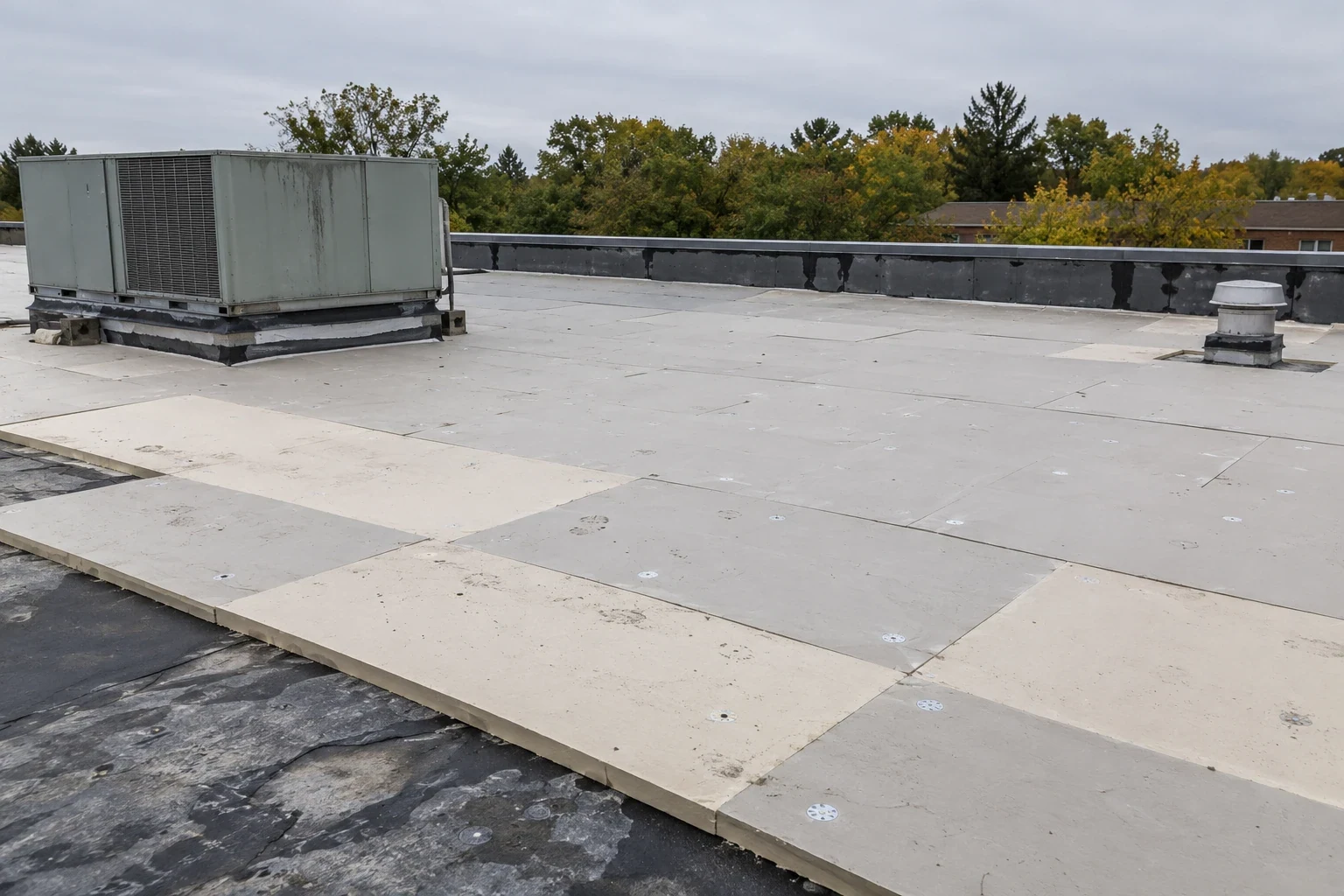
A new roof assembly can raise the field around an existing curb. That reduces the exposed height available for flashing and its termination. We compare the finished elevation with the actual detail before proposing added insulation or another layer. The correction may need a curb adjustment and coordinated equipment lift rather than a shortened flashing connection.
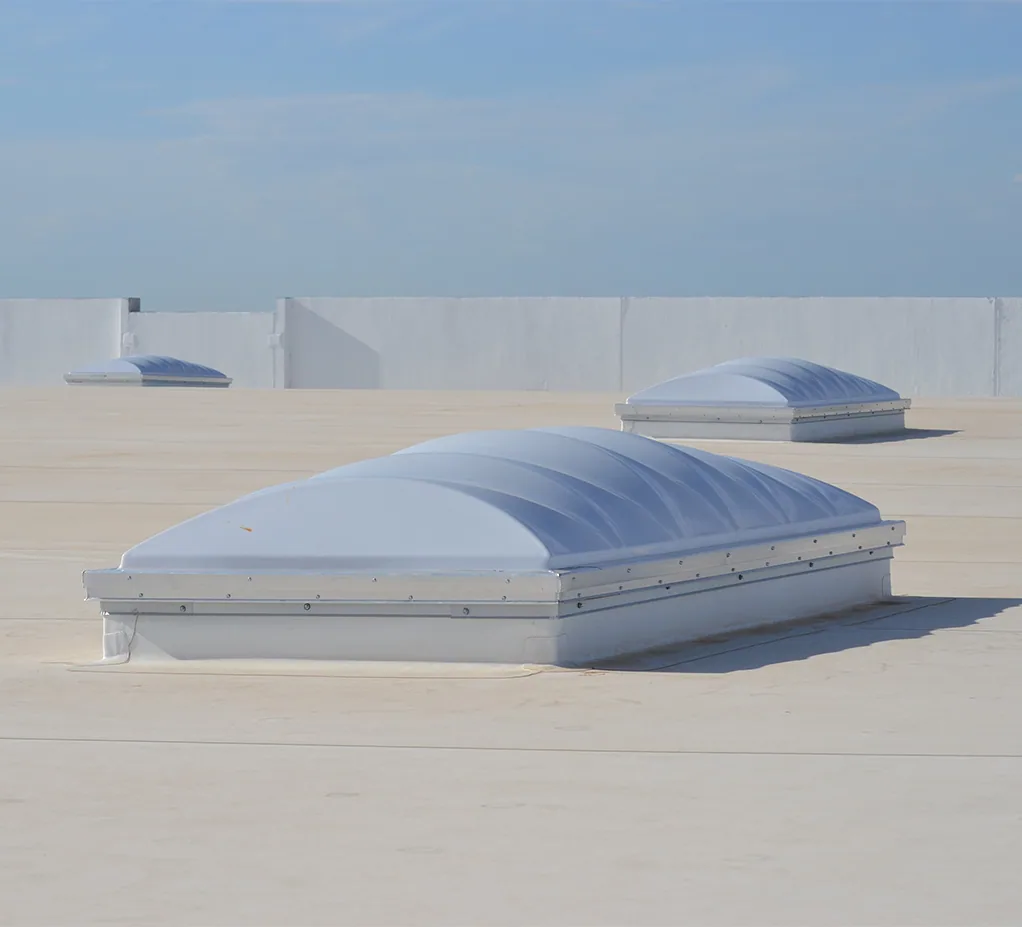
A roof insulation change should identify these equipment relationships during design and estimating. Drain paths near the curb also need checking. Water should have a route around the support arrangement without being blocked by a new pad or raised repair. We consider those transitions together rather than treat each component as an isolated job.
Equipment and roof components can move differently. The support and flashing detail needs the clearance and connection appropriate to that arrangement. We examine interference and the condition of existing materials before choosing the repair. A rigid patch across an unsuitable moving connection can fail again. The scope should describe a serviceable detail that allows the equipment to be maintained without using vulnerable flashing as a step or placing tools directly on the repaired membrane.
Resolve support and load questions
A proposed replacement unit can change weight, dimensions or connection requirements. The supporting structure needs the appropriate evaluation before the roofing work is finalized. We identify the visible roof and curb conditions and coordinate the roofing interface with the project design. We do not assume an existing support arrangement suits a different unit merely because both occupy the same position.
Support pads and frames must fit the roof system and project requirements. Loose blocks, sharp edges or unsuitable contact points can damage the membrane or interfere with drainage. We review accessible conditions and explain the correction needed for the roof interface. Equipment handling and structural changes should be planned by the responsible parties, with the roofing work included in the same sequence.
For medical office equipment work, heating, cooling or ventilation interruption can affect occupied rooms. The property manager needs a practical shutdown plan before a curb is opened. Temporary protection and weather exposure must be considered alongside the equipment operation. A narrow construction window may change material selection or the size of work stages. Equipment availability and roof preparation must be coordinated before a lift date is fixed. We identify the point at which the old connection can be removed and the materials needed to close the new one. That avoids leaving the roof open while a separate task remains unresolved. We explain those effects before scheduling so the roof can be closed using a suitable assembly rather than an improvised connection.
Define wet-area removal and access
Soft material around a curb needs investigation before new flashing is installed. We assess whether insulation or the deck has been affected and discuss authorized testing where needed. The repair footprint should reach material that can support the new connection. A small visible split can require removal beyond the curb edge if concealed damage extends into the surrounding roof.
Regional winter cold and summer heat place different limits on material application. We check the selected roofing requirements and forecast for the intended work window. Equipment lifts and roof openings should be coordinated against the same conditions. Temporary closure needs to address runoff entering from adjoining areas while the curb connection is being rebuilt.
At properties in the 95th Street and Metcalf area, corporate offices share the broader commercial setting with retail activity. We settle delivery, parking and occupied-room restrictions for the actual property. Lift access, equipment handling and concealed repairs can affect cost. The estimate should distinguish those drivers from membrane or flashing work. It should also identify who approves a change when the opened assembly reveals a condition beyond the original investigation.
Leave equipment access usable
The completed work should provide a protected connection and a workable service route. We inspect the repaired flashing and surrounding drainage, then document the roofing detail. Equipment commissioning or operation checks belong to the responsible trade. We coordinate the point at which roofing access restrictions can be removed so the next task can proceed safely.
A thermoplastic membrane needs suitable surface protection where equipment service creates regular traffic. Planned curb and access checks can identify later damage or debris. Keep equipment alterations with the roof record. Schedule the initial inspection with the unit information, shutdown restrictions and access contact. We will define the roof interface and the work sequence needed to rebuild it.
Commercial Roofing Questions
Can a new unit use the old curb without changes?
The dimensions, support, load and roofing clearance need checking. The equipment trade and project design establish their requirements. We inspect the roof interface and identify the connection work needed.
Who handles lifting and reconnecting the equipment?
The responsible equipment and other specialist trades handle their scope. We coordinate roofing openings, protection and flashing with that sequence. Responsibilities should be settled before the unit is moved.
Why inspect insulation around a leaking curb?
Water can affect the surrounding layers and leave the new flashing unsupported. We investigate the concealed condition where it changes the repair. Removal limits follow suitable material, not only the visible split.
Will a support pad obstruct drainage?
Its position and contact detail need assessment against the water route. We check the actual arrangement and identify suitable changes. The completed support should fit both equipment requirements and the roof assembly.
Related Roofing Work
Set the work limits
Arrange the curb inspection with equipment details and shutdown restrictions. We will establish the roofing interface and coordinated closing sequence.