
Commercial Roofing for Logistics and 3PL Buildings in Overland Park, KS
Home / Industries We Serve / Commercial Roofing for Logistics and 3PL Buildings
Get a Free Roof Assessment - Call 555-555-5555
What Property Owners Should Know
A leaking roof above stored inventory needs a boundary, a closure time and a person who can make the next decision. For logistics and third-party distribution buildings in Overland Park, KS, we start at the affected rack or work zone and trace the roof condition above it. We inspect membrane seams, penetrations, edge details and drains, then document what is visible. If the evidence points to wet insulation or a deck issue, we identify the opening needed to confirm its reach before removal expands.
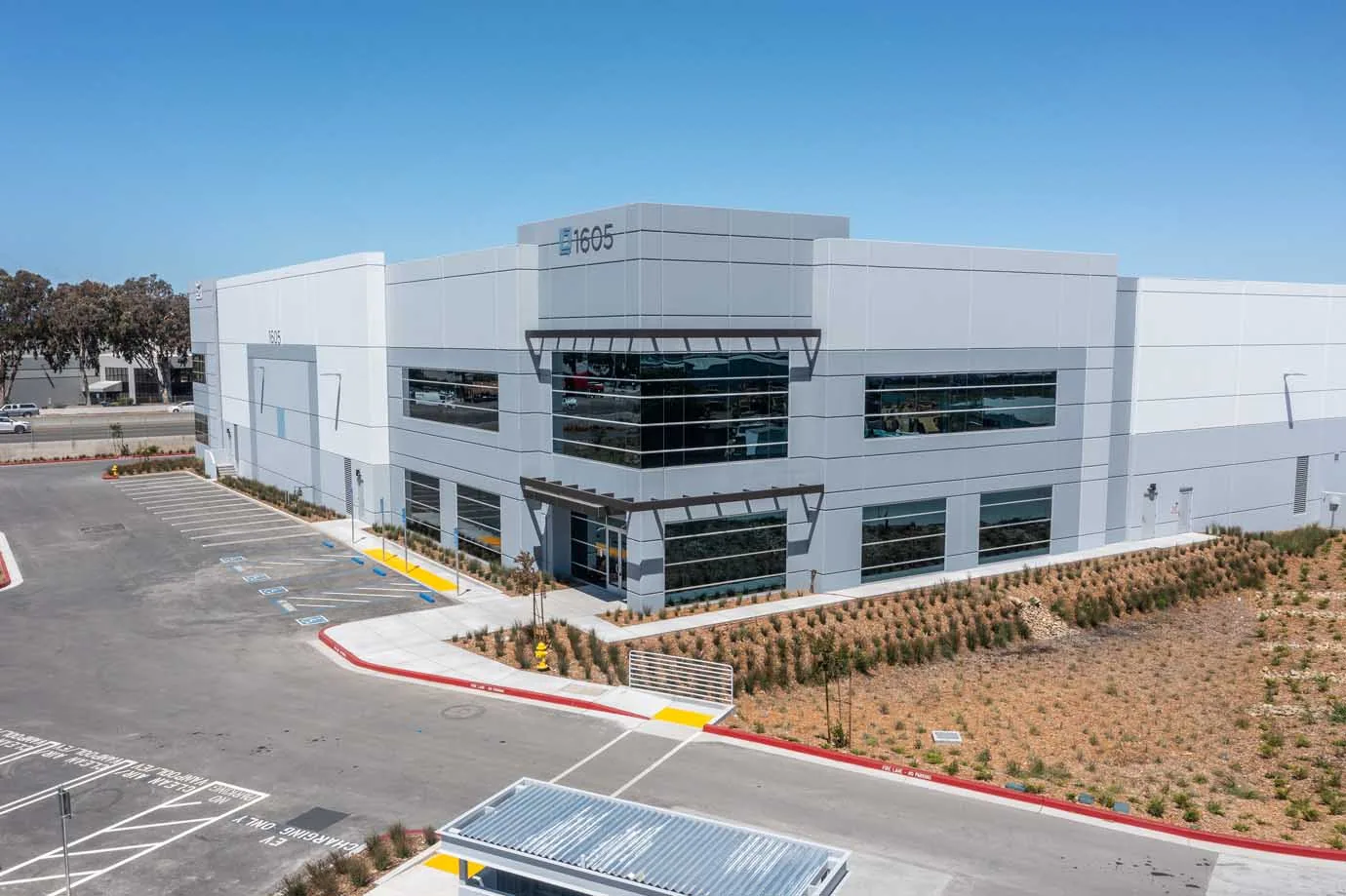
Overland Park connects to the region through I-35, I-435, I-635 and U.S. 69. That network is transportation context, not proof of a property's loading access or roof layout. We confirm the actual dock schedule, lift path and area that must remain in service. Manufacturing roof work may hinge on production equipment; a 3PL operator also needs the inbound, picking and outbound sequence protected while the roof is open. We agree which aisle stays clear, where a spotter is needed and how deliveries will be separated from hoisting. Those are site decisions, not default assumptions.
Keep the dock route usable
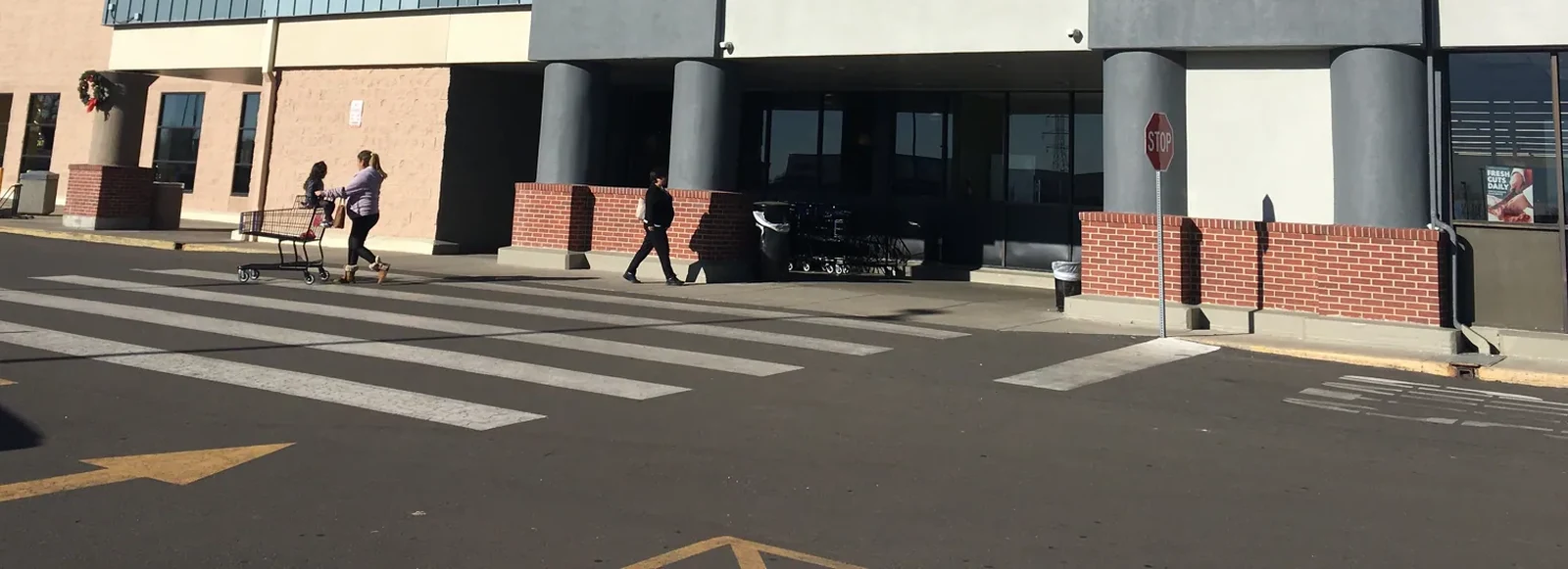
Before mobilization, we walk the route from the staging area to the roof. The operations lead identifies truck lanes, trailer positions, pedestrian paths and shift changes that cannot be interrupted. We set a material drop point and a roof opening limit that can be closed at the end of the work window. If a lift cannot occupy a dock lane during a dispatch peak, the schedule must reflect that before an estimate is approved.
We also ask which inventory areas need overhead protection and whether racking limits access below the repair. The crew can phase a project across roof sections only if the transitions remain watertight and goods can be moved clear. A phased occupied-building reroof identifies where work advances and which aisle or equipment zone remains untouched. We confirm each day's closure with the site contact instead of relying on a broad promise about uninterrupted operations.
Trace the leak above stored goods
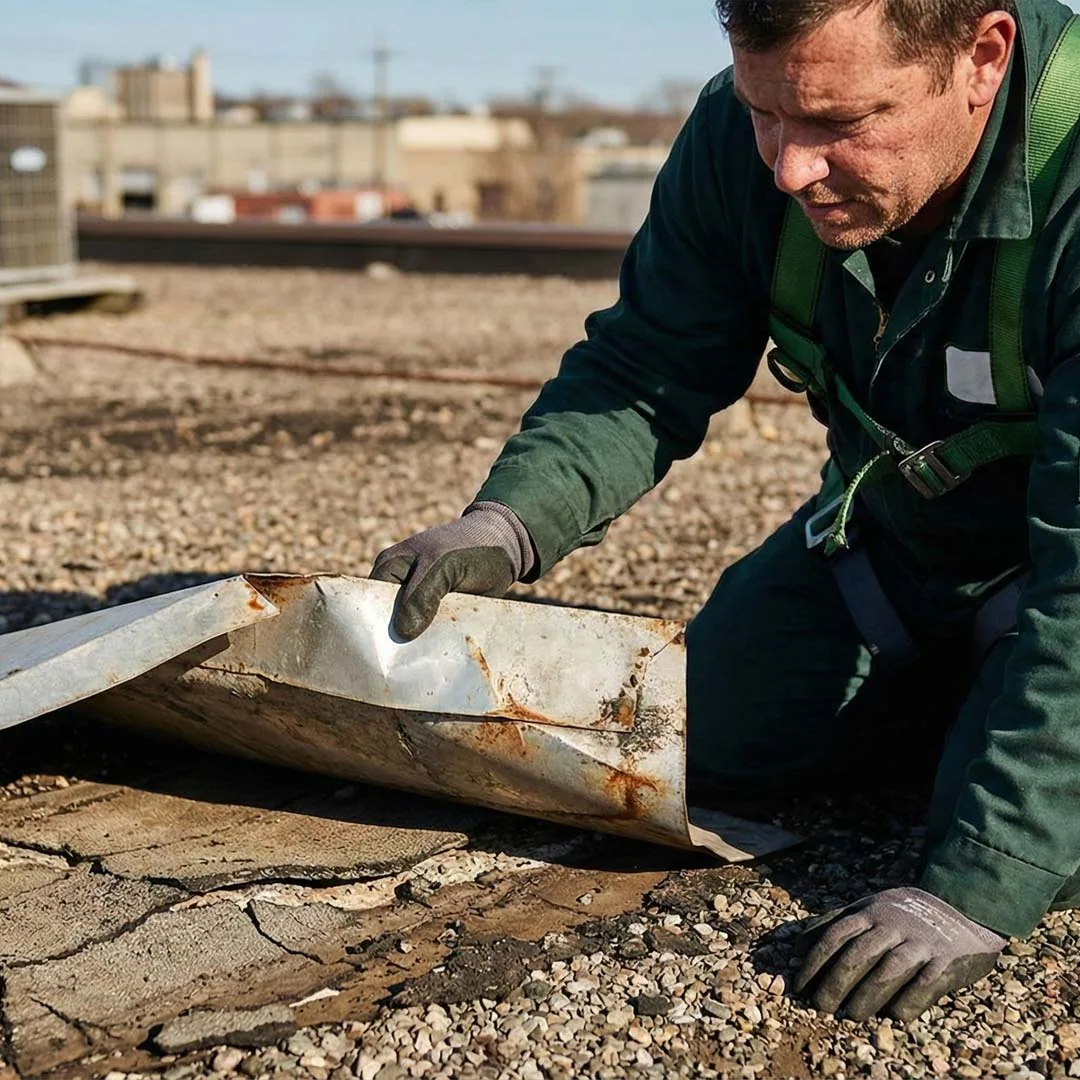
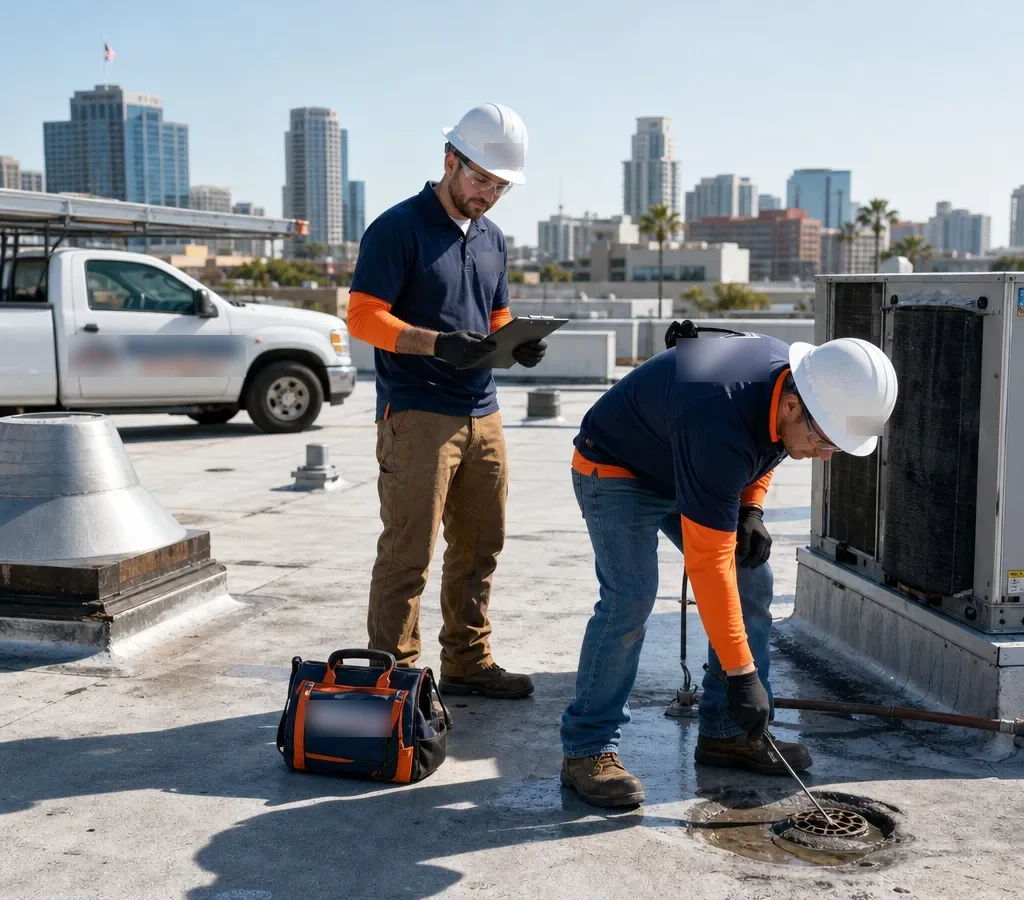
A ceiling drip may be displaced from the point where water entered. We compare its timing with roof drainage and inspect nearby seams, curbs, skylights and wall transitions. We follow low areas toward drains and scuppers, then check whether debris, standing water or a failed connection is contributing. Photos record the path and the repair boundary. If the assembly must be opened to distinguish wet insulation from a surface defect, we explain the location and closeout method first.
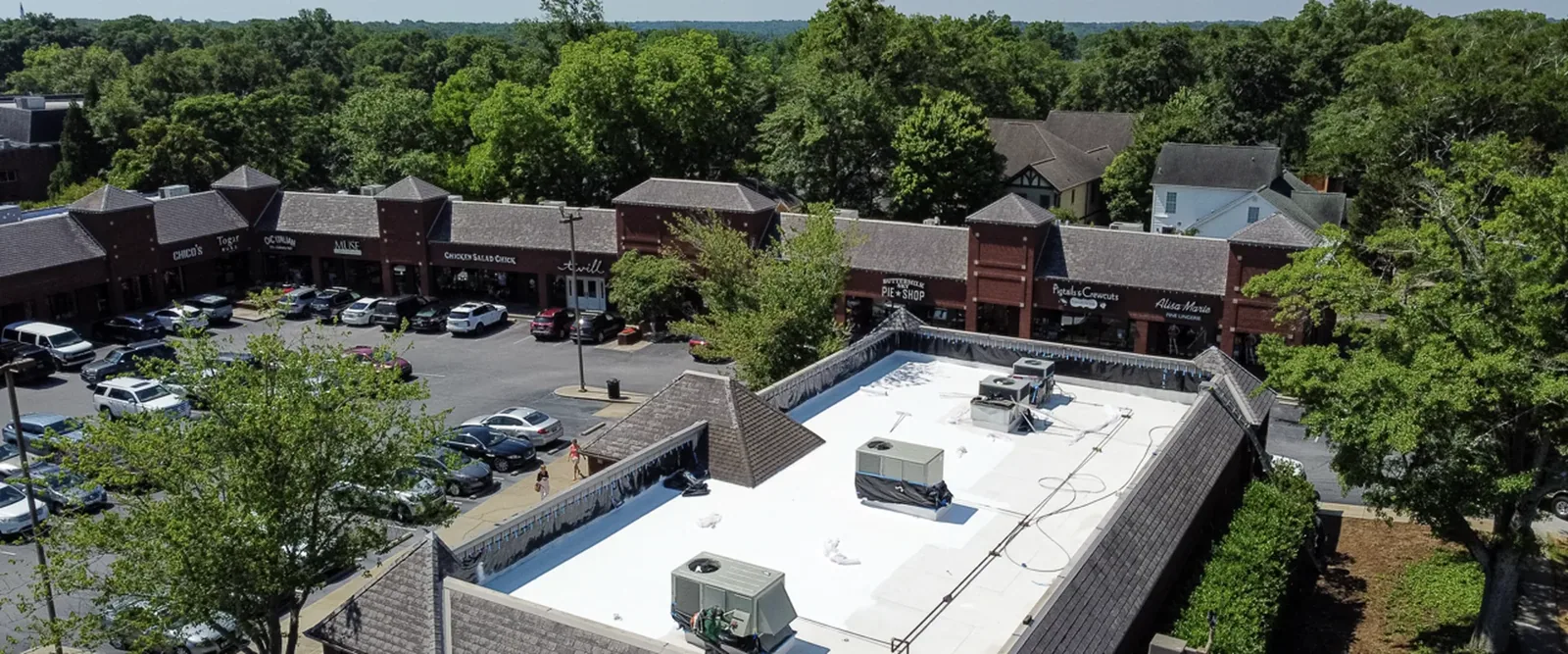
Warehouse roof fields can contain many units and penetrations. Each curb detail is checked for movement, split flashing and previous work that may affect material compatibility. The operator can tell us whether a unit is scheduled for service or a conveyor change. We coordinate that trade before rebuilding the connection. A located leak repair can stay narrow when the surrounding field is sound; a broader condition requires its own evidence and approval.
Protect inventory through a changing forecast
Regional Kansas City winter conditions include cold temperatures and snowfall, while July brings heat and normal precipitation. Those patterns affect adhesive handling, crew pace and the size of roof that can safely be open. We check product requirements against surface conditions and the forecast. Each phase ends at a prepared tie-in or temporary closure point. A shower should not force an operator to choose between keeping goods covered and accepting an incomplete roofing detail.
Local storm records also help direct inspections. The May 2000 hailstorm crossed Overland Park, Merriam and Leawood, and the June 2022 EF-1 tornado tracked from Lenexa through Overland Park. Neither record proves damage at a distribution building. After a report, we inspect the actual membrane, edge metal and equipment flashing. If water is entering, emergency roof response can protect the exposed area while a documented permanent scope is prepared with the site manager.
Size repair and replacement to the evidence
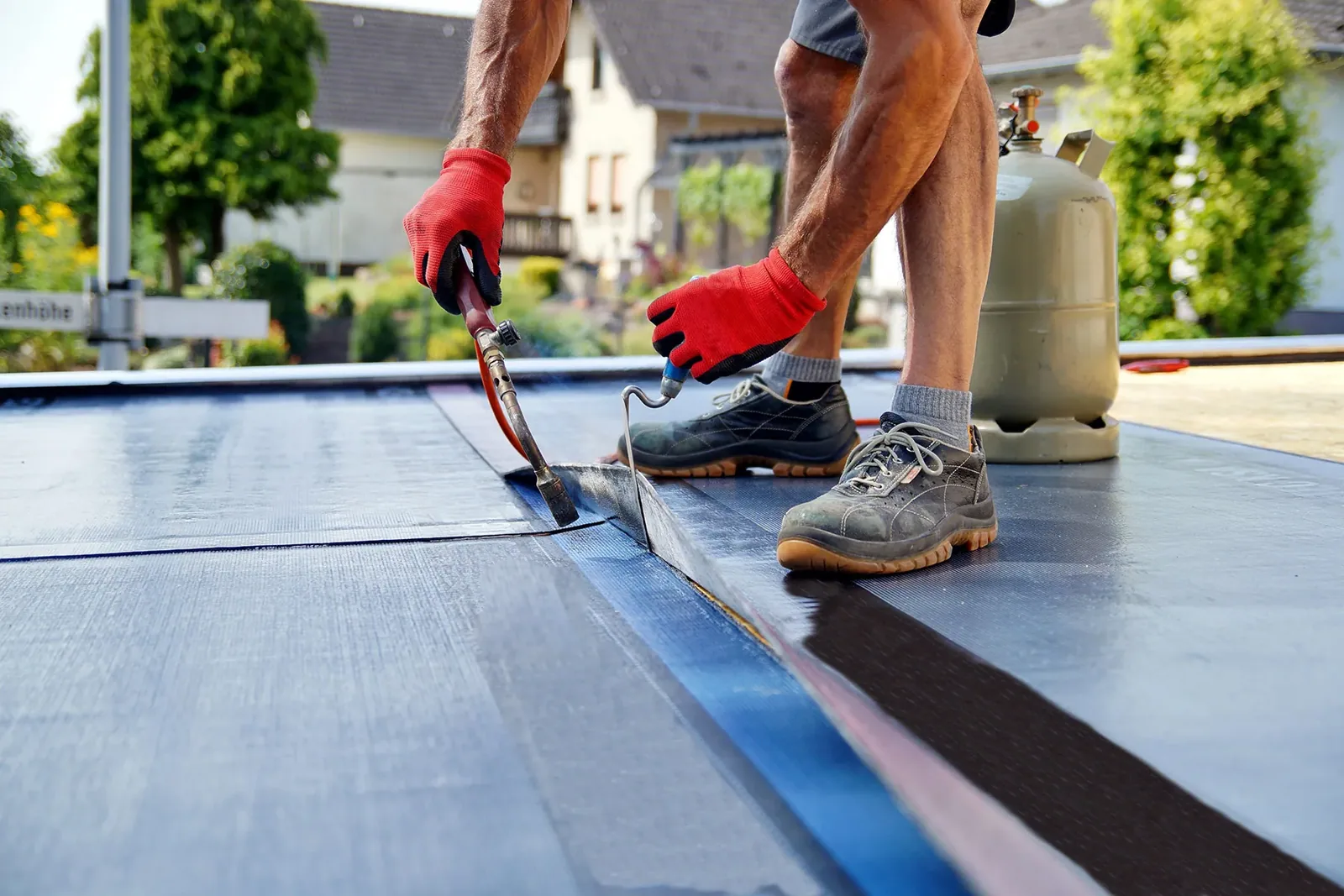
A repair can preserve a sound assembly when the defect is isolated and the repair material can bond to the existing roof. We identify the preparation, perimeter and any drain or curb connection included. Repeated seam movement, widespread moisture, loose attachment or a compromised edge may make a small patch short-lived. A selective opening can show whether the condition stops at one bay or continues beyond the visible mark.
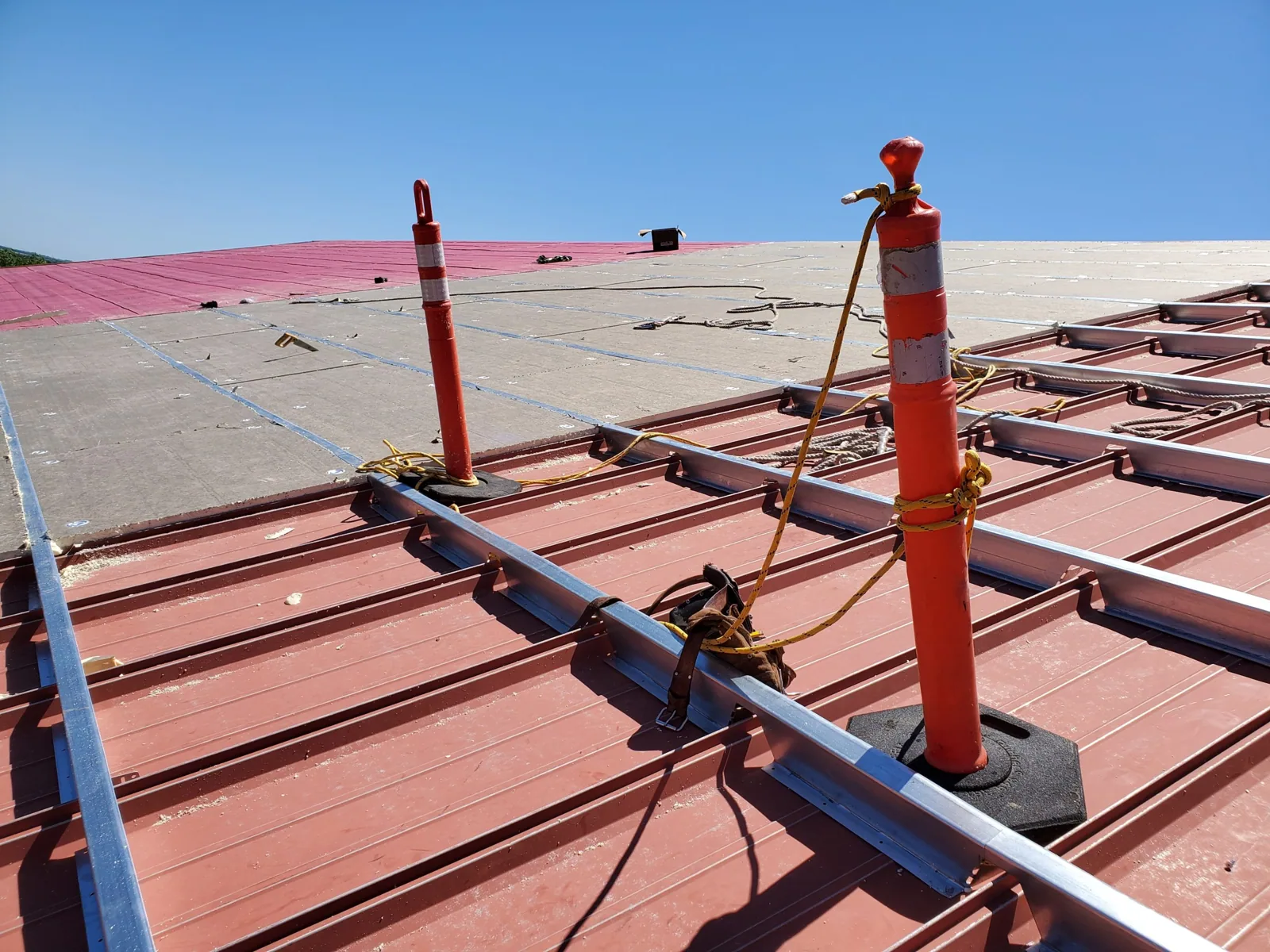
A recover avoids some removal only if the existing assembly, moisture condition and finished heights support it. Added layers can change curb clearance and drainage. Replacement opens the assembly for broader work and requires a larger inventory and access plan. We compare the options on the same roof area and operational assumptions. The recover evaluation and replacement proposal show removal scope, temporary protection, material staging and the affected work zones before the operator approves a phase.
Tie closeout to the site map
At the end of a shift, the site team needs to know that the roof is closed and the work zone is clear. Our record shows the section opened, the material installed, the completed flashing and any area left outside scope. We identify a hidden finding that changed the work and the manager who approved it. A ground-level check confirms that staging, debris and access controls are removed or reset before dispatch resumes.
Overland Park's 79th Street study connects Downtown, Metcalf Avenue and Antioch Road, while the city's larger highway links serve different access patterns. Neither tells us which gate a driver should use at an individual property. We verify that with operations and preserve the route in the job record. A condition report can support later maintenance by linking each photograph to a roof zone and date, rather than leaving inventory staff to reconstruct the repair from an invoice.
Plan the next roof phase
For a multi-section project, we set a sequence that identifies the opening size, dry-in method, shift handoff and next-day inspection. If operations change, the site contact can stop the next phase without leaving the previous one exposed. The approval path names who can accept a scope change when wet insulation or deck damage appears. That decision is documented before additional removal begins.
A property manager may need one record across several buildings; a managed-property review can preserve that portfolio view without merging conditions. A capital review can summarize the investment need while retaining each roof's evidence. For a site near the 95th Street and Metcalf area, we confirm actual traffic and staging conditions on the visit. Schedule a roof inspection with the operations lead who controls the dock, work window and daily closure.
Before the next phase, we review the prior day's closeout with the operator. The check confirms that temporary cover remained secure, drains stayed open and no material was left along a travel path. If an inspection finds a change, we mark its zone and decide whether to adjust the planned sequence or hold the next section. A 3PL manager can communicate that status across shifts using a short roof map and photographs. The map should identify work limits and access, not expose client inventory or security details in a public-facing record.
Commercial Roofing Questions
Can a warehouse stay open during reroofing?
We phase work only after operations, inventory protection, lift access and a watertight daily closure are agreed.
How do you protect inventory below a leak?
We locate the affected zone, define immediate protection and document the roof opening before permanent removal proceeds.
Does the highway network determine truck access?
No. We confirm the gate, dock schedule, staging area and lift route with the site's operations lead.
What if a leak spans more than one bay?
We document the new boundary and request approval for a selective opening or broader scope before removing additional material.
Related Roofing Work
Set the dock-safe work window
Schedule a roof inspection with Commercial Roofing Overland Park. We will document the repair footprint, loading access and daily closure plan.