
PVC Commercial Roofing in Overland Park, KS
Home / Roof Systems / PVC Commercial Roofing
Get a Free Roof Assessment - Call 555-555-5555
What Property Owners Should Know
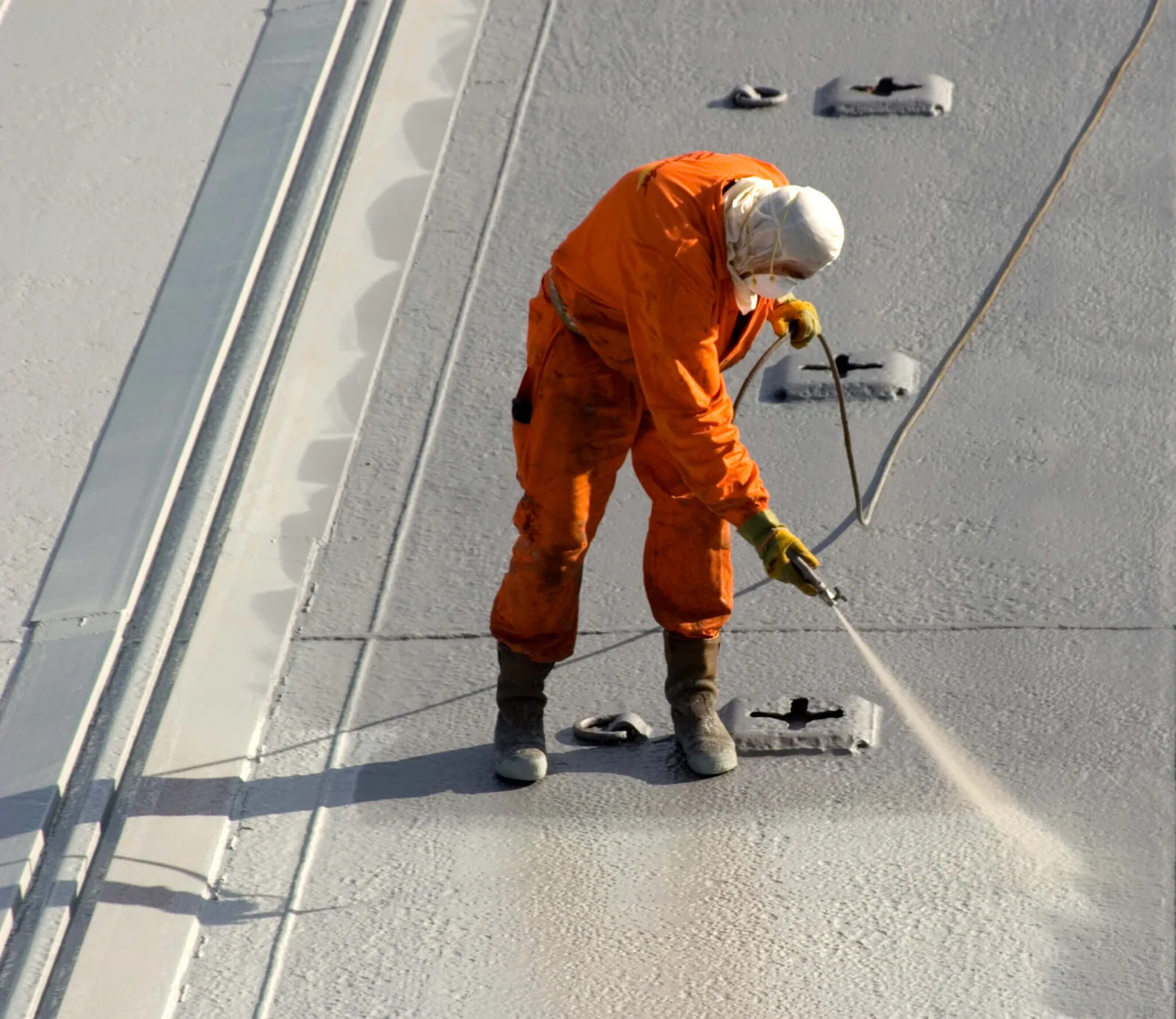
An exhaust outlet changes the material check at the roof beside it. Inspect the discharge area before choosing a PVC assembly or repair detail. PVC commercial roofing in Overland Park, KS, needs a complete look at the existing surface, equipment exposure and supporting layers. We identify the roof material and the condition of its seams and flashing. The recommendation follows the actual building, not a general assumption that one membrane suits every chemical or operating condition.
Overland Park has healthcare, office and retail uses. Downtown brings business activity together with multifamily housing and civic space. Corporate offices near 95th Street and Metcalf add another occupied-building setting. Those settings create different access and equipment limits during roofing. We review the particular property and describe a suitable work sequence. Roof inspection findings establish what can remain and what needs investigation. A PVC proposal should then state the preparation, attachment and details needed for the assembly rather than only the surface being purchased.
Inspect sheet and weld condition
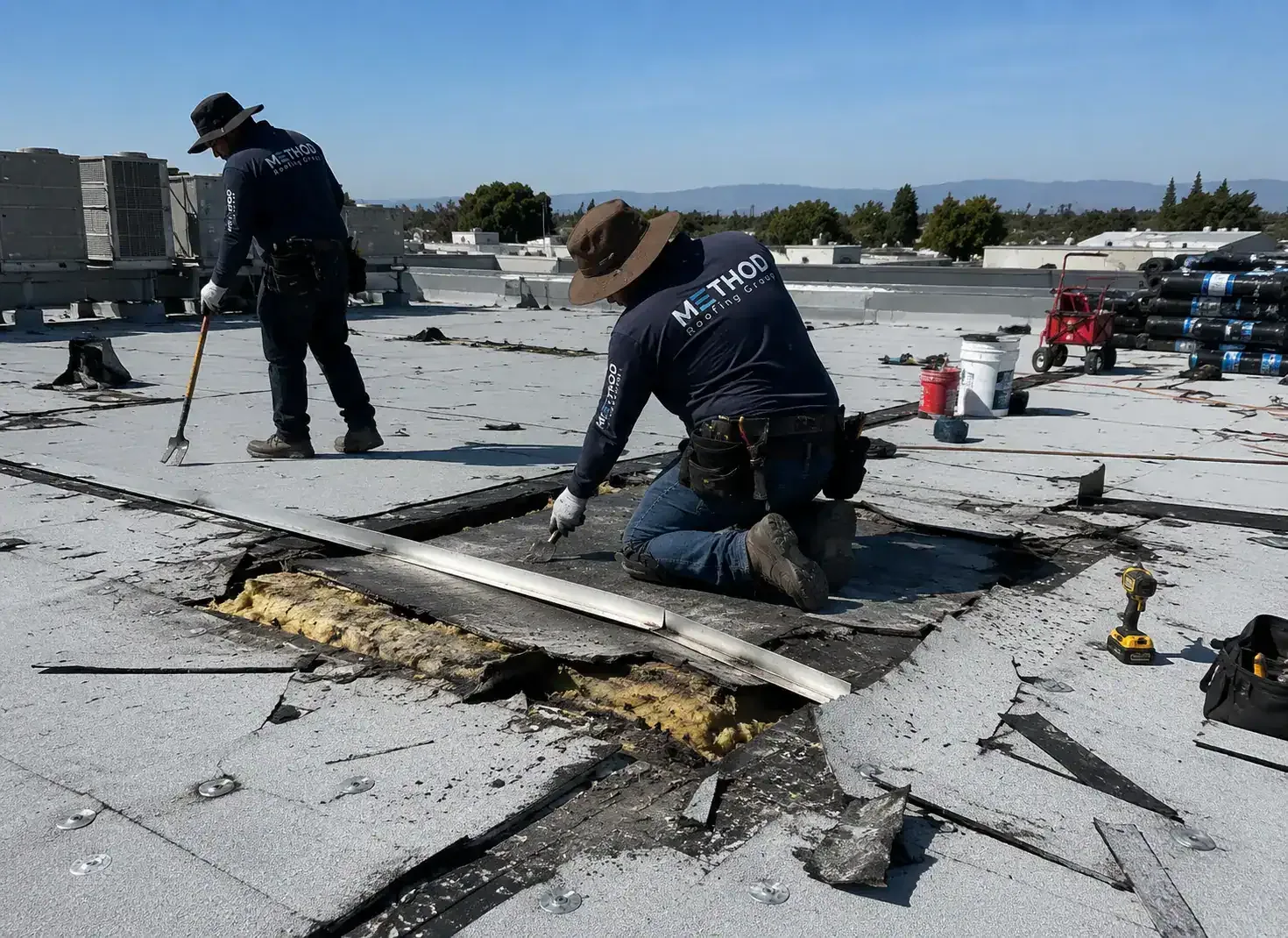
A lifted seam or damaged corner needs examination of the surrounding sheet. We assess weathering, contamination and previous repairs before selecting the new connection. The repair should use materials and methods compatible with the existing PVC system. Cleaning and preparation matter at the weld area. An unsuitable surface cannot be made reliable simply by placing a larger patch over it.
We look for punctures, stressed transitions and support concerns beneath the membrane. Soft or wet areas may require testing and local removal. A seam that has repeatedly opened may indicate another condition affecting the connection. The inspection should identify that finding and describe the correction instead of repeating the previous footprint without checking why it failed.
A PVC leak repair can be localized when the surrounding assembly remains suitable. Wider deterioration or unknown layers can change that decision. We explain the evidence that supports retaining material and any further investigation needed. The manager should understand the work boundary before authorizing a repair. A sound local connection is different from a surface treatment that leaves damaged insulation or an unresolved equipment condition below it.
Review exposure and material compatibility
The actual discharge or chemical exposure at the roof needs identification. PVC can be an option where its documented material suitability fits the project conditions. That suitability should be checked for the chosen system and substance, not assumed for every chemical. We inspect contamination and explain any preparation or specialist information needed before installation.
A TPO alternative has different properties and accessory requirements. A KEE roofing system also needs evaluation against its own product information. We compare these choices with the building exposure, service traffic and substrate. The proposed assembly should include separation or supporting layers where required rather than overlook compatibility beneath a new membrane.
Previous coatings and patches can complicate material identification. We check the intended connection area and review available documents. Loose or incompatible material may need removal. Product selection should follow those findings and the system installation requirements. The manager gets a scope that explains why preparation or a particular detail is necessary. That is a clearer decision than choosing a membrane because its name appears on a general list of systems without a link to the roof conditions.
Set the deck and insulation scope
A new PVC surface needs suitable support and attachment. We inspect the accessible deck condition and the layers being retained. Wet insulation requires an appropriate removal decision. Damaged material must not become the foundation for the new roof merely because it is concealed. Authorized openings or other suitable testing can help establish the construction where the record is incomplete.
Insulation and cover-board work should be coordinated with the finished elevations at curbs and outlets. Raising the field can reduce available flashing height and alter the approach to a drain. We assess those changes before selecting layer thicknesses. Equipment or drain adjustments may need another trade involved in the construction sequence.
The applicable city requirements include local amendments to the adopted 2024 building and energy codes. We review the proposed work against the relevant requirements and project design. A previously installed assembly does not settle the specification for a new one. Attachment, thermal needs and drainage remain separate parts of that decision. The proposal should describe them together so the manager can compare complete roofing work rather than a sheet installation with unspecified preparation beneath it.
Coordinate details with occupied rooms
A medical office roof can have particular restrictions on openings, noise or equipment interruption. We discuss the spaces below and the units serving them before removal is scheduled. The work sequence should identify the area opened and how it will be closed. A suitable membrane still needs a usable construction window for its preparation and connections.
Regional summer heat and winter cold change installation conditions. January snow can conceal details or limit roof access. We review material requirements and the actual weather before setting the stage size. Temporary protection should account for water arriving from adjoining retained sections. The manager needs the closing procedure before an occupied room is exposed by removal.
In Downtown Overland Park, businesses and residential uses can affect delivery and access arrangements. The site check establishes those limits for the actual building. Equipment curbs, wall transitions and drain connections may require more time than open field installation. We include that detail work in the scope. Cost also follows wet-area removal, disposal and the substrate condition. These drivers should be clear before comparing PVC with another complete assembly.
Keep future repairs compatible
The completed roof needs a record of the material system and repaired details. We inspect the seams and transitions, document the finished work and identify any remaining issue outside the agreed scope. Later equipment alterations should use compatible flashing and preserve clear routes for maintenance. Record any new coating, patch material or equipment change with its location and date. An altered bond area can affect how a later PVC repair is prepared. Keeping that information available helps the next inspection distinguish original materials from subsequent work instead of assuming every surface on the roof can be joined in the same way. A new membrane can be damaged by unprotected trade traffic or an unsuitable patch.
Review any issued warranty terms with the provider and keep the relevant documents available for service. The coverage should match actual work rather than an assumed standard duration. Arrange the PVC assessment with available roof history and operating restrictions. We will inspect exposure, support and connections, then explain the complete repair or installation limits.
Commercial Roofing Questions
Is PVC suitable beside every exhaust discharge?
The substance and selected system information need checking. We inspect the actual exposure and identify any preparation or further evaluation required. Material suitability should be established for the project conditions.
Can PVC be patched with an unidentified old repair material?
Compatibility and condition need confirmation before a permanent connection is selected. Unsuitable material may need removal. We inspect the patch area and specify the preparation that supports the repair.
Why include insulation work in a membrane estimate?
The supporting layers affect attachment, thermal performance and detail heights. Wet or damaged material can change removal needs. We define those components with the surface so the proposal describes a complete assembly.
How should equipment work be planned after installation?
Coordinate new penetrations and service routes with the roof system requirements. We inspect the interface and identify compatible flashing or protection. The roof documents help keep later repairs appropriate to the installed material.
Related Roofing Work
Set the work limits
Schedule a PVC condition assessment with equipment exposure and access information. We will establish compatibility, preparation and the permanent roofing detail.