
Roof Damage Repair in Overland Park, KS
Home / Roof Damage Repair
Get a Free Roof Assessment - Call 555-555-5555
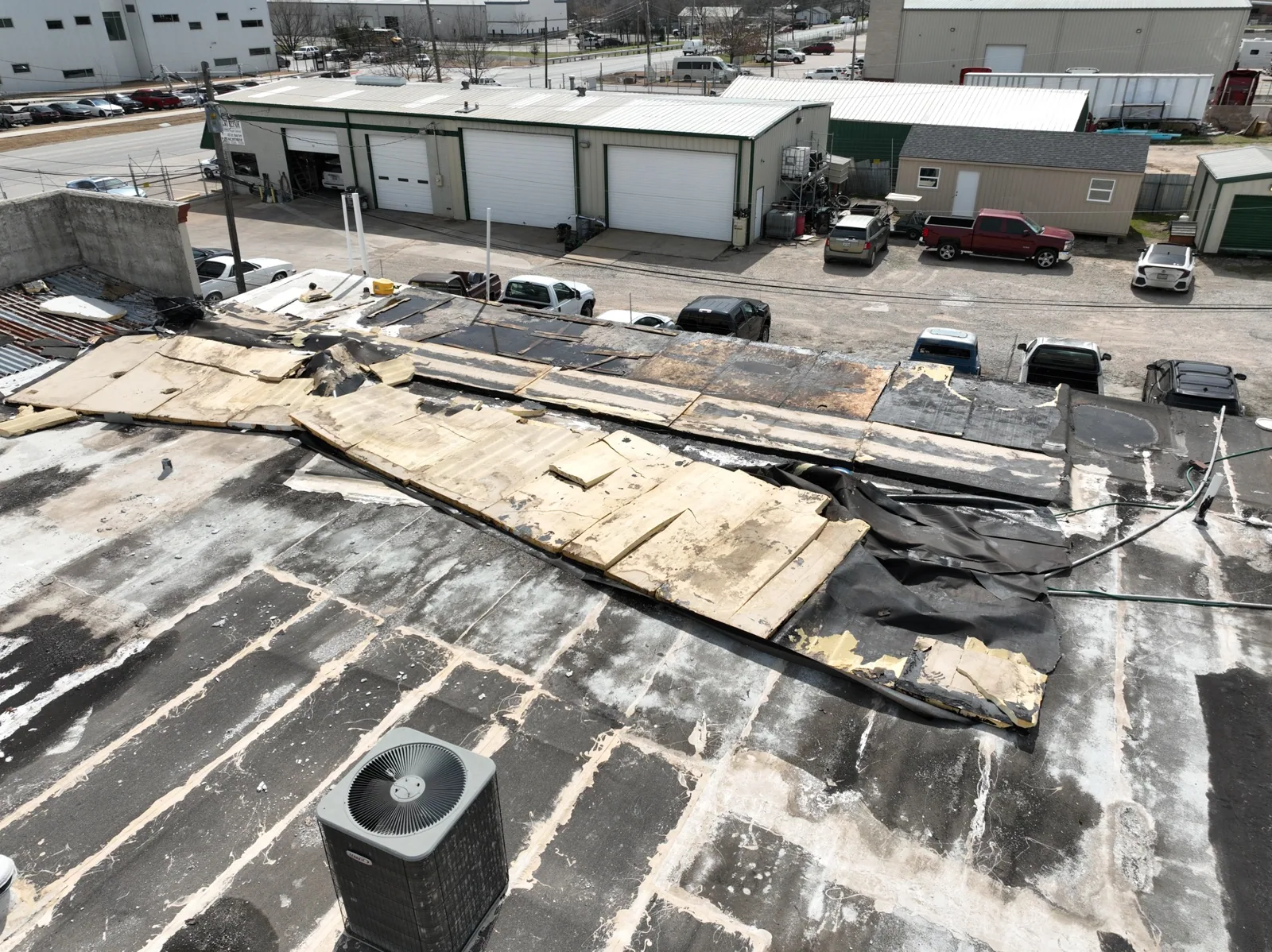
Visible damage is only one part of a roof repair decision. A torn membrane, displaced edge or wet ceiling needs inspection above and below the reported area. We identify the opening, check nearby seams and flashing, and set the repair footprint to reach sound material. The manager receives a record of current conditions and a work sequence that protects the building while permanent repair proceeds.
The Johnson County hail episode in May 2000 included stones up to 1.5 inches at Merriam, Overland Park and Leawood. In June 2022, a tornado crossed into Overland Park from Lenexa, carried an EF-1 rating and had estimated peak winds of 100 mph. These events give context; the roof inspection establishes current conditions. Inspect the assembly and connect the observed condition to the repair.
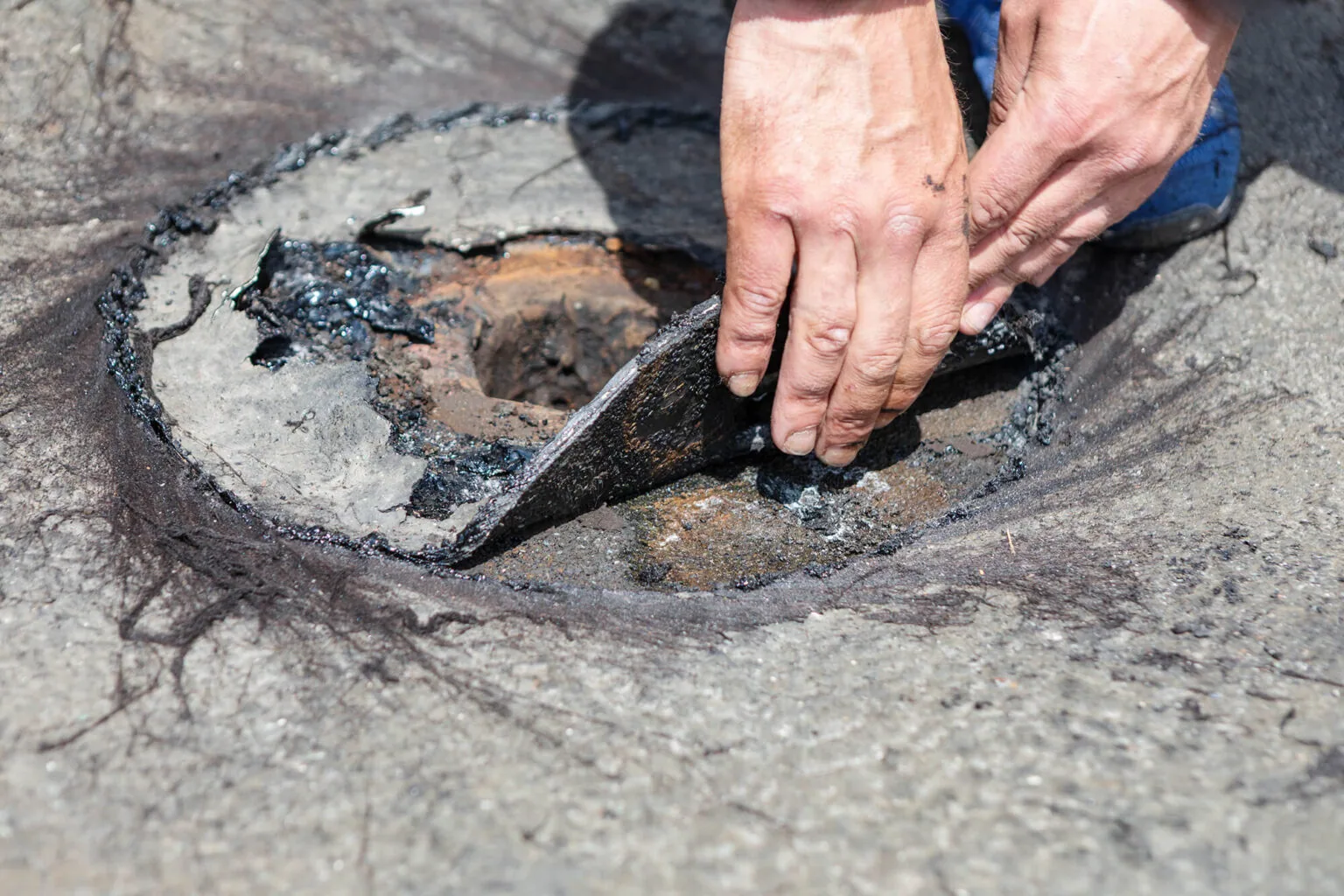
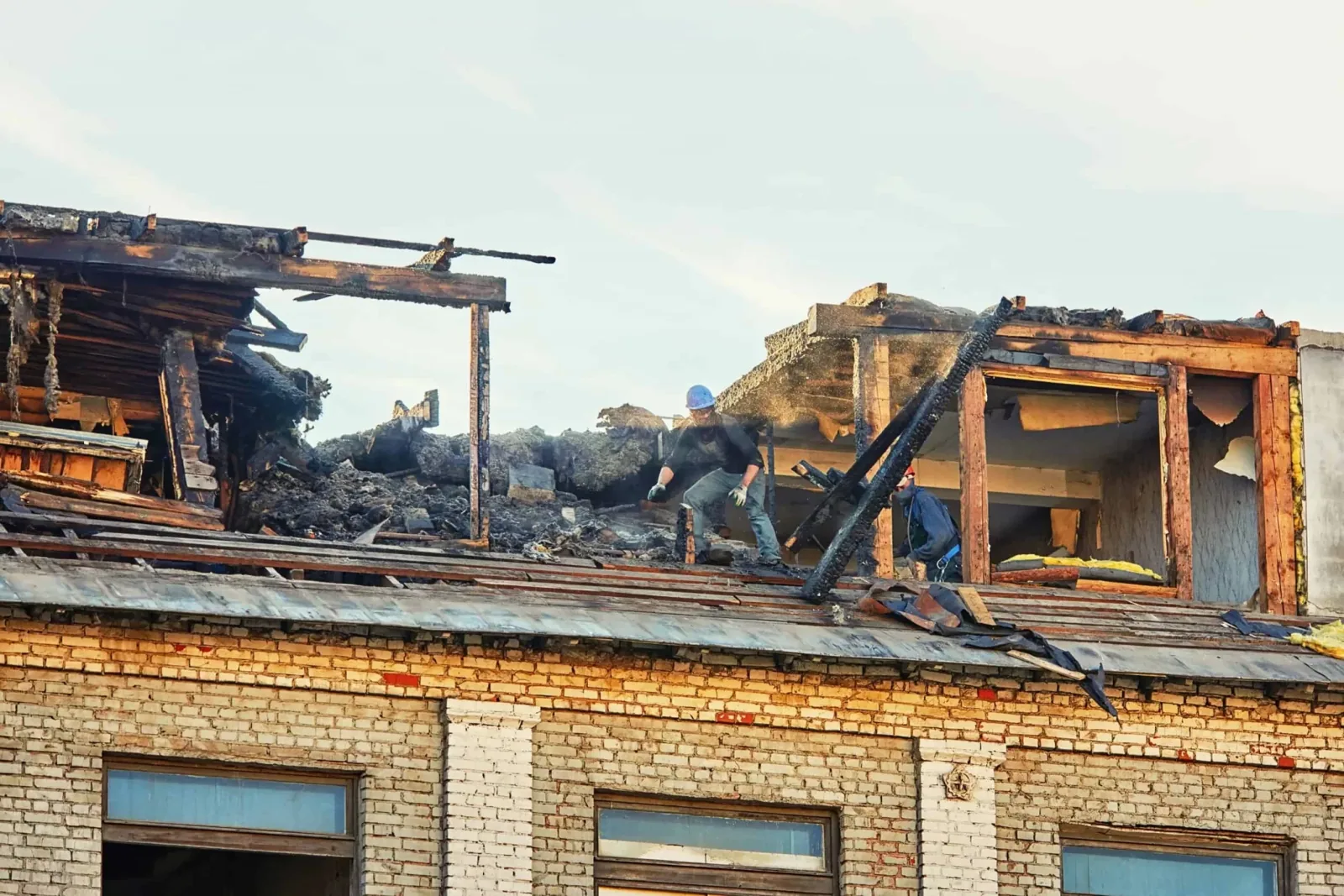
Control the exposed area
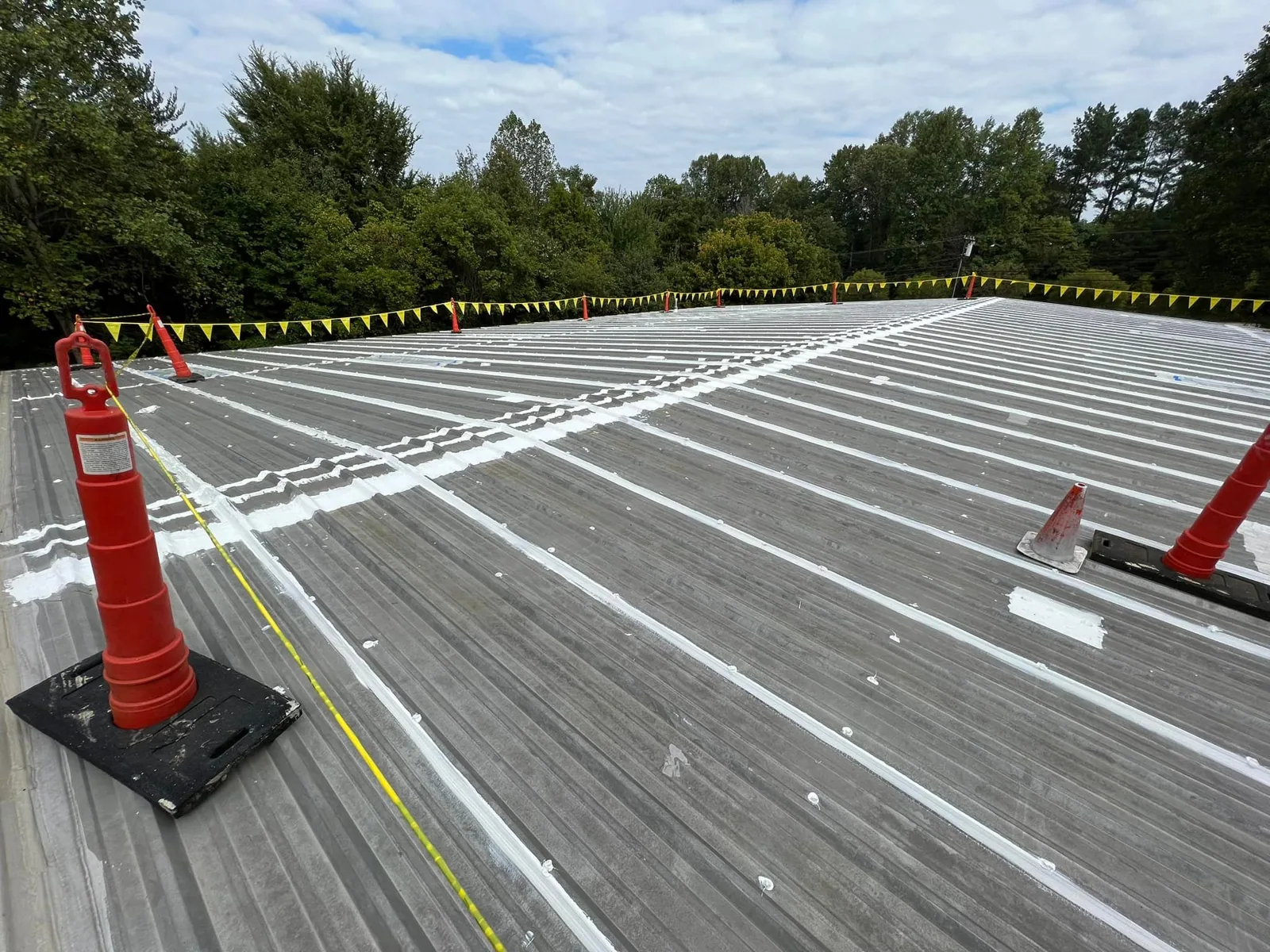
For active water entry or a loose roof edge, the first work may be temporary stabilization. We protect the exposed area where conditions allow, then inspect the surrounding membrane and supporting layers. After-hours response is available nights, weekends and holidays when a roof exposure needs immediate attention. Emergency work needs a clear boundary and a follow-up plan for permanent materials. Do not let a temporary cover hide moisture or prevent the full repair inspection.
Wind damage can affect edge metal, fasteners, seams or flashing. Tornado damage may involve a broader opening and displaced materials. The scope depends on what remains attached and what water reached after the event, with temporary protection tracked separately from permanent repair.
Separate surface and concealed damage
Hail review documents the surfaces and details that show impact. A historic storm report does not prove current damage. We photograph present conditions and check whether seams, penetrations or flashing have failed. If water reached insulation, removal may need to extend beyond the visible mark. The report identifies where additional testing could change the boundary.
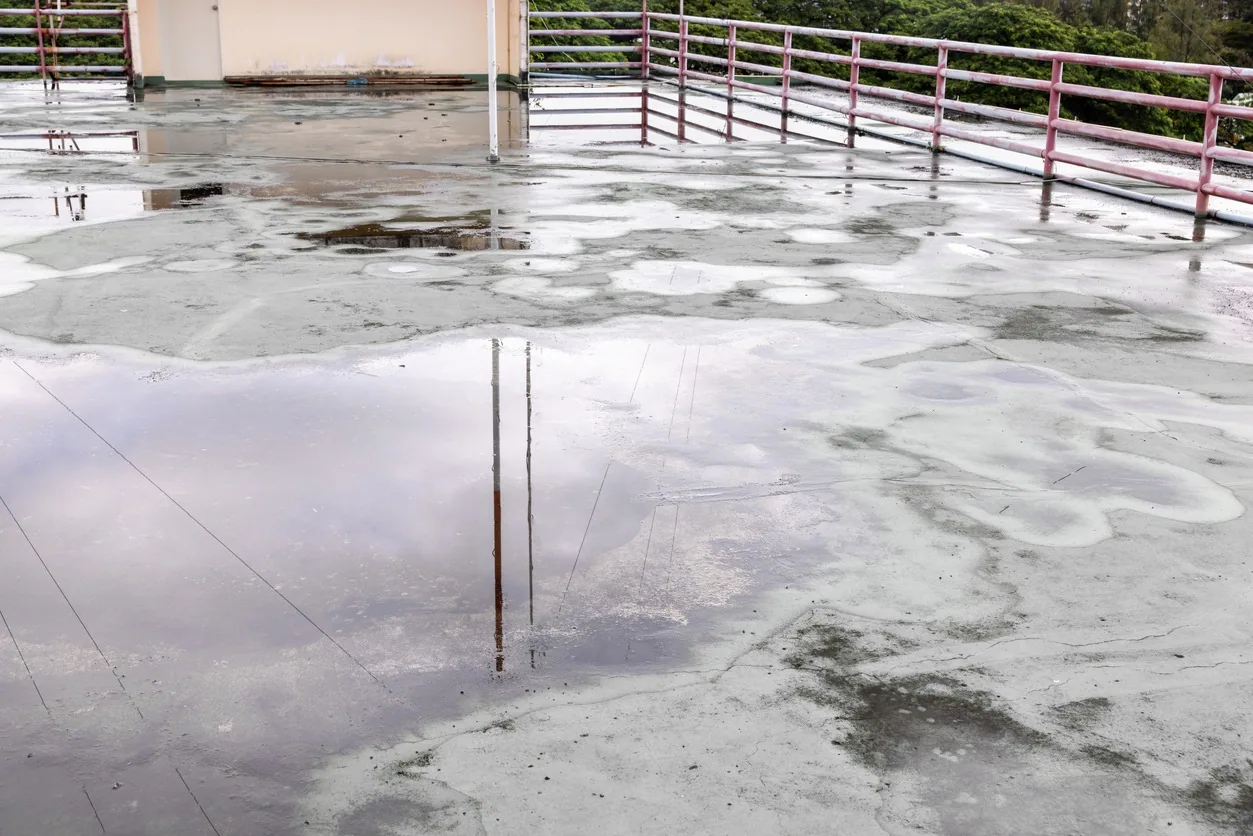
A membrane puncture, failed flashing or open seam each calls for a compatible repair detail. Ponding water requires attention to drainage as well as the membrane. The repair should solve the observed failure path without covering unresolved wet material.
Match the method to the assembly
Heat and ultraviolet exposure can age surfaces, while regional winter cold and snow can complicate access and temporary protection. The Overland Park area also sees summer heat and rain. We inspect for the actual effect on the system rather than assigning damage based on season alone. A heat and UV review looks at surface condition, seams and transitions; snow and ice repair checks drainage and the route water takes during thaw.
Fire exposure may affect membrane, insulation and deck differently across a roof. A fire-damage inspection separates heat-affected material from the area that can remain. The estimate states removal depth, tie-ins, temporary cover and the conditions that still require confirmation.
Return to a permanent detail
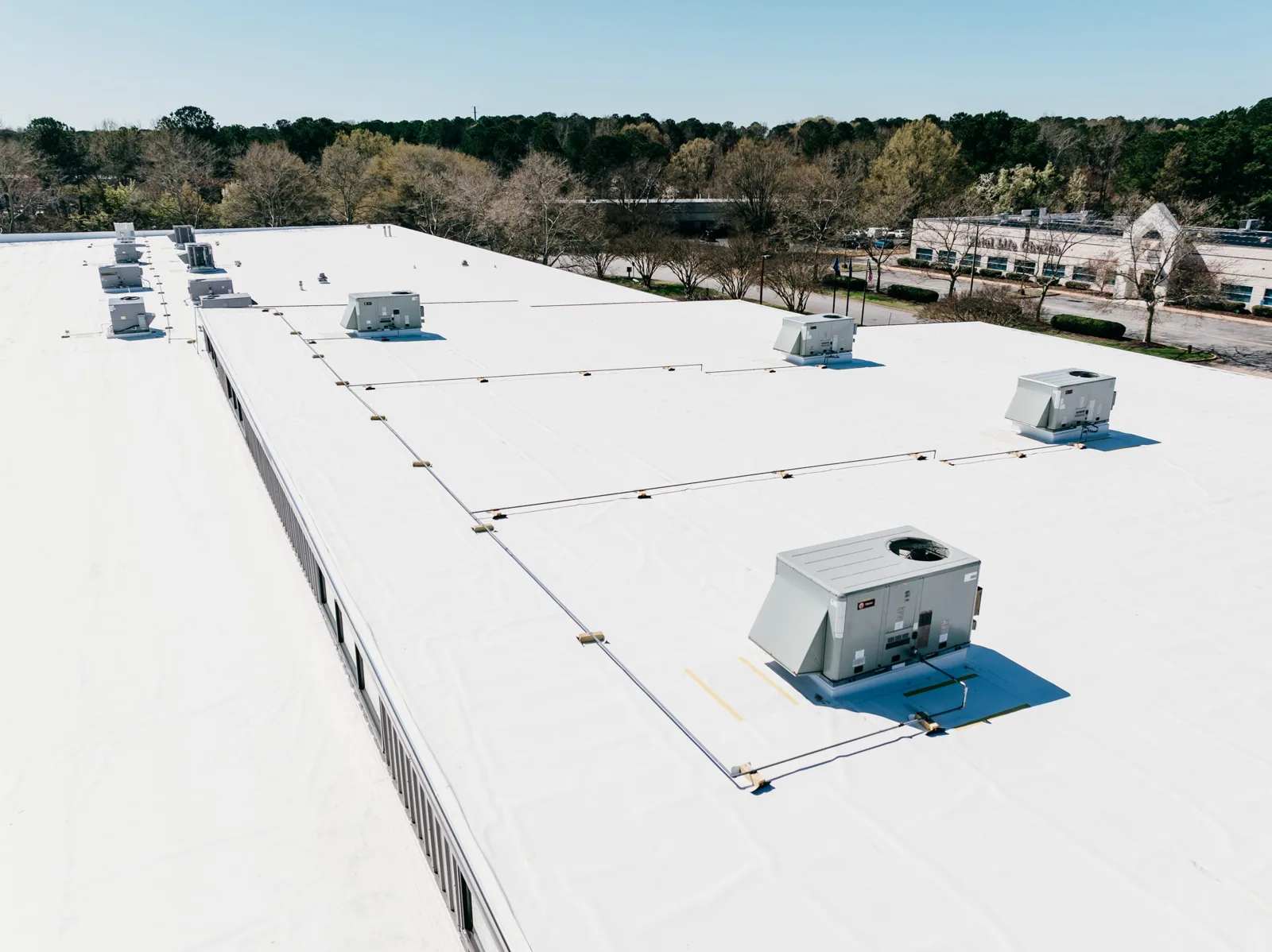
A temporary cover is a control measure, not the final roof assembly. Record where it was placed, check that it remains secure and schedule permanent repair when weather and access allow. The closeout should show the final tie-in and any condition still needing follow-up.
Commercial Roofing Questions
Does the local tornado record prove roof damage?
No. It describes a regional event. We inspect the property and document any displaced material, damaged flashing, punctures or water entry that are present.
What should be done while a leak is active?
Protect the occupied area and report the location. We assess the roof exposure, apply a temporary measure when appropriate and follow with an inspection for permanent repair.
Can hail damage be assessed from a ground photo?
A ground view can show context but may not reveal seams, flashing or membrane impact. We inspect and photograph the roof surface and details that affect the repair.
When does storm repair require removing insulation?
When inspection or testing finds wet or unstable material, removal should reach a sound tie-in. The estimate identifies the known limit and explains how concealed findings will be reviewed.
Document the current condition
Schedule an inspection after a leak or storm change. We will stabilize immediate exposure where possible, document the roof evidence and set the permanent repair boundary.