
Heat and UV Roof Damage Repair in Overland Park, KS
Home / Roof Damage Repair / Heat and UV Roof Damage Repair
Get a Free Roof Assessment - Call 555-555-5555
What Property Owners Should Know
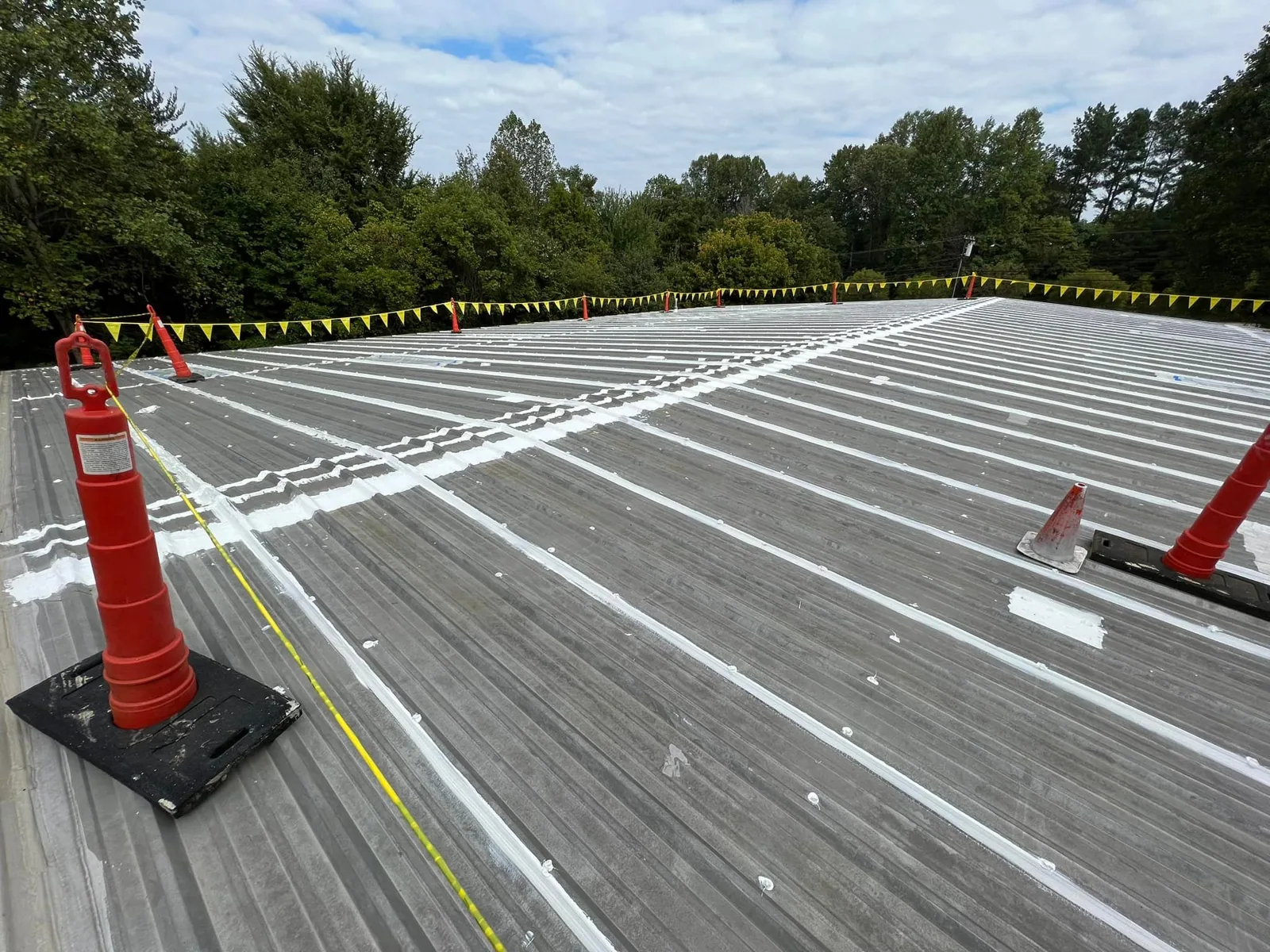
A membrane that has turned brittle or started to pull back at a curb needs a material check before another patch is applied. We inspect the exposed surface, seams and transitions, then decide whether the roof remains suitable for a local repair. Heat and UV roof damage repair in Overland Park, KS, depends on the system, its age and what the layers beneath can still support. The repair choice may be a patch, a coating restoration, a recover or a larger replacement scope.
Kansas City regional July normals show daily highs reaching 87 to 89 degrees, while January nights can fall near 19 to 21 degrees. Those station readings are regional context, not roof surface temperatures. The cycle still makes movement and surface aging relevant to an inspection. Along the 135th Street retail corridor and around Downtown Overland Park, occupied use and access affect the work window. We set the inspection and daily closure around the building. A roof coating evaluation can determine whether the existing assembly is a suitable base for restoration.
Read the surface condition
UV exposure can change a membrane or coating surface over time. We inspect for checking, cracking, chalking, exposed reinforcement, shrinkage and loss of adhesion. Those observations matter when they affect waterproofing or the bond area needed for repair. A faded surface alone does not establish that the roof has failed. We identify the material and compare the visible wear with seams, flashings and prior repairs.
Regional summer heat also affects how a surface feels and how a repair material must be applied. We check the roof conditions against product requirements rather than assume an air-temperature reading describes the membrane. On a large roof, wear can vary by exposure, drainage and rooftop equipment. We map distinct areas so a repair or coating scope does not treat the full assembly as uniform. The manager can review whether deterioration is concentrated at transitions or repeated across connected sections.
Inspect seams and transitions
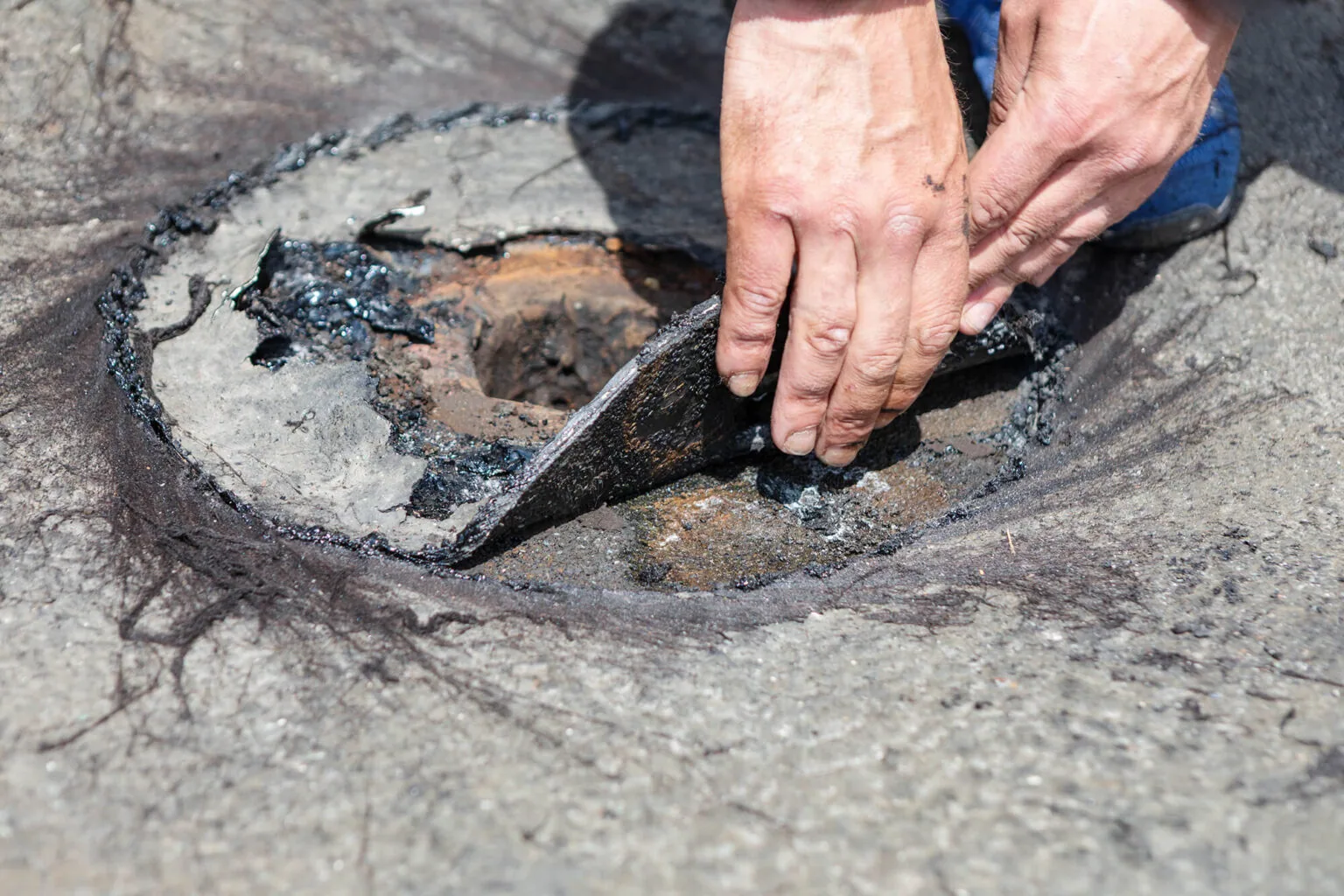
Repeated heating and cooling can stress joints and details. We look for sheet pullback at curbs, open laps, loose termination and cracks where the membrane changes direction. We check whether the substrate remains stable and whether earlier repairs have separated. A localized split may be repairable when enough sound material surrounds it. Wider shrinkage or multiple failed transitions can indicate that the repair footprint needs to expand.
Roof sections with different exposure can age at different rates. We inspect beside mechanical units, parapets and other shade or wind breaks, then compare the surface with protected areas. This helps determine whether the condition is a localized detail failure or broader material change. A brittle corner may need new flashing even when the field sheet remains serviceable. A worn field area can require a different repair than a single split at a curb. We note the boundaries so a proposal can price each condition clearly.
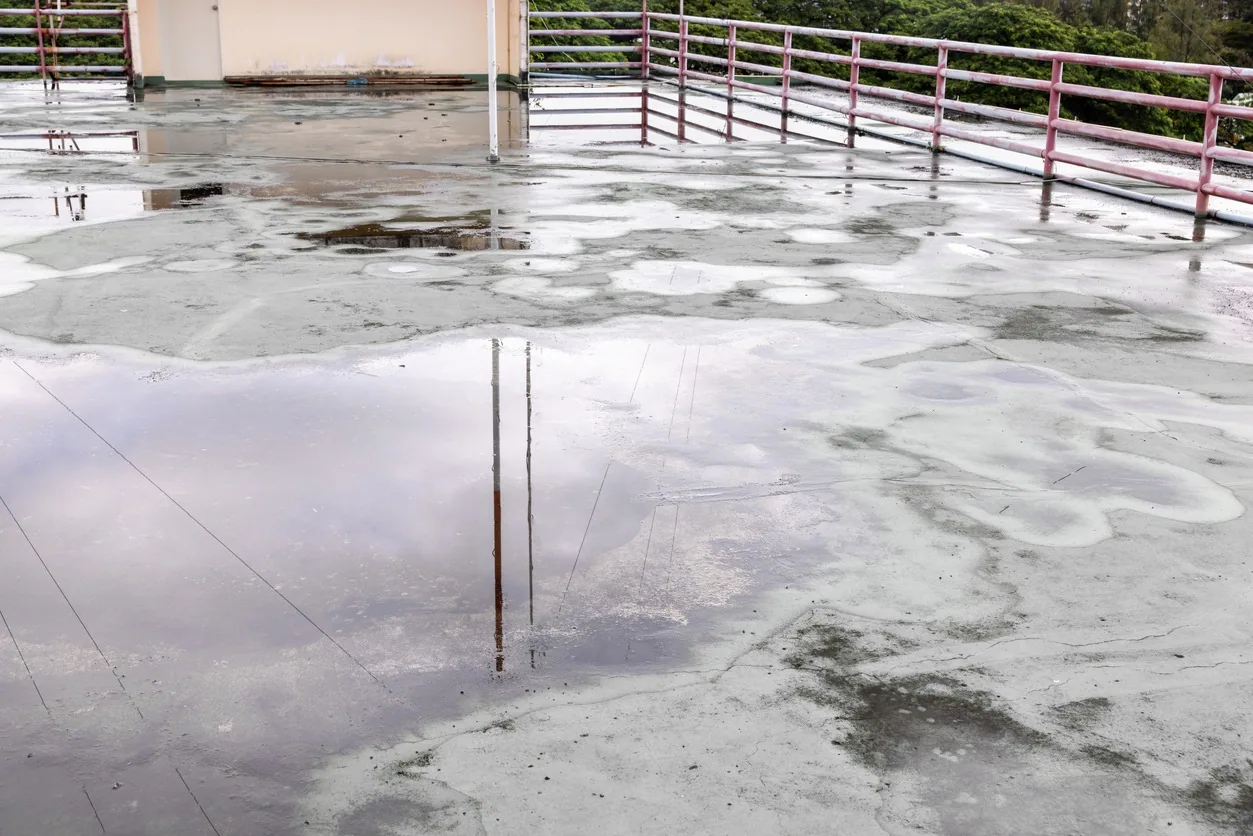
When the surface has cracked through or a puncture exposes the underlying layer, a puncture repair scope needs to account for substrate and insulation condition. We test for moisture where it changes the work. If a low area holds water, the repeated wetting may accelerate deterioration. A drainage and ponding inspection can determine whether the surface shape or outlet requires a separate correction. Each finding is listed by component and location.
Compare restoration and replacement
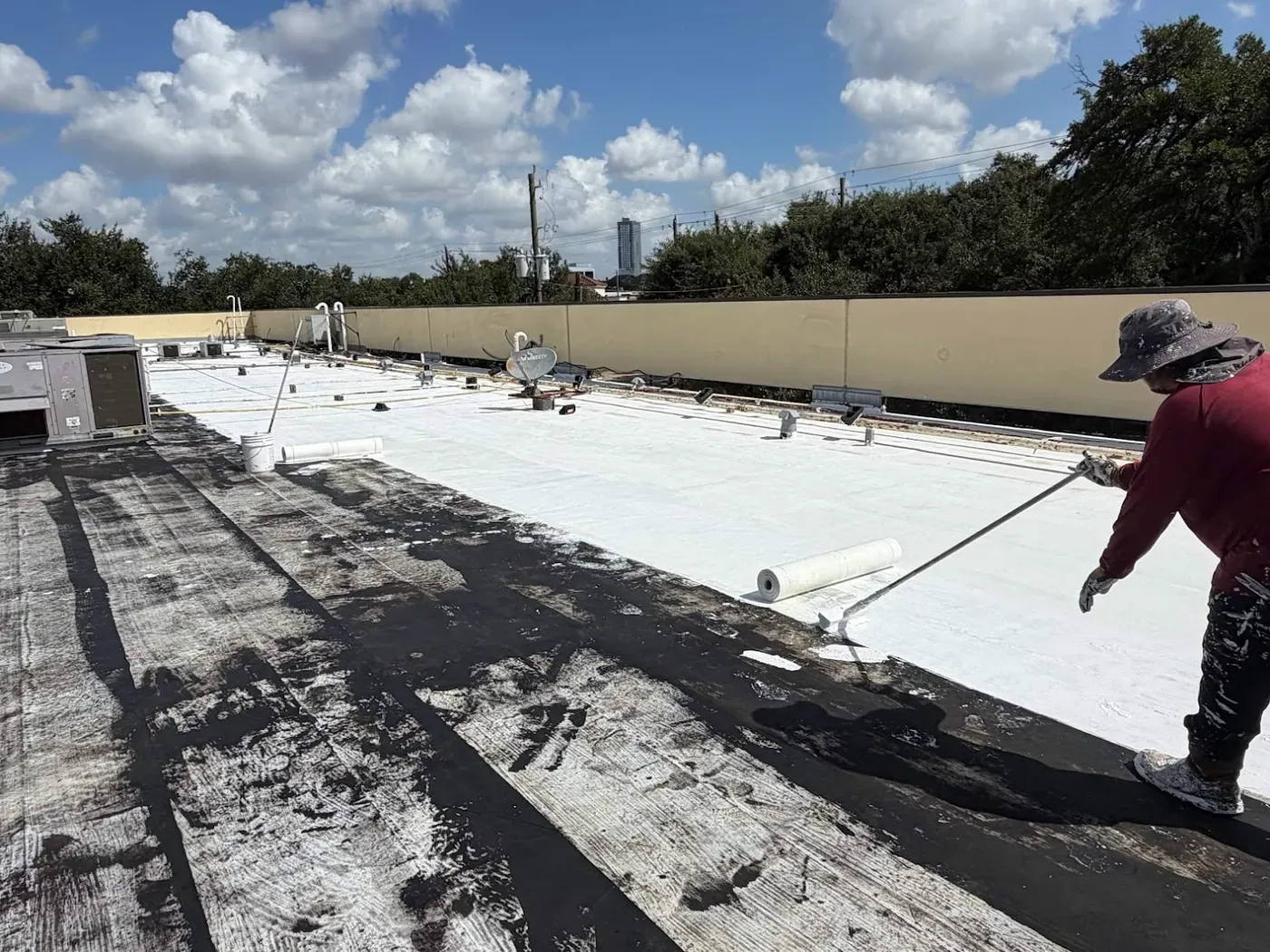
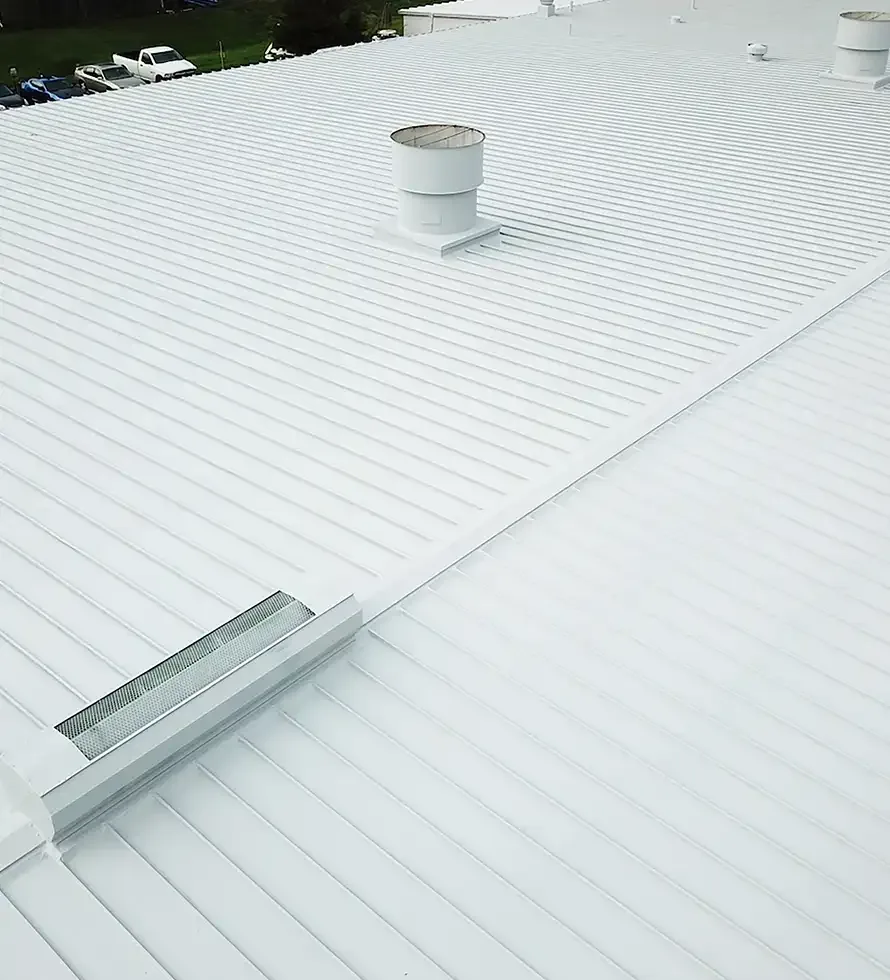
A coating can renew an eligible surface only when the existing roof is suitable and prepared correctly. We inspect adhesion, moisture, seams, flashings and the number of prior layers. Areas that are wet or detached need correction before coating. The coating material must match the assembly and intended exposure. We identify the preparation and repair work required, then state which areas are included and what conditions would make restoration unsuitable.
A recover may be considered when the existing roof and code requirements allow another assembly over it. Replacement may be more practical where moisture, attachment failure or widespread deterioration leaves no sound base. We compare the options against the condition found and the operational limits. A replacement inspection can establish removal needs and access. A silicone coating system is one possible restoration material when the existing roof and detail preparation support its use. The material is selected after inspection, not from heat exposure alone.
Select a work window
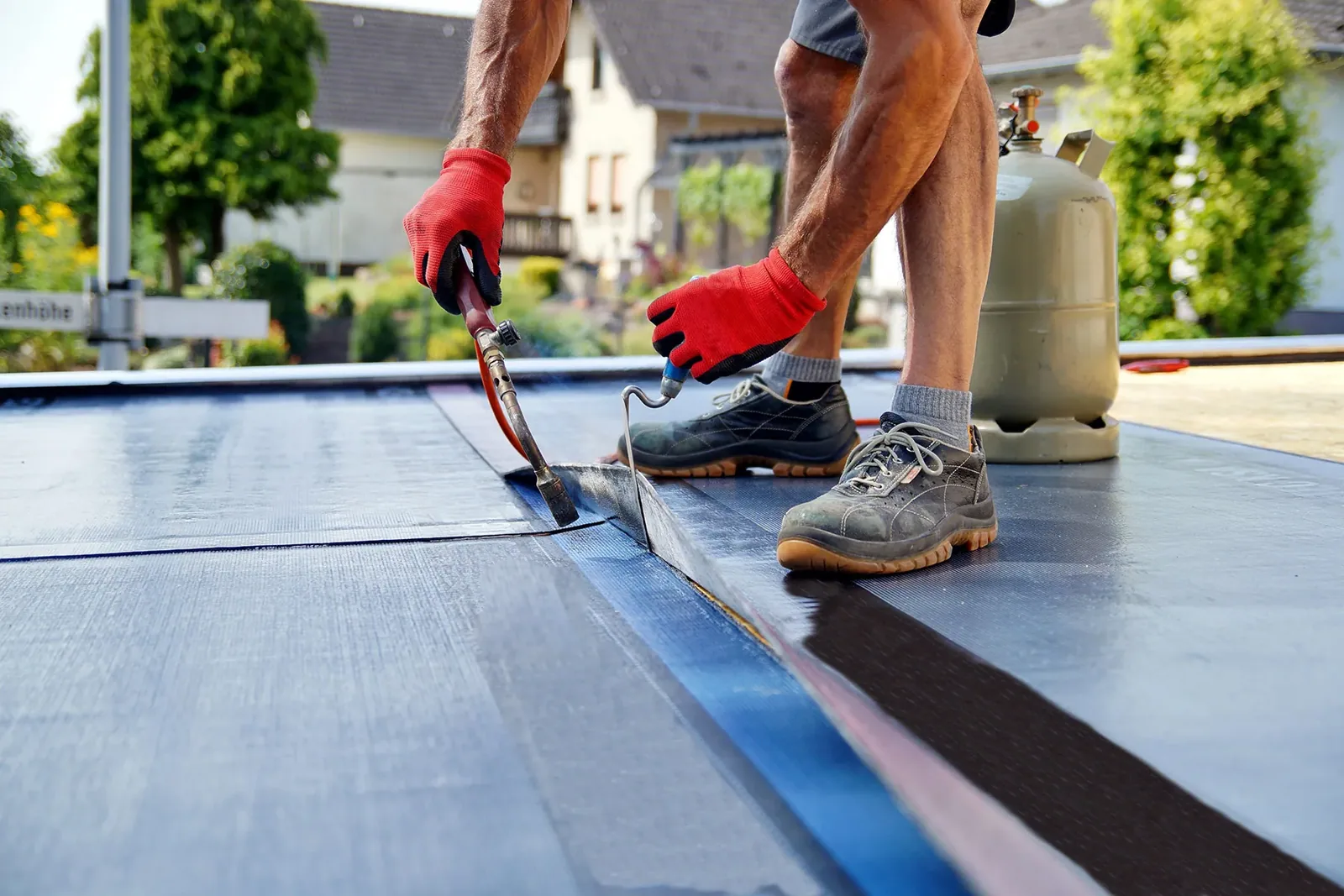
Coating and membrane work depend on surface dryness, temperature and forecast conditions. We check the product requirements and plan the opening limit so the roof can close at the end of each shift. Rain following application may interfere with curing or adhesion. High surface temperatures can also affect work handling. The manager receives the planned sequence and the conditions that would delay a permanent installation.
The Chamber identifies 135th Street as an east-west retail corridor and describes it as a retail hotspot. Downtown Overland Park includes businesses, civic uses and multifamily housing. We plan material delivery, roof access and tenant notice for the actual property rather than rely on a standard schedule. If equipment service crosses the work area, we coordinate the route and the time the new surface can be accessed. A maintenance program can then track repaired transitions and coating condition for future planning.
Before selecting a coating, we check whether the existing membrane accepts its primer and whether seams and penetrations can be repaired first. Wet insulation, trapped moisture or loose material can undermine a restoration even when the visible surface appears ready. We mark these areas and identify removal needed before coating proceeds. The scope should also name the preparation method and the expected work limits. That gives the manager a clear basis for comparing restoration with a recover or full removal.
Record the next roof decision
After repair or restoration, we photograph the prepared surface and completed connection. We record the coating or membrane work performed and identify areas that remain outside the scope. If the inspection found moisture or a failed transition that was not included, the closeout states what follow-up would resolve it. That record gives the manager a basis to compare future maintenance visits and capital needs.
Overland Park's winter and summer conditions make dated observations useful. We can note which sections receive the most exposure, where seams have been repaired and when a coating was installed. A dated record can also show whether the same curb or drain needs attention on the next visit. The history supports a decision about monitoring, another repair or replacement when the evidence changes. Schedule the next roof review with the prior report and work records. We will inspect the material condition and explain which option fits the assembly now.
Commercial Roofing Questions
Does a faded membrane need to be replaced?
Color alone does not establish failure. We inspect the surface, seams and attachment, then decide whether a repair, coating or larger scope is supported by the material condition.
Can you coat a roof with a few wet areas?
Wet material needs investigation and correction before a coating can be considered. We mark the confirmed area, set removal limits and check whether the surrounding roof remains suitable.
What makes a coating project unsuitable?
Poor adhesion, widespread moisture, failed seams or an unstable substrate can rule out restoration. We identify those conditions and compare them with recover or replacement options.
Will summer heat change the repair schedule?
Surface temperature and the material instructions set the work window. We check both, coordinate access and close the area each day within the approved limits.
Related Roofing Work
Check whether the roof can be restored
Schedule an inspection with prior coating records, leak locations and building access limits. We will check the seams, surface and insulation before comparing repair, restoration and replacement.