
Silicone Commercial Roof Coatings in Overland Park, KS
Home / Roof Systems / Silicone Commercial Roof Coatings
Get a Free Roof Assessment - Call 555-555-5555
What Property Owners Should Know
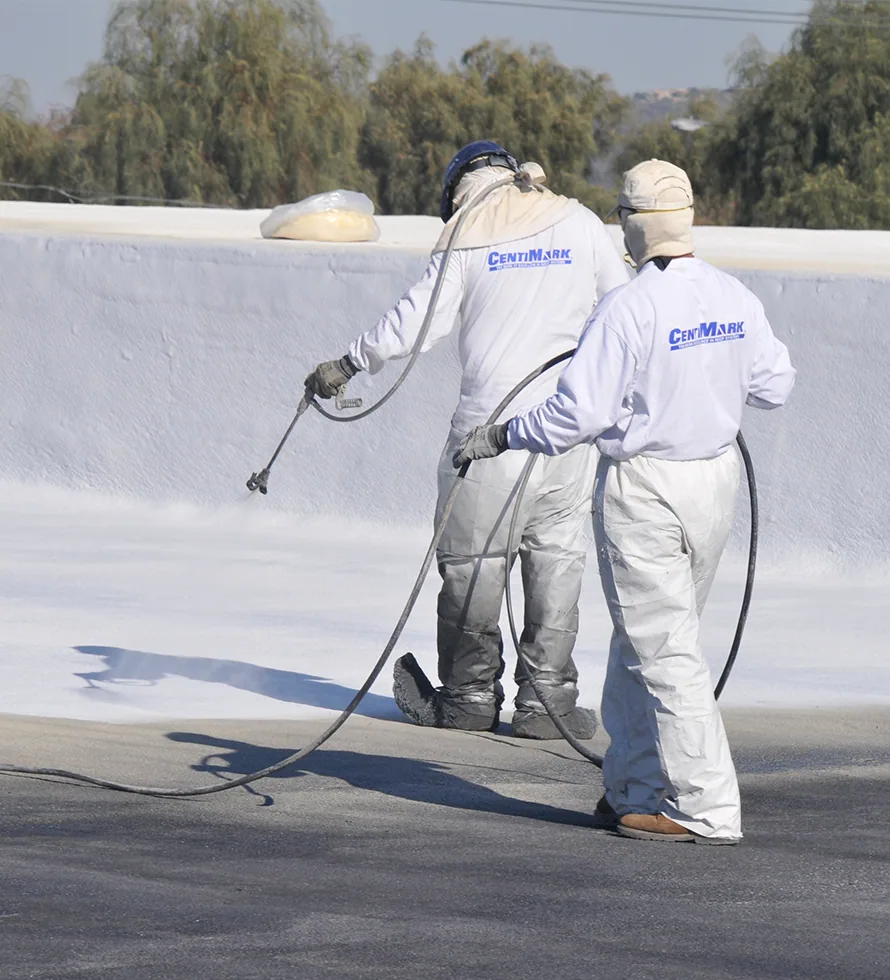
A retail roof with water collecting beside an outlet needs a drainage decision before a coating decision. Silicone commercial roof coatings in Overland Park, KS, may form part of a suitable restoration assembly, but a product description cannot establish the condition below the existing surface. We inspect the roof and identify the retained material, wet areas and connections requiring repair. The coating scope follows that assessment.
Retail activity along Metcalf Avenue creates properties with different access, equipment and customer-route restrictions. We establish the actual building conditions before choosing an application stage. A restoration eligibility inspection should explain which surface can receive the proposed system and which defects need another correction. The owner needs preparation, detail work and coating application described together. A price per roof area is incomplete when the proposal has not established what must happen beneath and around the finish.
Establish a suitable retained roof
The existing surface must suit the selected system and its preparation requirements. We identify available material information and inspect weathering, contamination and previous repairs. Adhesion testing or other investigation may be required before the proposed application is accepted. A roof that appears clean from a distance can still have material or bond conditions that change the work needed.
Concealed moisture needs assessment separately from surface preparation. We discuss authorized testing where retention decisions depend on the material beneath the roof. Wet or damaged layers may require removal rather than another finish. The scope should identify how those areas are bounded and corrected. A coating cannot return deteriorated support to a suitable condition simply by covering its visible location.
A moisture investigation may help identify areas for confirmation when conditions are suitable. We explain its limits and the additional evidence needed for the project. Compare a coating proposal with a replacement membrane option using the same retained-condition assumptions. Otherwise a lower surface price may reflect omitted removal or support work rather than a suitable restoration alternative.
Correct seams and penetrations first
Coating preparation does not replace the repair of failed roof connections. We inspect seams, flashing, edges and outlets to define the required detail work. The selected restoration system determines which reinforcing or repair components are appropriate. A damaged joint should receive a correction suited to the underlying assembly before the finish is applied over it.
Equipment curbs and pipe openings need enough access for preparation and a complete connection. Loose or unsuitable prior patches may need removal. We review the condition around the repair footprint rather than coat over an isolated visible crack. The supporting material and finished detail must be suitable for the proposed system. If another trade must move equipment, that task needs a place in the construction sequence.
A penetration repair can have work limits separate from the coating field. Describe those limits in the estimate and identify the closing method while the detail is open. The manager should be able to distinguish permanent roof corrections from cleaning and finish application. That distinction helps compare proposals and prevents a broad coating allowance from hiding unresolved leakage at a specific connection.
Review water conditions against product requirements
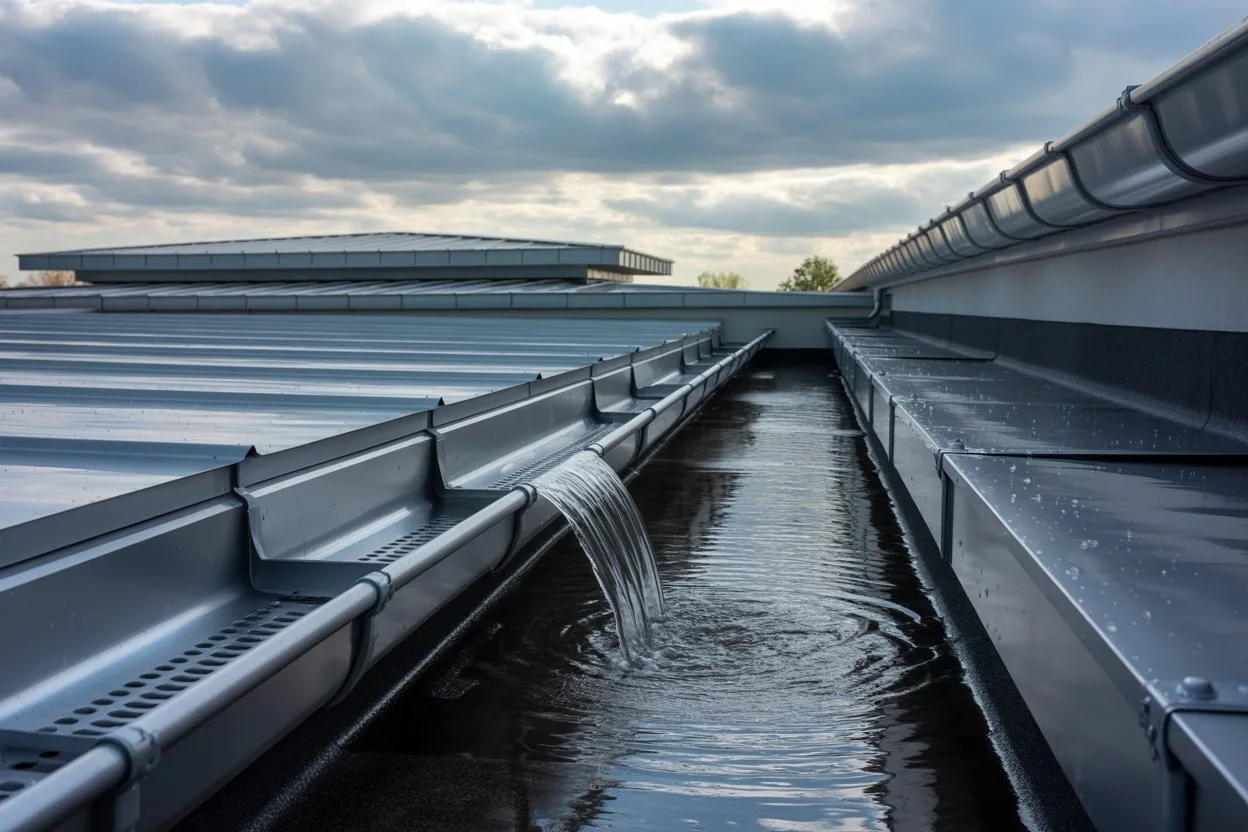
Do not treat a statement about water exposure as permission to leave every drainage defect in place. The selected coating system has requirements that need review for the actual roof. We inspect low areas, outlets and overflow routes, then determine whether drainage correction is needed. Water management remains part of the roof even when the proposed finish has particular resistance characteristics.
A blocked outlet may need cleaning, while a damaged inlet or unsuitable field slope needs another response. The investigation should distinguish those conditions. A drainage correction scope identifies the work beyond the coating. Where plumbing or project design is required, the responsible party needs to resolve it before the finish conceals the construction interface.
Regional July rainfall provides seasonal context for inspection and work planning. It does not establish the amount or duration of water on a particular building. We inspect the roof's actual water path and available history. An owner's photograph can help identify a recurring low area, but the permanent method still needs the outlet and supporting geometry examined before application.
Prepare the finish within a workable window
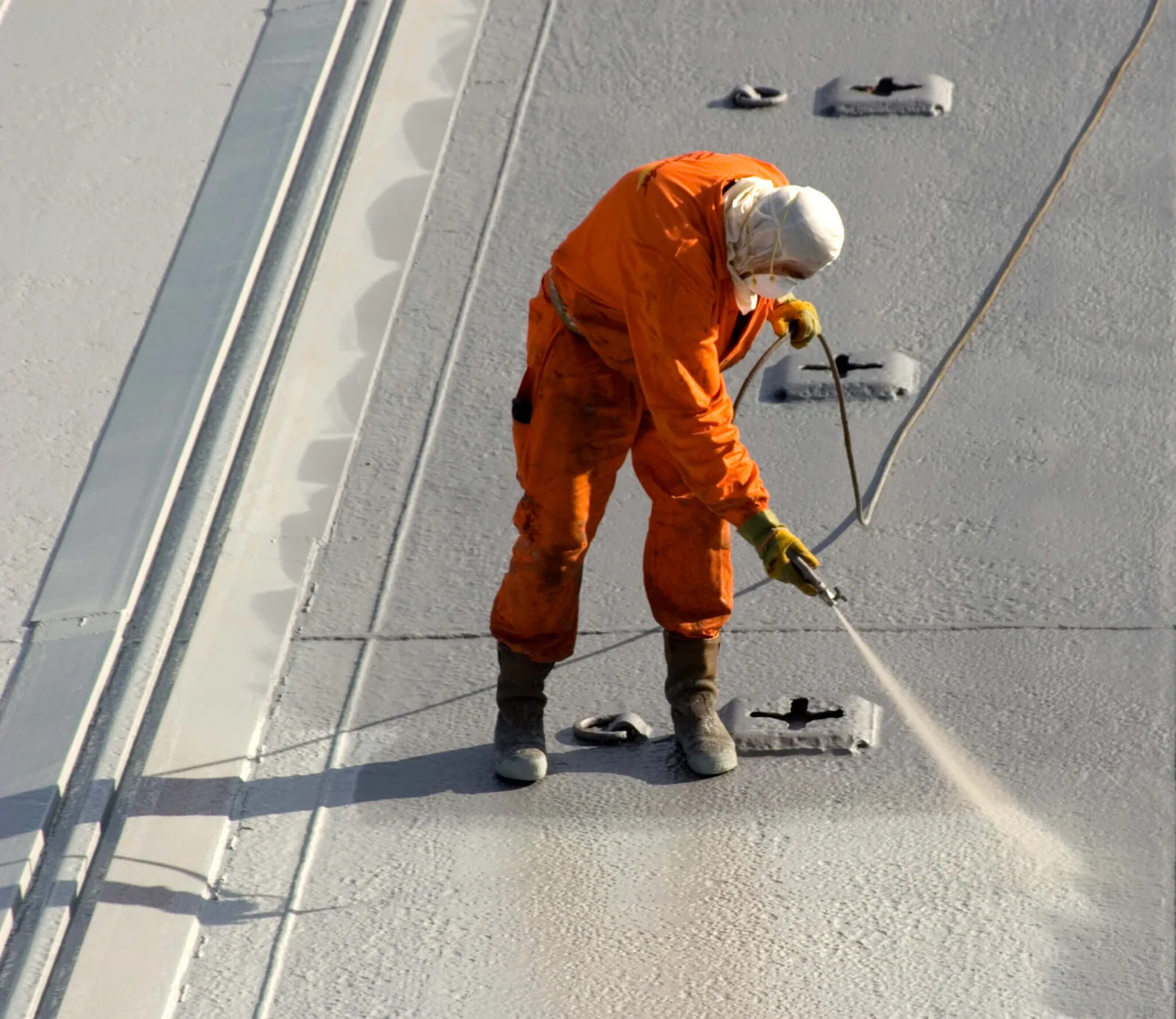
Cleaning, drying and compatible preparation must follow the selected product requirements. We establish what can be completed within the site's access and weather restrictions. Application thickness and coverage are system-specific decisions. The proposal should identify the products and work needed rather than promise a general surface improvement without the preparation that makes adhesion possible.
An acrylic restoration option needs a separate suitability review. The products should not be treated as interchangeable because both are liquid-applied. Existing coatings and later repairs can affect what will bond and how a future correction is made. We retain product information so the maintenance team can identify compatible materials after the project.
For a shopping center roof, customer routes and equipment service may restrict handling or protection arrangements. At properties along Metcalf Avenue, the building-specific plan determines those limits. We coordinate the roof window with occupied operations and protect surfaces that could be affected by application. Material staging needs to leave entrances and required service routes usable under the agreed restrictions.
Plan service after the coating cures
The finished surface needs the inspection and protection appropriate to its system. Review completed detail repairs and the coating application record. Later equipment work should account for the finish rather than use an unidentified patch or an unsuitable sealant. The material record becomes especially useful where several earlier restoration products remain on different roof sections.
Future repairs may require removal of contamination or product-specific preparation before they bond to the finished surface. Keep a record of any later coating or sealant added by another contractor. Otherwise a localized problem can become harder to correct because the repair crew must first establish what materials now occupy the detail. The manager can ask equipment trades to identify the roofing connection before altering it and to leave completed work documented. A new cable support or pipe penetration deserves the same compatibility review as a planned repair; its small footprint does not make an unsuitable material combination acceptable.
Cost includes preparation, repaired defects, material use, access and the investigation required to establish retention. Ask for those items to be stated so a coating-only estimate can be distinguished from an assembly restoration scope. Any issued coverage belongs to its provider and applicable terms. Arrange the coating assessment with the roof history and operating restrictions. We will identify the acceptable base and the correction needed before selecting the finish.
Commercial Roofing Questions
Is silicone coating a substitute for wet insulation removal?
Unsuitable wet material needs its own correction. We investigate retention before specifying a finish. Covering the surface does not restore the supporting layer beneath it.
Can another coating be applied later without identifying this one?
Product compatibility and preparation need review before the next application. Keep the installed material information available. An unidentified finish can change the testing or removal required for future work.
Why inspect drains if the product tolerates some water exposure?
The roof still needs suitable drainage and connections. Product requirements do not settle slope, outlet defects or overflow conditions. Those must be evaluated for the actual assembly.
What separates restoration from simply repainting the roof?
A roofing restoration scope establishes retained condition, corrects defined defects and follows a suitable system for preparation and application. The finish is only part of that work. The estimate should show the complete limits.
Related Roofing Work
Set the work limits
Request the restoration eligibility check before ordering coating. We will define retained condition, detail corrections and the application requirements.