
Shopping Center Commercial Roofing in Overland Park, KS
Home / Property Types We Roof / Shopping Center Commercial Roofing
Get a Free Roof Assessment - Call 555-555-5555
What Property Owners Should Know
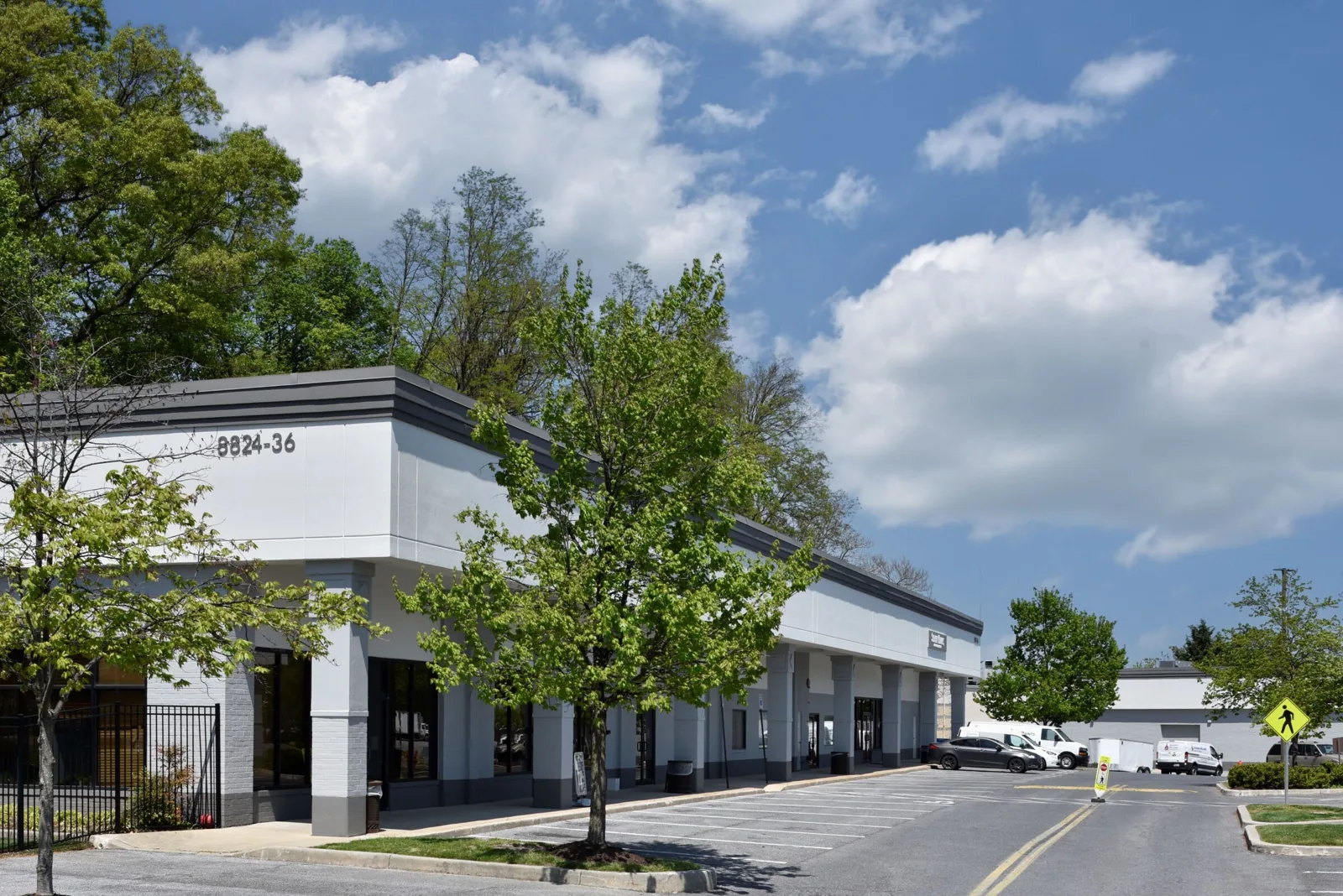
A shared drain can serve roof areas above more than one shopping-center tenant. Shopping center commercial roofing in Overland Park, KS, needs that water route identified before an interior complaint is assigned to a local patch. Inspect the outlet, surrounding field and connections crossing occupied spaces. The tenant reporting water may not occupy the roof section where the entry detail or drainage defect needs correction.
Metcalf Avenue and 135th Street have retail activity within Overland Park's wider commercial stock. That context does not establish the tenant arrangement, roof area or construction at a particular center. A shared retail outlet assessment examines accessible water connections and identifies the question requiring further review. We coordinate with the responsible property team for permissions and access. The owner should receive a scope tied to the actual roof route rather than an assumption that every interior store boundary also defines the repair footprint above it.
Inspect shared details across the field
Identify roof sections, outlets and equipment serving different occupied areas. Available drawings can help, subject to confirmation where later changes are present. The construction may vary between additions or altered spaces. The assessment should show which findings apply to each section rather than use one membrane appearance to describe the entire property.
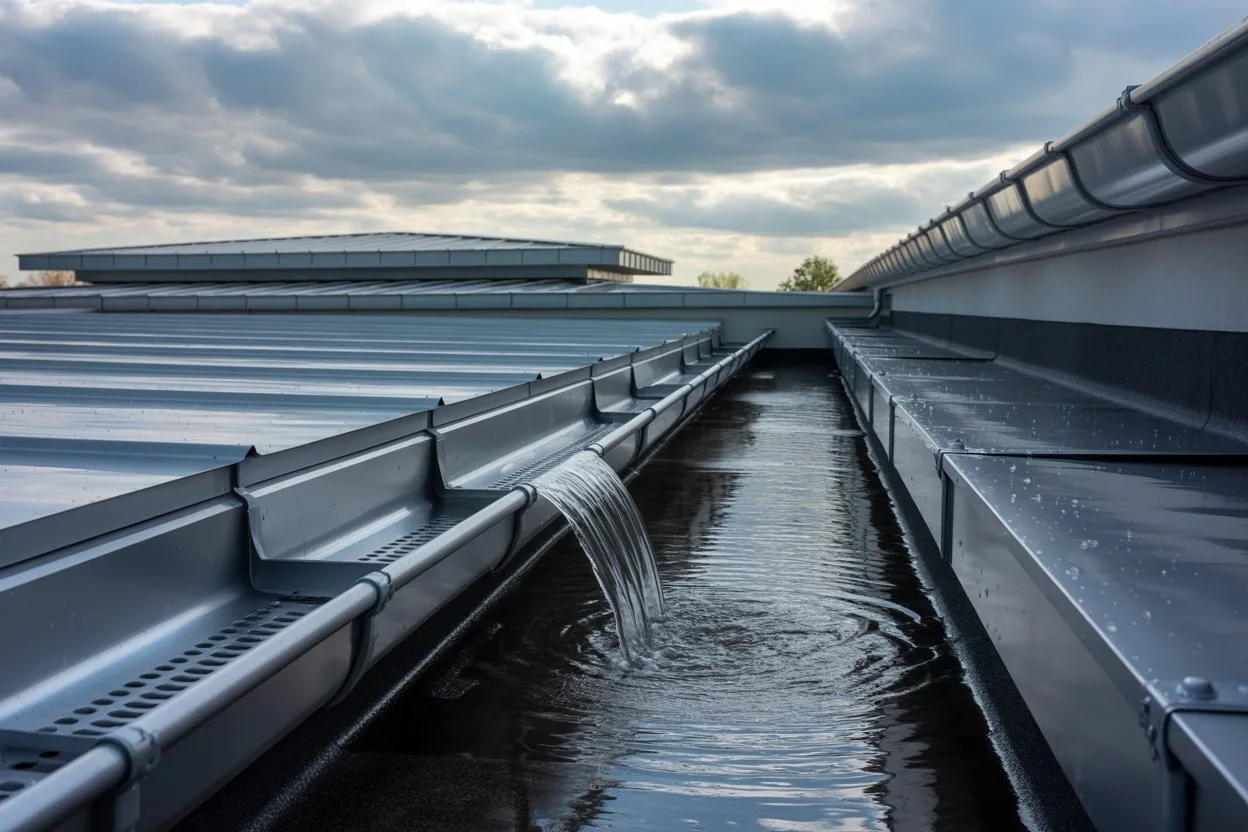
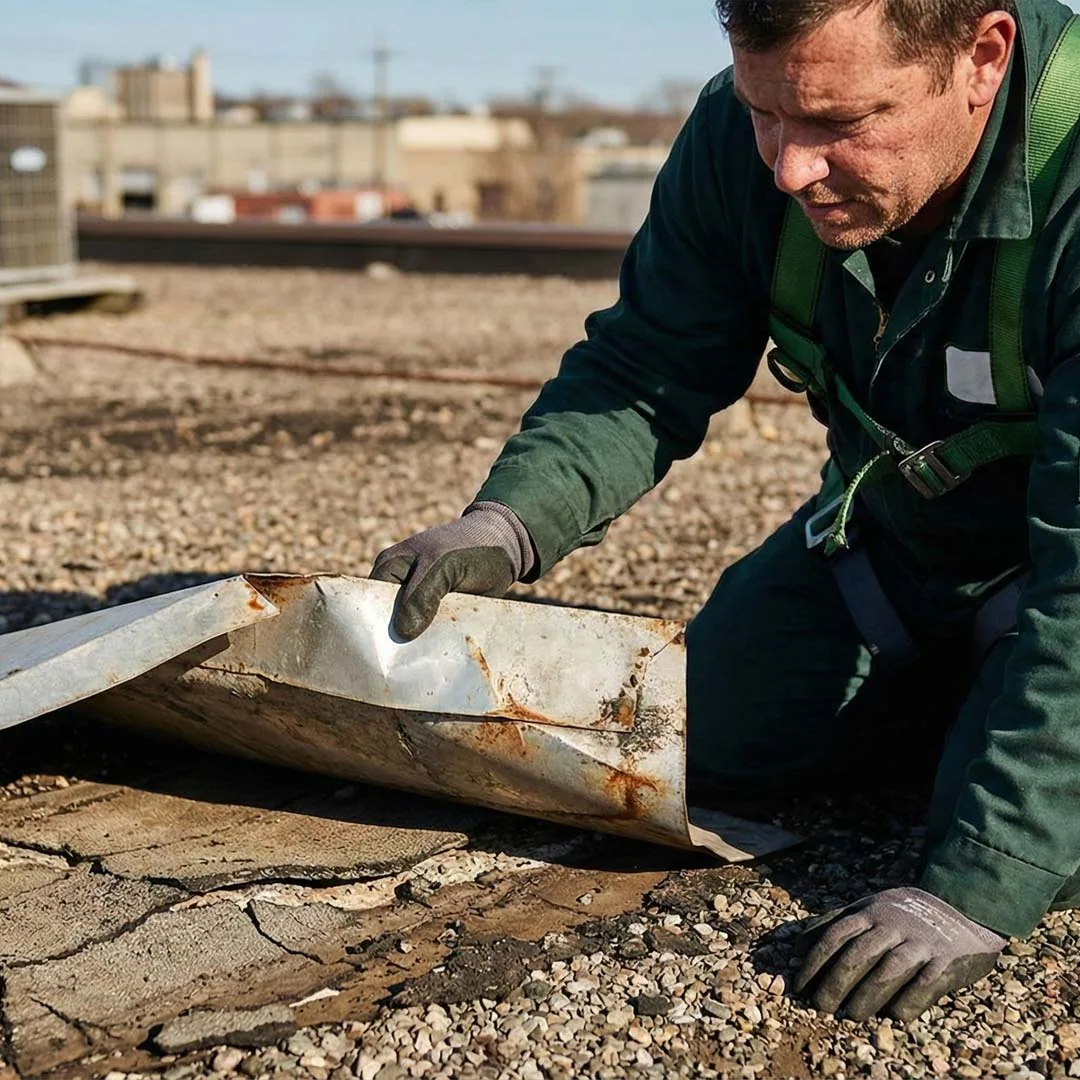
At an outlet, distinguish debris obstruction from damaged flashing or unsuitable field slope. These conditions need different responses. A clean inlet does not resolve a failed roofing connection, and a local patch does not change an unexamined low area. Inspect the actual water path and identify any plumbing or design coordination necessary to establish a suitable correction.
A shopping-center roof condition review can identify immediate defects separately from maintenance and capital needs. The report should state which concern supports a local task and which needs another investigation. The number of tenant reports does not establish the roof-wide condition. The owner needs inspected boundaries and clear retained-condition questions before choosing a larger assembly or surface treatment.
Map the report without assuming the entry location
Interior moisture helps guide inspection but may appear after water has moved through the assembly. Compare the reported position with accessible seams, penetrations, perimeter details and drainage connections. Record an observed failure separately from an uncertain source. If the entry path remains unclear, define the further check needed to select the permanent repair footprint.
Shared routes or equipment can require access involving another occupant. Management establishes permissions and authorization for the task. We identify the locations needed for inspection and work. The roofing scope should describe the construction without attempting to infer lease responsibilities from the location of a tenant's ceiling stain. The property agreements and responsible team determine those matters separately.
A multi-tenant retail leak repair may address a defined connection while another roof section remains outside the task. Explain that limit. Temporary protection has its own purpose and next action. The completion record should not imply that every shared detail was rebuilt during a local repair or that unrelated interior restoration has been finished when it belongs to another scope.
Coordinate tenant equipment and new elevations
Different tenants may have introduced equipment or penetrations at different times. Inspect the actual curb, supports and surrounding roofing before specifying a repair. Original drawings may not describe later changes. Preparation and compatibility need confirmation at the connection rather than an assumption that every existing patch belongs to the same assembly.
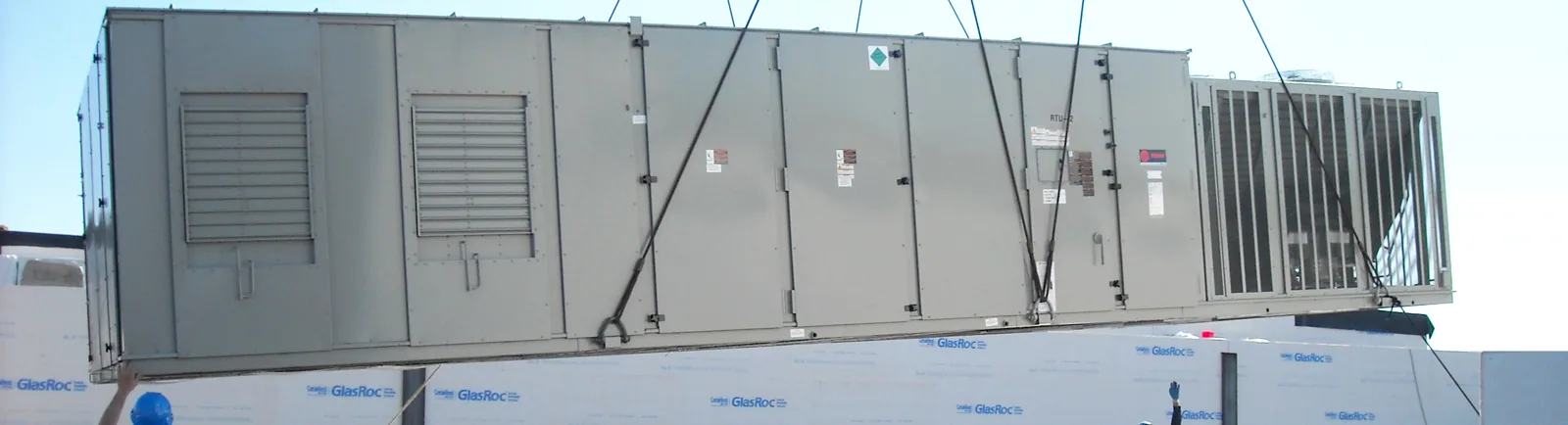
A shared-property equipment-interface review can identify tasks requiring another trade. Define equipment movement, support correction and suitable protection before opening the detail. New layers can reduce the available height at a retained curb. Check the proposed field elevation and permanent flashing connection so the equipment retained above does not leave an unsuitable interface below.
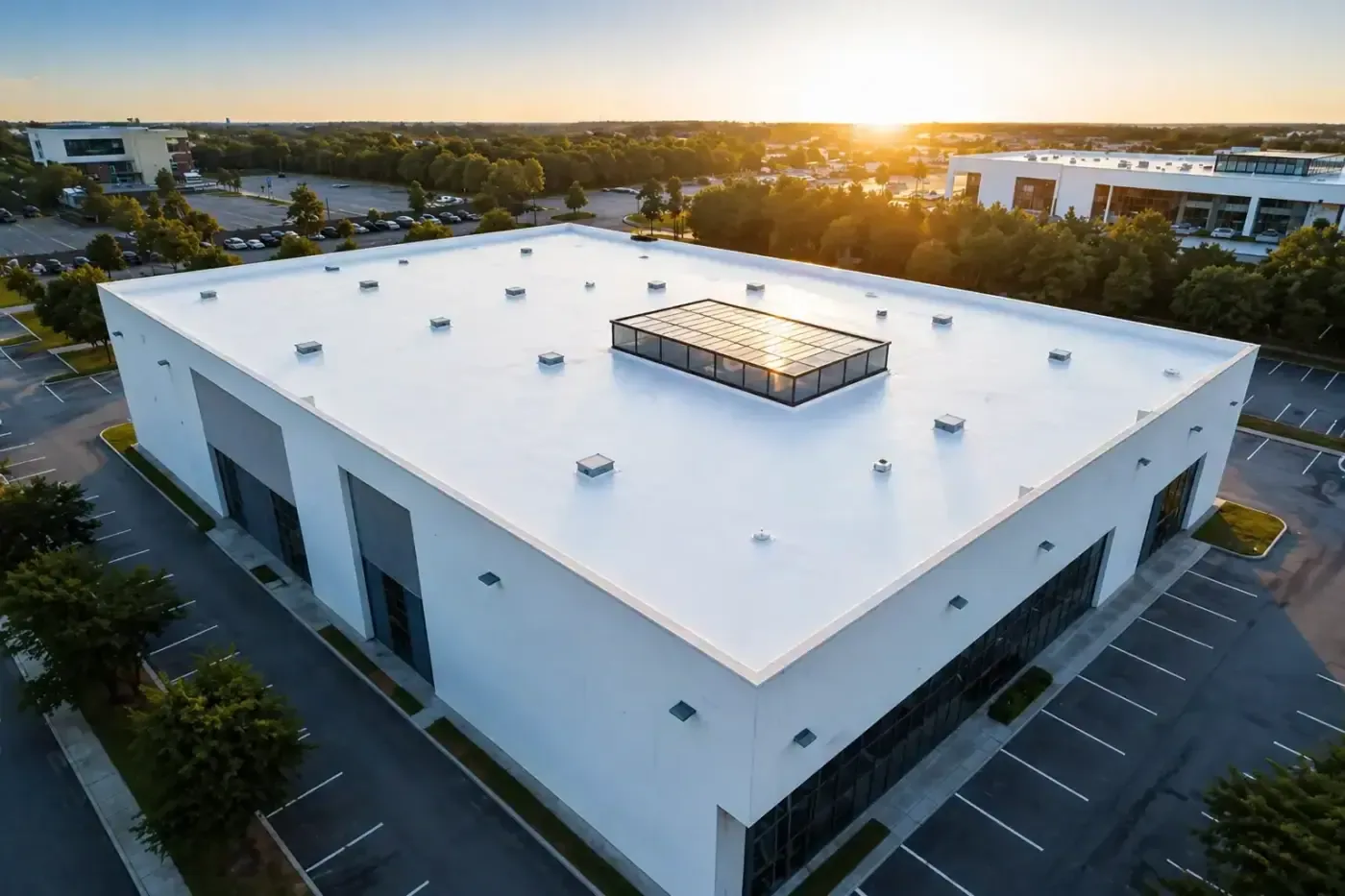
Compare a TPO shopping-center assembly with a modified-bitumen assembly using supporting layers, preparation and complete details. Their material names cannot settle tenant restrictions or retained-condition evidence. The estimate should describe each required interface so the owner can compare proposals on construction boundaries rather than treat a field product description as the whole project.
Set handling restrictions for the actual occupied mix
Customer entrances, service doors and delivery routes may have different operating windows. Discuss those limits with management before setting staging locations. Material delivery and removal can affect different areas. Establish their footprints and required protection so site notices describe the specific task. A convenient roof route should not quietly displace an operating entrance without an agreed arrangement.
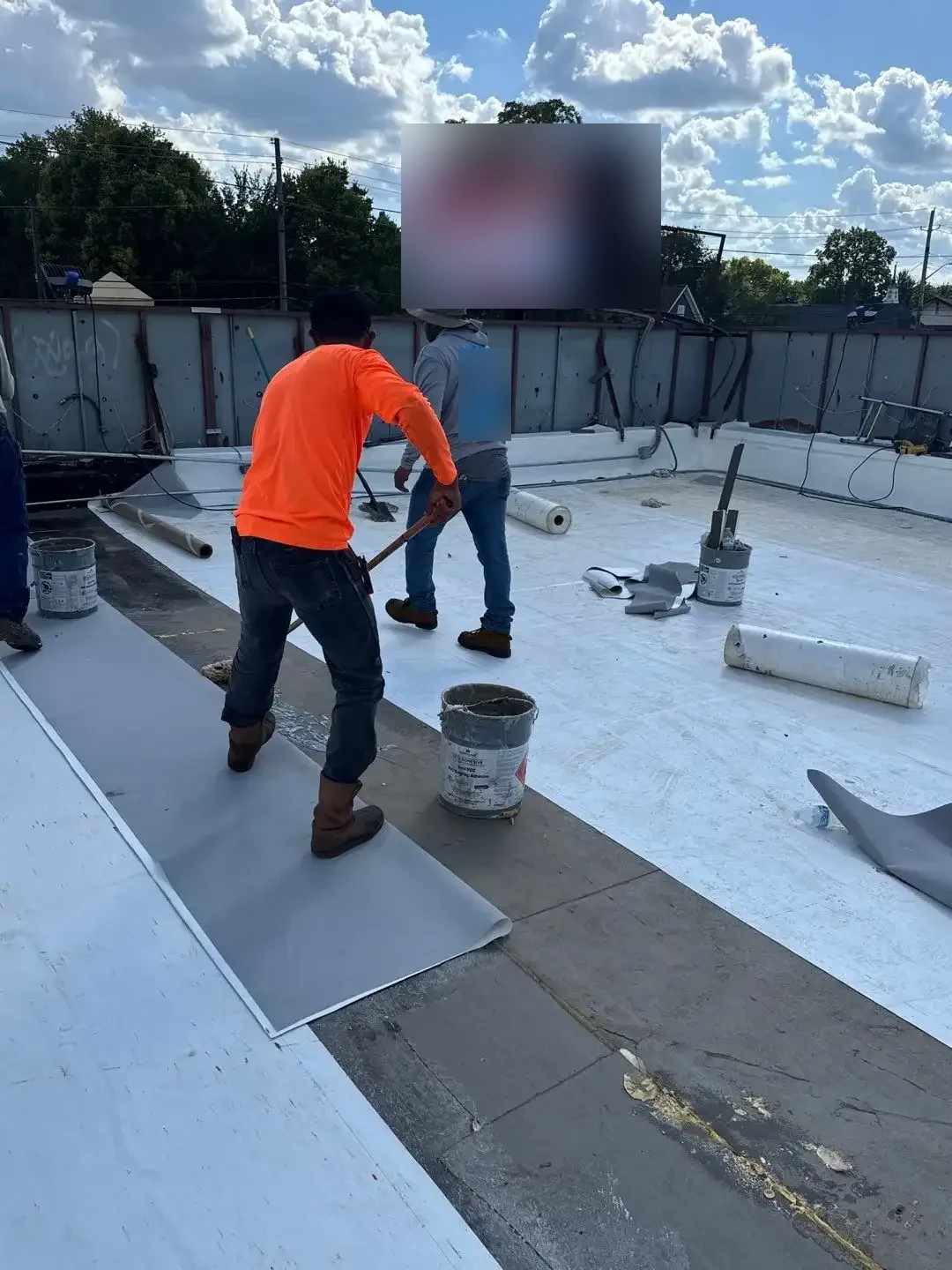
An occupied shopping-center reroofing sequence needs preparation, opening, installation and suitable closing for each stage. The opening may expose unsuitable layers that extend beyond the initial footprint. Define the revised removal limit from that finding rather than keep the old stage boundary without review. Record the finding and establish the authorized response while maintaining protection. The next tenant opening time is relevant to coordination but does not establish that an unexamined construction condition can be completed within it.
At properties around 135th Street, retail activity provides local context, while inspection establishes the actual center arrangement. A restaurant occupant or grocery occupant may introduce different equipment and service restrictions. Similar roofing does not make their access requirements interchangeable. Regional winter cold and summer rain guide forecast review; selected system instructions and current conditions govern the installation stage.
Keep shared-roof decisions in the property record
Review completed seams, equipment details and water connections before handing back the work area. Record repaired locations against the available roof and occupancy layout. Identify permanent finished details, temporary conditions and unresolved concerns separately. A future manager should be able to distinguish the completed connection from a neighboring area that received no correction.
Concealed supporting material may require authorized investigation before retention is accepted. Keep that evidence and resulting removal decisions with the product information. When a tenant changes, review the roof equipment and alterations left by that occupancy. The property team can retain useful construction records while identifying any connection that lacks material information. A new fit-out should not assume that a former occupant's patch or support can serve another installation without inspection. This review helps keep the next scope tied to known shared construction rather than a history reconstructed only after water is reported.
Future equipment additions need review before they alter the assembly. A small new support or opening still requires compatible roofing and accepted construction underneath. Record the altered detail so the next investigation is not left to guess which tenant or former contractor introduced it.
Cost follows inspected condition, preparation, removal, details and shared access restrictions. Compare those limits between proposals. Review any issued coverage with its provider. Request the shopping-center roof assessment with leak history, tenant layout and equipment records. We will establish the roof-side finding and the coordination needed to complete work across the property's actual shared connections.
Commercial Roofing Questions
Does the leaking tenant define the roof repair area?
The water route and construction may cross that interior boundary. We inspect the actual details before choosing the footprint. Management coordinates permissions and addresses agreement responsibilities separately.
Can cleaning one drain resolve every nearby water report?
The inspected cause must be established. Obstruction, damaged flashing and unsuitable slope require different responses. Other connections or further investigation may be involved.
Why identify equipment from later tenant changes?
Its roofing interface may not appear in original drawings or use the same repair materials. Inspect that connection before specifying permanent work. Assign any required trade task before the detail is opened.
What makes the shared-roof record useful?
Keep repaired locations, accepted retained condition, products and later alterations together. These distinguish completed work from untouched areas. Temporary measures and remaining tasks should have their own clear next actions.
Related Roofing Work

Set the work limits
Request the shopping-center roof assessment with tenant and outlet information. We will define shared repair boundaries and coordinated occupied work stages.