
Commercial Roof Flashing Repair in Overland Park, KS
Home / Roof Damage Repair / Commercial Roof Flashing Repair
Get a Free Roof Assessment - Call 555-555-5555
What Property Owners Should Know
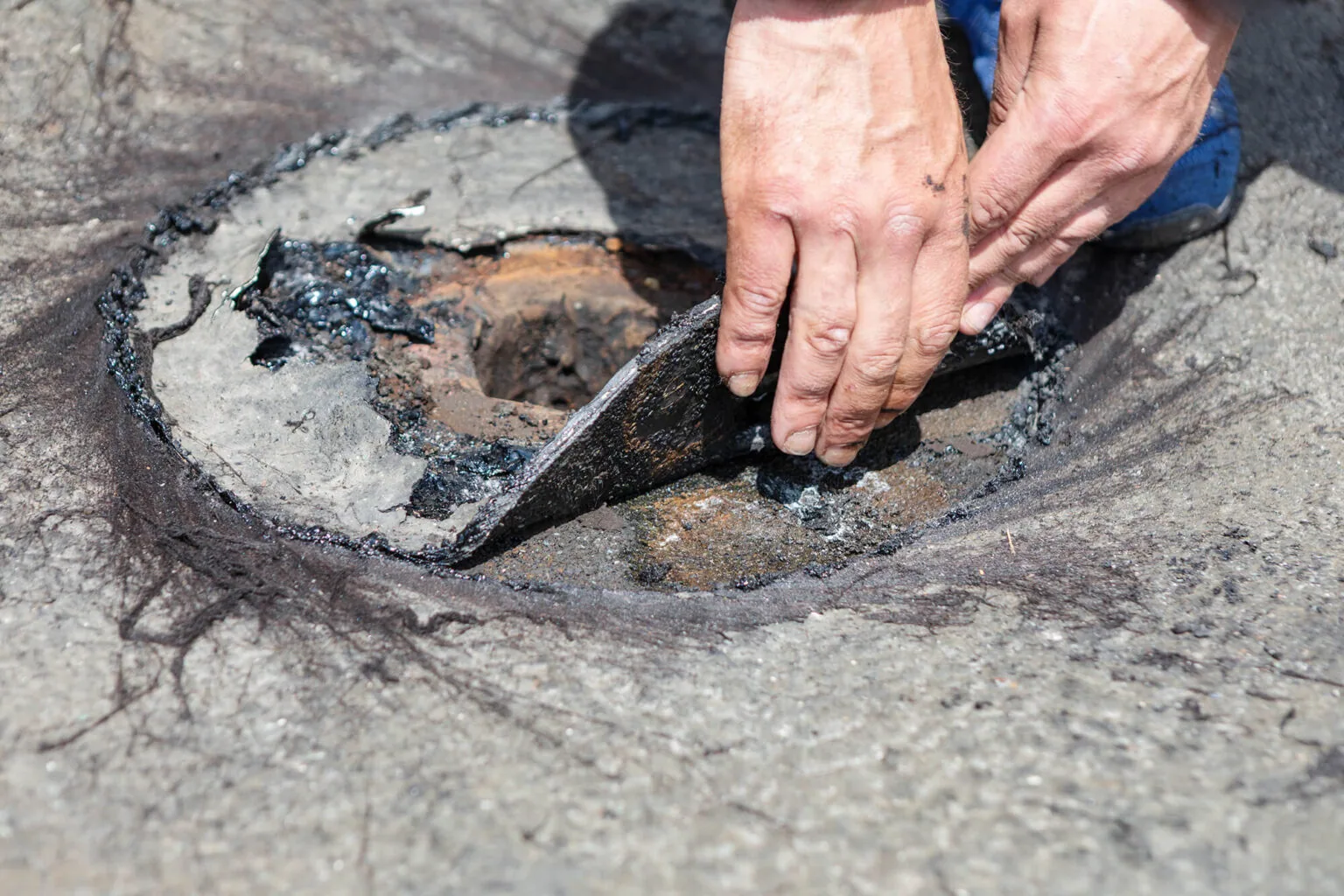
A wet ceiling near a rooftop unit puts the curb and its flashing on the inspection list. We trace the water path, check the membrane connection and identify whether movement or deterioration opened the detail. Commercial roof flashing repair in Overland Park, KS, needs a clear repair footprint. The water stain can sit away from the entry point. We inspect the roof detail above it and the layers around it before deciding whether the correction stays at the curb or extends into the field.
Downtown Overland Park combines businesses, apartments and civic uses, so access and daily closure can matter as much as the detail itself. The May 2000 hail event crossed Merriam, Overland Park and Leawood, a reminder that local roofs can face several kinds of stress. It does not establish damage at a current property. We use the building's roof condition and operating limits to set the work sequence. A curb and penetration inspection can identify the material and termination that need correction.
Inspect the transition
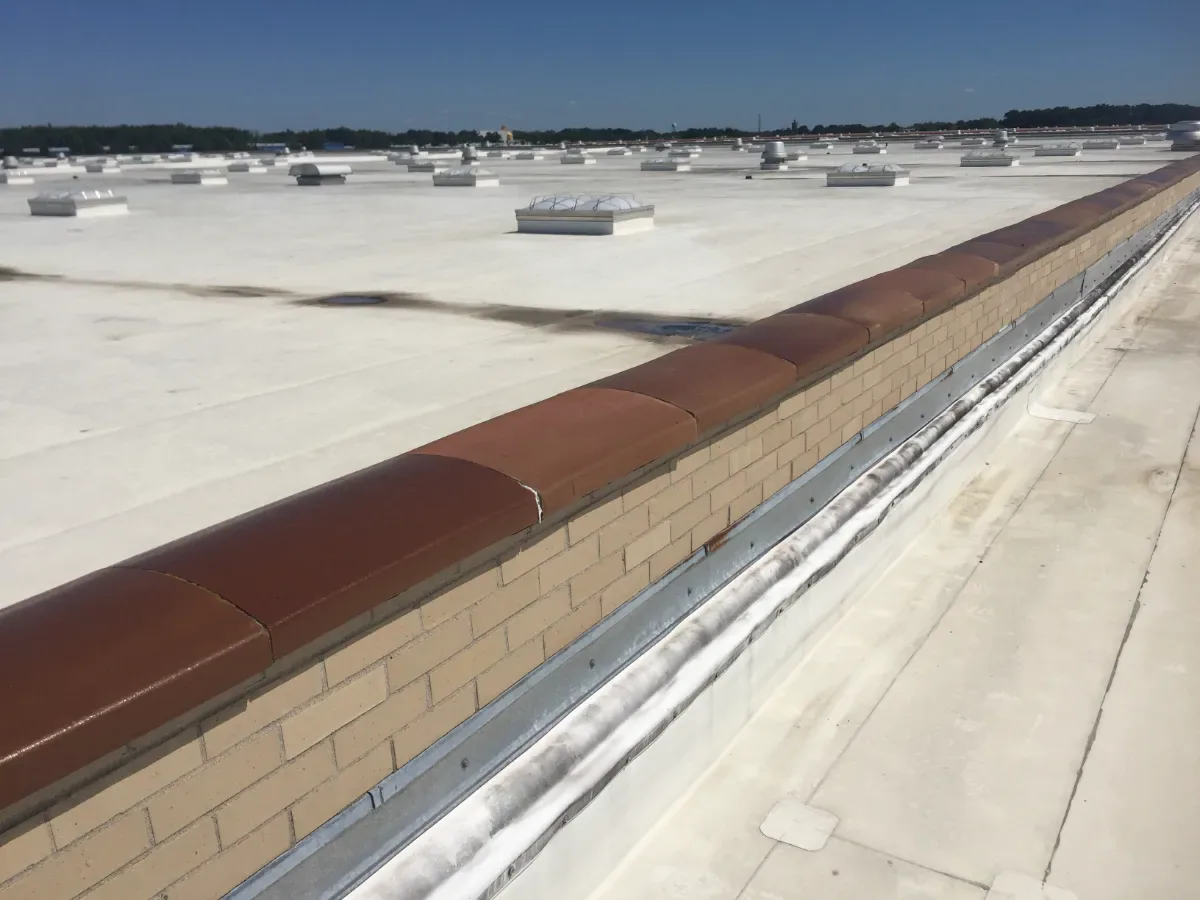
Flashing has to turn from the roof field up a wall, curb or penetration and remain sealed at each change in plane. We inspect the membrane, corners, seams, termination bar and counterflashing where present. A split at the corner may have a different cause from a loose termination at the top. We also check equipment movement and attachment. If the curb shifts or the substrate is unstable, a surface patch alone may not restore the connection.
The roof around a detail matters. Ponding water, dirt, oil or repeated foot traffic can affect the bond area. We note which condition is present and whether cleaning or removal is needed before new material can be installed. At an office property near 95th Street and Metcalf, service access to rooftop equipment may need to stay clear. We coordinate that route with the manager before work begins. If the opening ties into a field seam, seam repair work may belong in the same scope, with its limits stated separately.
Identify what opened
A failed flashing detail can result from a split, loose attachment, incompatible material or water reaching a weak transition. We look for the actual separation and trace it to the adjoining roof layers. Old sealant may conceal a gap without correcting the connection. We do not build a new cap over a failing base without checking whether that base can support the repair. The estimate should show preparation, removal and the new termination method.
Material identification comes before product selection. Thermoplastic membranes may use welded details, while EPDM and bituminous systems call for different preparation and accessories. Metal curbs and pitch pans also require their own connection details. We check any prior coating or patch in the repair area because it can change adhesion. A compatible TPO flashing detail is appropriate only where the existing assembly and required connection support it. The chosen repair needs to meet the roof system's material requirements, not just cover the visible split.
Set removal and access limits
Soft insulation, rust, cracked concrete or loose wood can change the work boundary at a curb. We inspect exposed material where an opening is authorized and extend removal only to sound support. Hidden moisture may require more material to come out than the exterior seam suggested. We explain that condition and its additional work before expanding the approved footprint. This keeps the repair estimate connected to what has been found.
Medical offices and corporate buildings operate while roofing work is underway. The manager may need a quiet period, a protected entrance or equipment access kept clear. We identify those needs before setting the work window. A medical office roof plan can account for rooms and services beneath the work area without assuming the tenant must close. We set the daily closure, material staging and interior protection with the building contact. A damaged curb may also need coordination with the mechanical trade if the unit or its support has moved.
Before the crew opens the detail, we confirm who can authorize access and how the equipment will remain available to building staff. A curb serving an operating unit cannot be treated as an empty roof opening. We identify the side used for service, the clearance required for the repair and the conditions that could require the mechanical trade. That advance check can change the sequence, but it also prevents a finished flashing from blocking the equipment path. The manager receives the work window and closure point in the scope.
Choose the repair method
A sound curb may need new flashing tied into the existing membrane. A deteriorated base or wet insulation can call for selective removal and reconstruction. We compare those options against the condition found, the roof system and the operating limits. A temporary seal can control active water entry while the permanent scope is prepared. Its purpose and expected next step should be stated so the manager knows whether the detail is closed for the season or awaiting a larger correction.
Sealant selection also depends on whether it contacts membrane, metal, masonry or another roofing material. We identify those surfaces and prepare each one for the specified connection. A sealant bead may supplement a flashing system, but it does not replace a missing transition or loose attachment. Where the detail needs a prefabricated boot or a rebuilt curb base, that component belongs in the estimate with its preparation and closeout checks.
Wind can flex exposed corners and hail can damage membranes around raised objects. The documented May 2000 storm crossed three Johnson County communities, but the current inspection still needs to establish what happened at this roof. If weather also loosened adjacent edge metal, a perimeter metal inspection can set that work boundary. We document each component and whether its repair is included. Related wind-related roof damage or hail impacts near penetrations should be described by their observed condition rather than grouped under one event label.
Verify the finished connection
After installation, we inspect corners, laps, terminations and the surface around the curb. The finished detail should shed water without leaving a raised edge that interferes with drainage or access. We photograph the repair and identify any related condition outside its limit. A report should show what material was joined and the work performed, along with the date and access conditions.
For repeat leaks, prior dates and interior locations can help us decide whether the same curb has opened again or another detail is involved. We compare the record with current roof findings. The next check may be a follow-up after rain or a broader condition review if several curbs show related wear. Schedule a written roof condition report when the manager needs an organized record for capital planning. That record supports a decision about repair now, monitoring or a larger replacement scope.
Commercial Roofing Questions
Can new sealant fix a leaking curb?
Only when the existing base and termination can support it. We inspect what opened, remove failed material as needed and choose a connection that matches the roof system.
Why inspect the equipment before replacing its flashing?
A moving unit or unstable support can stress new flashing. We check the visible connection and coordinate a separate mechanical review when movement affects the roofing detail.
Will you need to remove the rooftop unit?
Many curb repairs can be completed with the equipment in place. The curb condition, clearance and required connection determine access. We identify the work limit before scheduling removal or trade coordination.
What if insulation is wet below the curb?
We mark the confirmed wet area and explain the removal needed to reach stable material. If the concealed condition expands the work, we record it and obtain approval before proceeding.
Related Roofing Work
Check the curb connection
Schedule a flashing inspection with the leak location, equipment access limits and prior repair records. We will trace the entry path and define the repair footprint.