
Roof Capital Planning in Overland Park, KS
Home / Roofing Capabilities / Roof Capital Planning
Get a Free Roof Assessment - Call 555-555-5555
What Property Owners Should Know
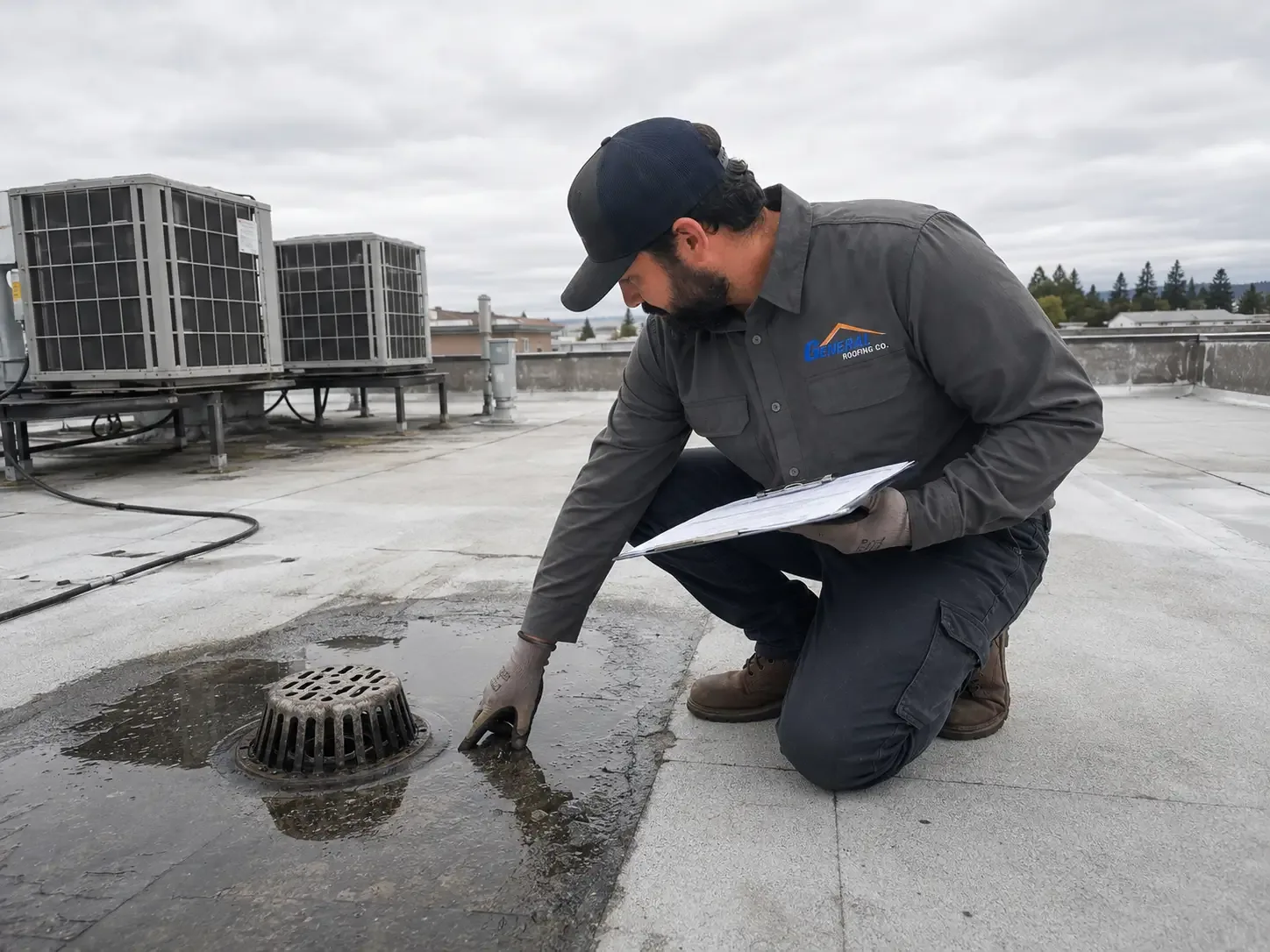
A shopping-center manager cannot compare roof proposals by the finished covering alone. One amount may leave the old insulation in place. Another may include removal and a rebuilt drain approach. Commercial Roofing Overland Park develops roof capital planning in Overland Park, KS around those construction differences. Start by setting the work boundary. Then identify the retained material, operating protection and unresolved finding behind each amount before asking the owner to authorize expenditure.
Overland Park has independent stores and national retailers. Downtown Overland Park also combines businesses, multifamily housing and civic spaces. The capital plan needs the actual building's use and access limits. We inspect accessible roofing and discuss how the proposed opening affects occupied space. The result connects a funding decision with specific construction. An installation age or broad replacement allowance cannot establish that scope by itself.
Set the removal area before comparing amounts
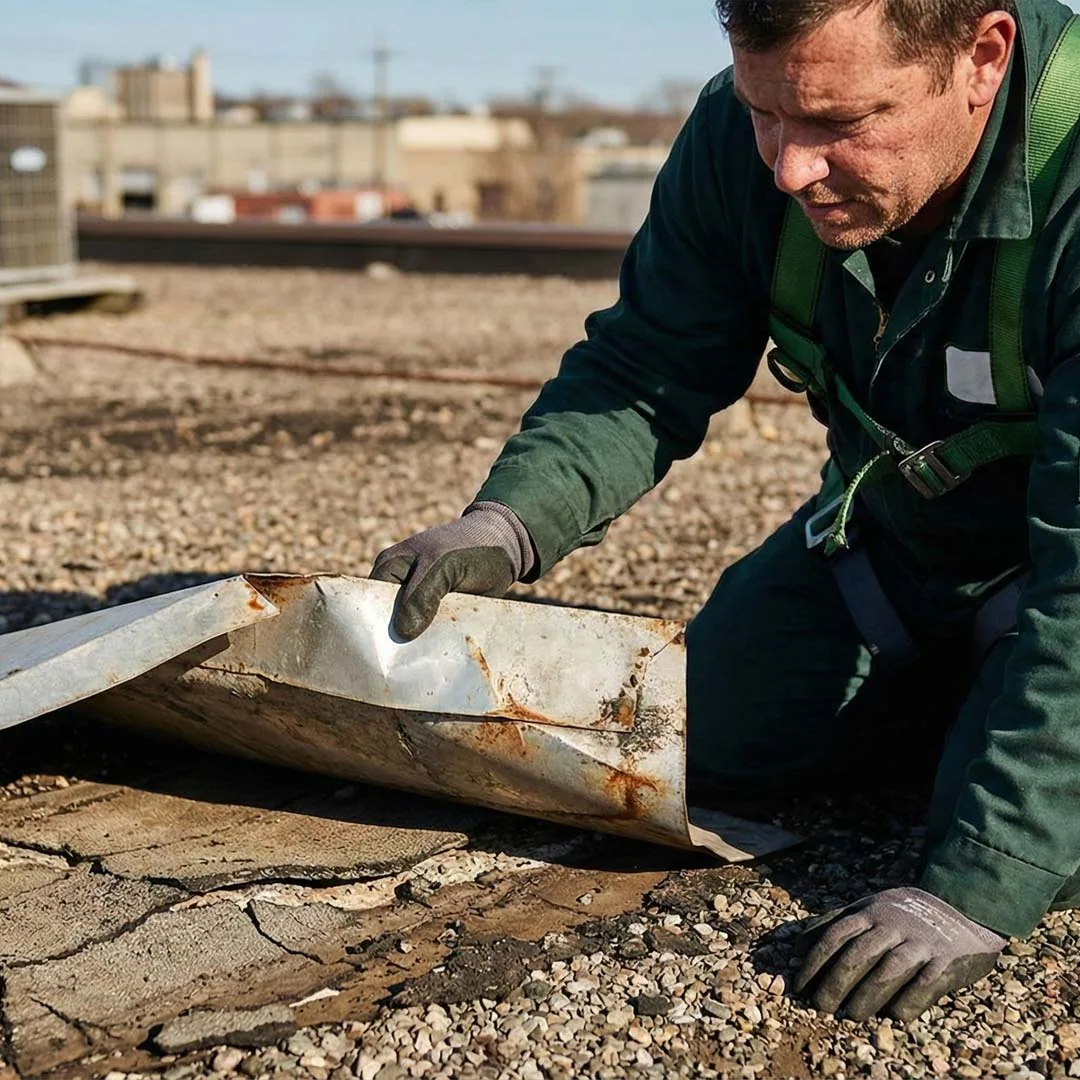
Begin with the present assembly. We examine visible membrane, flashing, edges and drainage. Available records and reported water entry help identify concealed questions. Where the retained layers are uncertain, we explain the further examination needed. A surface treatment and a removal project address different obligations. The comparison should not assume that covered material is suitable simply because a proposal avoids opening it. We identify the finding supporting retention or the reason removal remains under review.
A scope-setting roof examination can establish accessible condition. Selective openings may be needed to clarify moisture or support. Their results belong with the proposed boundary. If the affected material extends farther than expected, the amount and work sequence may change. We keep that possibility attached to a specific unresolved question. The owner can then authorize the investigation needed before treating an initial allowance as a final construction scope.
Investigative openings also need their own closure arrangements. We identify access, protection and reinstatement before arranging them. The manager should know whether the investigation leaves a permanent repaired connection or a protected area requiring later construction. Keep that obligation with the allowance for the larger work.
Compare the obligations left in place
A repair may correct one connection while leaving surrounding roofing unchanged. A recover retains the existing construction and needs a suitable basis for attachment and preparation. Replacement exposes more of the assembly and can require support repairs before the new system closes. We describe those differences. The comparison identifies what each alternative accomplishes and what it leaves for later examination or upkeep. The smaller amount does not automatically carry the smaller future obligation.
A recover assessment should identify suitability, added assembly weight and the effect on drains, edges and curb heights. A replacement proposal needs its own removal and reconstruction detail. We discuss which conditions are established and which require another review. The manager should be able to compare the alternatives against the same roof area. A proposal covering only one elevation should not be treated as equivalent to work including the shared wall and lower receiving roof.
Include the building's work constraints
The capital amount needs a sequence the property can accommodate. We discuss delivery routes, material loading, removal and access above occupied areas. Sensitive stock or equipment may require additional protection. Those arrangements belong with the proposed work, not as an unstated task for the manager after authorization. If the roof must be opened in smaller stages, the proposal should account for the temporary connections and daily closure those stages require.
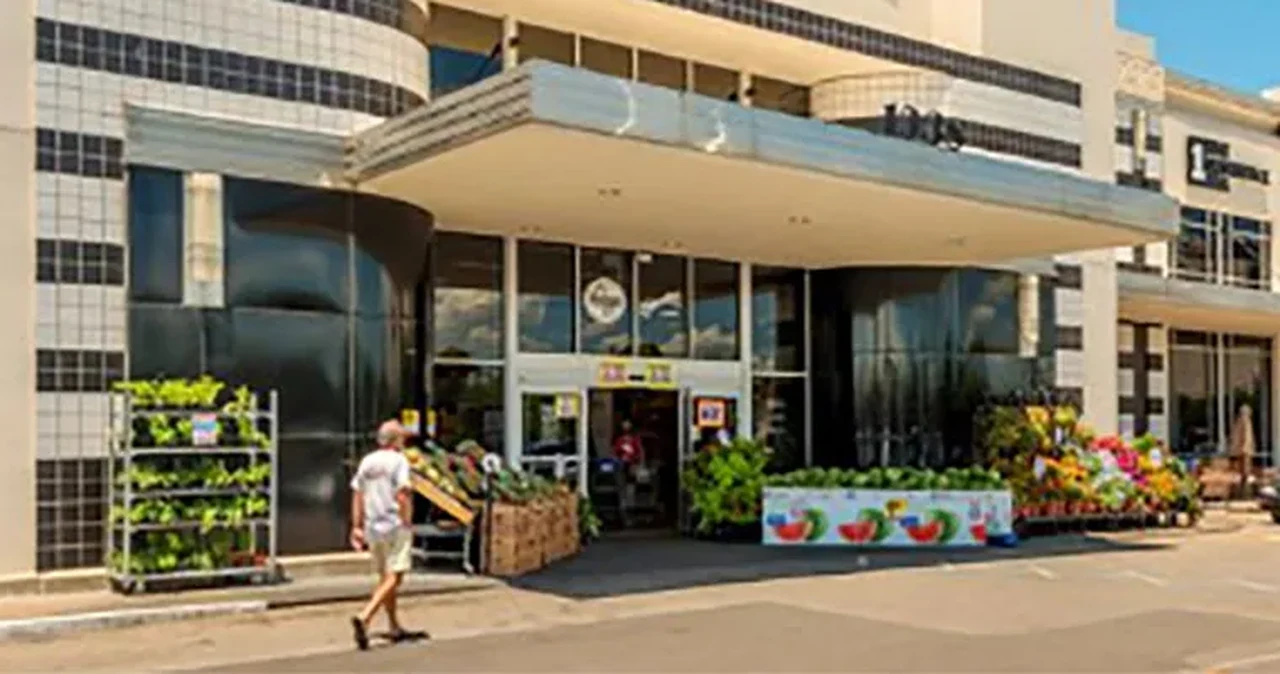
For shopping-center roof work, tenant access and separate operating hours can influence the sequence. We identify the actual restrictions and the decision needed before scheduling. A property near Metcalf Avenue may have several occupied uses, but its own access review establishes the work arrangements. The capital comparison retains those requirements so a lower amount based on unrestricted removal is not approved for a building that requires phased protection throughout construction.
Match the work window to the material
Regional Kansas City winter normals include cold conditions. Product requirements still control the preparation and application planned for the actual roof. We review surface condition, forecast exposure and the method selected before arranging the work window. A cold-weather change can affect temporary protection or the size of an opening. The capital plan should retain those measures where they influence the proposed construction amount and daily closure.
Summer heat also does not establish a rain-free season. The regional July climatology includes normal precipitation as well as warm temperatures. An occupied-building removal sequence needs protection for an interruption, whatever month it is planned. We identify how an open stage will close and what requires another examination after a weather change. The manager can then review a revised schedule against its construction assumptions rather than assume that the original amount covers any sequence.
Keep deferred roofing in the plan
Phasing can spread the work across roof areas. It also leaves retained roofing in service between stages. We identify the condition of those deferred sections and the interim action they need. A repair made for the interval has a different purpose from preparation for final replacement. The capital plan records both. It also identifies shared drainage or walls where the first phase must connect to construction that will remain until later.
A current roof asset history can retain accepted phases and open tasks. We explain the finding that would justify moving a deferred area forward. New water entry or confirmed deterioration may change the decision. A calendar date alone does not establish that need. The owner can review the next expenditure against current condition, while the manager keeps the maintenance and protection needed for the interval visible in the work schedule.
Authorize work with its assumptions visible
Before authorization, review the examined scope and the unresolved allowances. We identify removal, preparation, interface reconstruction and occupied-use measures. Each allowance should show the condition that could change the work. Applicable permit and energy-code review also need to follow the selected project. Requirements for a neighboring property or a previous repair cannot establish the obligations for the present intervention. We identify further review needed before the amount represents work ready to proceed.
A roof condition report supporting the amount keeps the findings available. Replacement scope development connects them with the selected assembly and work limits. The manager can then explain why one alternative was selected and which change should prompt another review. New equipment, altered building use or an expanded concealed defect can affect an earlier decision. Keep that trigger with the plan so an approved amount remains tied to the construction it was intended to fund.
Proposal exclusions need the same review. Identify disposal, support corrections and separate trade work that lie outside the roof amount. The owner needs to know whether those tasks are independently arranged or still awaiting a finding. A complete comparison retains them beside the selected intervention.
Commercial Roofing Questions
Can installation age establish a replacement budget?
Age is part of the history. Inspect present condition and define removal, retained material and operating measures before treating an amount as a construction budget.
How should an unresolved layer be handled?
Identify the question and the examination needed. Keep any related allowance conditional until the concealed finding and work boundary are established.
What belongs in a phased plan?
Record accepted work, retained sections and interim repairs. Identify shared connections and the finding that should bring deferred work forward.
When should the approved amount be reviewed?
A changed scope, wider concealed finding or new operating restriction can require another review. Compare the change with the assumptions retained in the plan.
Related Roofing Work
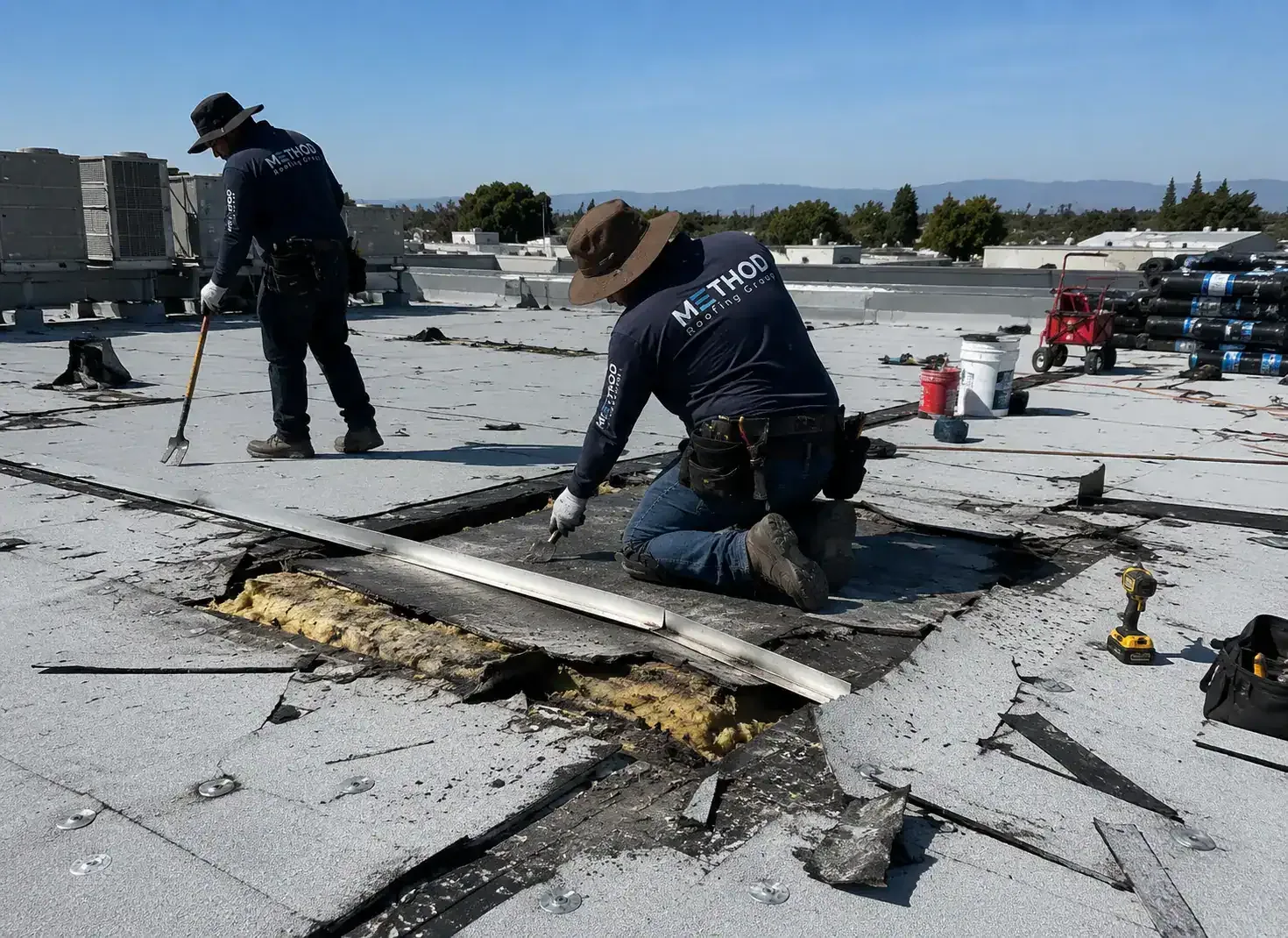
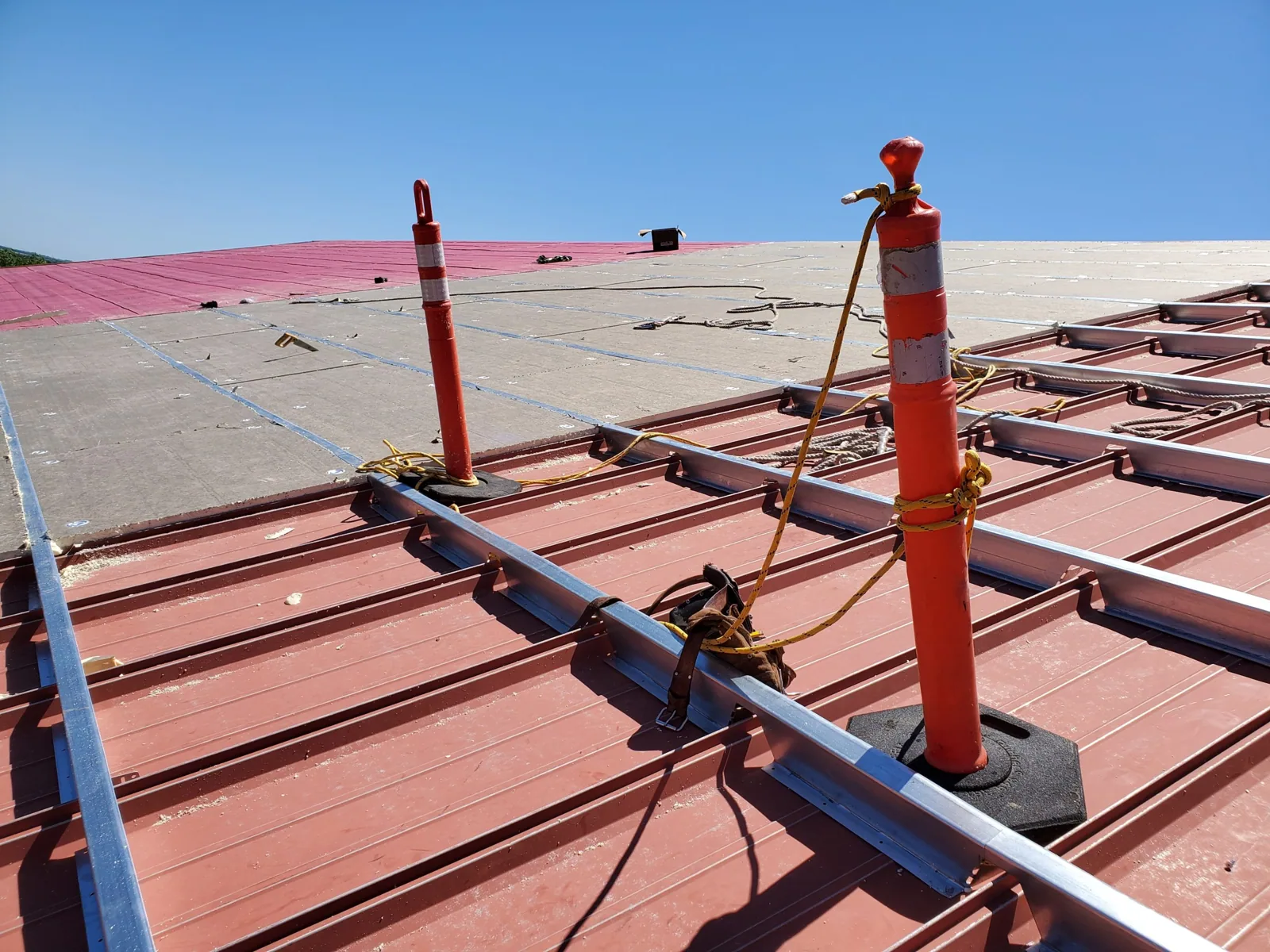
Set the roof expenditure scope
Ask Commercial Roofing Overland Park to check current condition and define the alternatives before you authorize capital work.