Roof Warranty Management in Overland Park, KS
Home / Roofing Capabilities / Roof Warranty Management
Get a Free Roof Assessment - Call 555-555-5555
What Property Owners Should Know
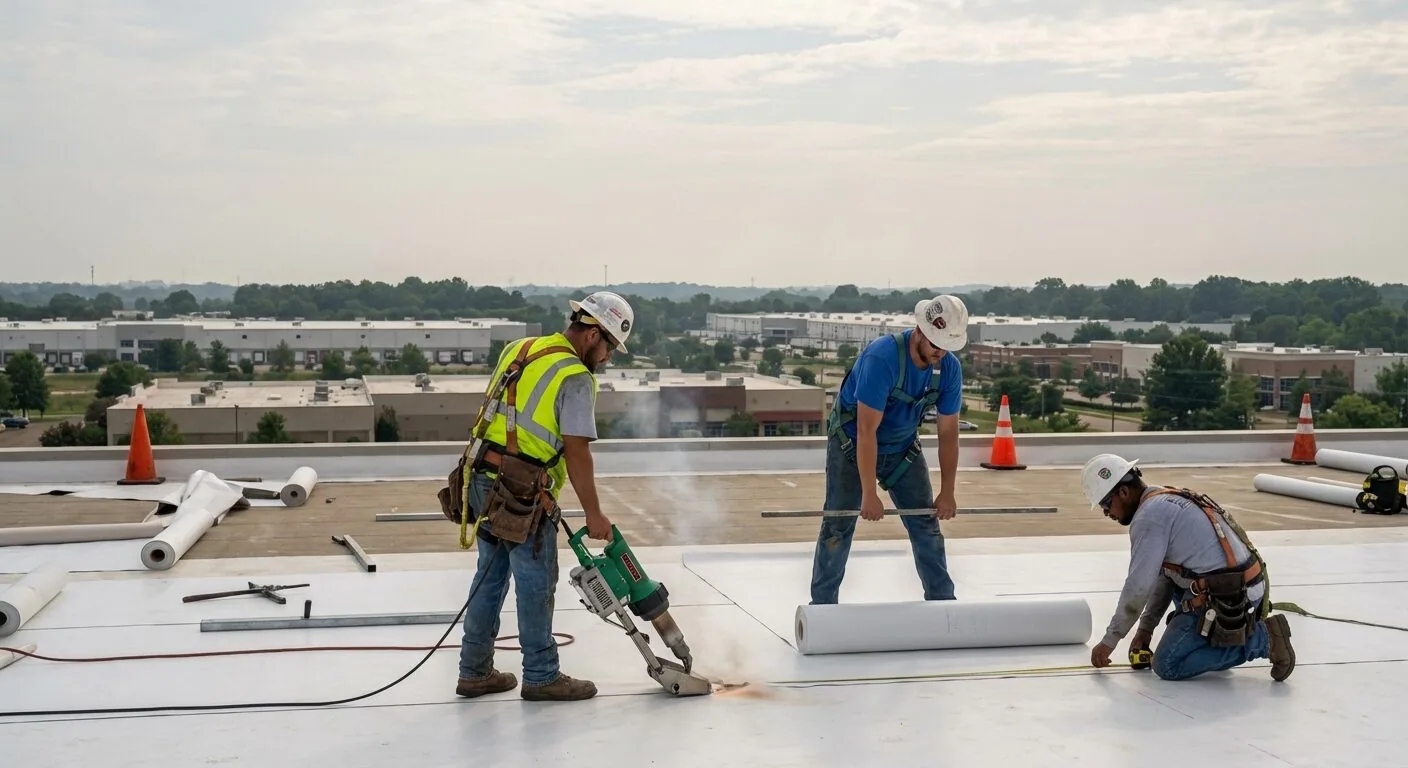
A retail manager planning a new roof penetration needs the warranty requirements before another trade cuts the covering. Start with the document applying to that roof area. Commercial Roofing Overland Park helps manage roof warranty decisions in Overland Park, KS by connecting proposed work with stated notice, inspection and alteration procedures. We also examine the roof connection. A document review cannot establish which waterproofing detail suits the actual assembly.
Overland Park includes independent stores and national retailers. Downtown Overland Park combines businesses with multifamily housing and civic uses. The occupied building needs its own access and protection arrangements during any examination or correction. We identify those requirements alongside the condition being reported. The manager can then seek the provider's decision with the actual roof location and proposed action clearly described.
Bring later correspondence as well as the original warranty. A provider may have stated a condition for an earlier alteration or requested follow-up after an inspection. We identify the work that response addresses and any task still open. The manager can then review the present proposal against the available record instead of assuming that an old response authorizes a new opening.
Read the document for the roof area
Identify the issuing party, described assembly and stated dates. Keep material coverage distinct from a contractor's workmanship commitment. These documents can address different conditions. A warranty title does not establish that a leak is covered or that a proposed repair will be approved. We review the terms available and identify the information needing confirmation. Reporting deadlines, maintenance duties and alteration procedures should stay visible before work is arranged.
A property can have roofing installed at different times. Additions and later repairs may have separate documents or no identified coverage record. A roof-area ownership record can connect each document with the construction it describes. We identify missing information without assigning coverage to an unverified section. If a transfer procedure applies to ownership changes, the owner needs confirmation under the actual terms. Prior coverage does not automatically establish the next owner's status.
Locate the condition before reporting it
A useful notice identifies the defect and its roof location. We photograph the affected detail with enough surrounding construction to orient the review. Interior water reports keep their own location and timing. They do not by themselves establish a roof entry route. The submission should distinguish an observed opening from a suspected explanation of water movement. That distinction helps the provider review the actual finding without treating an unconfirmed cause as examined construction.
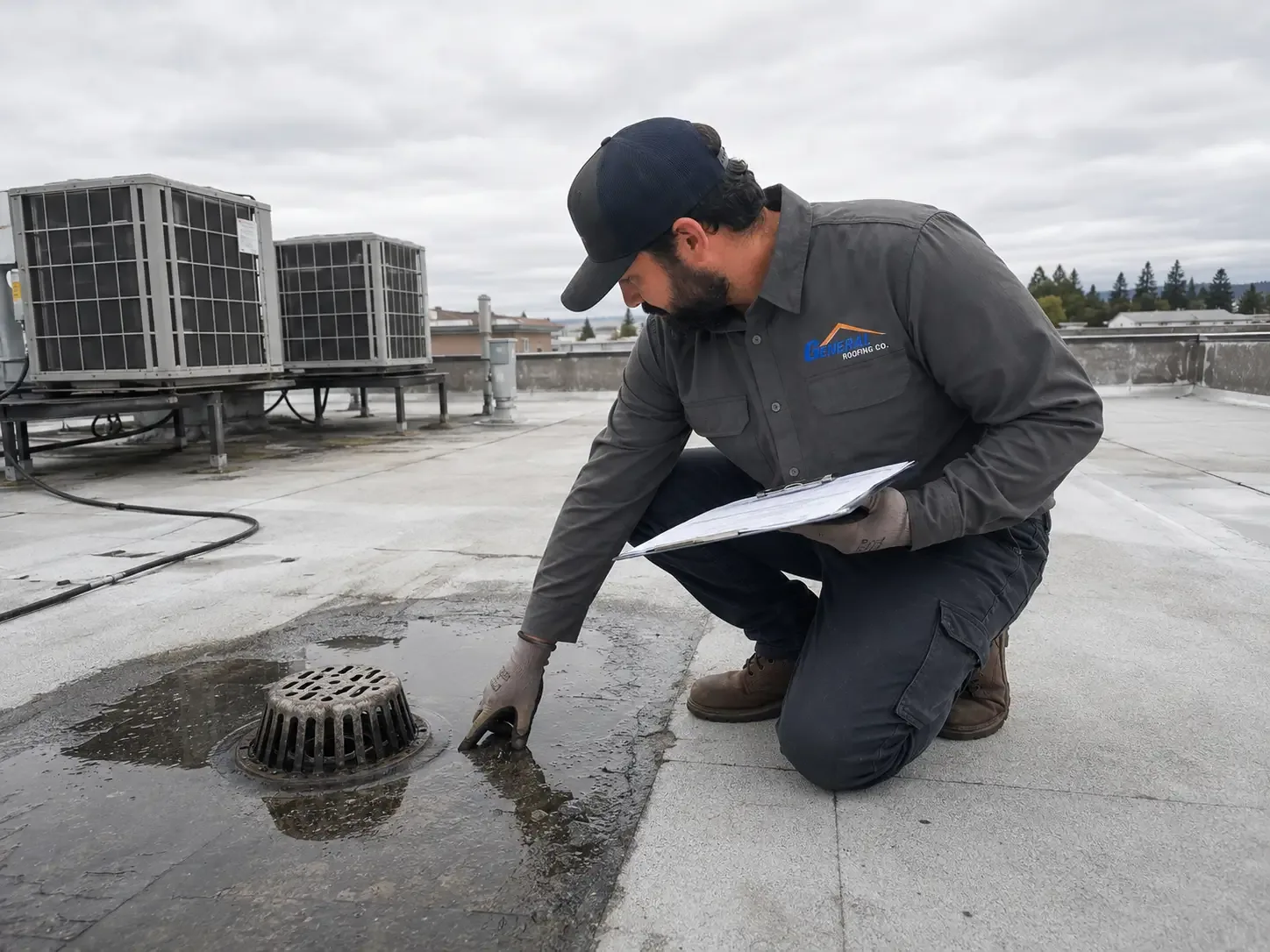
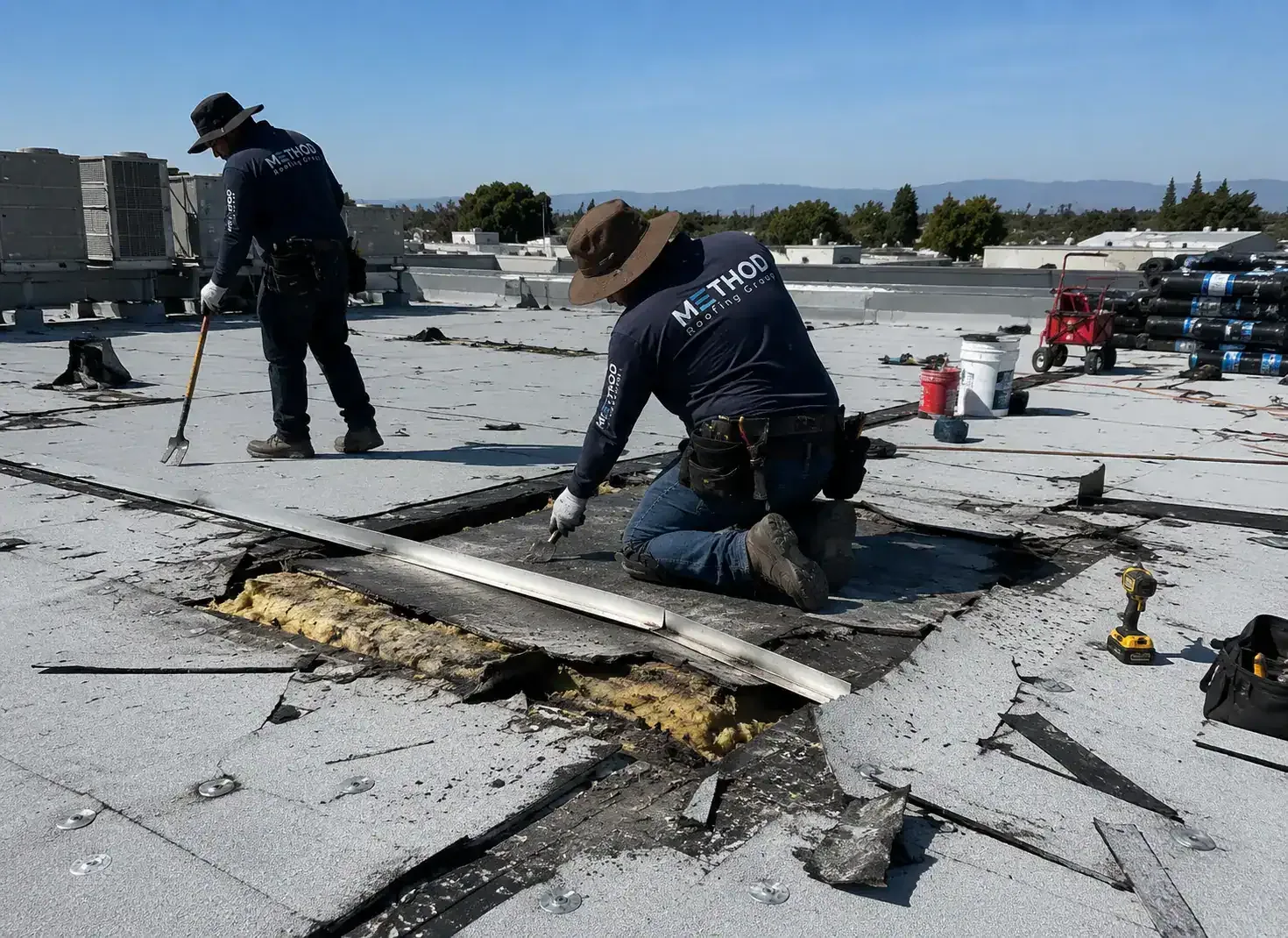
A condition check of the roof identifies accessible assembly findings and the need for further investigation. An opening may require provider review under the document's terms. We discuss that procedure alongside the access, protection and restoration needed for the examination. The provider's response belongs with the proposed method. It does not replace the physical findings needed to set the permanent repair limit or establish the condition of concealed support.
Address active water with a defined measure
Water entering an occupied building can need protection while a coverage question remains open. We identify the affected connection and the measure proposed. Review the stated reporting procedure with the issuing party before relying on a coverage assumption. Temporary protection still needs its work record. Its inclusion in a claim or exception from a notice requirement remains subject to the actual provider response. The manager needs the actual procedure and a clear account of the roof condition requiring action.
A protective roof response has a defined purpose and limitation. Record the area secured and the connection still needing permanent work. Regional winter cold can affect product use and preparation. We check those conditions against the actual material requirements before proposing an application. A temporary surface should not be treated as a finished warranty correction merely because visible water entry has paused. The roof record retains the next examination and permanent work still required.
Review the changed interface before cutting
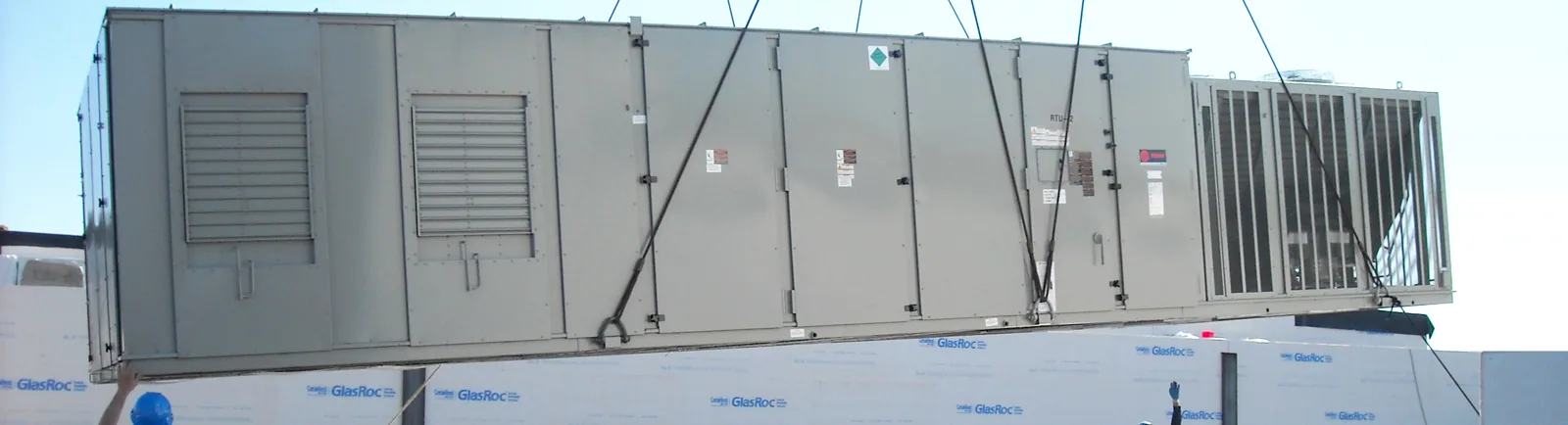
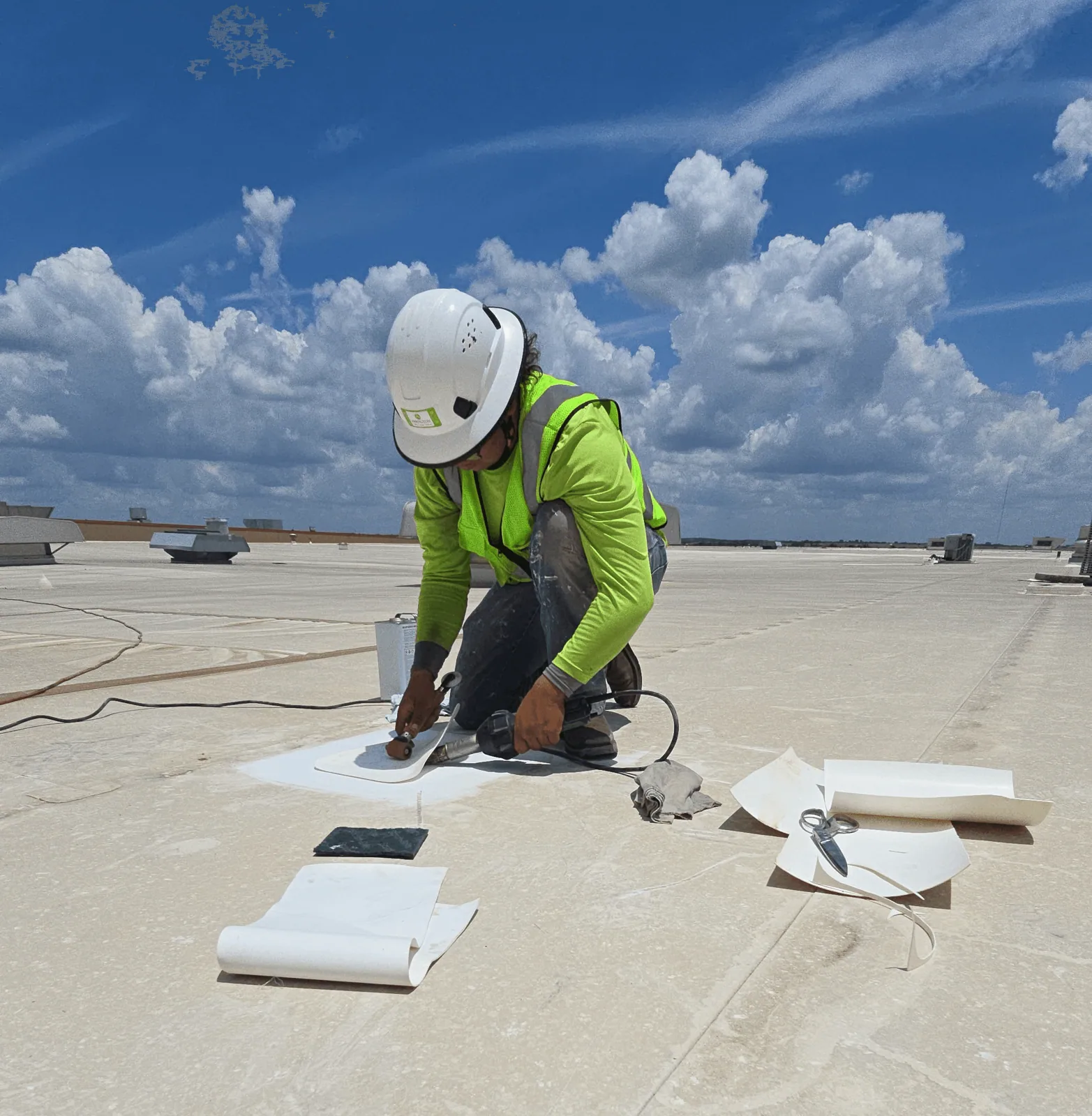
Equipment replacement can change curb height, support and roof traffic. We identify the interface to be altered and the waterproofing needed around it. The warranty may require a specified detail, inspection or contractor qualification. Those requirements must come from the actual document or issuing party. We do not imply that our involvement establishes manufacturer approval. The owner needs that decision before relying on a particular alteration as compliant with the stated terms.
Equipment and curb roofing work also needs clear trade responsibilities. Identify who prepares the support and who closes the roof. Record any concealed finding that changes the proposed detail. The manager can then seek further review where needed before the opening expands. A provider response for one connection should remain tied to that work. It should not be carried across unrelated penetrations or another roof area without confirming its application.
Keep maintenance actions specific
Maintenance records should show the roof location and task performed. Debris removal, inspection and flashing repair are different actions. Keep defects left unresolved with the next step needed. If the warranty imposes maintenance obligations, review the actual terms for the work and record required. A generic service entry may not explain whether an identified defect was examined or corrected. The manager should retain enough detail to locate the action during a later review.
A recorded maintenance sequence can connect visits with accessible drainage and roof details. Document the material found, work completed and any further assessment recommended. Roof traffic or new equipment may change a connection between visits. Record that alteration separately from the routine inspection. We explain the roof question raised and the approval needed before correction. This keeps maintenance history useful without treating it as a promise that future water entry cannot occur.
Retain the response with accepted work
Keep the provider's decision in its actual written form. Identify the work authorized and any conditions attached. If the scope changes after an opening, the owner may need another review before continuing. We retain the changed finding and the proposed correction. Accepted work then needs a located record of preparation, removed material and finished closure. Concealed-work photos help show what the final covering no longer exposes.
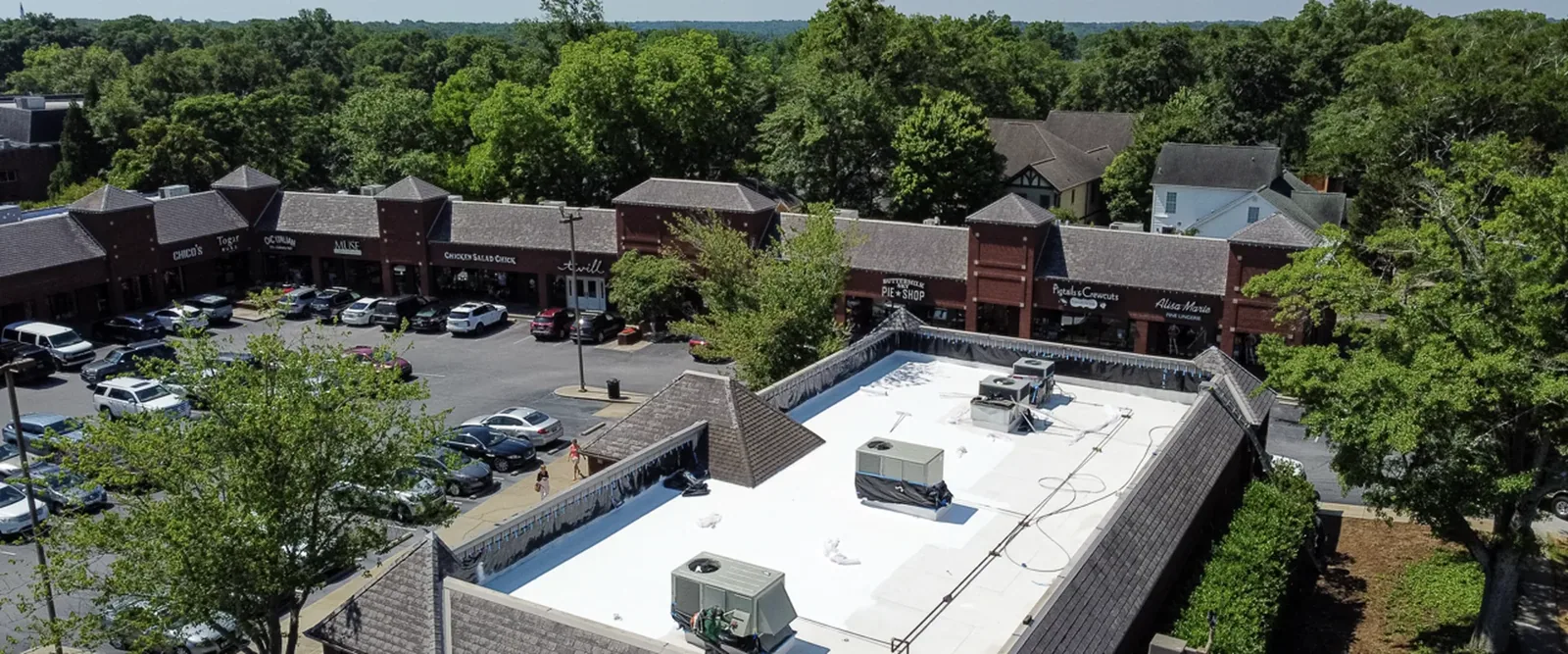
A report of the original roof finding provides the starting condition. For shopping-center roofing decisions, retain the agreed tenant access and protection measures with the repair entry. The provider's coverage response and the physical correction remain separate decisions. A denied claim does not establish which repair the assembly needs. An approval does not establish that every surrounding component was examined or corrected.
Properties near Metcalf Avenue can have several occupied uses requiring coordination. The document record should still identify the particular roof and intervention. We discuss access changes with the manager before a later provider examination is arranged. That helps keep the site ready for the actual review without extending one approval to other construction.
Commercial Roofing Questions
Does the warranty cover a new equipment penetration?
Review the alteration terms and seek the issuing party's required approval. The roof connection also needs a detail suitable for the assembly being changed.
What should be retained with a claim notice?
Keep the roof location, observed defect, photographs and associated water reports. Identify the examination undertaken and any unconfirmed cause.
Can temporary protection be treated as a completed repair?
Record its protective purpose and limitations. Identify the permanent correction still needed and follow the provider's stated review procedure.
What does a denied claim mean for physical work?
It addresses the coverage response. The defect still needs an assembly examination and a suitable correction regardless of that document decision.
Related Roofing Work
Check the warranty work requirements
Schedule a condition and document review with Commercial Roofing Overland Park before arranging the proposed roof alteration or repair.