
Roof Systems in Overland Park, KS
Home / Roof Systems
Get a Free Roof Assessment - Call 555-555-5555
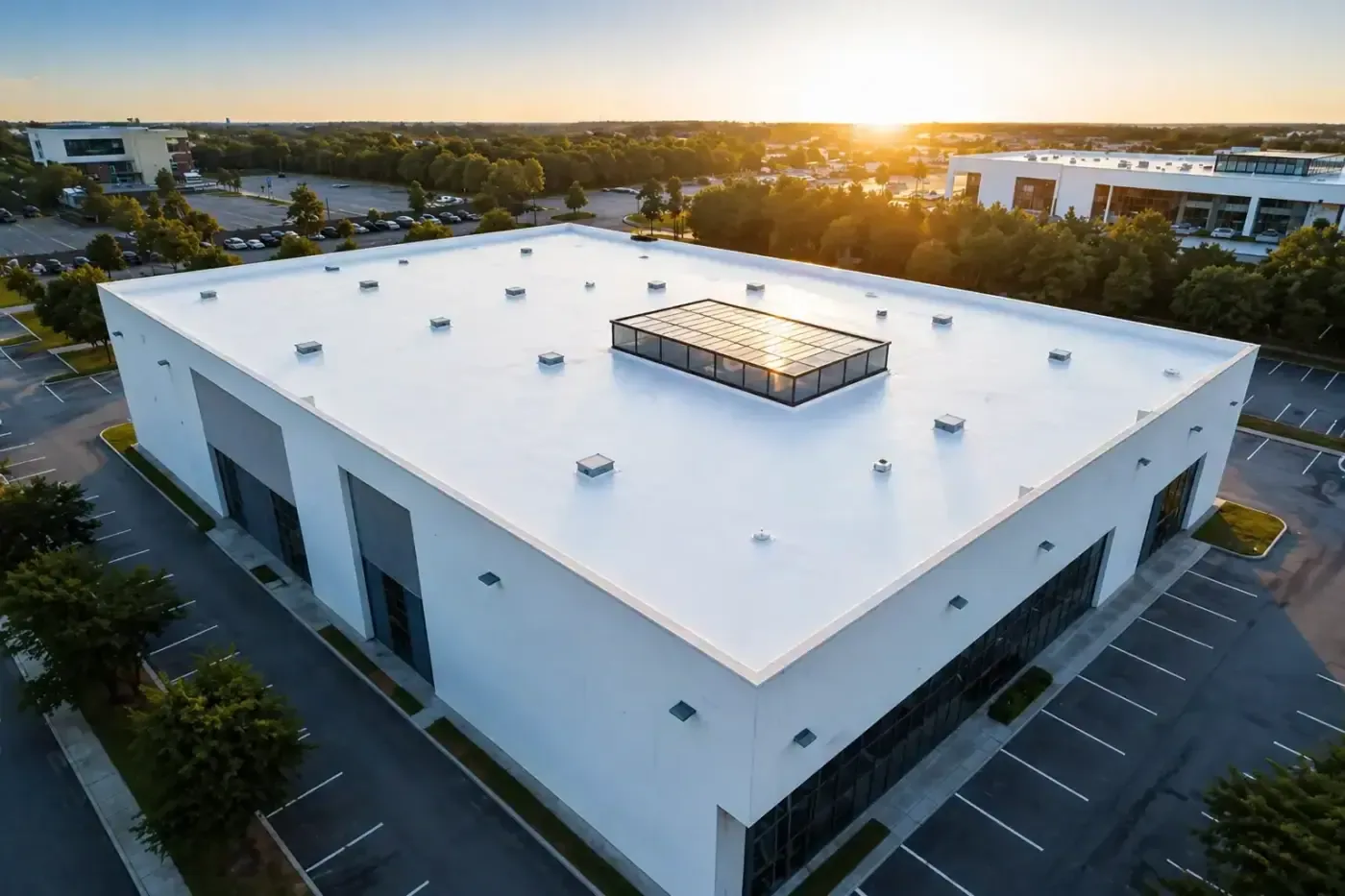
A membrane name does not settle a roof decision. The deck, insulation, attachment, seams, edges and penetrations determine what the assembly can accept. We identify the existing system first, then compare repair, replacement, recover or restoration against condition and building use. A sound tie-in and a dry substrate matter more than selecting a product label before inspection.
Overland Park’s regional climate adds seasonal demands. Regional winter brings cold and snowfall. Summer combines high temperatures with precipitation. The work window must fit material requirements and temporary protection. The system pages below focus on how each assembly handles seams, movement, water and service access.
Start at seams and transitions
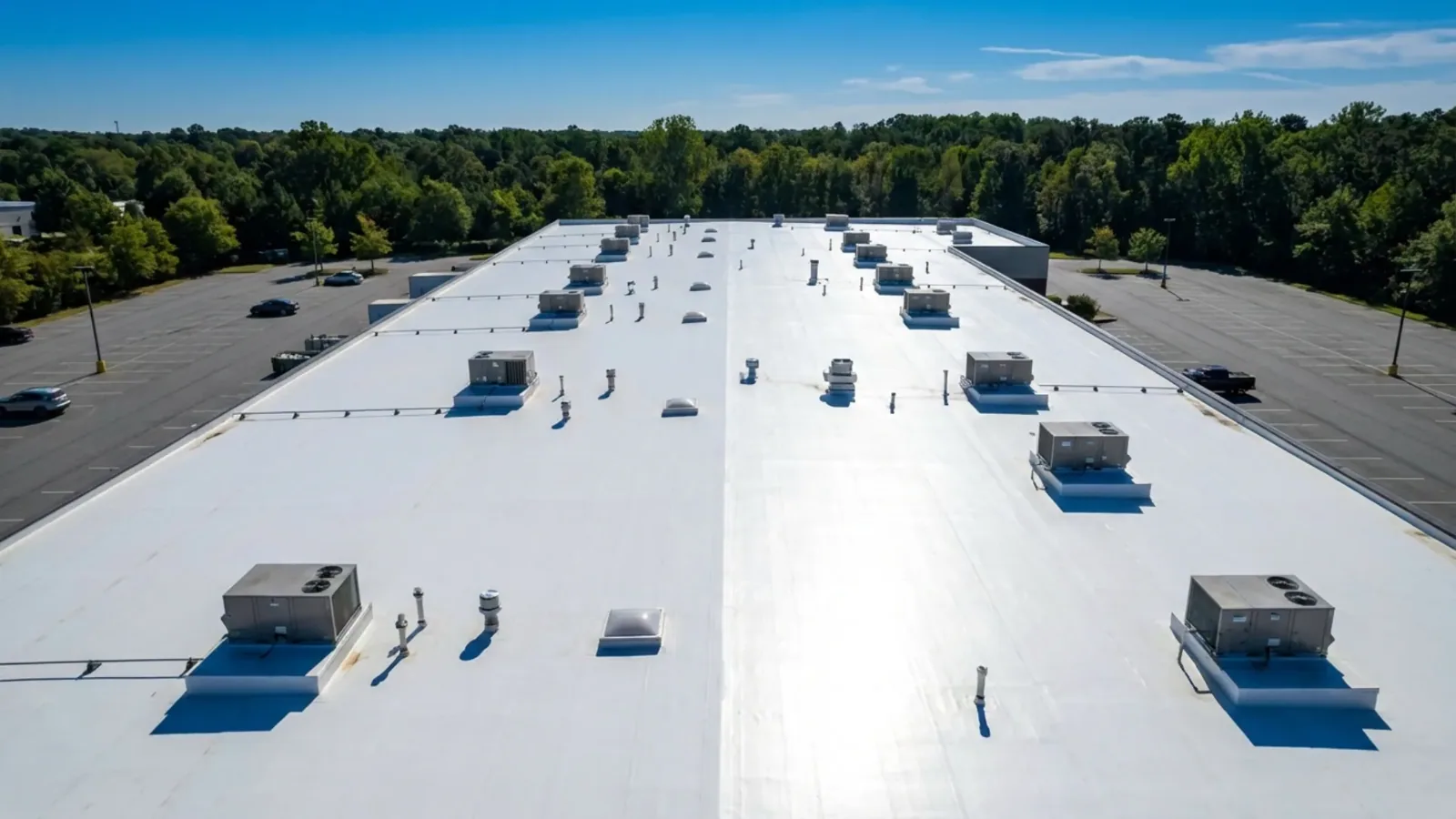
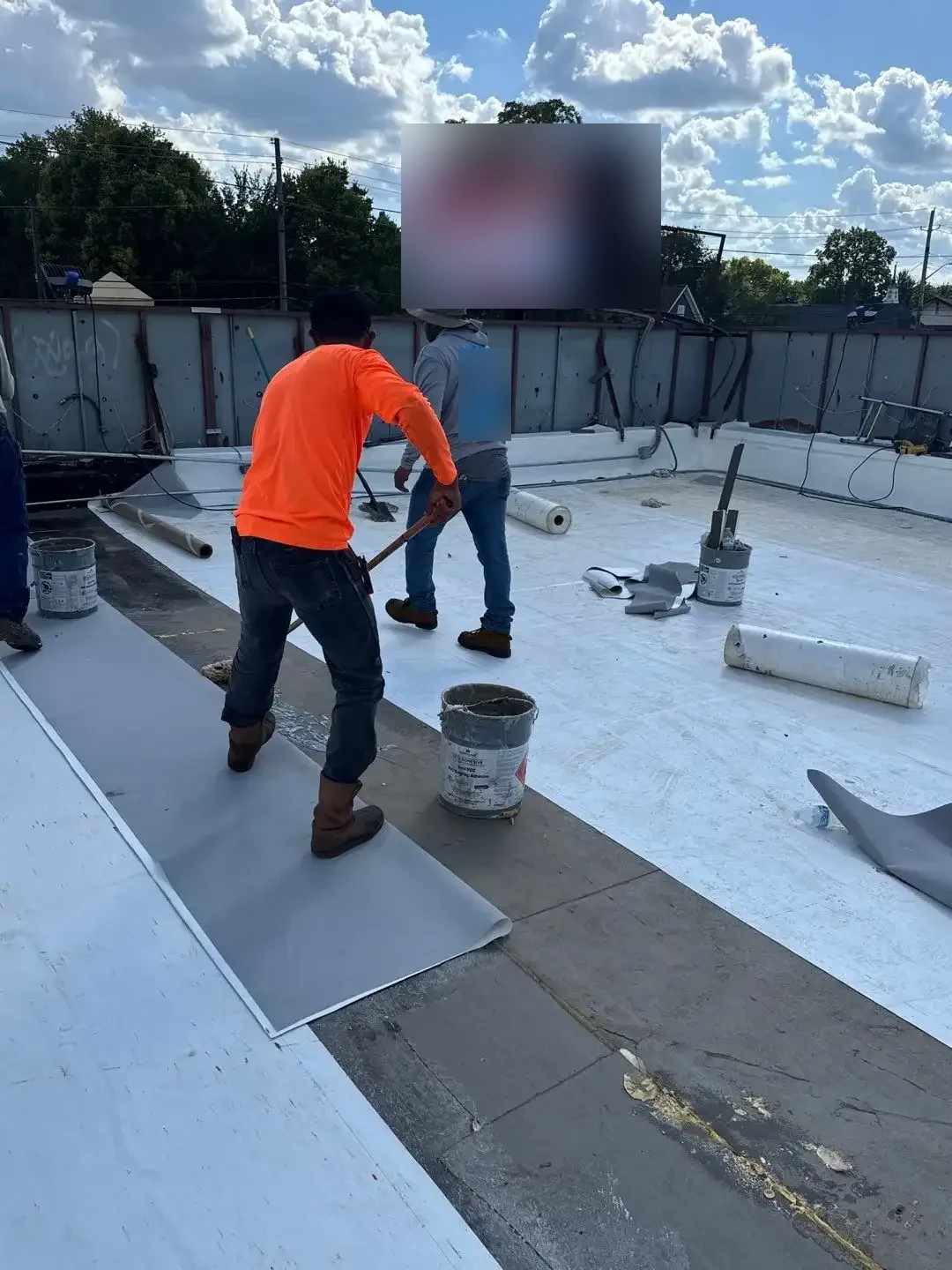
Single-ply systems need compatible seam preparation and reliable flashing at curbs, drains and walls. TPO roofing and PVC roofing use welded seams, but the installed sheet and surface condition must guide the repair. EPDM roofing uses a different seam and flashing approach. KEE formulations also require identification before material selection, so inspect the system rather than inferring it from color or age.
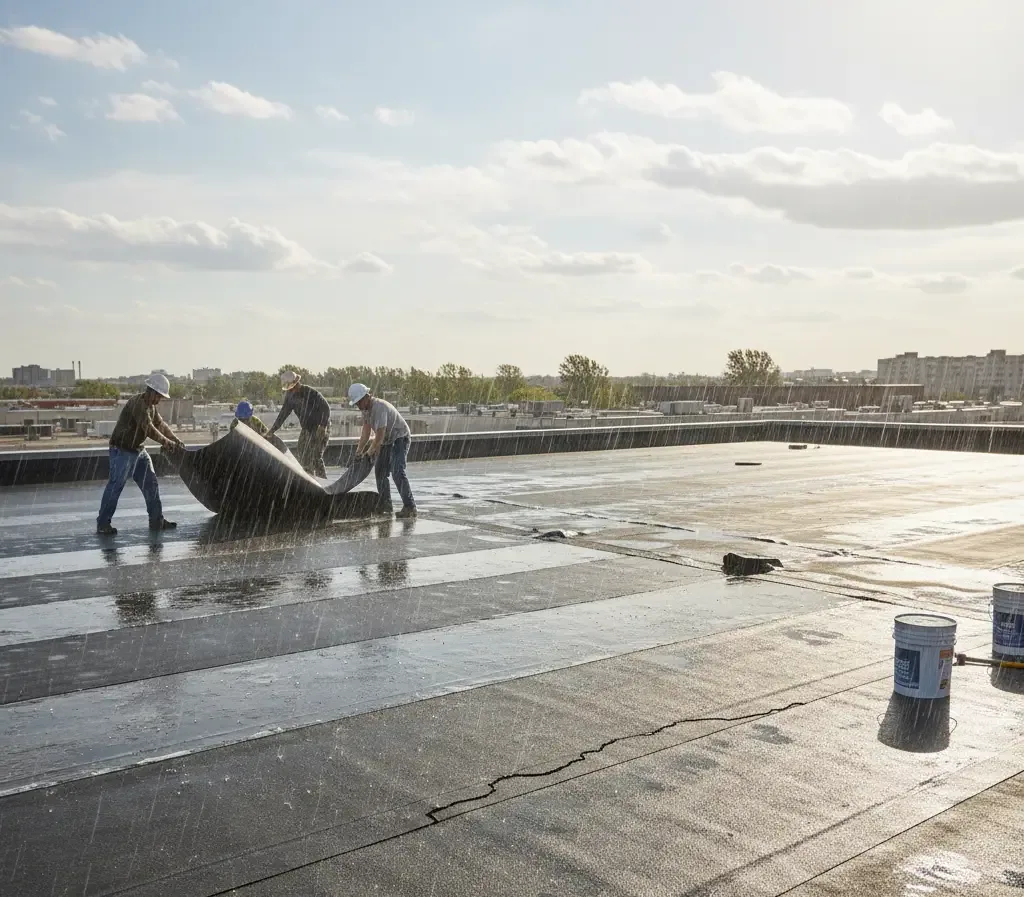
Built-up and modified-bitumen assemblies carry multiple plies or surfacing details that can hide moisture and separate damage. A built-up roof inspection checks the field and flashing separately. Modified bitumen work accounts for the layers, application method and transitions before opening the roof.
Match the scope to the roof
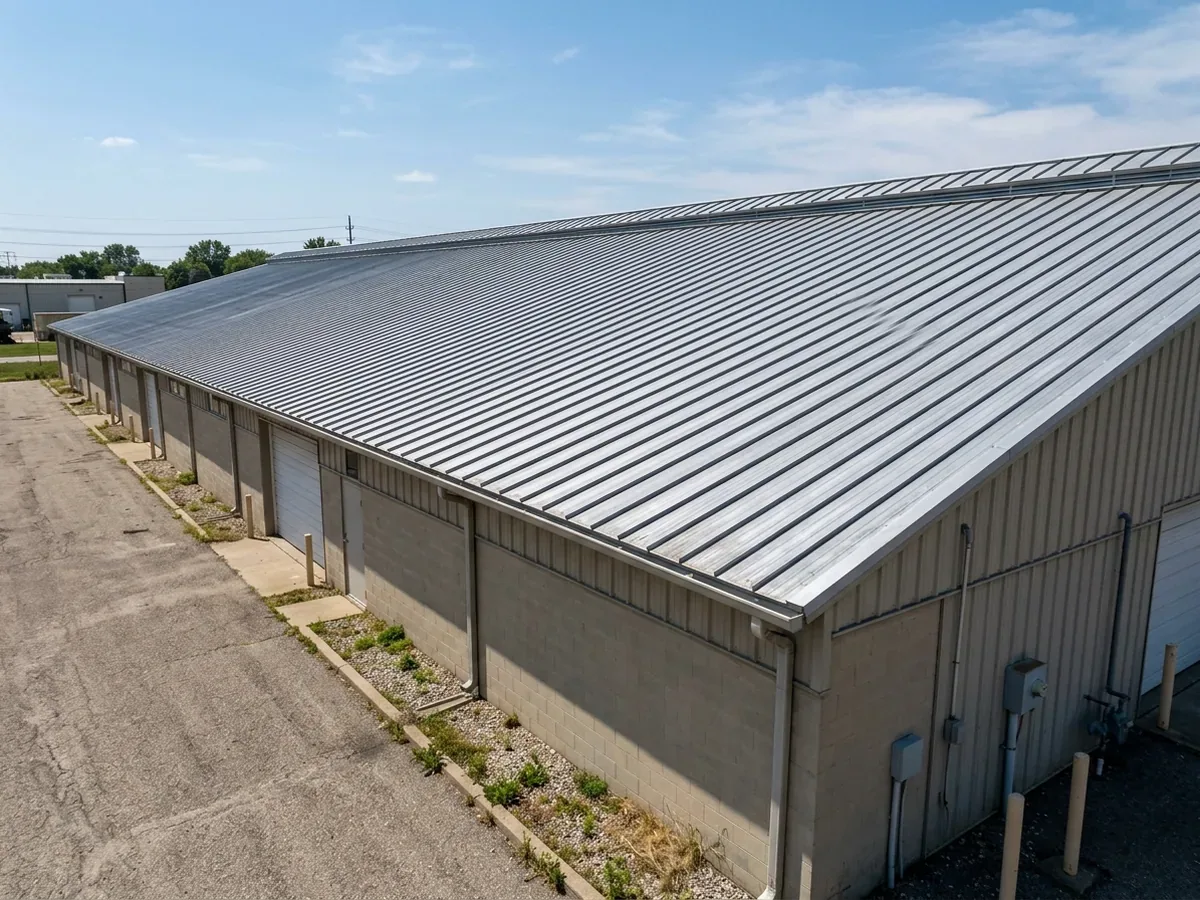
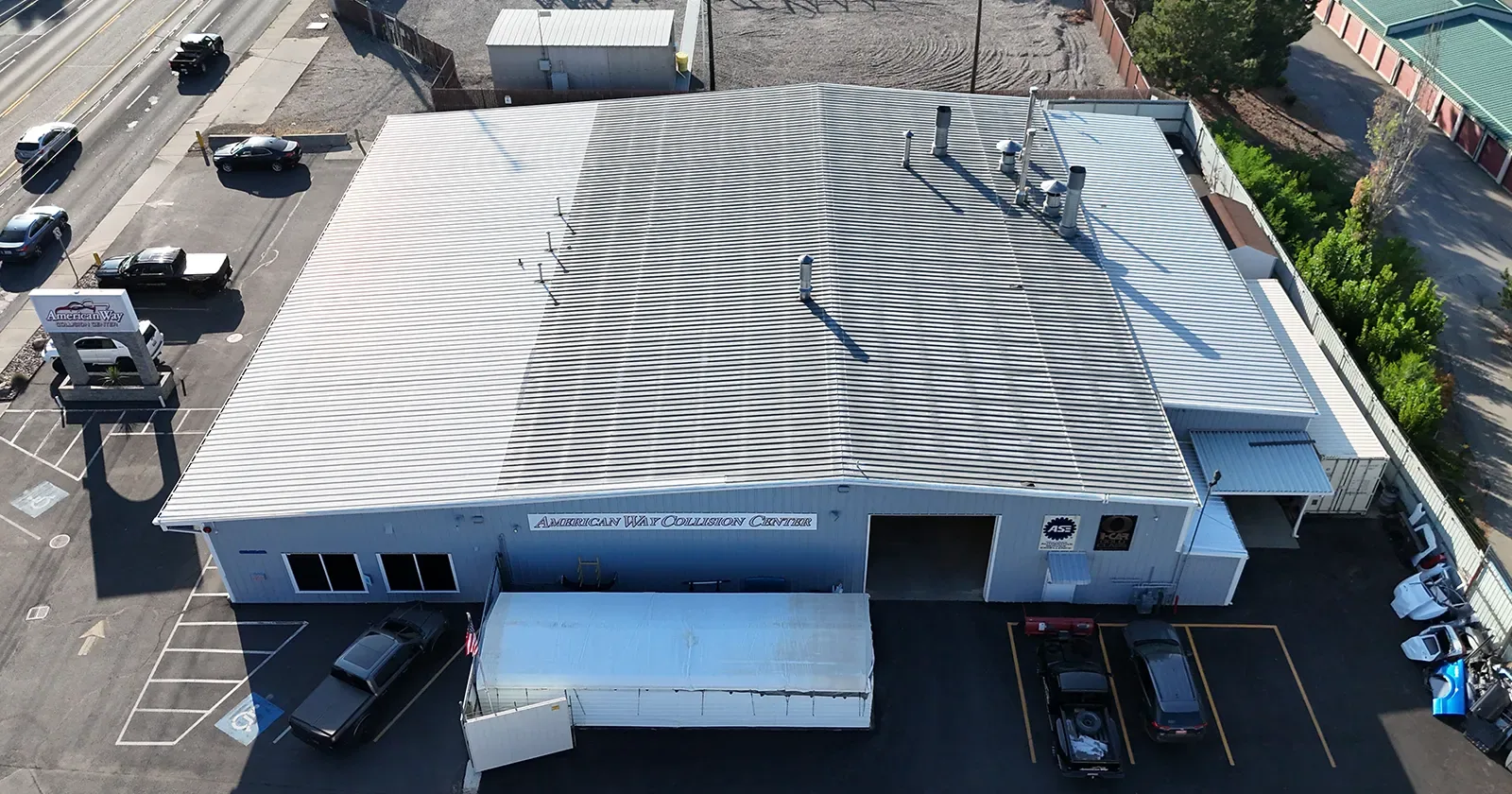
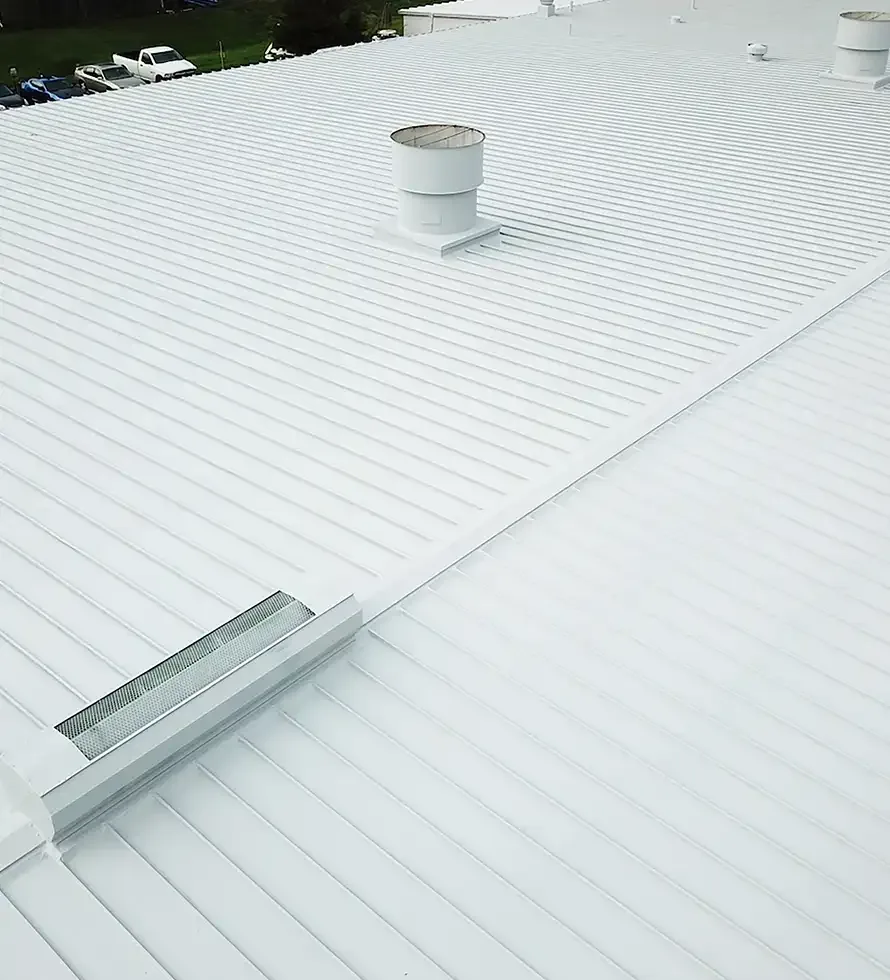
Metal roofs move with temperature and need details that preserve panel movement while keeping water out. Standing seam systems require attention at seams and penetrations. A metal retrofit is a separate assembly decision involving attachment, drainage and existing panel condition.
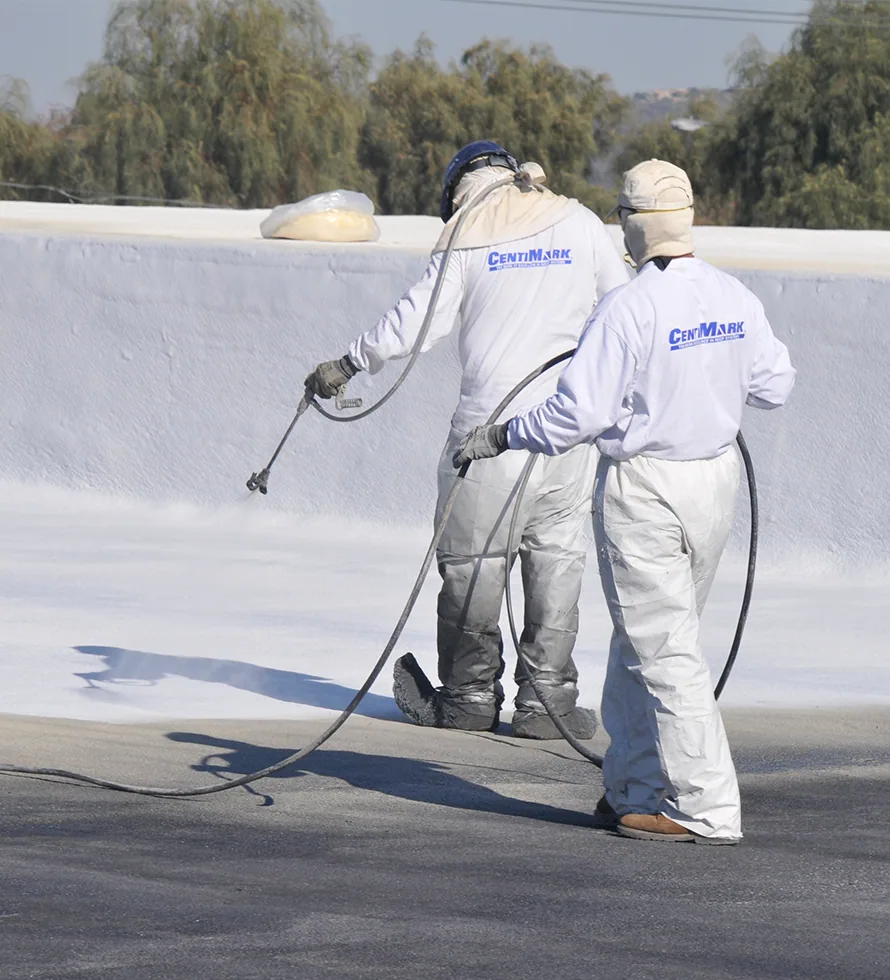
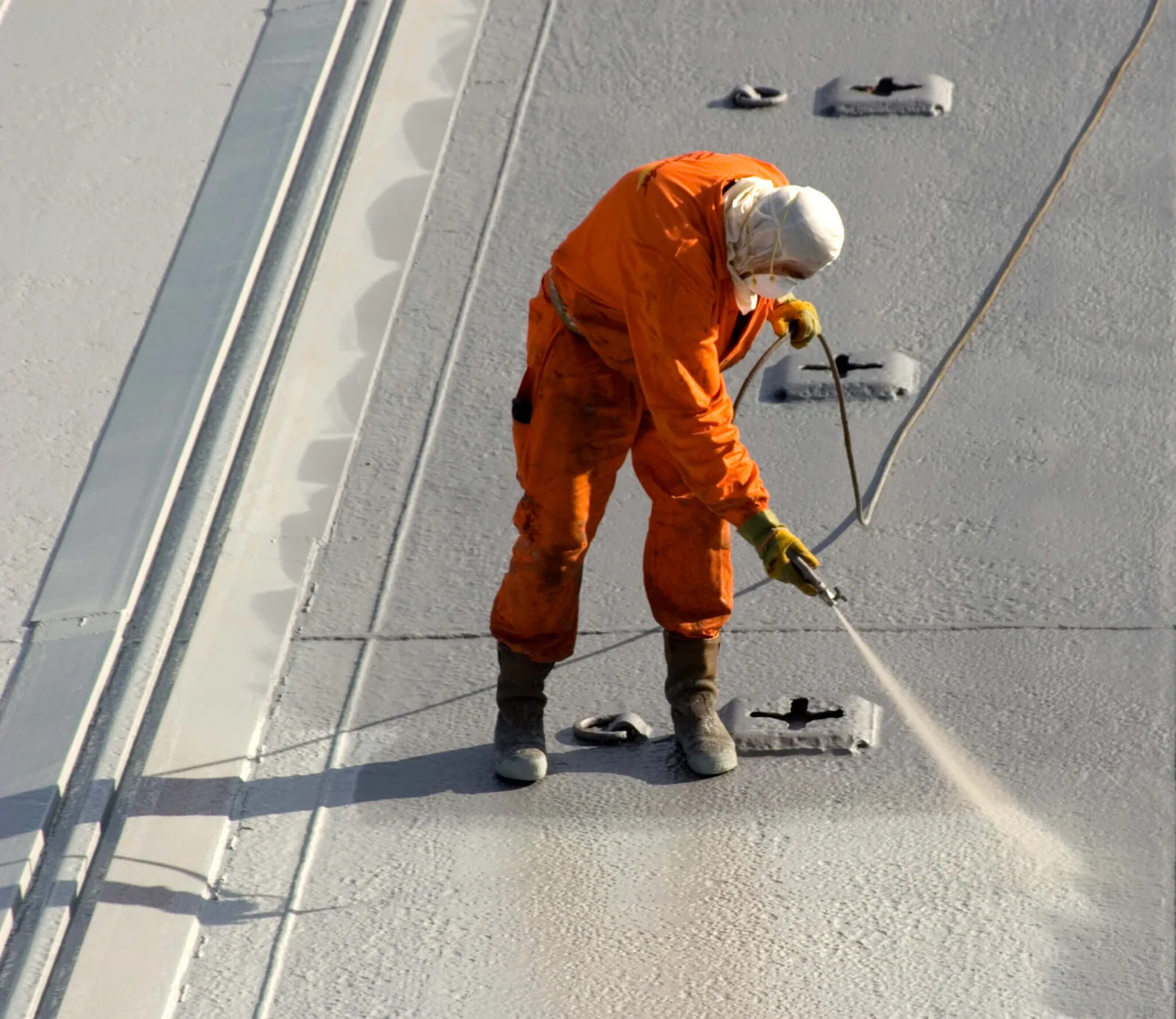
Foam and coating systems depend heavily on substrate preparation and surface condition. Spray foam roofing needs a protective finish; silicone coatings and acrylic coatings have their own moisture and application requirements. We check whether the retained roof is suitable before proposing a restoration layer.
Plan for equipment and drainage
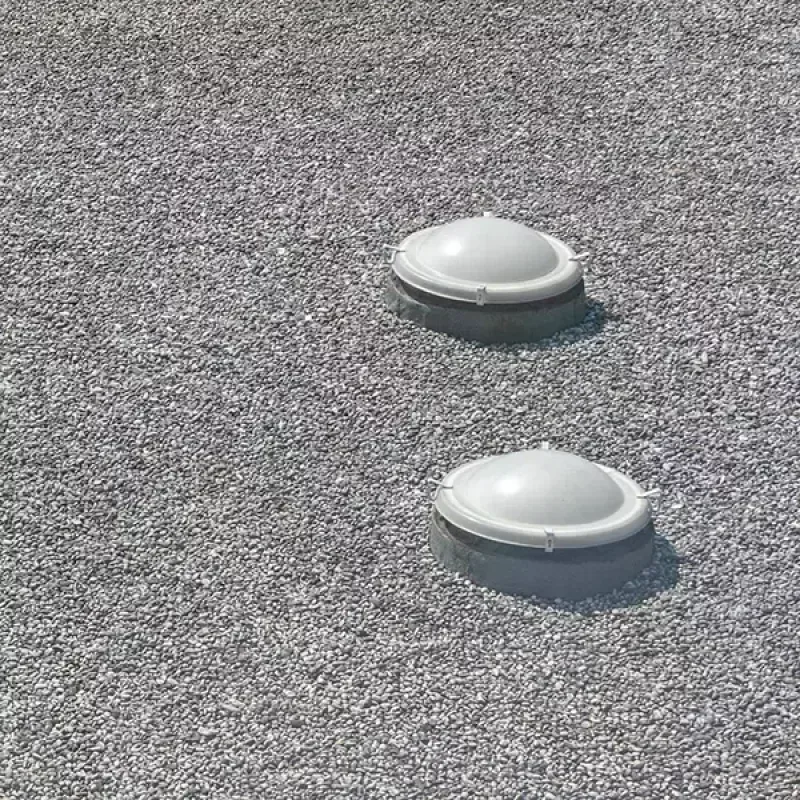
Roof systems fail at transitions when the field, flashing or drain detail no longer work together. We inspect curbs, walls, scuppers, edge metal and areas where trades have changed the roof. Wet insulation can require removal even when the membrane surface appears intact. The scope states how material ties in, how water reaches an outlet and what must remain accessible for later service.
Regional winter cold can affect adhesives and temporary covers. Summer heat and rain can constrain coating work or an open roof. We schedule the installation against the selected material requirements and the actual forecast, then close each opened area before the workday ends.
Keep details maintainable
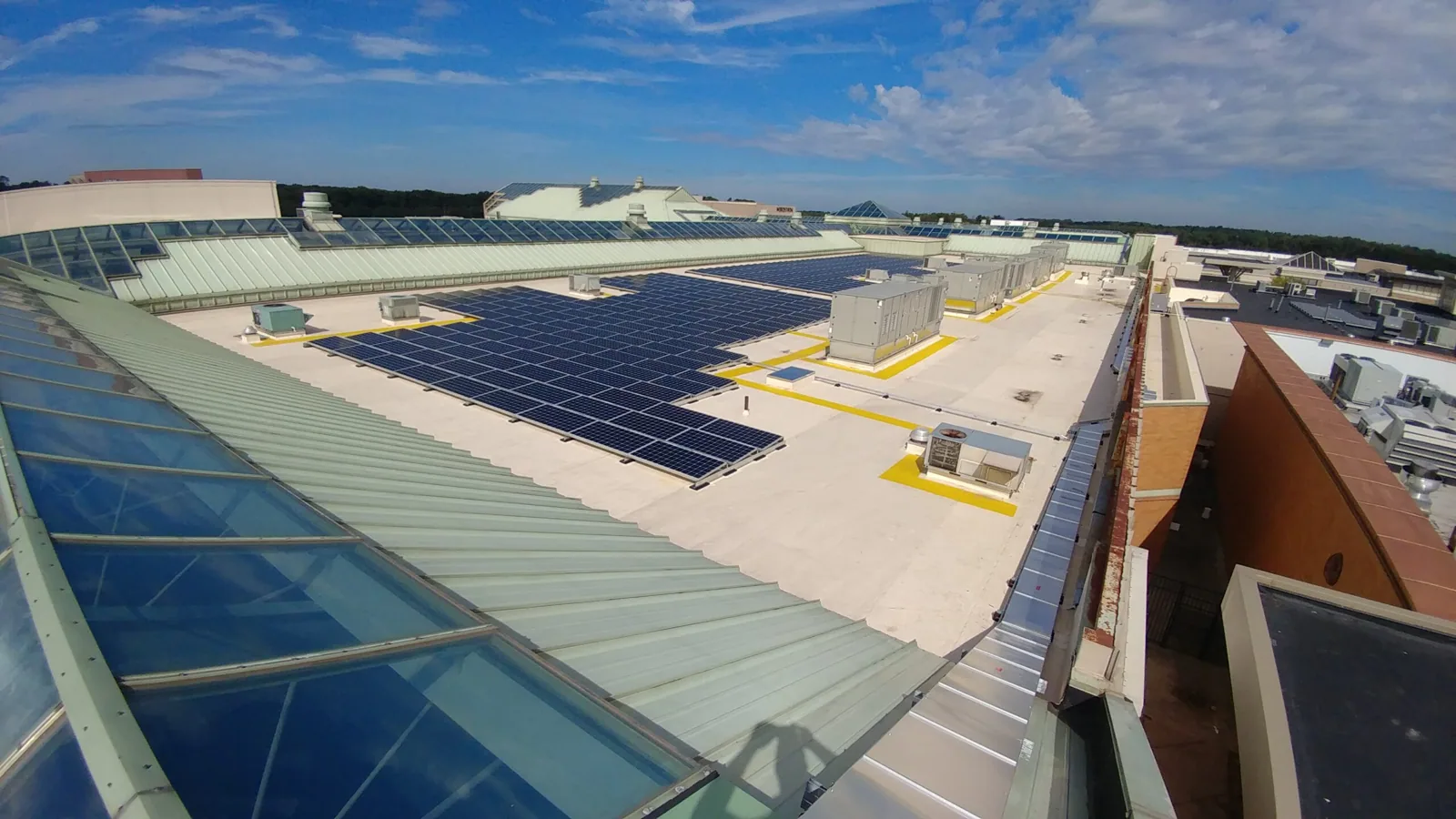
Equipment changes can add penetrations or interrupt a membrane detail. We record the curb, flashing and service route so later work does not cut through an undocumented connection. A system choice should leave drains, fasteners and seams reachable for inspection and repair.
Commercial Roofing Questions
How do you identify an unknown roof system?
We check exposed edges, seams, flashings, repair history and available roof records. If the material remains uncertain, we recommend a test or limited opening only when the answer changes the repair method.
Can a coating repair wet insulation?
No. A coating is a surface treatment. Wet insulation or unstable substrate must be addressed before a finish is applied.
Does every metal roof need a retrofit?
No. We inspect panel condition, attachment, drainage and penetrations first. A repair may be sufficient, while broad deterioration can call for a different scope.
What controls a single-ply seam repair?
The installed membrane, surface condition, preparation and compatible welding or bonding method set the repair. We verify those details before closing the seam.
Inspect before selecting a system
Schedule an inspection with roof records and access limits. We will identify the assembly, check its transitions and explain which repair or renewal methods fit its condition.