
Spray Polyurethane Foam Roofing in Overland Park, KS
Home / Roof Systems / Spray Polyurethane Foam Roofing
Get a Free Roof Assessment - Call 555-555-5555
What Property Owners Should Know
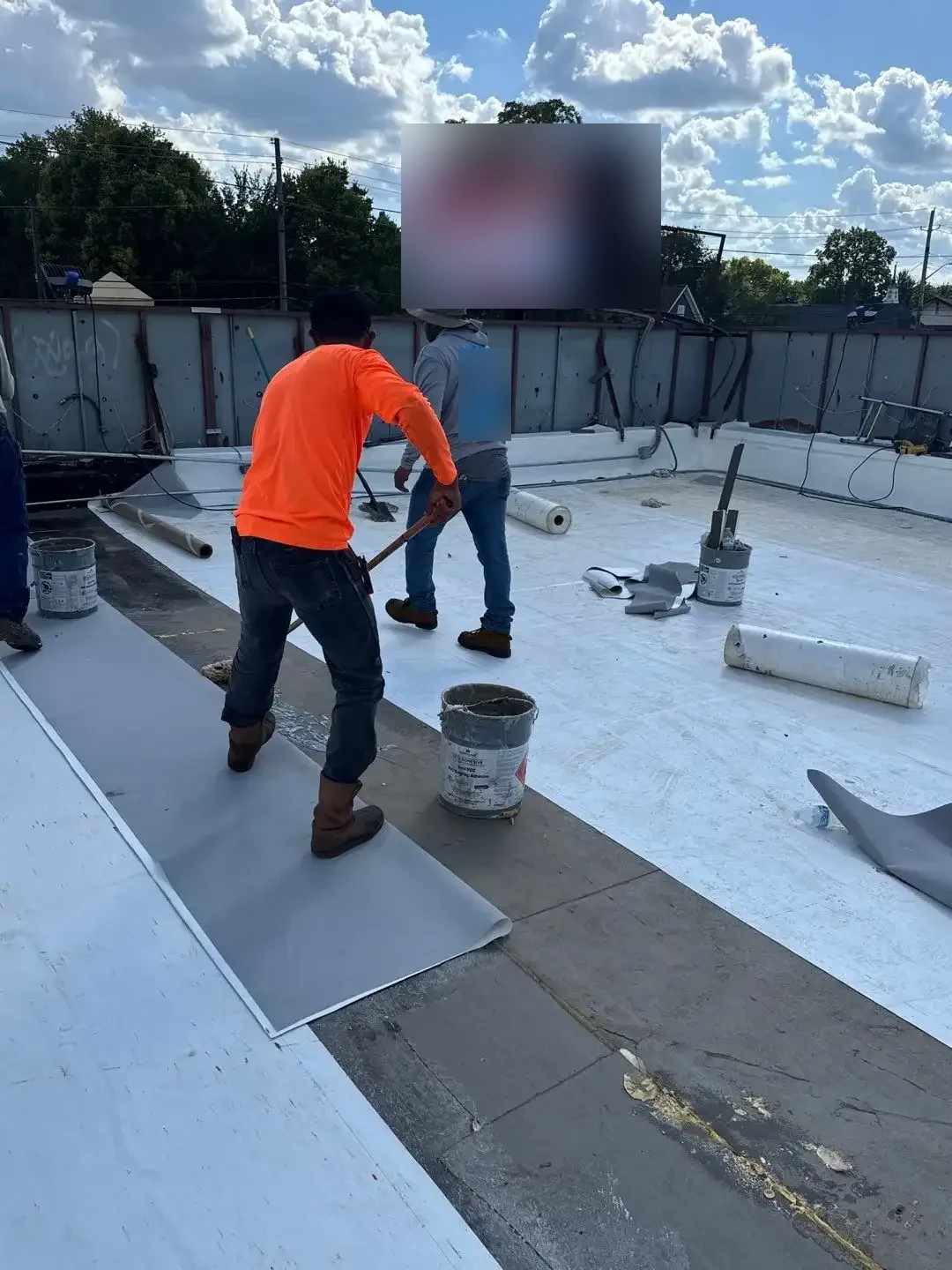
A damaged protective coating on a foam roof needs a closer look at the material beneath it. Exposed or deteriorated foam cannot be treated as a sound base merely because another coating could hide the surface. Spray polyurethane foam roofing in Overland Park, KS, requires assessment of the substrate, foam condition and weather-protective finish as one assembly. We identify the repair boundary before choosing a surface treatment or a larger installation.
Retail properties along 135th Street and office buildings near Metcalf Avenue have different occupied-use and access requirements. Those requirements affect preparation and application arrangements, not the chemistry of a suitable repair. A foam assembly inspection checks accessible damage and the questions requiring testing. The manager needs to know what remains sound, what must be removed and how the completed roof will be protected. A coating recommendation should follow those findings rather than replace the condition assessment.
Test the base before specifying foam
A spray-applied foam assembly needs a substrate and preparation method suited to the selected system. We inspect the existing roof and discuss authorized investigation where adhesion or concealed moisture changes the installation decision. Contamination, loose material and damp supporting layers can affect the result. The proposed scope should describe how unsuitable areas are removed or corrected before application.
Existing foam damage needs its own boundary. We inspect surface deterioration, punctures and accessible changes around equipment or outlets. Where damage extends beneath the visible spot, more investigation may be necessary. A shallow surface repair should not be chosen for a deeper condition without establishing its limits. The manager needs that distinction when comparing a coating-only proposal with foam removal and reconstruction.
A concealed-moisture investigation can help define questions about retained layers, subject to suitable conditions and confirmation. It does not make every concealed material condition visible. We identify the evidence required for the retention decision and explain any uncertainty. Application should proceed only on the preparation and support accepted for the project, with unresolved areas kept separate from the approved construction scope.
Control application beside occupied spaces
Spray application needs planning around wind, nearby surfaces and building operation. We discuss the proposed method and protection with the manager before work begins. Vehicles, windows, equipment intakes and adjoining properties can affect the permitted application arrangement. The site needs a specific plan for overspray control and occupied-use coordination rather than a general assurance that the roof work remains overhead.
The material requirements also set limits for substrate condition, temperature and other application factors. Check the selected product documents and the actual conditions at the work area. Regional July rainfall and winter cold make forecast planning relevant, but neither a monthly average nor a broad seasonal label establishes an acceptable application window. Daily decisions need the conditions required by the system.
For an occupied office roof, the air-handling and room restrictions may require coordination with building staff or mechanical specialists. We identify those responsibilities before spraying near equipment. A workable stage includes preparation, application and suitable protection afterward. If the required controls cannot be maintained, another sequence or method needs consideration before materials are applied beside active building operations.
Set thickness and drainage through the design
The foam profile and supporting assembly must follow the project requirements. Do not assume that a sprayed material automatically creates suitable drainage. We inspect existing slope, outlet positions and the intended finish. The design should explain how the assembly meets its thermal and water-management requirements without leaving unsuitable ponding or obstructed drainage paths.
Adding material around a fixed drain changes the approach to that inlet. Curbs and secondary outlets also need review against the proposed elevation. We check the connections and identify any detail or drainage work needed before application. A low outlet is useful only when the surrounding transition directs water into it and the roofing interface can be formed correctly.
Compare a foam proposal with a sheet membrane assembly at the complete-roof level. Insulation, attachment or adhesion, flashing and outlets remain part of either option. A supporting insulation correction may be necessary where retained material is unsuitable. The owner should see those conditions described, rather than receive a surface-only price that leaves the concealed work and drainage decisions unresolved.
Keep the protective finish compatible
Foam roofing requires the protective finish specified for its system. We inspect the existing coating and review the selected repair materials before work begins. Thickness, preparation, compatibility and application conditions need attention. A different coating cannot be substituted simply because its color matches the old surface or its label describes roof use.
A silicone coating proposal and an acrylic proposal require their own suitability checks. The available documents and field condition help establish what can bond to the present roof. Deteriorated foam needs correction before the finish is renewed. The estimate should separate substrate repairs from coating preparation and application so the owner understands which work restores the base and which protects it.
Properties around 135th Street can have retail entrances and parking near application areas. We establish where protection and restrictions are needed for the actual site. Equipment service routes also need a plan that avoids damage to foam and coating. A completed finish should not immediately receive loose tools, unsuitable supports or repeated traffic that the assembly was not designed to accept.
Inspect damage before it spreads beneath the finish
After work, review completed repairs, coating continuity and water connections. Record the products and application scope for later maintenance. A puncture or exposed foam area deserves assessment before weathering increases the correction needed. Keep the inspection route suitable for the roof and use the protection required for equipment access.
An estimate should identify the damaged foam removal, rebuilding of its profile and protective coating as separate operations where those tasks are required. They can have different material and preparation needs. Compare those limits with another proposal before treating both as the same restoration. A coating allowance that excludes exposed foam removal may leave a different accepted condition from a proposal that reconstructs the damaged base. We explain the inspected evidence behind the boundary and how additional findings are handled. The owner should also know which surface areas need temporary protection while the repair is open, particularly if the application window changes after preparation.
The maintenance record should distinguish surface wear from underlying damage and document how each was addressed. Review any issued warranty conditions with the provider. Ask for the foam roof assessment with available material information and operating restrictions. We will establish the preparation, damaged-material limits and protective finish needed for a serviceable assembly rather than prescribe a coating before inspecting what it must protect.
Commercial Roofing Questions
Does a coating repair damaged foam below it?
The damaged material needs assessment and suitable correction. A finish provides its specified protection over an accepted base. Applying it over deterioration does not establish that the underlying assembly is sound.
Can spray work proceed next to operating air intakes?
The application arrangement needs review with the building team and relevant specialists. We establish protection and operating restrictions before work. If the required controls cannot be maintained, the plan must change.
Will foam alone correct every low roof area?
Drainage depends on the designed profile and outlet connections. We evaluate slope and finished elevations for the actual project. A spray-applied material does not eliminate the need for a workable water path.
What should be retained after a coating renewal?
Keep product identification, repaired-area records and the coating scope. Later inspections can use those details to select compatible corrections. Also retain the protection and access instructions for other trades.
Related Roofing Work
Set the work limits
Book the foam assembly review with product records and building restrictions. We will define substrate corrections and the finish that protects the repaired roof.