Commercial Fire Damage Roof Repair in Overland Park, KS
Home / Roof Damage Repair / Commercial Fire Damage Roof Repair
Get a Free Roof Assessment - Call 555-555-5555
What Property Owners Should Know
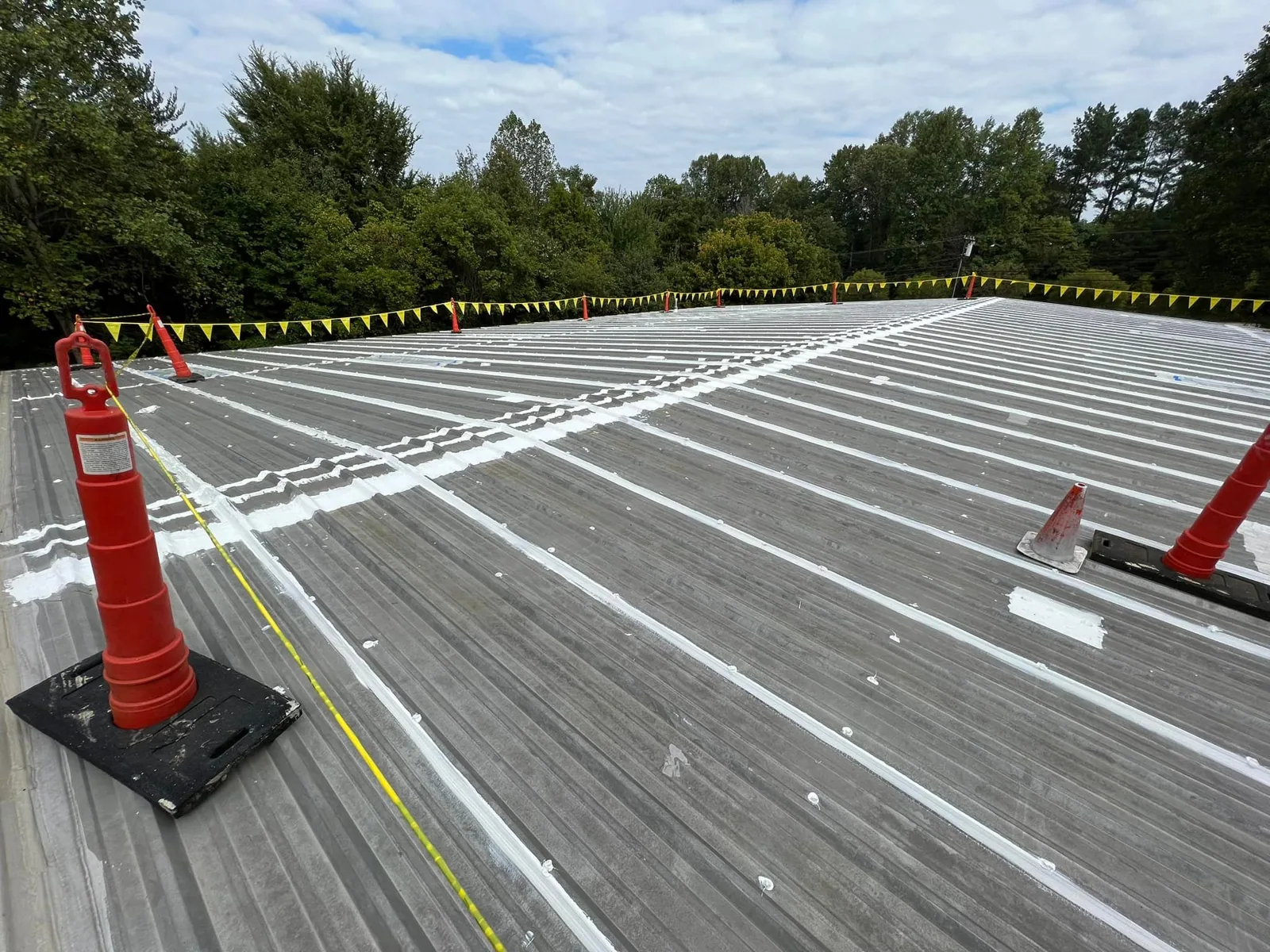
A fire response can leave a roof opening, damaged flashing or residue that changes the next repair step. After fire officials release the building for roof access, we inspect the affected area and establish what can be protected immediately. Fire damage roof repair in Overland Park, KS, starts with the membrane, deck, insulation and rooftop details exposed to heat or smoke. We describe roofing findings and coordinate the work window with the building contact and other response trades.
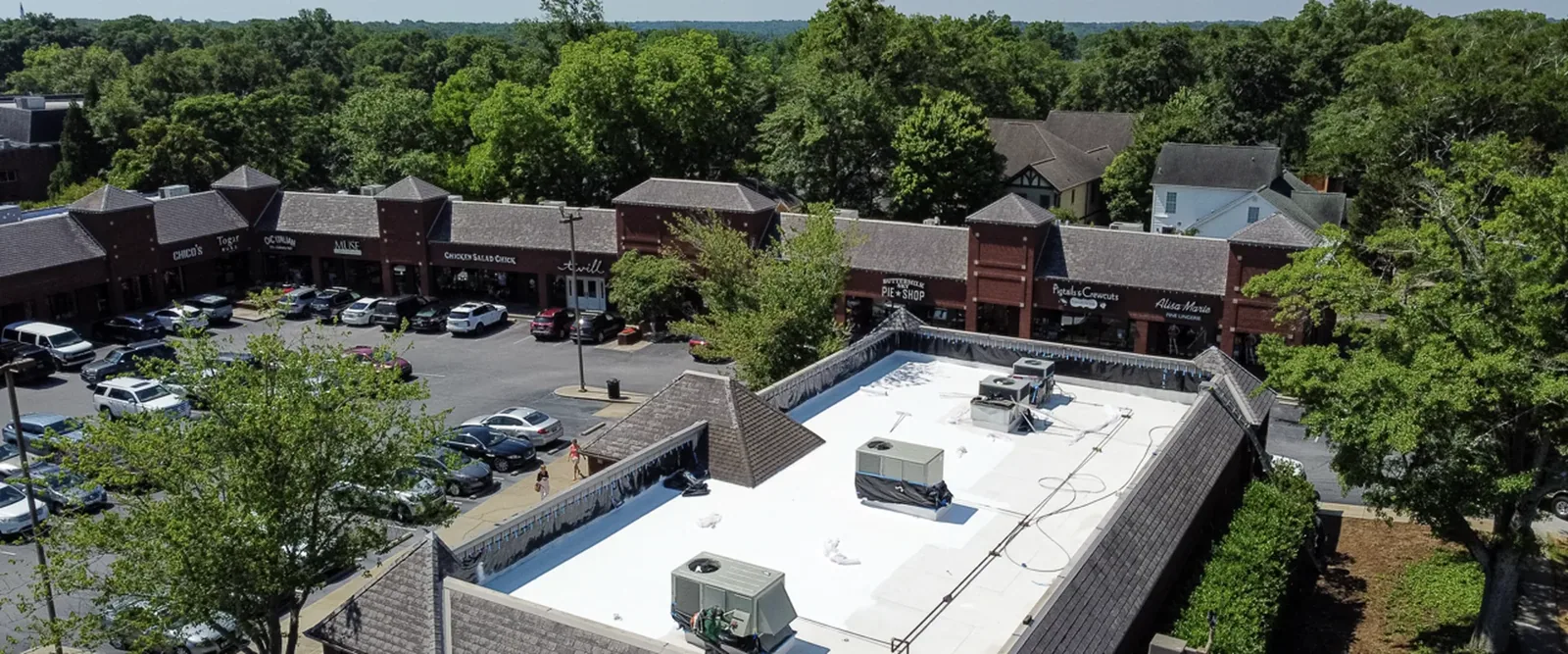
Office, healthcare and retail properties are part of Overland Park's commercial mix. Around College Boulevard and Metcalf Avenue, planned mixed-use activity makes access and daily closure important to an occupied building. A fire at one property does not say anything about another roof. We inspect the actual assembly and separate roof conditions from electrical, mechanical or interior restoration work. If the roof is open, an urgent weather closure can protect the building while the permanent scope is prepared.
Confirm safe roof access
We do not enter an affected roof area until the building contact confirms access conditions. Fire response may leave unstable materials, wet surfaces or restricted zones. We coordinate with the property representative and any authority or trade controlling the area. The roof inspection then identifies the safe route, the opening limit and the temporary protection needed. Access, escort or equipment restrictions can change how much work can be completed in one visit.
Once access is allowed, we photograph the roof context before moving debris or damaged material. We identify openings, displaced components and areas where the membrane has changed color, softened or pulled away from an attachment. The initial protection plan should account for forecast conditions and any remaining hot work below. If a separate response team must work through a ceiling or wall, we keep the roofing sequence clear so the same opening is not exposed twice. The manager receives the daily closure point and the work area that remains restricted.
Map heat and smoke exposure
Heat can affect a roofing sheet beyond the point where flames contacted it. We inspect seams, flashing and adjoining insulation for distortion, shrinkage, blistering or loss of adhesion. Smoke residue can contaminate a bond surface and require removal before a new layer is attached. We distinguish visible soot from material that has lost strength. The repair decision follows the condition of the actual membrane, not a single discoloration line.
Penetrations and equipment curbs need close attention after a fire because heat or firefighting activity can disturb their connections. We check the curb base, termination and surrounding surface. Where an opening has been cut for access, we record its dimensions and the material exposed. A roof penetration and flashing inspection can define what must be rebuilt. Mechanical equipment operation and electrical systems require their own qualified checks. We coordinate around those trades where their release or work affects the roofing detail.
Firefighting water can add a separate moisture question. We inspect where water entered the roof assembly and whether insulation or cover board lost support. The damaged area may extend past the visible heat line, especially where water followed a slope or seam. We mark confirmed wet material separately from heat-affected areas so the removal scope does not combine two different findings. The repair estimate can then state whether new insulation, cover board, membrane or flashing is needed at each location.
Set removal and replacement limits
Insulation and cover board exposed to heat or water may need removal, but the visible roof surface does not establish that boundary. We inspect through an authorized opening or use suitable testing where concealed conditions change the scope. We identify damaged layers, the substrate that remains serviceable and any area that still needs confirmation. The estimate shows which components are included and how additional concealed findings will be handled before the opening expands.
Overland Park's Chamber records corporate office development near 95th Street and Metcalf, including construction of an additional office tower. For an occupied office, the removal scope can affect interior protection, service access and work hours. We map those constraints before setting the crew sequence. A commercial office repair plan can explain how the roof opening will be covered at close of shift and which areas must remain available. We also identify when the roof deck needs another trade's evaluation before a membrane can be installed.
Separate temporary work from the permanent scope
A temporary cover may be necessary while the building is being evaluated. We describe its purpose, attachment method and limits, then identify the follow-up inspection needed for a permanent repair. The final roof scope may include insulation removal, deck repair, new membrane, flashing or edge work. Those items should not be blended into a broad fire-loss description. Each component needs an observed condition and a proposed correction that can be reviewed.
Heat can open a seam or puncture an adjacent membrane when debris or work activity crosses the roof. We document those findings separately and may recommend a seam repair or puncture repair where supported. We also consider the building's daily use when scheduling odor-sensitive work or moving materials past occupied areas. A manager may need to coordinate a period with limited access. We set that window against material requirements and any restrictions from ongoing restoration work.
At an occupied property, a roof opening above a corridor or work area needs protection below as well as overhead. We confirm which rooms or entries may be affected, where debris can be carried and how the daily closure will be checked. Restoration may have its own drying equipment or access route. We map those constraints before the crew starts so roofing materials do not block another trade or leave an unprotected path into the building. The approved scope identifies who controls access at each step.
Prepare a usable roof record
Fire-related roof documentation should show the inspection date, accessible areas, observed damage and work proposed. We photograph components before removal where safe and record what the opening exposes. If the extent changes after demolition, we document the new condition and request authorization before continuing beyond the agreed scope. The report is about roofing work. It does not decide the insurer's coverage or the cause of a fire.
Overland Park's corporate and healthcare employers create buildings with different operating needs. We identify the actual site use and any service areas that must stay open while the roof is repaired. When a claim review requires roofing photos or a scope, claim documentation support can organize the findings. An insurer determines policy coverage. We can explain the roofing repair and provide a closing record for the affected detail. Schedule a follow-up if adjacent areas remain inaccessible during the first inspection.
Commercial Roofing Questions
Can the roof be inspected while fire response is active?
We inspect after the building contact confirms safe access and releases the area. The response team or authority controlling the scene sets that condition.
Does soot mean the membrane needs replacement?
Soot alone does not establish membrane failure. We check whether heat, residue or cleaning has changed the surface and whether a new repair can bond to sound material.
Will the roofing crew repair mechanical equipment too?
We repair roofing and flashing. Mechanical and electrical systems need their own trade checks. We coordinate the sequence when equipment work affects the curb or membrane connection.
How do you price concealed fire damage?
We estimate the visible and confirmed work, mark any concealed area and explain how an authorized opening could change the scope. New findings are documented before additional removal proceeds.
Related Roofing Work
Set the roof access and repair limits
Schedule an inspection after access is released. Share the affected areas, building restrictions and response-trade sequence so we can define temporary protection and permanent roof work.