
TPO Commercial Roofing in Overland Park, KS
Home / Roof Systems / TPO Commercial Roofing
Get a Free Roof Assessment - Call 555-555-5555
What Property Owners Should Know
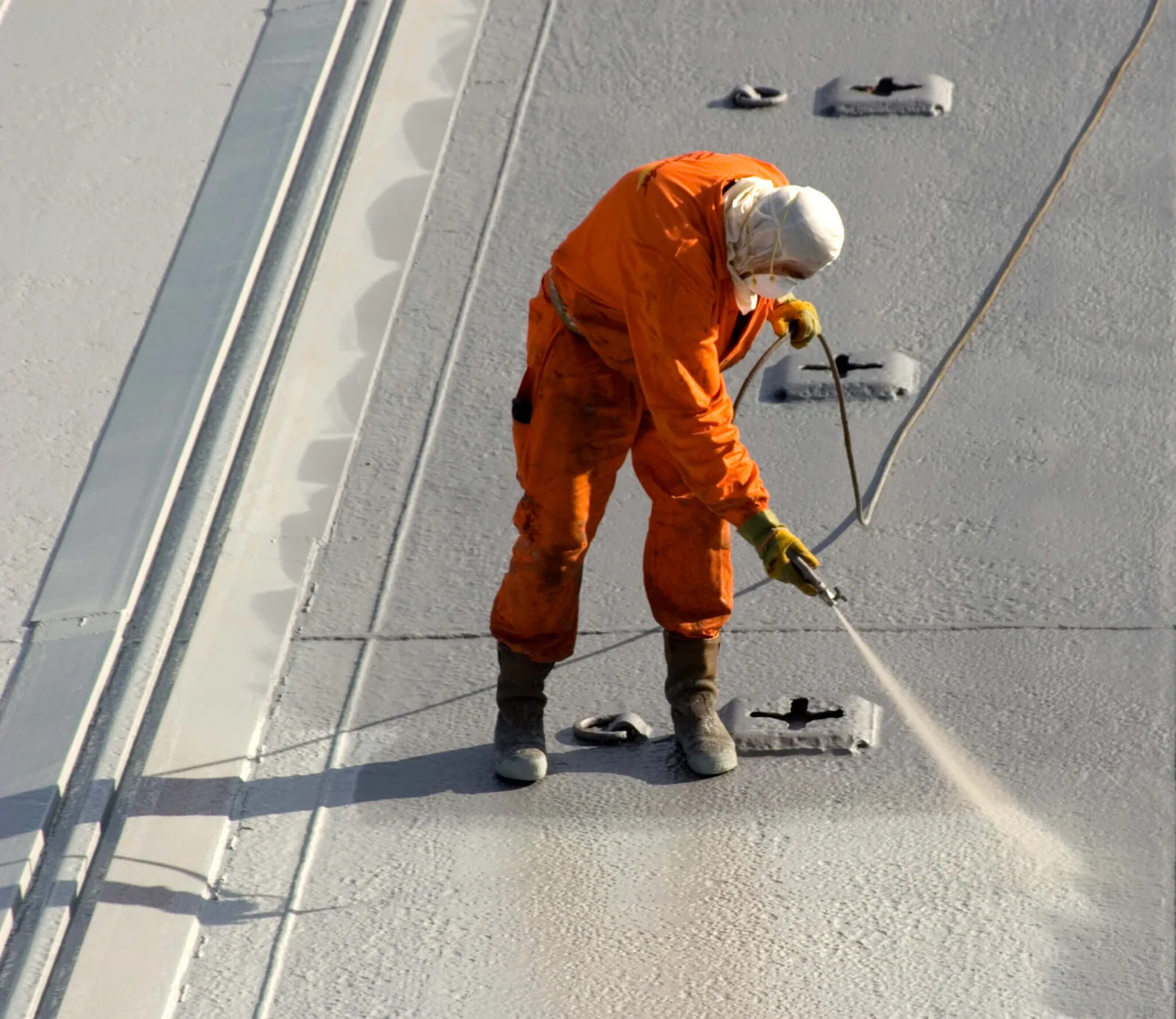
A welded seam needs usable material on both sides of the connection. Check the existing sheet condition before treating a TPO repair as a quick cover patch. TPO commercial roofing in Overland Park, KS, requires attention to the field membrane, its supporting layers and the details that join it to the building. We inspect those components before recommending repair, recovery or replacement. The proposed assembly should explain how it is attached and how water reaches the outlets.
Retail activity along 119th Street and corporate offices near 95th Street and Metcalf create different work limits. Deliveries, equipment service and rooms below the roof affect access and opening size. We coordinate those restrictions with the manager. A TPO condition inspection establishes the material and concealed questions that need investigation. The final work should follow those findings rather than rely on the reflective appearance of the surface as proof that the assembly is sound.
Inspect seams and repair surfaces
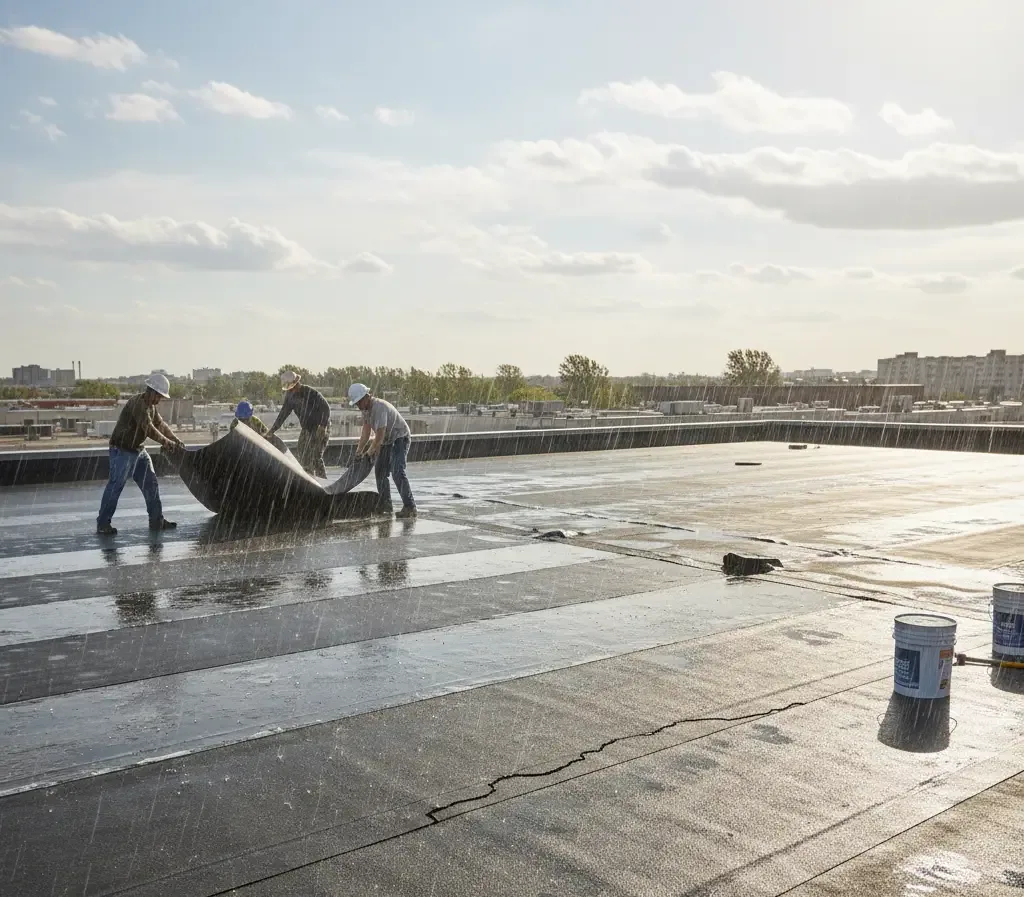
An open weld requires examination of the adjoining membrane. Dirt, weathering, contamination or damaged sheet can affect the connection. We identify the material and prepare the repair area using suitable methods. The new weld or accessory detail must fit the existing assembly. A strip placed across an unsuitable surface can leave the connection vulnerable even if it looks closed after installation.
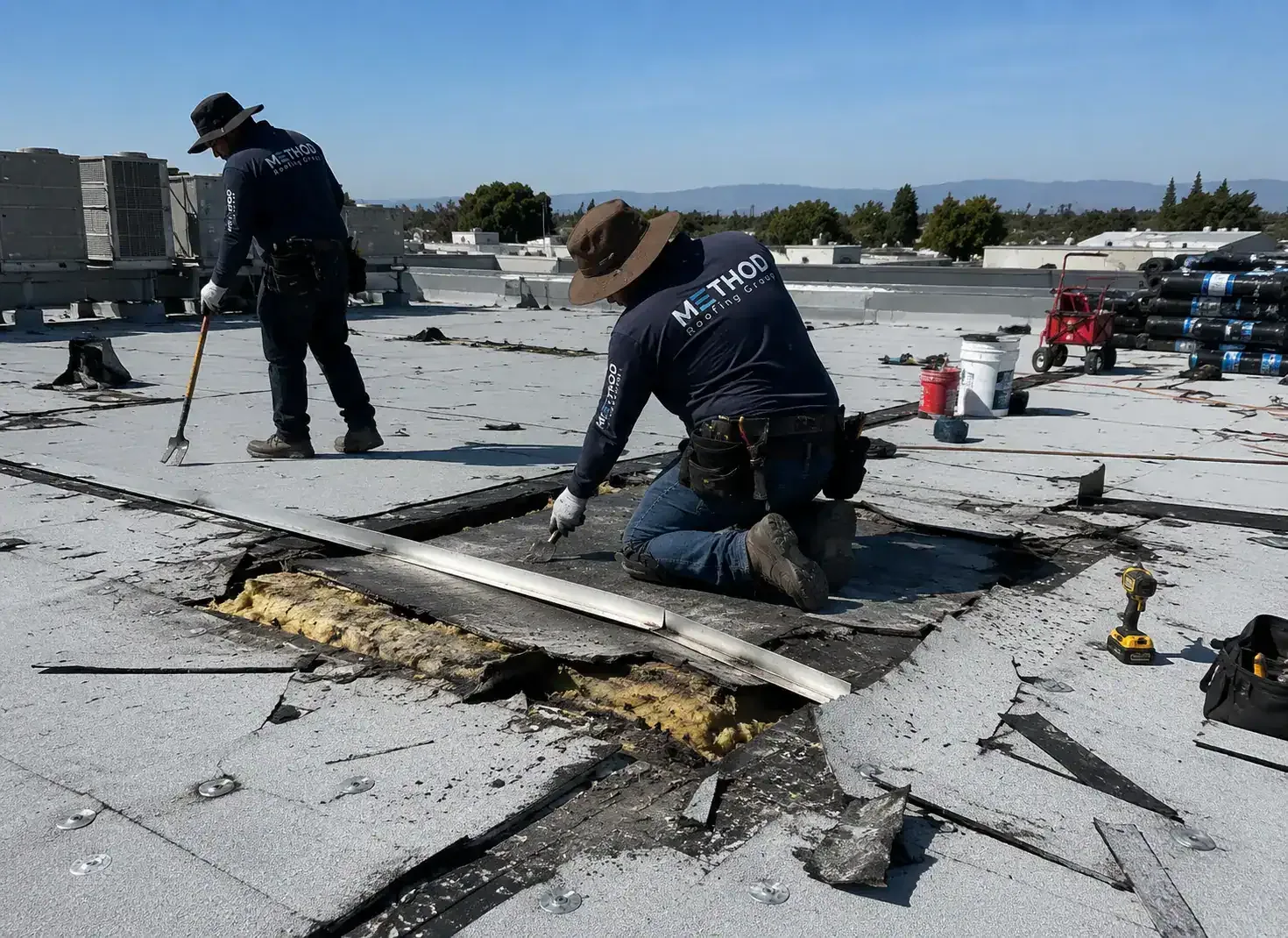
We inspect corners, terminations and previous patches as well as straight field seams. A repeated split may indicate movement or a supporting condition that the earlier repair did not address. Wet or crushed insulation can affect the surface beneath the membrane. We define whether the repair needs local removal and new supporting material before the permanent connection is made.
TPO repair work should identify preparation, accessories and the footprint needed to reach usable material. We document findings that change that scope. The manager needs to see the difference between a surface defect and a larger concealed condition. A repaired seam can be appropriate on a stable surrounding assembly. Widespread failures or unknown layers may require another investigation before local patching can be judged as the practical next step.
Choose the supporting assembly
TPO is the surface membrane, not the whole roof. Insulation, cover board, separation materials and attachment need selection with it. We review the deck and retained layers where accessible. An adhered approach needs a suitable substrate and compatible bonding materials. A mechanically attached arrangement needs the appropriate supporting construction and fastening requirements for the project.
A PVC roof option has different material properties and compatibility considerations. An EPDM assembly uses other joining methods. We compare complete systems against the actual exposure, equipment activity and roof condition rather than rank membrane names without a building inspection. Restaurant exhaust or other contamination at a particular area needs its own suitability check.
The city building and energy requirements include locally amended 2024 code editions. We assess their application to the proposed project alongside assembly and detail needs. Added insulation can change curb clearance and drain transitions. Those effects belong in the scope before the membrane is ordered. The manager can then compare retention, removal and attachment on a common basis instead of receiving proposals that name the same sheet while describing different supporting work.
Build transitions that can be maintained
An equipment curb needs enough clearance for a usable flashing connection and later service. We inspect the existing height and the finished elevation of the proposed roof. Raising the field can reduce the exposed curb height. Adjustment may require equipment coordination before roofing can proceed. The base, corners and termination should fit the selected TPO system and the component being joined.
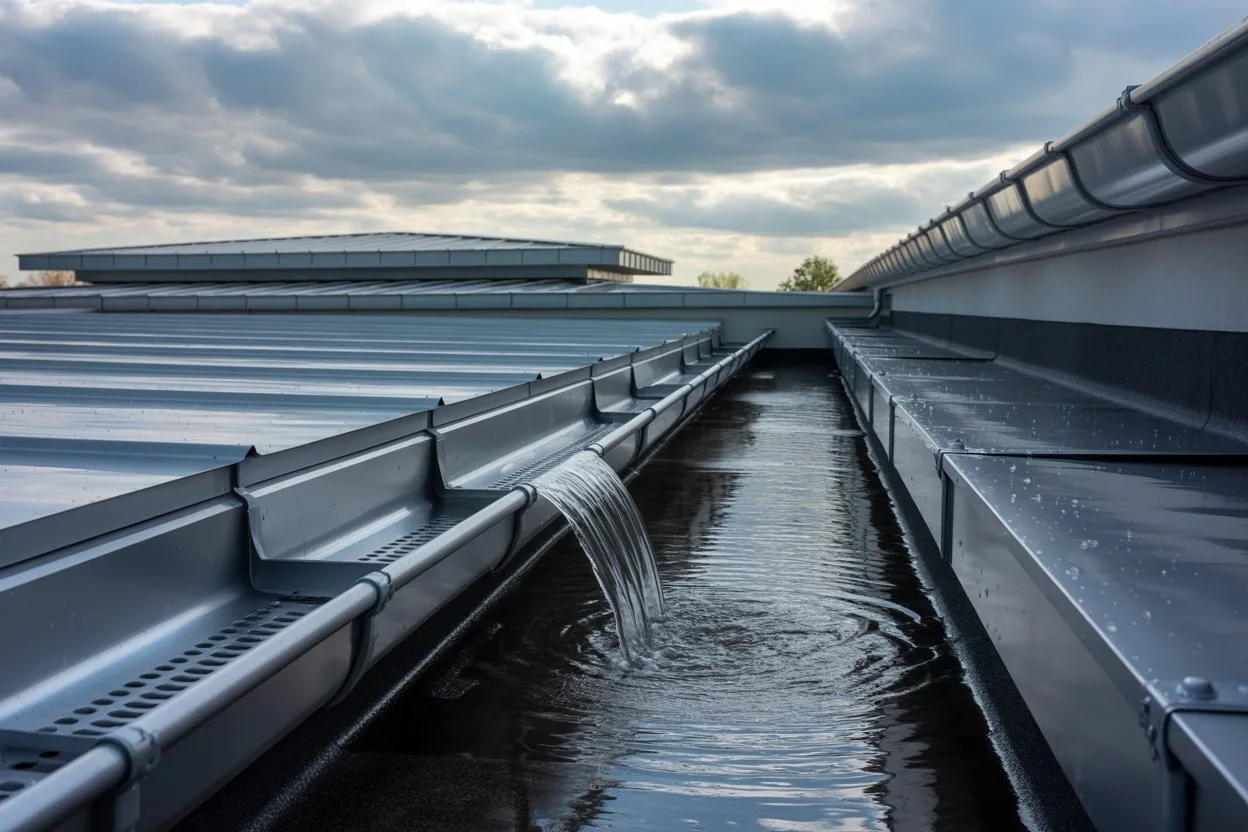
Drain connections need a sound interface at the outlet and a workable approach from the field. Added layers beside a fixed drain can deepen the transition relative to the raised surface. We review sump geometry and overflow clearance. Outlet detail work may require coordination with the responsible trade where drain components or piping are altered.
Perimeter attachment and wall flashing need their own inspection. Loose metal or a damaged substrate can affect the membrane termination. We identify those connections and describe the appropriate correction. Service paths should avoid making vulnerable details the routine walking route. A new field sheet does not remove the need for drain cleaning, flashing checks and traffic protection. The completed assembly should remain usable for the work that occurs on the roof after installation.
Plan removal above the occupied building
An occupied office roof needs a work window that accounts for noise, access and the rooms beneath openings. We settle those limits before choosing the daily removal area. Wet insulation or damaged supporting material can change the footprint. The scope should state how concealed findings will be documented and authorized while protection is maintained.
Regional winter snowfall and cold affect safe access and application. Summer heat brings different material-handling conditions and rainfall still matters. We work to the selected material requirements and actual forecast. The daily closure should protect the building and manage water arriving from retained roof areas. It should not rely on an assumed dry interval that has not been checked against the weather.
At properties along 119th Street, retail activity can limit loading areas and customer access. The site inspection establishes where materials can be staged. Removal, disposal, detail work and equipment coordination can affect cost as much as the membrane choice. We explain those drivers clearly. A practical TPO proposal should include the preparation that makes installation possible and the work arrangement that allows an occupied property to remain protected through each stage.
Inspect the finished connections
The closing review checks seams, flashing, outlets and perimeter details. Weld evaluation follows the selected system requirements and should be carried out without damaging the sheet. A seam connection needs attention through corners and transitions as well as the open field. We also check whether temporary materials or debris remain near an outlet. Those closing details help keep the completed scope connected to the actual water path. We document the completed work and identify remaining concerns outside the approved scope. Product documents and any issued warranty should match the assembly installed. Coverage terms belong to the issuing provider and should be reviewed against actual project requirements.
Keep later repairs compatible with the TPO system and protect service routes from loose tools and metal. The roof record should identify materials and alterations so future work does not begin with an unknown surface. Schedule the TPO assessment with leak history, roof documents and access restrictions. We will inspect the assembly and explain the repair or installation scope it can support.
Commercial Roofing Questions
Can an old TPO membrane receive a welded patch?
The existing material condition and preparation must allow a suitable connection. We inspect the intended weld area and select compatible methods. Unsuitable sheet or supporting material may need removal beyond the visible defect.
Does a white sheet establish that the roof is dry?
Surface appearance does not establish concealed insulation condition. We investigate suspect areas where that condition changes the work. Appropriate testing or openings can support the removal decision.
Why compare the attachment method before choosing TPO?
The deck, retained layers and project requirements affect how the assembly can be secured. We describe supporting components and attachment so the proposal is more complete than a membrane name.
What should change after new rooftop equipment is added?
The roof interface, service path and flashing need checking. New penetrations require compatible details. We inspect the affected connections and identify protection needed for the completed membrane.
Related Roofing Work
Set the work limits
Arrange the TPO roof assessment with the existing documents and occupied-use limits. We will establish preparation, attachment and detail requirements.