Roof Insurance Claim Assistance in Overland Park, KS
Home / Commercial Roofing Services / Roof Insurance Claim Assistance
Get a Free Roof Assessment - Call 555-555-5555
What Property Owners Should Know
A repair estimate needs roof findings that match the photographs. Put the damaged component, its location and the proposed correction in the same record. Roof insurance claim assistance in Overland Park, KS, is roofing documentation work. We inspect the assembly, record observed defects and describe the repair scope. We can help organize those findings for a claim review. The insurer determines coverage under the policy; an inspection or estimate does not make that decision.
Overland Park has documented hail and tornado exposure. A recent event may justify an inspection, but the roof still needs a property-specific assessment. Corporate offices near 95th Street and Metcalf Avenue and mixed uses downtown create different repair constraints. We record those limits where they affect the proposed work. Storm damage repair planning should identify the actual damage footprint and permanent correction, with temporary protection described separately.
Record the condition before removal
A damaged detail is easier to describe when its position and surrounding material are visible. We photograph the defect, the broader roof context and components relevant to the proposed repair. The record should identify the inspected areas and the method used. Interior leak information can help connect the building impact to the roofing investigation.
Previous photos, repair scopes and maintenance records may help establish what was present before the recent event. We review the available information and keep its dates clear. A roof can have both older defects and new damage. The report should distinguish observed conditions rather than imply that every problem started on the date of a storm. An uncertain cause should not be presented as an established fact.
A roof inspection provides the condition findings on which the scope is based. If a roof area cannot be accessed safely, we identify that limit. If concealed layers need checking, we explain the additional investigation. The manager can then see what has been examined and what remains unresolved. That clarity helps a claim reviewer understand the roofing work without expecting a photograph to establish a condition it cannot show.
Separate stabilization from permanent repair
An active opening may need temporary protection before the final investigation is complete. We record the immediate work and the area affected. Its purpose is to reduce current exposure where conditions permit. The permanent scope can require different preparation, compatible material or wet-area removal. Those are separate work decisions and should remain separate in the record.
For emergency roof protection, safe access and weather determine the measure that can be installed at the time. We document that restriction and the follow-up needed. A temporary closure should not be described as a completed permanent assembly if the final connection still requires work. The manager should know which expense relates to stabilization and which relates to the proposed correction.
An affected office building may need occupied rooms protected and rooftop equipment kept accessible. We include those operating constraints where they change material handling, openings or work hours. They help explain the proposed work sequence. Interior drying, electrical response and contents restoration may need separate trades. Roofing documentation should identify the roof scope without claiming to settle every other part of the building loss.
Define what the roof scope includes
A repair proposal should describe the failed component and the work needed to reconnect it to sound material. Membrane preparation, flashing, insulation removal and drainage adjustments may all affect the scope. We identify which components are included and what concealed conditions could change the limits. That makes the estimate easier to evaluate than a total attached to a general damage label.
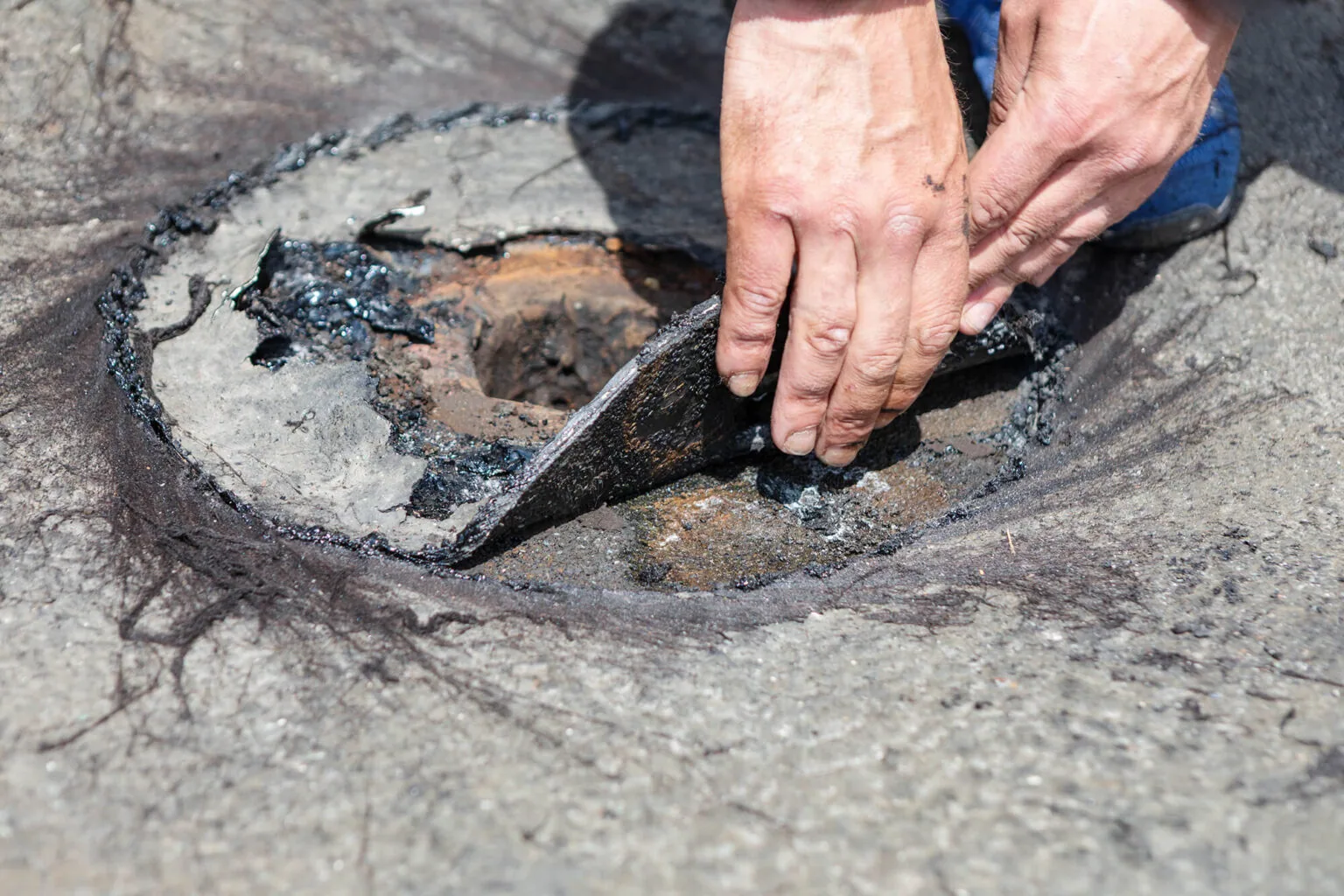
A membrane puncture repair can require more than sealing the visible hole if the layers beneath it are wet or damaged. A loose edge may need attachment or substrate correction. Where a broader section must be replaced, we explain the finding that supports the removal. The scope should not be expanded merely because a claim is being considered.
The city uses locally amended 2024 editions of the IBC and IECC. For claim-related roofing work, we identify the construction requirements that apply to the proposed correction. The estimate can identify required components without assuming how a policy treats them. Coverage questions about code-related work remain with the insurer and policy review. The roofing role is to describe the construction requirement and work proposed accurately. The manager can then pursue the coverage decision with a clear technical scope.
Check concealed conditions before pricing them
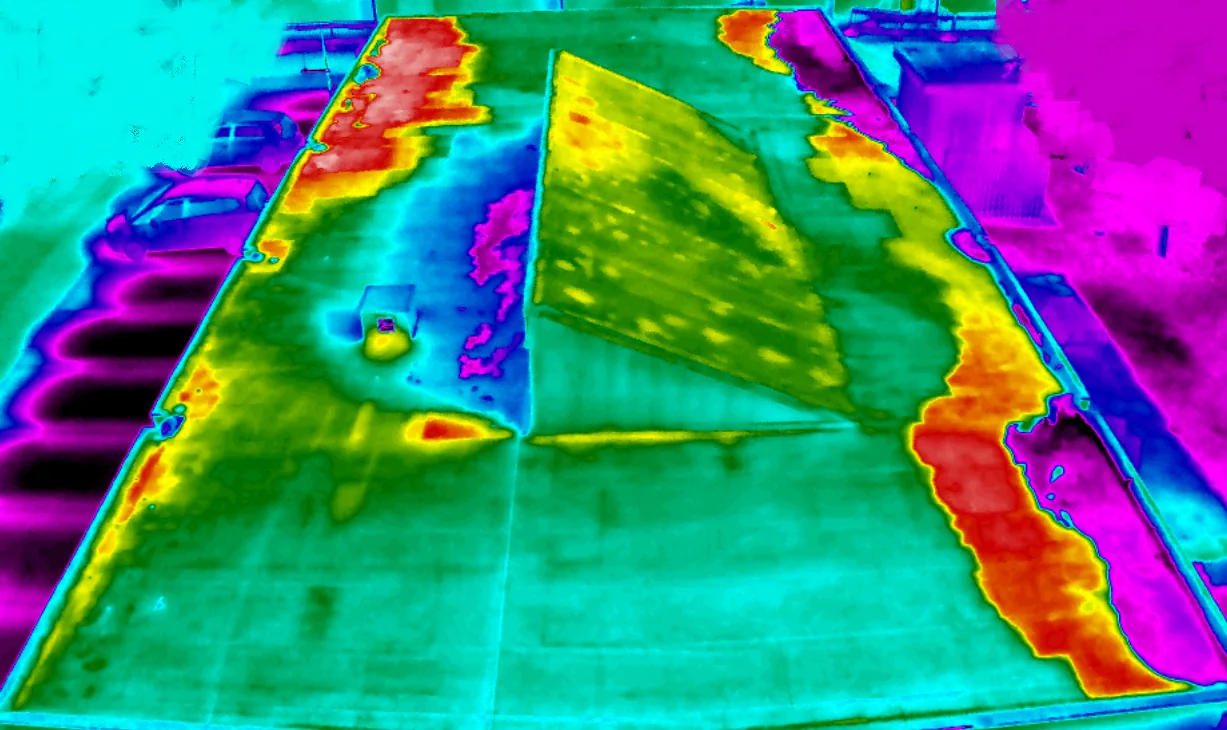
Wet insulation is a concealed finding that needs an appropriate basis. We use authorized openings or suitable testing where the condition changes the repair. A thermal pattern may identify an area for confirmation; it should not be described as conclusive wet material without that check. We record the method and the location of confirmed findings.
The moisture survey scope should identify the assembly, conditions and confirmation approach. Its findings help define removal or further investigation. When additional damage appears during construction, we document the exposed condition before proceeding through the agreed authorization process. New findings should be distinguished from the original estimate rather than silently folded into an expanded scope.
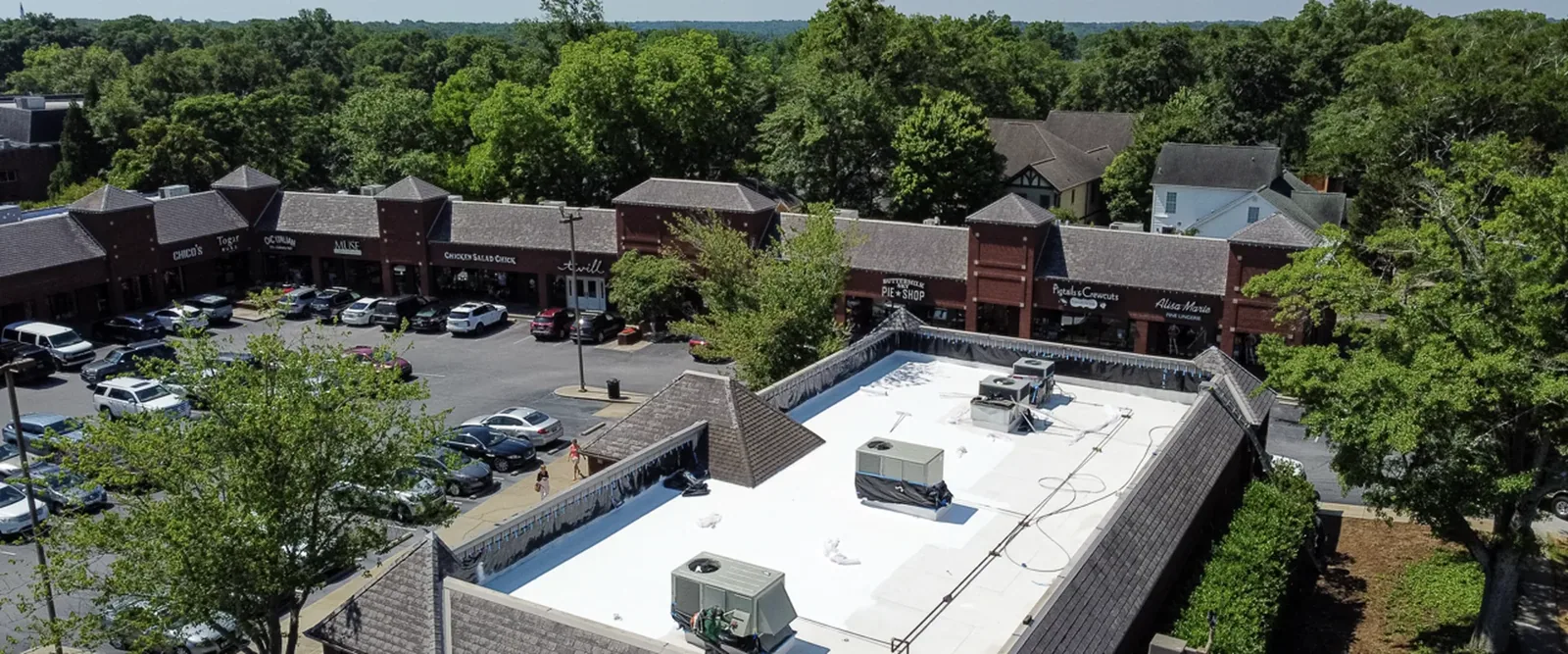
At properties near 95th Street and Metcalf, corporate offices and retail uses can create access or delivery limits. We explain those restrictions where they affect the roofing work. The claim record should connect the building requirement with the proposed sequence. It should not claim a standard disruption allowance or invent a loss figure. Actual operating information and the roof findings determine what belongs in the documentation. Access restrictions can affect equipment staging and the number of roof sections opened together. We describe the restriction and its construction consequence, then show the proposed method. A reviewer can assess the roof work more clearly when these requirements are stated directly instead of bundled into a vague site-condition allowance.
Keep the roles and records clear
We supply roofing observations, photos and repair descriptions. Insurance representatives review the policy and coverage. The property manager authorizes work within the agreed arrangement. Keeping those roles clear avoids treating a roof proposal as a promise of reimbursement. We can respond to questions about the construction scope without making unsupported statements about the insurer decision.
The completed work record should show the repaired components and any remaining conditions outside the scope. Keep it with the inspection, temporary work and applicable product documents. If written condition reporting is needed before a claim meeting, arrange the inspection with available history and access details. We will prepare a usable roofing record and explain the work limits it supports.
Commercial Roofing Questions
Will your estimate determine what the insurer pays?
The insurer makes the coverage and payment decision under the policy. Our estimate describes roofing work and its scope. We explain the inspection findings and proposed construction when clarification is needed.
Should temporary repairs wait for the claim inspection?
Active exposure may need immediate protection where safe work is possible. We document the observed condition and temporary action. Discuss policy reporting requirements with the insurer while the building is protected.
Can old maintenance photos help the claim record?
Dated photos and repair documents can show earlier roof conditions. We compare them with current findings and identify their scope. They should not be used to establish areas or layers they never documented.
What happens if wet material is discovered during repairs?
We record the exposed condition and explain the additional work through the agreed approval process. The new finding is separate from the original estimate and any insurance determination. We also identify the protection needed while the additional scope is reviewed, so an opened roof area does not remain exposed without a closing arrangement.
Related Roofing Work
Set the work limits
Schedule the claim-related roof inspection with available photos and repair history. We will document the condition and the construction scope.