
Storm Damage Commercial Roof Repair in Overland Park, KS
Home / Commercial Roofing Services / Storm Damage Commercial Roof Repair
Get a Free Roof Assessment - Call 555-555-5555
What Property Owners Should Know
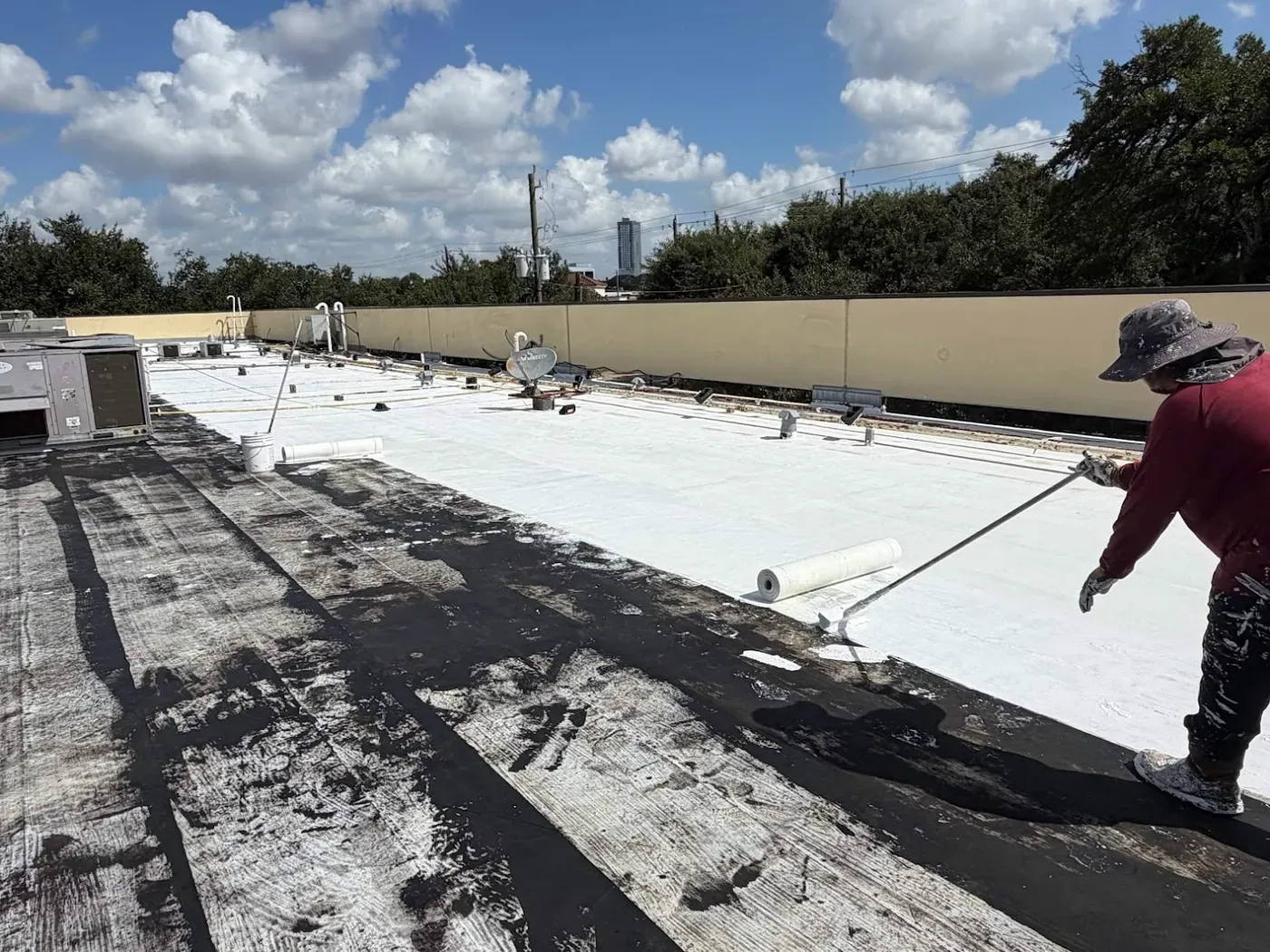
Loose roofing beside an occupied entrance changes the first work priority. Restrict the area below, then arrange safe roof access to assess the exposure. Storm damage roof repair in Overland Park, KS, begins with the building condition after the event. We inspect displaced material, damaged details and active water entry. The repair scope follows those observations. It should distinguish urgent stabilization from the work needed to restore a permanent connection.
Hail crossed Overland Park during a documented May 2000 storm. A tornado also traveled through the city in June 2022. These events make storm exposure relevant to local roof decisions, but a current property needs its own damage assessment. Retail and office buildings along Metcalf Avenue have different access and occupancy limits during that assessment. We review the particular building, document the condition and arrange urgent roof protection where the exposed assembly requires it.
Assess loose material and access
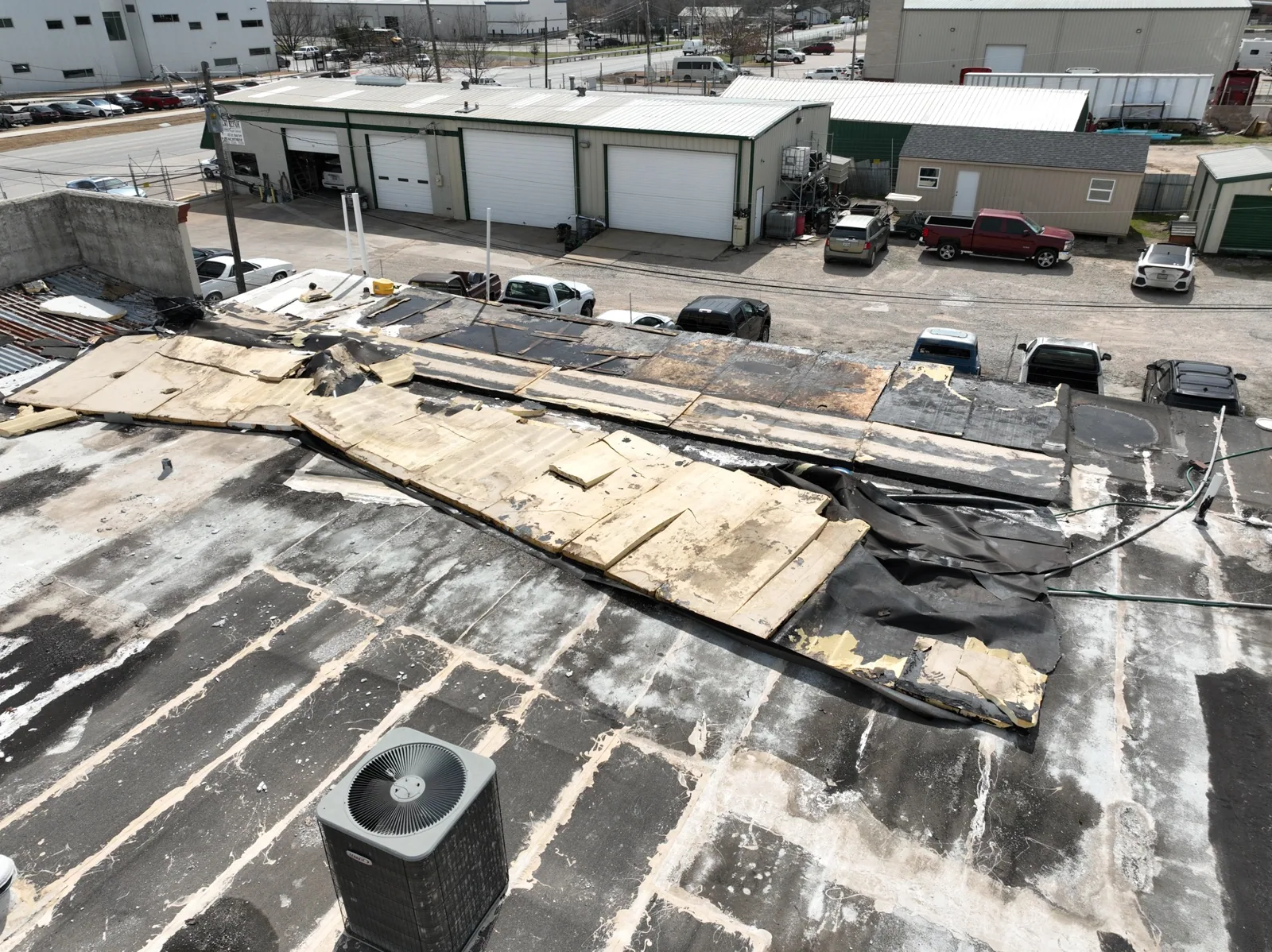
A lifted edge or torn membrane can expose more of the assembly if movement continues. We examine the accessible damage and identify restrictions on roof or ground access. Debris, unstable components and weather can prevent immediate work in a particular area. The response must account for those conditions before a crew opens the roof or tries to secure loose material.
Roof equipment may also have been affected. Mechanical units, supports and attached components need the appropriate trade to evaluate their operation where damage is suspected. The roofing inspection examines visible curb and membrane connections. It does not replace equipment or structural evaluation. We explain where those separate checks affect the roofing work sequence. A damaged support may have to be addressed before the flashing can be rebuilt properly.
Temporary protection is selected against the existing assembly and available conditions. It should manage the exposure without blocking outlets or creating an incompatible bond area for the later repair. The manager receives a record of what was secured or covered and the follow-up needed. A temporary measure can be a useful first step, but it should not be allowed to obscure a larger damage footprint that has not yet been inspected.
Inspect the material after impact
A roof surface can show marks without revealing the condition beneath each one. We examine the membrane, seams and flashing for actual defects. Punctures, tears and damaged reinforcement have different repair implications from a superficial mark. We also check metal components and exposed equipment connections. The assessment needs to locate the damage and describe the material involved rather than attach the same label to every roof feature.
A hail damage inspection should identify the affected assembly and the findings supporting repair. For wind-related conditions, displaced edges and loose sheets need an attachment check. Wind damage work may extend beyond the first visibly lifted component. We inspect the surrounding connection and identify where the retained material remains suitable.
The local storm history helps explain why these details deserve attention. It does not date an individual split or establish an insurance cause by itself. Available pre-event photos, previous repair records and the current findings may help build that picture. We keep those records distinct. The manager should be able to identify observed storm-related concerns, pre-existing defects and areas that need further investigation before the final scope is agreed.
Find moisture under the damage
An open roof detail can admit water into insulation before the interior leak becomes apparent. We inspect for soft areas and other indications that the supporting assembly needs checking. Authorized openings or suitable moisture testing may help establish the extent. The permanent repair footprint should reach material that can support a reliable connection.
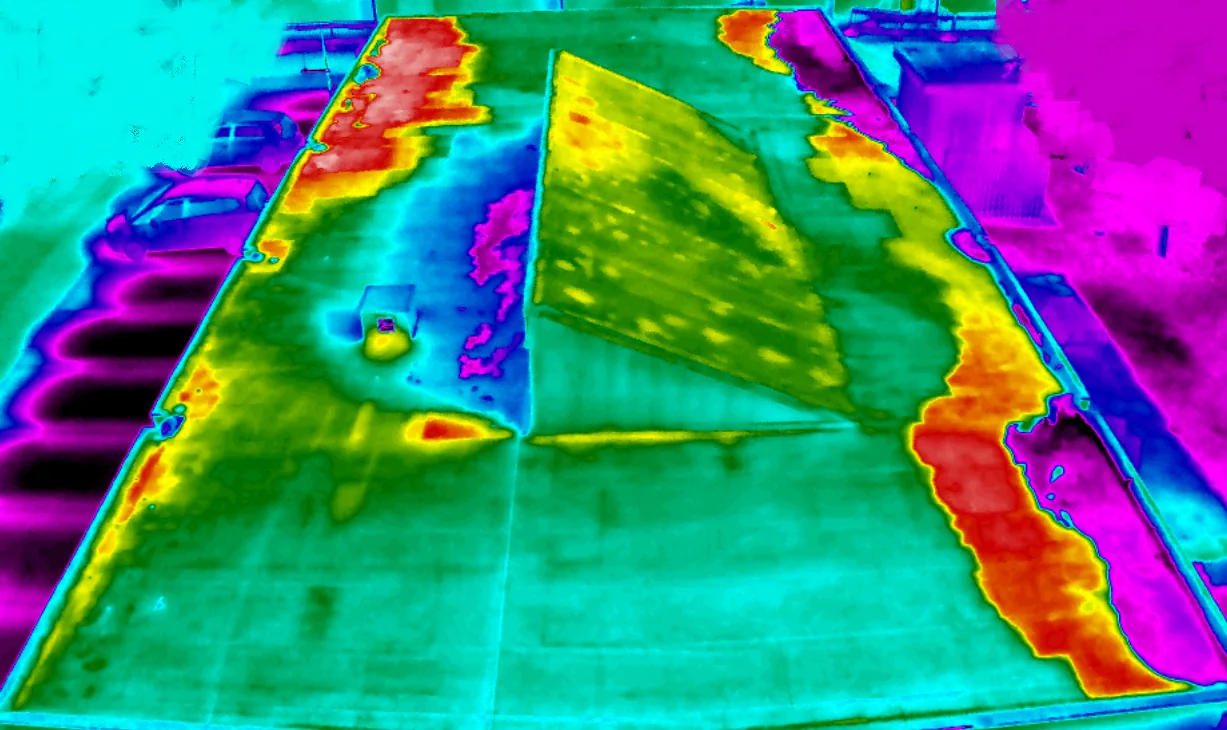
An infrared moisture assessment can help locate suspect areas when the construction and environmental conditions allow useful interpretation. Thermal patterns need suitable confirmation. The survey is one part of the investigation, not proof that every area inside an image boundary is wet. We explain how the concealed finding will be checked and how it changes removal limits.
Regional winter cold and snowfall can complicate access and conceal roof surfaces. Hot summer conditions bring a different work window. We choose materials and opening limits against the actual forecast and application requirements. A permanent repair may need a later window even after temporary protection is in place. The manager needs to know what must remain protected during that interval. That separation makes the response usable without implying that an urgent visit can complete every repair regardless of roof or weather conditions.
Coordinate repairs with occupied use
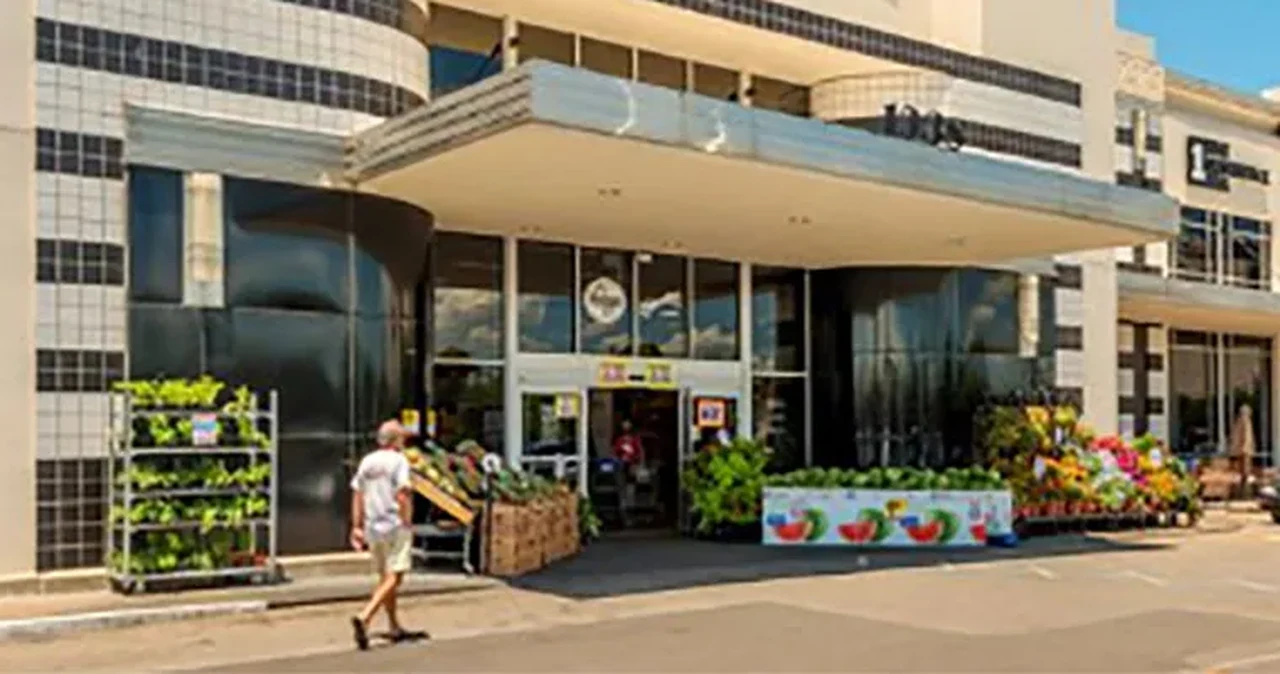
A shopping center roof repair can require access near several tenant entrances. We identify delivery routes, safe material handling and the rooms below the work. Office use may need different noise or equipment restrictions. The work sequence should state which roof area will be opened and how daily closure will be achieved.
The Metcalf Avenue corridor includes retail uses and corporate offices. For an affected property there, we settle the actual operating constraint with the manager before mobilizing permanent work. Adjacent occupied areas also need consideration where debris handling or temporary drainage could affect them. A roof repair should not move the problem from the damaged section to a neighboring space.
Cost depends on the damaged component, wet-area removal and the suitable retained material. Limited access and equipment coordination can change labor and timing. We describe those drivers in the scope. A membrane patch, rebuilt curb detail and partial section replacement are different jobs. Comparing them requires the condition findings and preparation limits. Where damage is extensive, we explain the evidence supporting a broader approach instead of estimating a string of isolated patches that leave an unstable assembly in place.
Record the repair and remaining conditions
Storm documentation should show roof positions, observed defects and the work performed. We provide photos and written findings that can support the property record and any claim review. The insurer decides coverage. The roofing scope should remain clear whether the work is funded through a claim or directly by the owner. Take care to preserve any loose roof material that can be retained safely for inspection. We discuss that need with the manager rather than leaving debris in an occupied route. The record should identify material removed during stabilization so a later reviewer can understand what changed before the permanent assessment.
A claim documentation service can help assemble the inspection evidence and repair description. After the work, we inspect the completed connections and identify any remaining concerns outside the agreed scope. Arrange the storm check with safe access details, recent photos and the available roof history. We will define immediate protection and the permanent repair footprint separately.
Commercial Roofing Questions
Does a hail report establish damage at our building?
A reported event supports local weather context, not a diagnosis of your roof. We inspect the assembly and document actual defects. Previous records can help distinguish old conditions from new findings.
Can loose roof equipment be repaired by the roofing crew?
Equipment operation and structural supports may require the responsible specialist. We inspect the roofing connections and coordinate the work needed before flashing or membrane repairs proceed.
Why might permanent repairs wait after stabilization?
Safe access, concealed moisture investigation and material application conditions can require another work window. We explain what was protected and what must be checked or corrected before completion.
What helps compare a storm repair with partial replacement?
The extent of damage, condition of surrounding material and wet-area footprint matter. We show what each scope removes, retains and rebuilds so the manager can compare actual work limits.
Related Roofing Work
Set the work limits
Arrange a storm condition check with the affected space and safe access contact. We will define protection, investigation and permanent repair limits.