Roof Edge Metal, Coping and Gutters in Overland Park, KS
Home / Commercial Roofing Services / Roof Edge Metal, Coping and Gutters
Get a Free Roof Assessment - Call 555-555-5555
What Property Owners Should Know
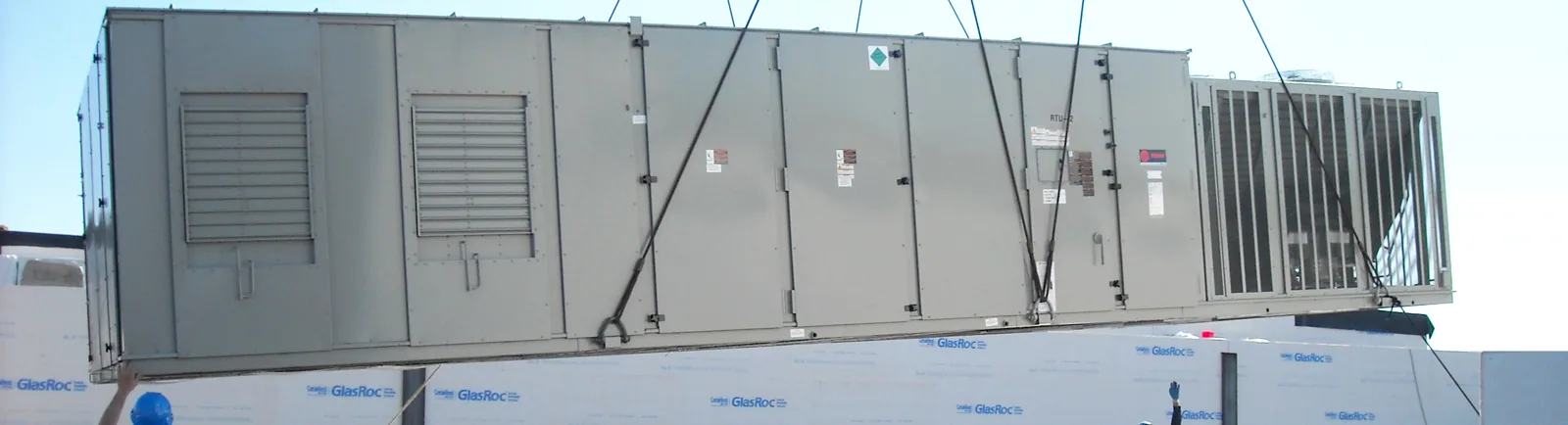
A loose coping section above a walkway needs a protected area below it. Establish that restriction before reaching the roof edge. Edge metal, coping and gutter repair in Overland Park, KS, addresses components that terminate the roof and manage runoff at the perimeter. We inspect visible movement, corrosion, joints and the roofing connections beside them. The repair needs to account for the supporting material and attachment, not merely the metal piece that has come loose.
Metcalf Avenue retail activity and corporate offices near 95th Street can put occupied entrances and parking near the work area. We review the actual property access before planning removal. A perimeter defect may need urgent stabilization when loose material creates exposure. The permanent scope should explain the detail being rebuilt, the substrate being retained and the water route after the repair. Those limits matter as much as the appearance of the replacement metal.
Inspect the roof termination
A roof membrane must remain securely connected at the edge. We inspect the accessible termination and the metal components protecting it. Movement, failed joints or deteriorated supporting material can allow water into the roof or wall assembly. The first visible gap may be only part of the defect. We examine neighboring sections to establish a suitable repair footprint.
Coping covers the top of a parapet, while other edge details finish a roof perimeter without the same wall condition. Each arrangement has its own connections and movement needs. We identify the existing detail before choosing replacement components. The intended attachment must engage suitable supporting material and remain compatible with the roofing. A perimeter flashing repair may be required alongside metal replacement.
Old sealant over a moving joint can hide the condition temporarily. We check whether the joint, substrate or attachment needs correction before selecting sealant or new metal. Corroded components may need removal rather than another surface treatment. The estimate should describe that preparation. Photograph the supporting condition while it is accessible and keep the finding with the repair record. Later work at the same edge can then account for the substrate repaired beneath the metal. It gives the manager a way to compare a rebuilt termination with a patch that only covers the visible opening. Those are different work scopes even when their photographs look similar from the ground.
Check movement and support
Metal sections expand and contract with temperature. Their joints and attachment need to accommodate the intended movement without opening a water path. We inspect loose ends, displaced sections and failed seams for the actual connection involved. The proposed correction should fit the existing roof and wall arrangement rather than lock moving parts together without considering the detail.
Regional winter temperatures and summer heat create changing conditions at exposed perimeter components. January brings cold and snowfall; July has much warmer normal daytime temperatures. We select the repair materials and work window against their application needs. Surface preparation and weather matter at sealants, membrane connections and underlying repairs. These regional conditions explain the need for appropriate detailing, but the property inspection establishes which component has failed.
A standing seam metal assembly has movement details different from a membrane roof with perimeter metal. We identify the roof type and the components being joined. Structural or wall deterioration may need another specialist before a new connection can be made. We explain that dependency and the protection required during the interval. A metal repair should not be installed against an unsound substrate simply to close the visible gap quickly.
Restore the runoff route
A sagging gutter can hold debris and water instead of directing runoff to the outlet. We inspect gutter slope, joints, supports and accessible downspout connections. A roof-edge leak may involve the gutter connection, the membrane termination or both. We distinguish those conditions and describe the correction for each. Cleaning is useful where obstruction is the problem, but it does not restore a damaged or displaced component.
Scuppers and edge outlets need compatible transitions to adjacent metal and roofing. We examine the opening and the route beyond it. Scupper repair may need to be coordinated with coping or gutter work so the components do not create conflicting water paths. New material should not reduce an outlet opening or direct runoff onto an occupied entrance.
The scope should also consider the adjacent wall condition. Water entering at the top of a parapet can affect components below the roof surface. We record accessible findings and identify where additional wall investigation is needed. Roofing and wall repairs must meet at a usable connection. The manager needs that boundary stated clearly before authorizing replacement metal. Otherwise an attractive new perimeter can leave the underlying route for water entry unchanged.
Plan perimeter work above occupied areas
Removing metal at an edge can expose both the roof termination and the area below. We define the work zone, material handling route and daily closing method. The opening limit should fit the weather, access and detail complexity. A damaged corner or scupper connection can take more attention than a straight section. We account for that difference in the work sequence.
A retail property needs tenant entrances and deliveries considered during perimeter work. For an office building, employee access and parking may create different restrictions. We agree those practical limits with the manager. Work near a public-facing route may require protected access or temporary closure. The extent and timing should be clear before materials are removed above it.
Along the Metcalf Avenue corridor, mixed commercial uses make actual property schedules important. We do not assume a road frontage provides a usable lift location or staging space. The site check determines that arrangement. Access limitations and substrate repairs can affect cost alongside the amount of metal being replaced. We explain those drivers so the estimate reflects the complete perimeter correction rather than a length of metal without the preparation it needs.
Maintain the repaired connection
The closing review checks the metal detail, adjoining roofing and runoff route. We clear construction debris and document completed components. Where another wall, drainage or structural concern remains outside the scope, we identify its next action separately. The manager should know what was repaired and what still needs evaluation.
Later equipment or roof work should preserve the perimeter connection. Scheduled edge and drainage checks can identify loose sections or blocked gutters before those conditions expand. Keep the repair detail and location in the roof record. Arrange the edge inspection with photos taken from a safe position and the occupied access limits. We will establish the supporting condition and the work needed to restore a stable water-shedding connection.
Commercial Roofing Questions
Can loose coping be fixed by adding sealant?
The attachment, joint and supporting material need inspection first. Sealant cannot restore a failed support or secure every displaced component. We identify the connection that must be repaired.
Why would edge-metal work include membrane repair?
The metal and membrane meet at the roof termination. Removing a damaged component may reveal a failed or unsuitable connection. We define the roofing correction needed to complete the perimeter detail.
Does gutter cleaning correct a sagging run?
Cleaning removes obstruction. Sagging, damaged supports or poor slope require a different correction. We inspect the assembly and explain which work will restore the intended runoff route.
How are entrances protected during removal?
We establish the ground-level work area and access restrictions with the manager. Material handling and temporary closures depend on the actual site. The agreed route needs to remain clear while work proceeds.
Related Roofing Work
Set the work limits
Book a perimeter inspection with the safe access arrangement. We will check support, roofing connections and the runoff path before defining repairs.