
Commercial Roof Coating Restoration in Overland Park, KS
Home / Commercial Roofing Services / Commercial Roof Coating Restoration
Get a Free Roof Assessment - Call 555-555-5555
What Property Owners Should Know
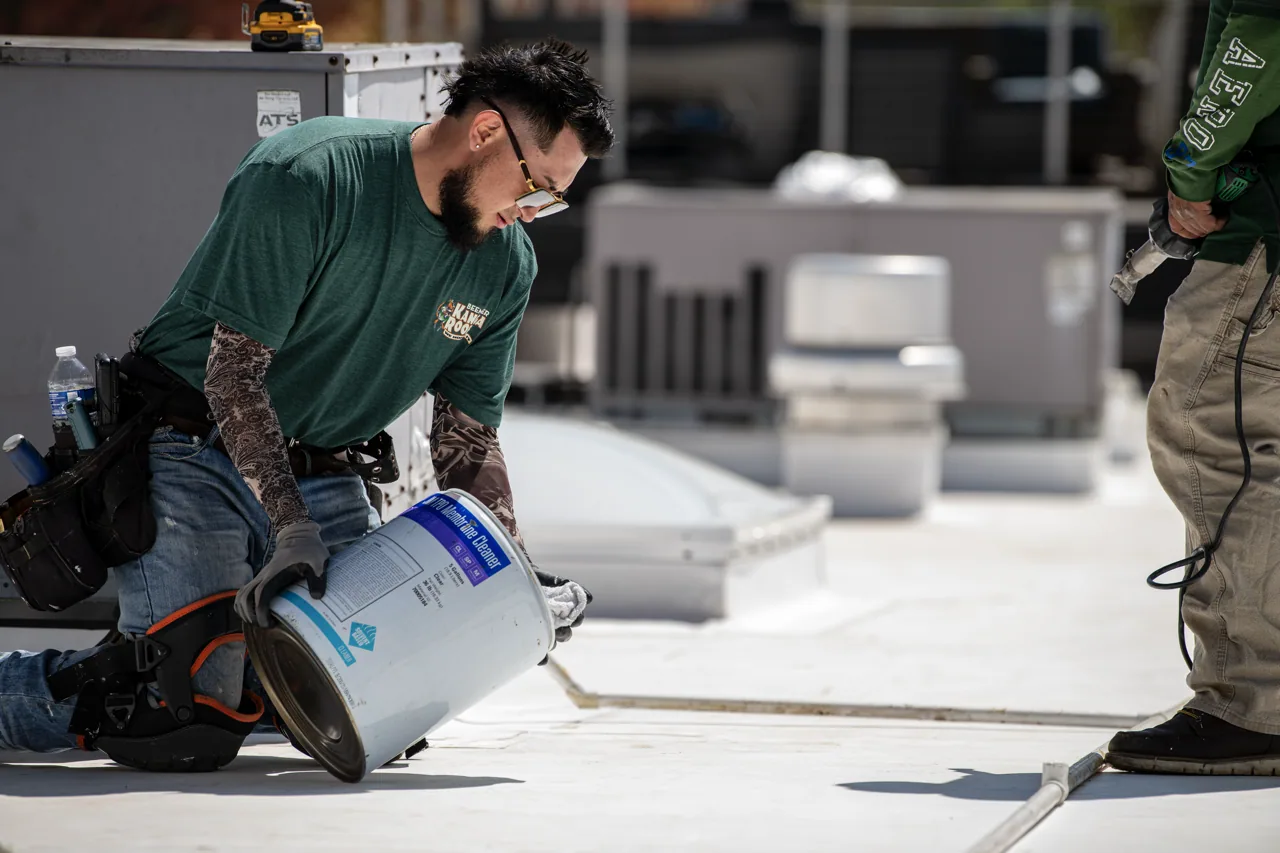
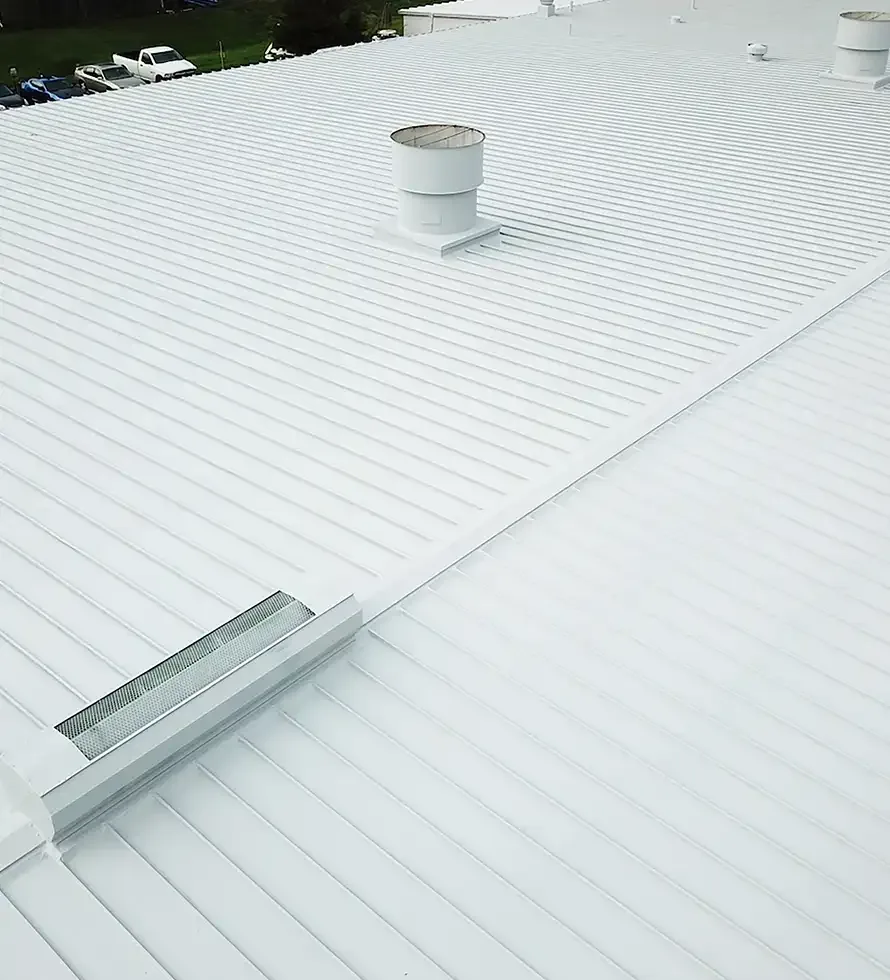
A coating needs a roof surface it can bond to. Set the preparation requirement before deciding whether restoration suits the building. Commercial roof coating work in Overland Park, KS, begins with the existing assembly and its defects. We inspect moisture concerns, seams, flashing and drainage. We also identify previous coatings or repairs that affect compatibility. A liquid-applied finish can protect a suitable roof, but it cannot make damaged supporting layers sound.
Retail buildings along 135th Street need work timed against deliveries and occupied entrances. Downtown Overland Park combines business with residential and civic uses. Cleaning, application and rooftop access can affect those spaces in different ways. We review the actual property before choosing the work sequence. The proposal should distinguish preparation, repairs and coating application. Where the assembly needs a larger decision, we compare restoration with a qualified roof recover or removal rather than forcing a coating onto an unsuitable substrate.
Establish the substrate condition
Loose surfacing, damaged material or contamination can prevent adhesion. We examine the intended bond area and identify the preparation it requires. Previous patches may use materials that differ from the main roof. Those transitions need inspection. The selected coating system should be compatible with the existing assembly and the materials used to repair it.
Soft areas or active leaks warrant investigation beneath the surface. Wet insulation may require removal and replacement before restoration can proceed. The same applies to unsupported or deteriorated material. A moisture investigation can help establish suspect areas when the assembly and conditions suit the method. Appropriate confirmation determines the concealed finding and helps define the removal footprint.
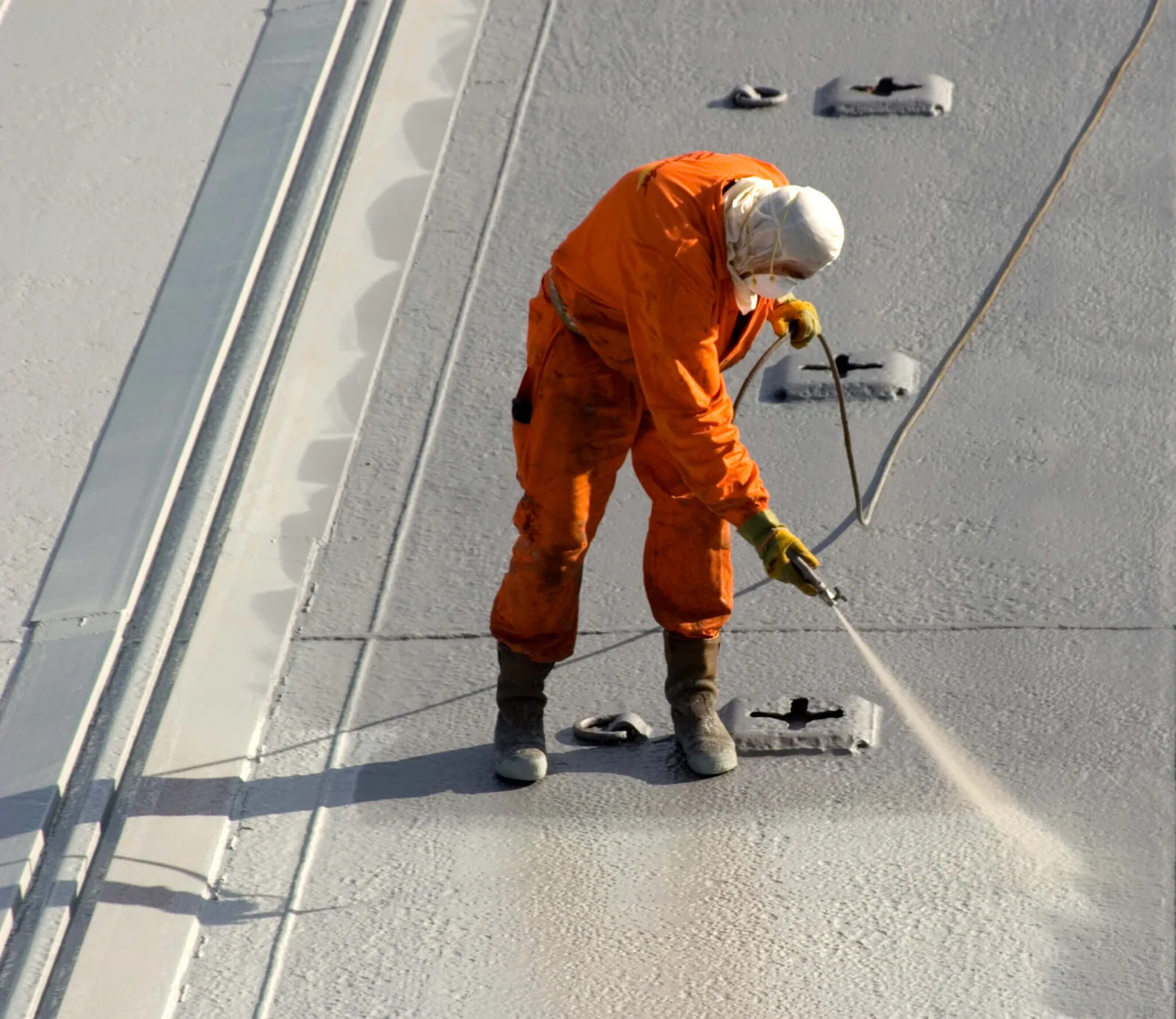
Surface cleaning should leave a usable substrate without driving water into open defects or damaging the existing roof. We plan cleaning alongside the repairs and protection needed. Bond checks may be appropriate under the system requirements. Their purpose is to help determine whether the prepared surface will accept the proposed material. The estimate should identify this work clearly. Leaving preparation vague makes it difficult to compare a restoration proposal with another scope that includes more extensive cleaning and detail correction.
Repair the connections first
An open seam remains a detail repair even when the field will be coated. We inspect its surrounding material and specify a compatible correction. Damaged flashing, loose terminations and failed drain connections also need their own work. The coating scope should show how those components are prepared and reinforced where the selected system requires it.
A flashing repair may require removing old material and restoring a sound termination. Spreading a coating across a moving gap can leave the underlying failure active. Equipment curbs need enough clearance for a workable detail and later service. We review those conditions before estimating the liquid-applied portion of the job. Another trade may need to move a component or isolate equipment.
Drainage requires a separate assessment. A coating follows the existing roof geometry; it does not create the slope needed to remove ponding water. Blocked outlets, raised obstructions and inadequate drainage need suitable correction. We inspect the drain path and review the material requirements for areas where water may remain. A sound restoration decision depends on the substrate, details and drainage together. It should not be based only on the appearance of the broad roof field.
Choose material for the conditions
The coating type changes preparation, application and future repair methods. Silicone roofing coatings and acrylic coating systems have different requirements and suitability considerations. We compare those requirements with the actual substrate and roof environment. The selected system may require primer, reinforcement or specific treatment at seams and transitions.
Roof traffic and equipment service also matter. A restored surface needs an appropriate access route and protection where workers reach rooftop units. Chemical contamination or exhaust discharge can affect material selection and preparation. We inspect the actual exposure rather than assuming that every section of a retail or restaurant property needs identical treatment. Equipment operation and the condition at the discharge area should inform the detail.
The material specification needs to include application requirements and the checks used during installation. Coverage, thickness and curing conditions should follow the selected system rather than an unsupported general promise. We explain how those requirements affect the work window and estimate. A proposal that names a coating but leaves its preparation and application method unspecified does not yet establish the job the manager is approving. Complete system choices make the comparison more useful.
Control the application window
Rainfall before a coating has reached the required condition can disrupt the work. Surface moisture, dew and temperature also affect application. We review the product requirements and the actual weather forecast before setting each stage. Cleaning, detail repairs and application may need different windows. The roof should remain protected while those stages are completed.
Regional Kansas City July conditions bring heat and rainfall. January has cold temperatures and snow. Those regional patterns inform scheduling, but the conditions on the roof decide whether application can proceed. We check the prepared surface and explain how changing weather affects the sequence. The manager should know which access restrictions remain in place during curing and when normal roof service can resume.
For retail roof restoration, cleaning and material handling need to fit tenant entrances, loading areas and occupied use. We coordinate that access before the crew arrives. Properties along the 135th Street retail corridor may have different delivery and customer patterns from an office building. The actual property schedule determines the restriction. A coating job still needs a clear access arrangement even when the demolition footprint is limited.
Set the restoration limits
The final scope should identify retained material, repairs, preparation and the application system. We document concealed findings that affect the decision and separate confirmed work from conditions needing further investigation. A suitable restoration can preserve useful components, while an unsuitable assembly needs another approach. The explanation should show which findings led to the recommendation.
Keep the coating documents with the roof record. Later repairs must remain compatible with the restored assembly. Record the coating material, preparation and treated roof sections so a later repair crew can identify the surface correctly. A new penetration or equipment support may need a different detail from the one used before restoration. Maintaining that record helps define compatible work instead of adding an unidentified patch. Issued warranty terms need review with the party providing coverage rather than an assumed duration. Arrange the restoration assessment before purchasing a surface treatment. We will inspect the substrate and details, then define the work that can give the coating a suitable foundation.
Commercial Roofing Questions
Can a coating be installed over repeated old patches?
The patch materials and their condition need checking. Loose or incompatible material may require removal. We identify how the transitions will be prepared before recommending a coating system.
Will coating eliminate the need to clear roof drains?
Drain maintenance remains necessary. A coating does not remove debris or correct unsuitable roof elevations. We inspect drainage and separate cleaning from any required construction work.
How is restoration different from adding a new roof layer?
Restoration treats a suitable existing surface with repairs and a compatible coating system. A recover installs another roofing assembly. Each option has its own substrate, attachment and detail requirements.
What controls when the restored surface can be walked on?
The selected material and application conditions determine curing and access requirements. We explain the restrictions for the work. Equipment service should follow the completed surface requirements.
Related Roofing Work
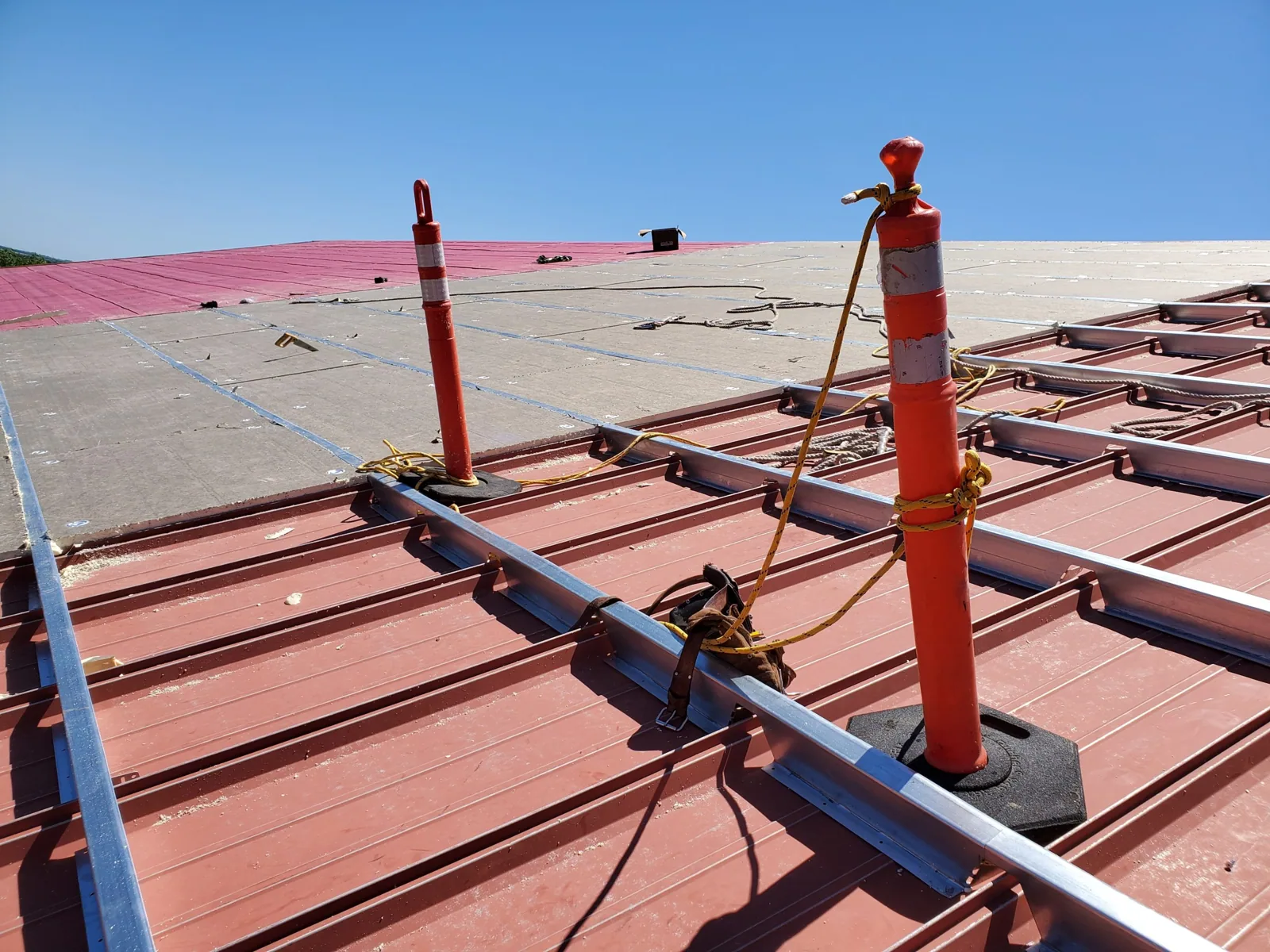
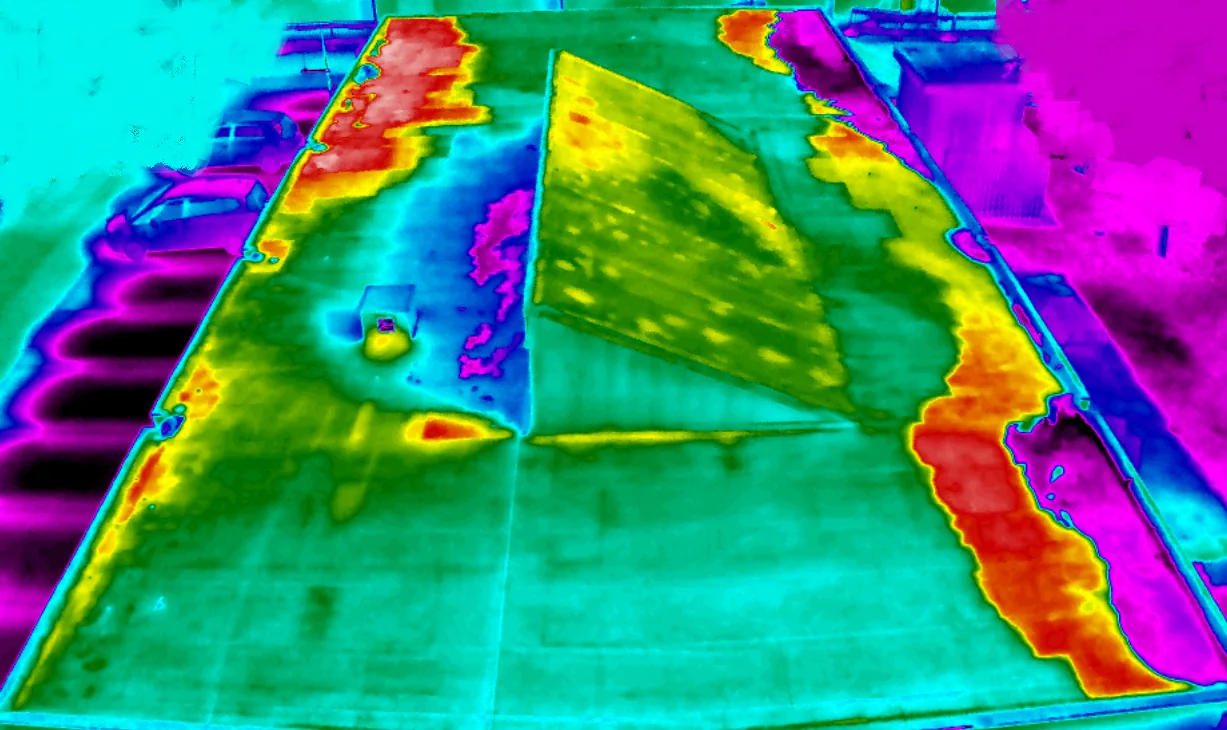
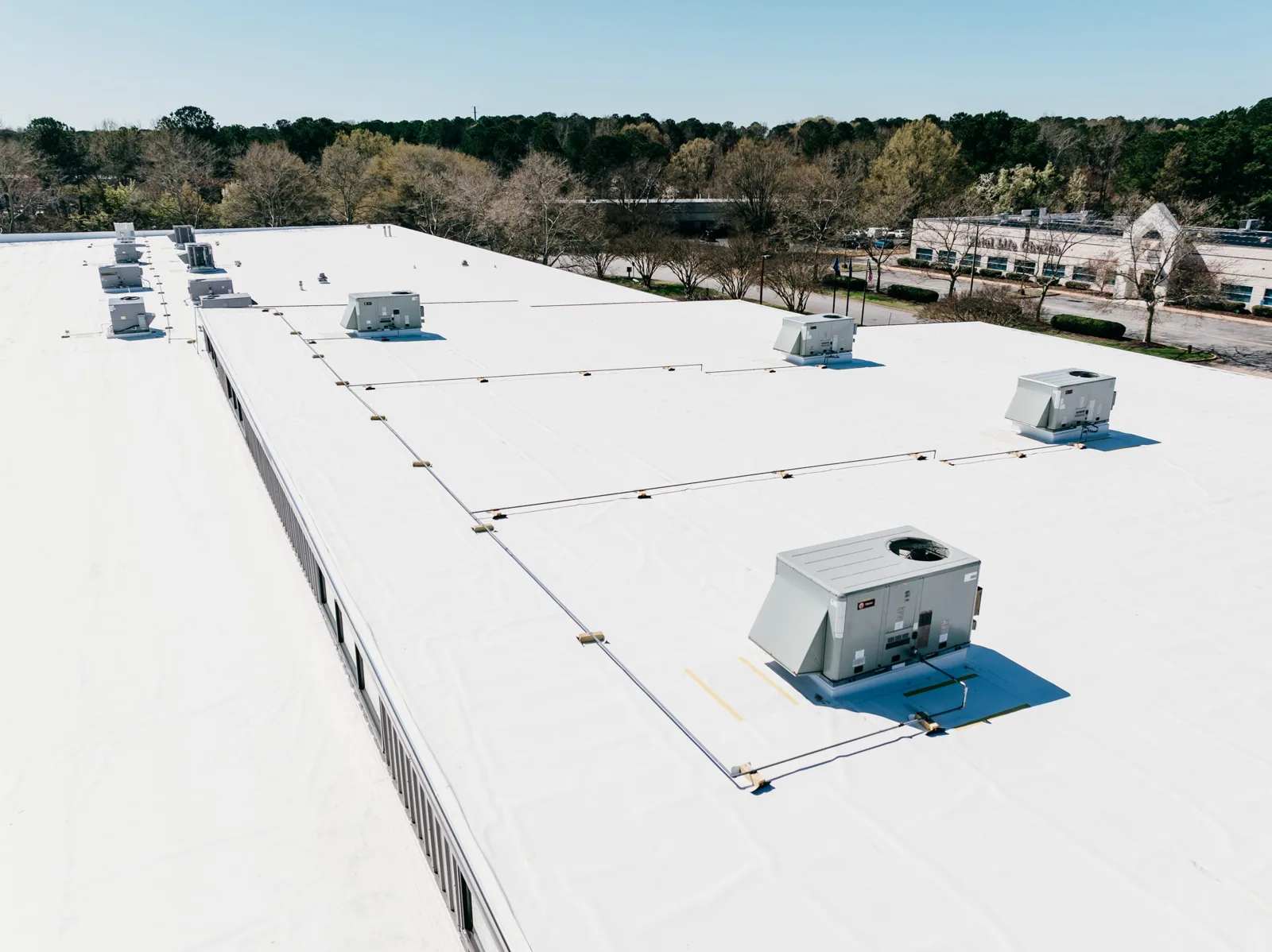
Set the work limits
Book a restoration assessment. We will establish substrate suitability, necessary repairs and the application window before proposing a coating.