Snow and Ice Roof Damage Repair in Overland Park, KS
Home / Roof Damage Repair / Snow and Ice Roof Damage Repair
Get a Free Roof Assessment - Call 555-555-5555
What Property Owners Should Know
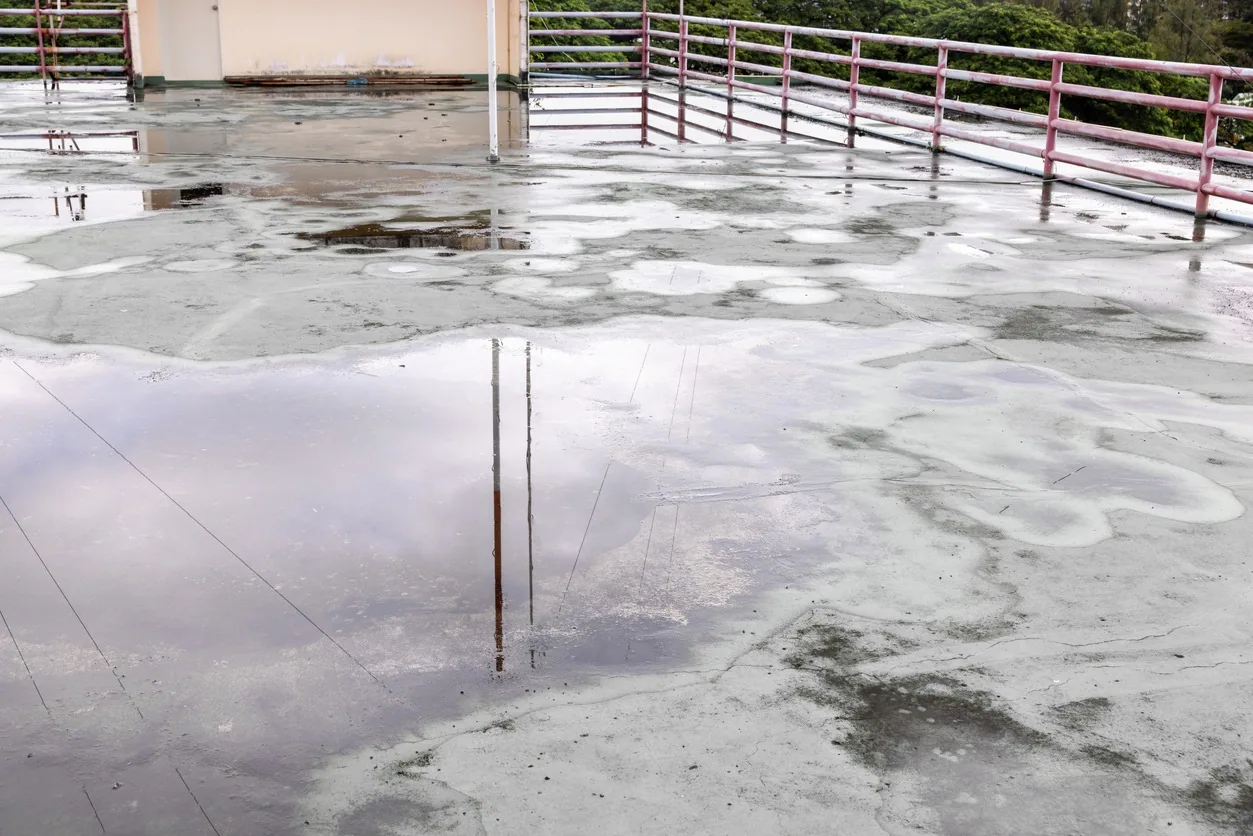
A roof leak during a cold spell needs a check of the drain path and the detail where water entered. We inspect the accessible roof, identify ice or snow conditions and set safe access limits. Snow and ice roof damage repair in Overland Park, KS, accounts for the assembly, interior report and available work window. A frozen drain, open seam and overloaded structure are separate concerns. Each needs the right trade and a clearly defined next step.
Regional Kansas City January normals list about 4.9 inches of monthly snowfall, with early-month temperatures typically around 38 to 39 degrees by day and 19 to 21 degrees overnight. These are station normals for the region, not measurements at a specific Overland Park building. Downtown includes businesses, multifamily housing and civic uses. The 119th Street corridor is also an east-west retail area. We plan access and daily closure around the actual building use while checking which roof details can be repaired under current conditions.
Check the drainage before thaw
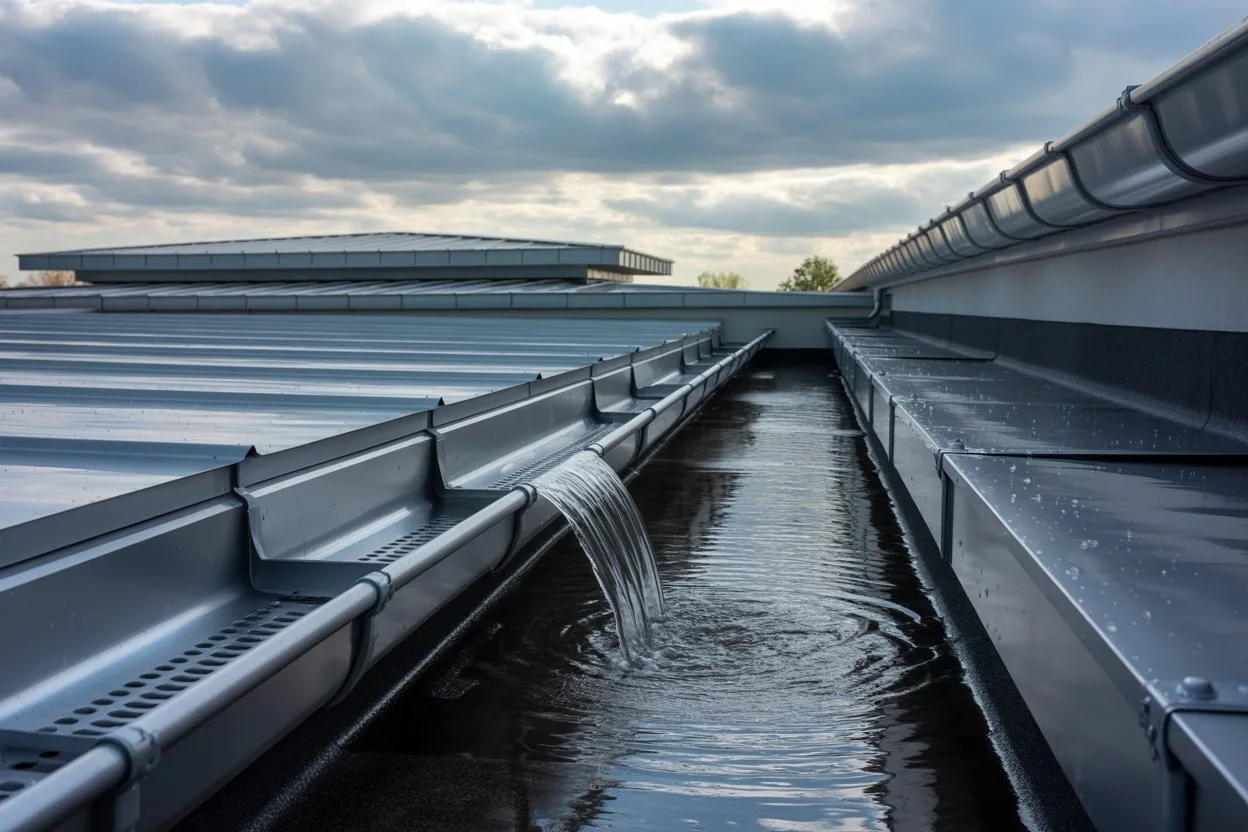
Ice near a drain or scupper can restrict runoff and send water toward a seam, curb or roof edge. We inspect the outlet and the path approaching it when access is safe. We look for debris, displaced components and areas where water could be trapped. Removing loose debris may restore a route, but it will not correct a low section or failed membrane. We state which condition is present and whether a permanent repair can proceed during the cold period.
Snow and ice can conceal a puncture or hold water against an old repair. We do not send a crew onto an unsafe roof to reach a hidden condition. The manager may need to monitor interior areas and keep access below restricted until conditions improve. A drain and scupper inspection can be scheduled when the surface is safe. If standing water remains after thaw, a separate ponding water repair review can determine whether slope or substrate needs correction.
Separate roof leaks from structural concerns
Water entering at a roof detail calls for a roofing inspection. Unusual deflection, a change in roof level, cracking or a concern about load calls for structural evaluation by a qualified engineer. We do not treat a leak repair as a snow-load assessment. The manager should keep people clear of an area when structural behavior is in question and follow the building's safety procedures. Roofing work can proceed after the relevant access and structural conditions are addressed.
Snow depth alone does not tell a manager how the structure is performing. Roof framing, spans, drainage, drift and the condition of supporting members affect a load review. We note visible roofing and drainage conditions, then keep any structural question with the qualified evaluator. If a roof must be cleared, the building should use an established safe procedure that does not send untrained staff onto the surface or place equipment where it can damage the membrane. This boundary helps the roofing inspection answer its intended question without delaying a separate safety decision.
We document whether the membrane, flashing, insulation or drain connection shows a defect. If an opening is needed to confirm wet material, we set the work limit and temporary closure. A weather-protection response may be appropriate for active water entry when safe conditions permit. A cold-storage building roof check can also require coordination around interior temperature controls and operating equipment. That coordination changes access and timing, not the evidence needed to describe the roof condition.
Find the point where water entered
Melting snow can send water beneath roofing at a seam, curb, edge or penetration. We trace the interior report to the roof above and inspect connected details. Stains may appear away from the opening because water can move along a deck or insulation layer. We record the point of entry if it can be identified and note what remains uncertain. A repair should close the failed component and reach material that can support the new connection.
Regional cold can affect adhesive, sealant and temporary protection. We check actual surface conditions and manufacturer requirements before installing a permanent repair. If a suitable work window is not available, we describe a temporary measure and the follow-up needed. Where the inspection finds a separated lap, a seam repair may be needed. If a curb or wall transition is open, flashing work has a different preparation and attachment detail.
Plan the work for an occupied building
Winter roof work needs an opening limit and a reliable end-of-day closure. We identify the route to the repair, the area below and any equipment that cannot be blocked. If frost, snow or ice prevents safe access, the inspection is rescheduled to a condition that supports the work. The manager receives the reason and the next inspection point. When a crew can proceed, we protect the roof area and choose a sequence suited to the material.
The city's downtown plan describes infill and redevelopment around a mix of housing and commercial activity. Retail tenants along 119th Street may also need entrances and deliveries kept clear. We agree on staging, access and notice before materials move. We confirm whether snow or ice removal by another service has already occurred, since tools and foot traffic can leave separate membrane damage that should be recorded apart from the weather condition. For a longer-term record, condition reporting can note the roof areas that were inaccessible during winter and what should be checked after thaw. A report should make the next visit more focused by naming the detail and question to revisit.
Close the repair and plan a thaw check
When the permanent work is complete, we inspect the connection and confirm the drainage route is clear. We photograph the repair and identify any nearby condition outside the approved scope. If ice concealed part of the roof during the first visit, we recommend a follow-up only for that area. The record distinguishes a completed repair from an area that could not yet be evaluated.
After snow and ice melt, water patterns may change. A follow-up can check the same drain, seam or curb for renewed entry and inspect material that was inaccessible. We compare findings with the original photographs and repair record. If an opening needs temporary cover during a later cold snap, we document that work separately from the permanent correction. The report identifies which parts of the roof were seen and which stayed blocked by snow or unsafe surface conditions. Schedule the review with interior leak dates and the roof plan. We will check the relevant details, confirm the drain path and agree on a safe work window.
Commercial Roofing Questions
Can you clear ice from a commercial roof drain?
We first confirm that access is safe and the outlet can be reached without damaging the roof. The inspection identifies whether debris, a frozen connection or a surface low area is affecting drainage.
Does a winter leak prove the roof has snow-load damage?
No. A leak can come from a seam, curb or drain. Signs of structural concern require a qualified structural evaluation apart from the roofing repair.
Can a permanent patch be installed in freezing weather?
The surface and material requirements set the work window. We check moisture and temperature, then schedule a permanent repair or describe temporary protection until conditions support installation.
What should we check after the snow melts?
Revisit drains, the repaired detail and any roof area that ice made inaccessible. We compare those findings with leak dates and photos from the first inspection.
Related Roofing Work
Set a safe winter roof check
Schedule an inspection with interior leak dates, drain locations and access restrictions. We will identify the roofing issue, separate any structural concern and set a safe repair window.