Commercial Roofing for Hospitality Groups in Overland Park, KS
Home / Industries We Serve / Commercial Roofing for Hospitality Groups
Get a Free Roof Assessment - Call 555-555-5555
What Property Owners Should Know
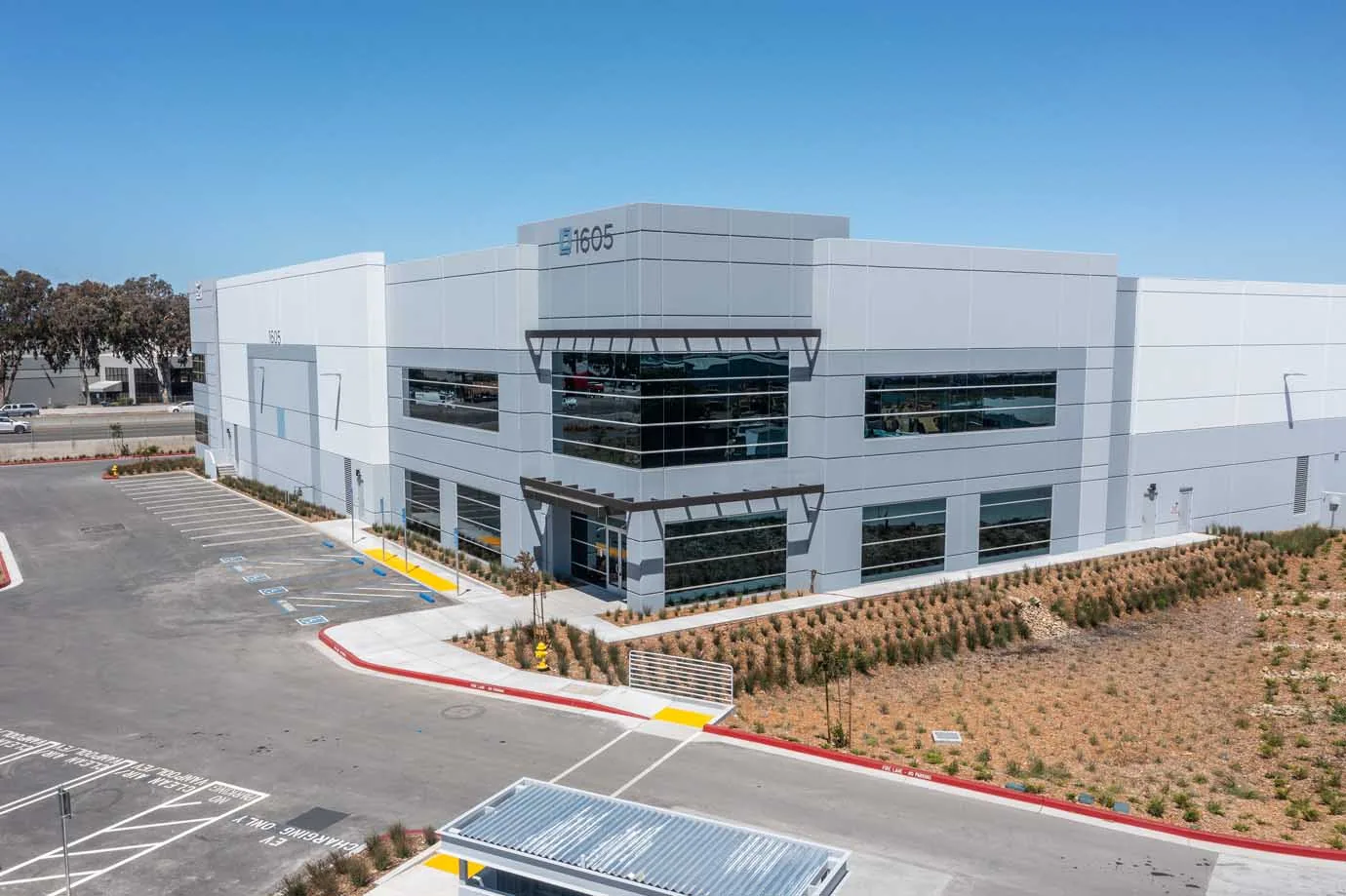
A guest corridor cannot become a roof work route without a plan. For hotels and hospitality properties in Overland Park, KS, we begin with the area below the reported leak, the service entrance and the hours when guest movement is heaviest. We inspect nearby seams, drains, parapets and equipment curbs, then mark a repair footprint that can be protected and closed at the end of each shift. The manager receives a work window that accounts for rooms, deliveries and the roof access actually available.
Downtown Overland Park combines businesses, civic spaces, multifamily housing and entertainment, while the Chamber identifies hospitality uses among regional mixed-use development plans nearby. Neither fact describes an individual hotel. We confirm its roof assembly, loading path and equipment schedule on site. A retail and restaurant roof review may emphasize customer entrance and exhaust access; a hotel scope must also account for guest privacy and service circulation.
Keep guest and service routes apart
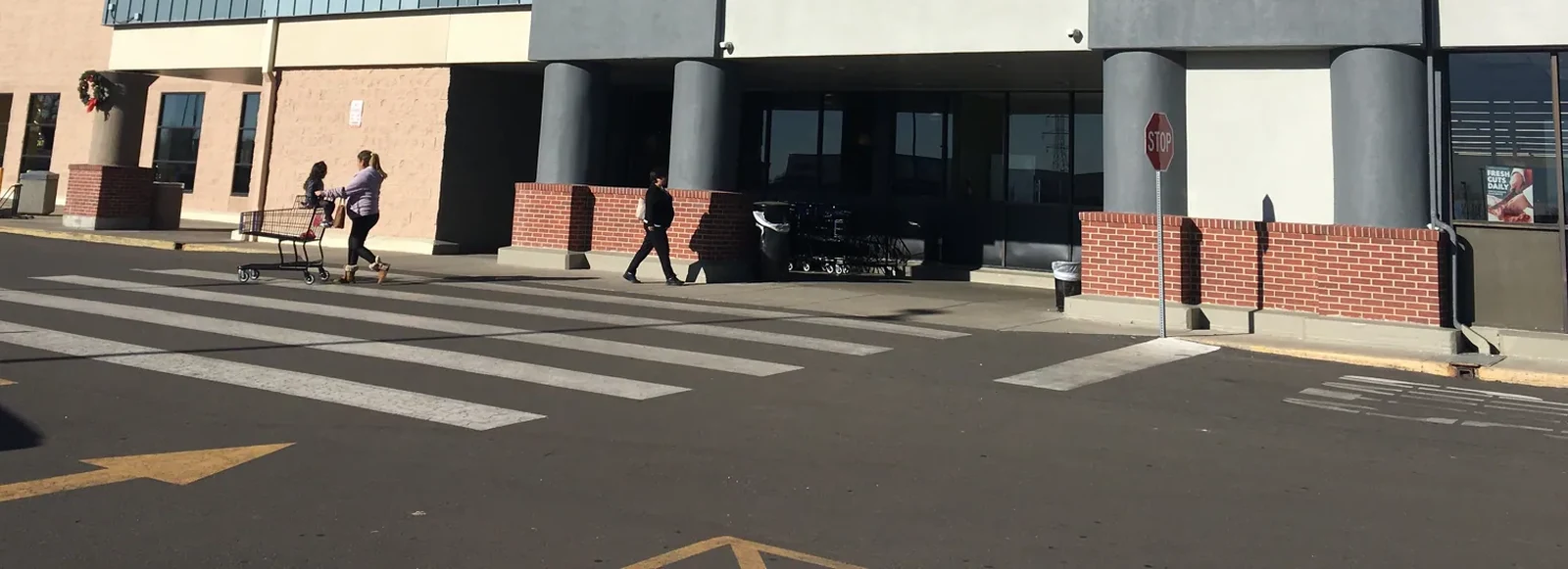
We walk the route from staging to the roof with the property contact. The plan names the entry, service lift or ladder, material lift, debris path and any area that remains for guests. If a ballroom, kitchen or loading dock has an event schedule, we coordinate the noisy or disruptive step around it. We also identify the person who can authorize a temporary closure if a hidden condition changes the work boundary.
Hotel staff can tell us which service corridor may receive materials and where guest traffic must stay clear. We set barriers and a daily stop point before opening the assembly. A phased reroof can keep separate areas protected, provided each transition closes securely overnight. The schedule includes the time needed to remove debris and restore access, not only the hours spent applying membrane. These limits appear in the estimate so the operator can plan room and event use.
We check whether noise above a guest room needs a notice and whether a lift or compressor can operate during a quiet period. If a property has a conference, wedding or restaurant service at a fixed hour, the manager gives us those windows before we split the roof into phases. We can set a smaller daily opening where the access path is shared. The schedule then records when the service route returns to normal and who confirms the guest area is clear.
Trace the leak without disrupting rooms
A ceiling stain in a guest room does not locate the roof opening. We inspect above the reported area, check the membrane and nearby penetrations, then follow the drain path and wall transitions. If the leak is intermittent, the manager's room history and weather timing can narrow the search. We photograph the accessible condition and state what a selective opening would establish. A temporary cover is kept separate from the permanent repair proposal.
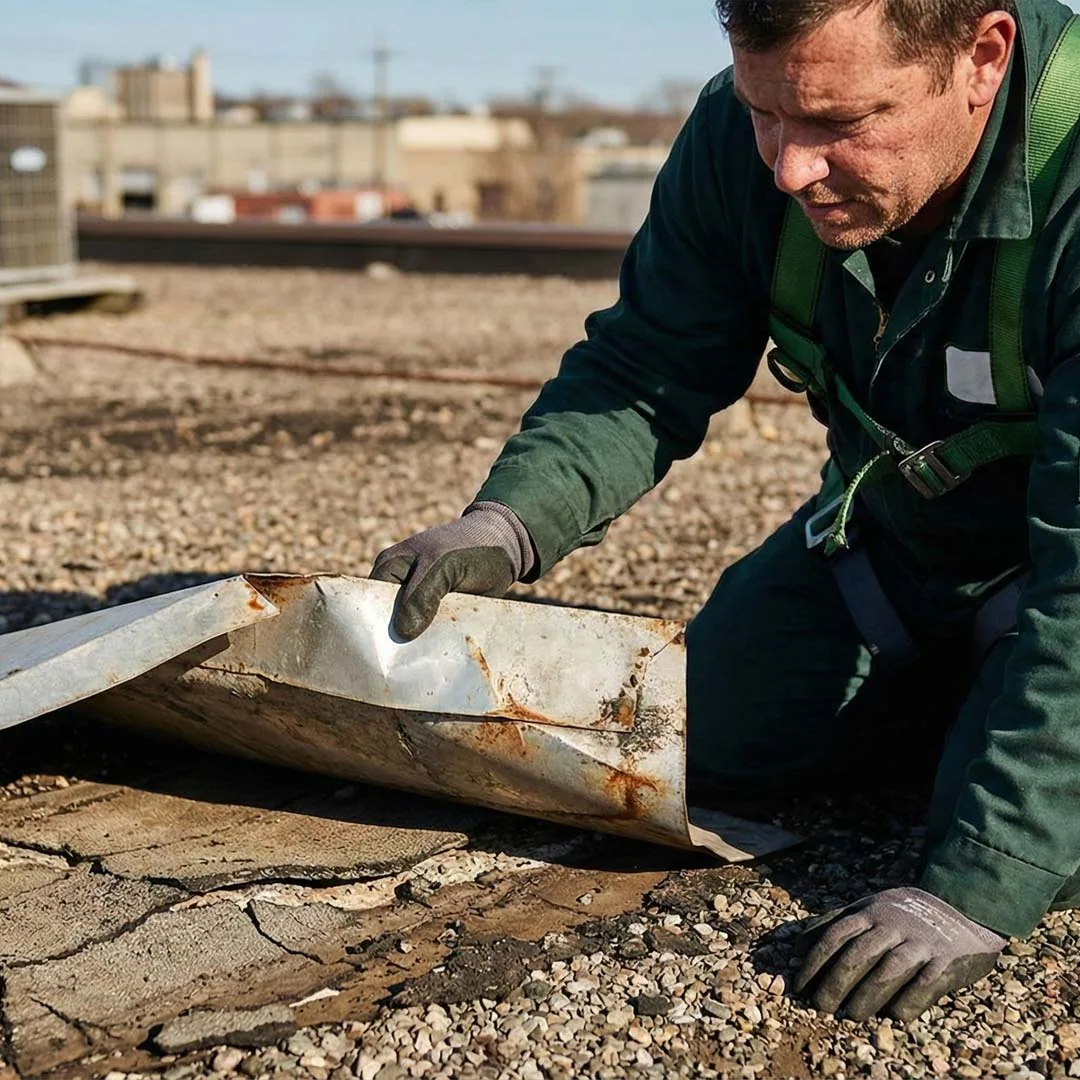
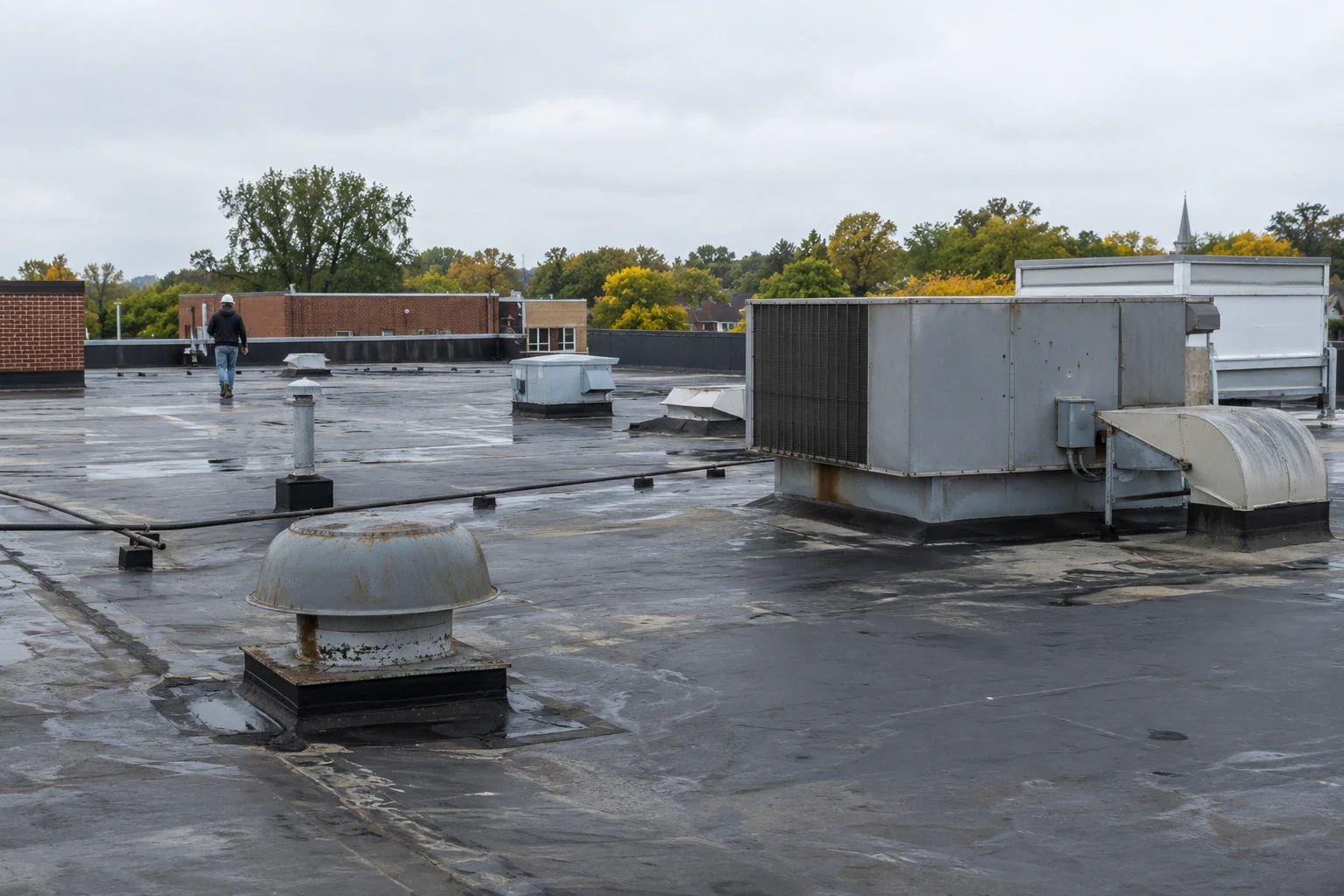
Rooftop units, exhaust fans and piping can require a mechanical trade before a flashing repair. We identify units that will be serviced or moved and confirm who restores the curb detail. A located leak repair includes preparation and a defined perimeter; it should not cover a moving connection or conceal a wet area. If the assembly differs from the visible surface, the crew stops at a safe closure and requests approval for the revised scope.
Set the closure point before opening the roof
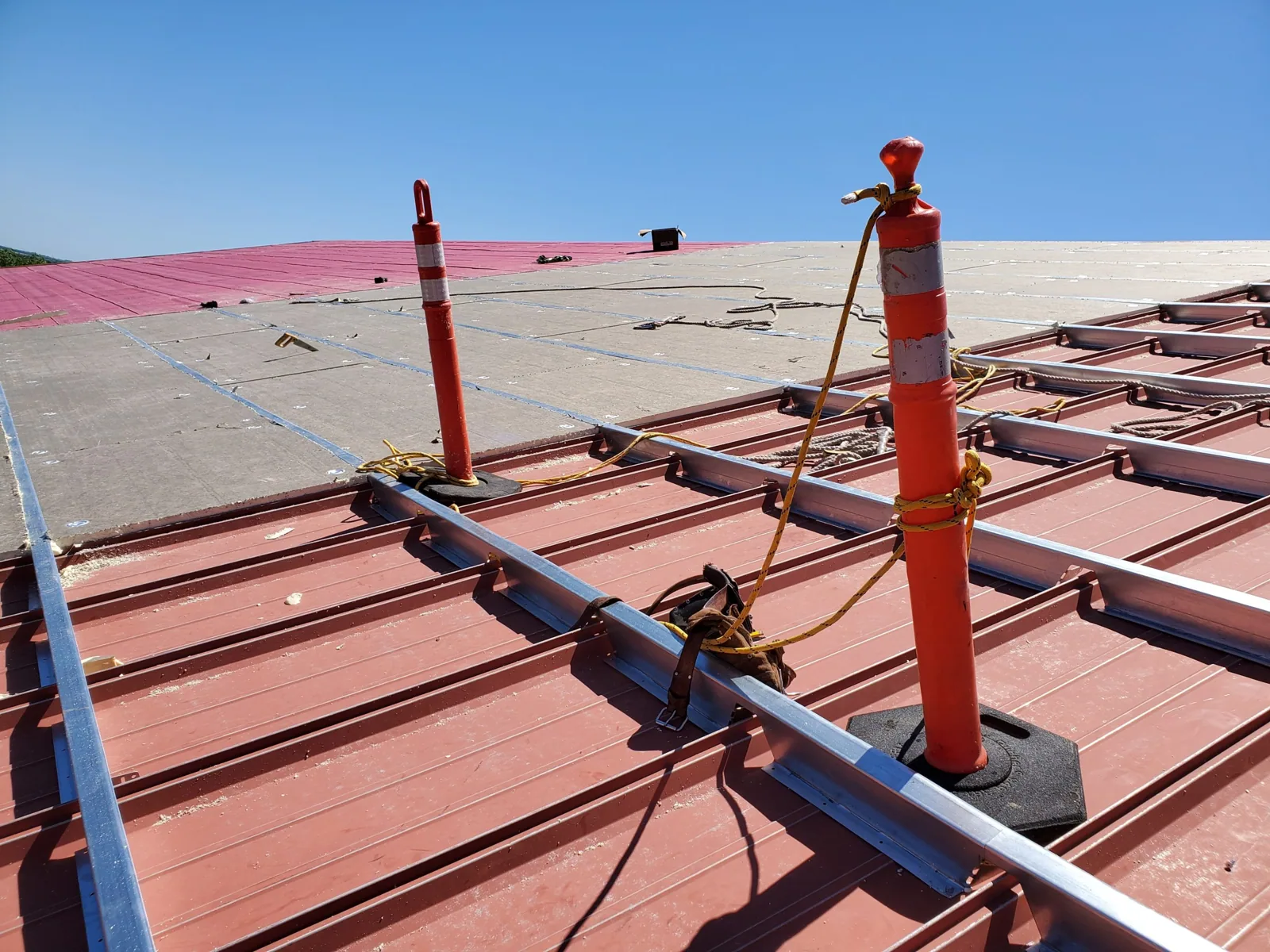
We compare the roof surface and application limits with the work date and forecast, then limit removal to a section that can be closed securely. Guest rooms, restaurant service and event schedules may set a narrower work window than the material alone. Before opening the membrane, the operator confirms the guest route, the room protection below and who checks the temporary tie-in if work pauses.
Leawood's Hallbrook North development began construction in May 2026 near College Boulevard and State Line Road, with planned offices, housing, retail and hospitality uses. That planned mix is not a description of an operating hotel's access. For an existing property, we verify its service entrance and equipment schedule. The manager receives an inspection record that shows the detail checked and any repair needed. A report of hail or wind can prompt that visit, but a permanent scope must match the surface and flashing we see.
Compare work that fits the building
A local repair suits a defect when the surrounding roof can accept the preparation and the detail can be closed against compatible material. If wet insulation, a failing curb or a moving seam extends beyond the visible issue, we define the opening needed to check it. The manager can review that evidence before approving additional work. A repair estimate names the area affected, protection below and any equipment or guest route that must change.
A recover depends on a sound assembly, dry conditions, adequate attachment and height at drains and curbs. Replacement involves more removal but opens the roof for broader correction. We compare both using the same room protection, access and work-window assumptions. The recover assessment and replacement scope state the removal limits and overnight closure method. That lets the hotel team compare disruption as well as material, not just a surface treatment against a full project.
Keep event and repair records usable
Closeout photographs show the prepared area, flashing, seams and final tie-in. We note any concealed finding, approved scope change and section left outside the work. The hotel contact can attach that record to the maintenance log and future capital review. If a roof opening remains protected pending a return visit, the handoff states who checks it and when the follow-up is scheduled.
Downtown and College Boulevard show different urban operating patterns, but neither determines a hotel's service entrance or staging limit. We confirm the route and current access with the operator before scheduling. A photo condition report can distinguish maintenance, active repair and a future capital scope. That helps the property team answer a guest complaint with a documented roof finding instead of a generic note that the issue was sent to facilities.
Schedule around the property's next event
Before the crew arrives, we confirm event hours, room access, service deliveries and the time when the roof must be closed. The site manager decides which route can be restricted and who can approve a change. If an inspection reveals a broader wet area, we secure the section, provide photographs and request a revised boundary before moving into another zone. The final record shows what was repaired and what needs a later visit.
A group may manage hotels alongside retail or medical property. The property manager record can keep site files consistent, while a healthcare roof plan follows different occupant restrictions. For a hospitality building near Downtown Overland Park, we verify the service entrance and guest route directly. Schedule an inspection with the operations contact who can set the work window and approve the repair footprint.
Commercial Roofing Questions
Can roof work proceed during guest occupancy?
We coordinate guest routes, room protection, equipment needs and daily closure with the operator before choosing a work phase.
How do you handle an active room leak?
We protect the room and roof opening, document the likely entry path and set the permanent repair after inspecting the details.
Will a hotel need to close its kitchen?
Only if the equipment or access plan requires it. We confirm exhaust and service needs with the operator before mobilization.
What does the closeout include?
Photos show the repair boundary, completed details, approved changes and follow-up still open for the property team.
Related Roofing Work


Choose the guest-safe work window
Schedule Commercial Roofing Overland Park to inspect the roof with your operations contact and set the access, service route and daily closure plan.