Holcim Elevate Commercial Roofing in Overland Park, KS
Home / Roofing Manufacturers / Holcim Elevate Commercial Roofing
Get a Free Roof Assessment - Call 555-555-5555
What Property Owners Should Know
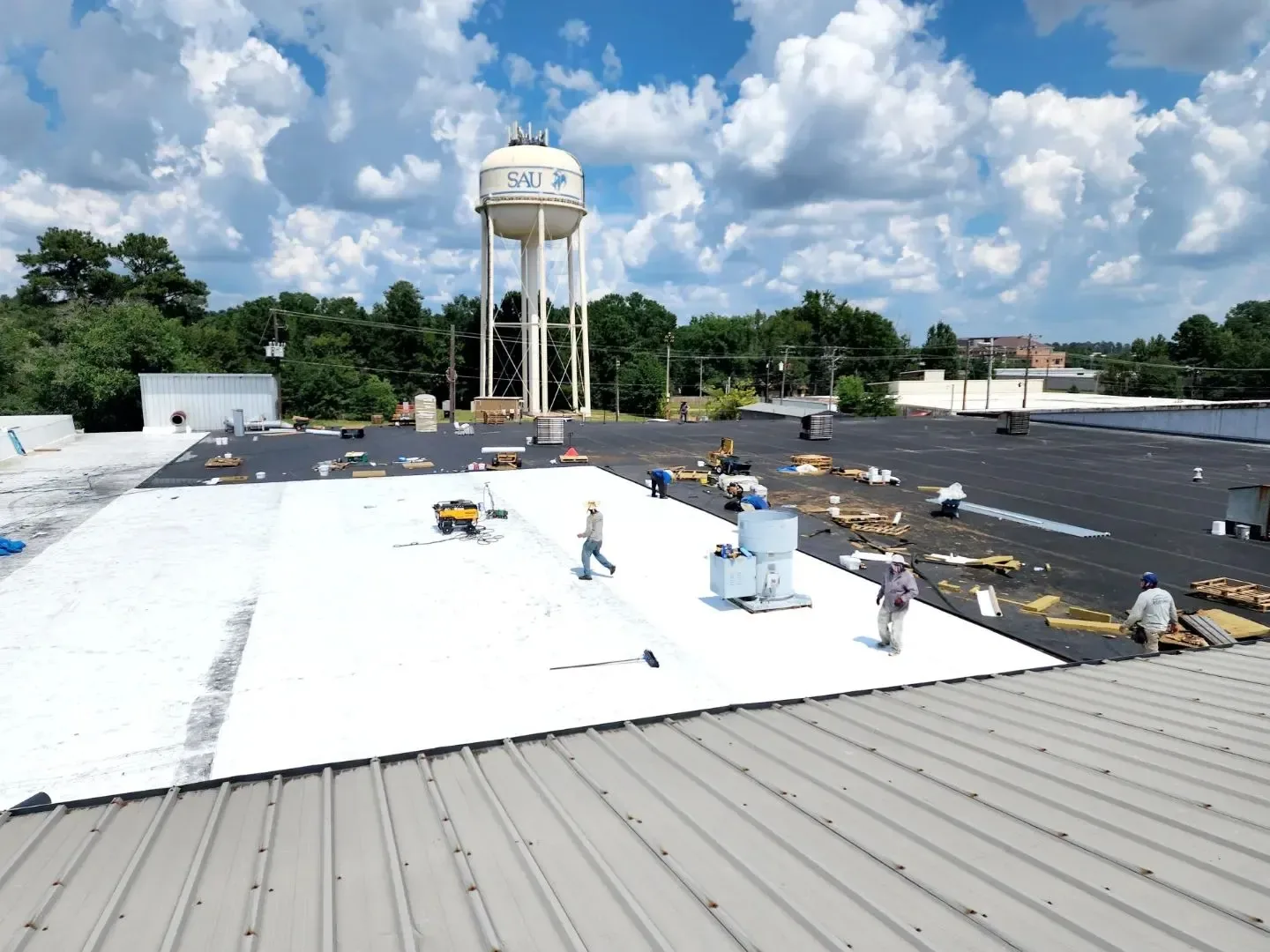
A Holcim Elevate membrane over a distribution building in Overland Park, KS, has to shed water at every seam, curb and edge. The system name alone cannot show whether insulation is wet or a repair reaches sound material. We inspect the field sheet, attachment, drains and penetrations, then set a repair footprint the manager can review. If replacement is warranted, we document removal depth, deck checks, material handling and the daily closeout. The roof record ties the chosen assembly to the building's use and the installation requirements that apply.
Separate EPDM from TPO details
Holcim Elevate's commercial portfolio includes RubberGard EPDM and UltraPly TPO systems. Those membrane families use different seam and repair methods. We identify which one is installed before preparing a patch or writing a replacement scope. On EPDM, the repair depends on cleaning, compatible primer and seam components. TPO seams are heat welded and need a sound weld at intersections and flashings. A repair may not match the field sheet. We inspect its edge and note what material is needed for a lasting tie-in.
Overland Park's distribution and manufacturing properties can run through loading and production windows. We mark rooftop units, staging and the paths that must stay open before placing material. A small repair may fit around a shift change. A tear-off may need several areas so the building remains protected overnight. The manager gets the proposed sequence and access limits before work. We do not assume a Red Shield warranty or coverage from the product family; actual project documents and manufacturer requirements decide the applicable terms.
Trace water at the curb
Leaks near equipment often involve more than the membrane field. We inspect curb flashing, counterflashing, fasteners, nearby seams and the drain path. Then we compare those details with the interior report and visible roof conditions. Water can travel before it appears inside, so a stain location does not set the repair limit. We photograph each transition and check for wet insulation where the roof supports that inspection. Infrared or drone surveys may map an area, but test indications need confirmation before changing removal scope.
The 79th Street corridor runs through Downtown Overland Park, Metcalf Avenue and Antioch Road. That area includes business, civic and residential activity. A roof repair must fit the property's loading, customer and tenant access. We coordinate a lift or material drop with the manager and keep the work area within the agreed limit. Our leak investigation follows the water path, while a drain and scupper check confirms whether runoff is reaching the intended outlet.
Review what sits below the sheet
A recover decision begins below the membrane. We check deck, insulation, cover board, attachment and existing roof layers before measuring the removal area. Wet insulation or a weak substrate can rule out covering the assembly. A replacement estimate lists the components and transitions included, then notes what remains unknown until the roof is opened. If the crew finds a different deck condition, the manager receives photographs and a priced change before additional removal. This keeps the material order and schedule tied to the roof that is actually exposed.
Regional Kansas City July climatology gives normal monthly precipitation of 4.58 inches. That is regional context, not a forecast for one shift. We check the current weather and protect each opened section before leaving. Hot days also affect crew exposure and installation timing, so the work window follows both weather and product instructions. An owner comparing Carlisle SynTec membrane options should use the same deck, insulation and edge assumptions. A RubberGard EPDM assembly and an UltraPly TPO assembly cannot be compared by membrane price alone.
Limit each daily opening
Before tear-off, we confirm the section, staging area, access route, safety controls and temporary dry-in. The crew opens only the approved area, checks the deck and installs the planned layers in sequence. At the end of the shift, each exposed edge is secured and the manager receives a closeout note. If concealed damage changes the scope, work stops at the agreed limit while we document the condition. That procedure protects occupied space below and gives the owner a decision before added material is installed.
An EF-1 tornado traveled from Lenexa through Overland Park on June 8, 2022, with NWS estimating peak winds at 100 mph. That event is not proof of damage at a particular property. After a severe storm, we inspect roof edges, sheet attachment, curbs and metal transitions and record the condition by area. A storm damage roof inspection can preserve the observed footprint before repair. For a planned project, our occupied-building sequence keeps the daily closure and tenant notice in view.
Keep the assembly record current
Each maintenance visit should identify the membrane, repairs, edge details and roof sections checked. We clear debris where included, photograph seams and penetrations, and separate completed work from proposals. If Holcim Elevate project records are available, we keep the installed system information with the condition report. That helps the next repair use a compatible detail. Warranty terms and eligibility require the actual project documentation and current system requirements. A brand on the roof does not establish what the owner has in force.
The report also helps a property team compare repair with capital planning. We group conditions by urgency and show which areas need another inspection. Infrared moisture surveys can add information when weather and roof type support the method. They do not replace a close check of flashing or a drain. Our photo-based condition report records findings by section. For work near the College and Metcalf District, we can coordinate access around the property's occupied hours.
Close the scope before ordering
Material selection follows the inspection, deck review and project documents. We list membrane, insulation, edge metal, penetrations, attachment and removal limits in the proposal. A drain transition or rooftop unit may need its own detail. The schedule states staging, work zones and daily protection. If the building needs urgent cover while a larger decision is made, emergency response runs around the clock, holidays included. Permanent repair or replacement follows the documented condition and the owner's approval of the scope.
Holcim Elevate EPDM or TPO should be installed to the applicable requirements, with field conditions checked before the crew starts. We can compare Sika Sarnafil systems when a project is reviewing another membrane family. The estimate can also distinguish replacement work from a focused repair. Schedule the inspection in Overland Park that settles the roof condition, work window and removal limit.
Commercial Roofing Questions
What is different between RubberGard EPDM and UltraPly TPO?
They are different membrane families with different seam and repair methods. We identify the installed system, then follow its detail requirements. The deck, attachment and edge conditions still decide whether repair, recover or replacement fits. The estimate records the assembly instead of treating EPDM and TPO as interchangeable sheets.
Can a Holcim Elevate roof receive a coating?
Only after confirming the existing membrane, surface condition and product compatibility. We check adhesion, seams, flashings and moisture before considering a coating scope. A coating does not correct wet insulation or a failed curb by itself. The report identifies preparation, repairs and areas that need removal before any coating is priced.
How do you document concealed moisture?
We use close inspection and, when the roof and weather support it, infrared or drone moisture surveys. The report maps indications and identifies where another check or opening is needed. A survey result is not treated as a confirmed wet layer until the condition is verified. That distinction keeps the removal estimate tied to evidence.
Will a product name confirm the warranty?
No. The actual project documents, system requirements and owner records control warranty review. We can record the membrane and observed condition, but we do not infer coverage from a label. If the manager has installation or warranty documents, we keep them with the roof record and identify questions that need manufacturer review.
How do you keep a distribution building dry during replacement?
We divide the roof into sections, confirm access and staging, and set a daily opening limit. Each exposed edge receives temporary protection before the crew leaves. The sequence accounts for loading activity, rooftop equipment and interior use. If the exposed deck changes the scope, we document the condition before extending removal.
Related Roofing Work
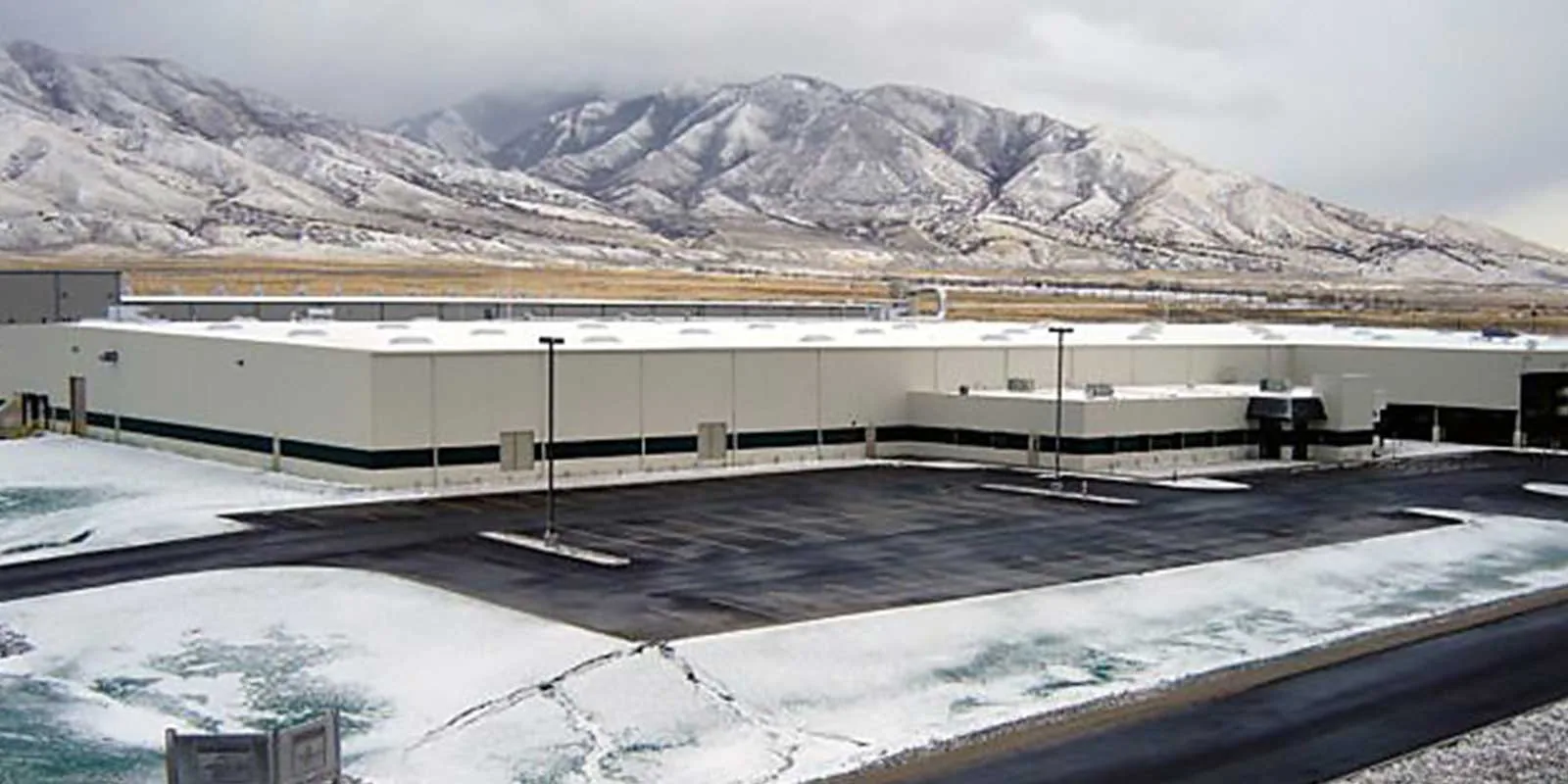
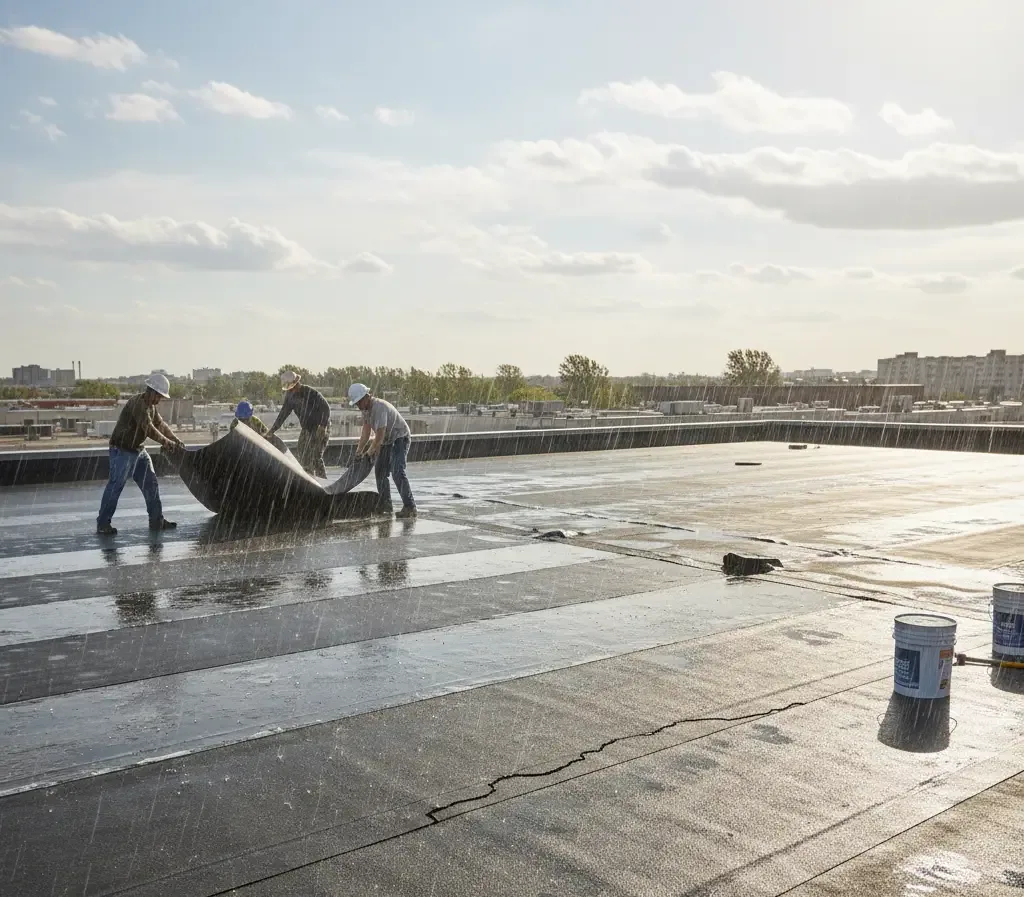
Inspect the existing assembly
We will identify its membrane, check the deck and details, and set a repair or replacement scope with clear daily closure limits.