
Commercial Roofing in Shawnee, KS
Home / Service Areas / Shawnee
Get a Free Roof Assessment - Call 555-555-5555
What Property Owners Should Know
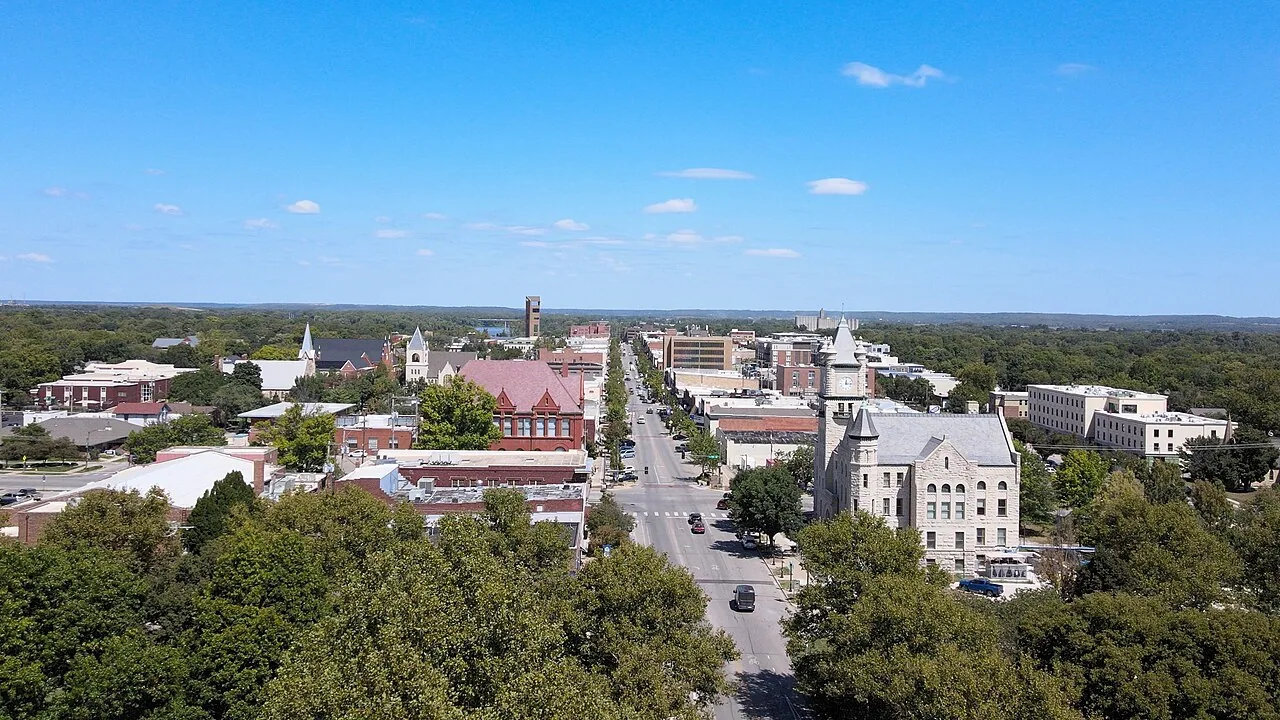
Commercial and industrial roof work in Shawnee should match the site’s operation, roof access and the material that is already installed. A leak over active space needs a controlled opening and a closure plan before any removal begins. We inspect the membrane, roof edges, penetrations and drains, then compare visible conditions with the reported wet area. The manager receives a defined repair footprint, access plan and work window before authorizing a permanent scope.
Shawnee concentrates commercial and industrial development along major traffic arteries. The city identifies I-35, I-435, K-7 and Shawnee Mission Parkway as important business connections. That context helps frame regional access but does not establish the condition of an individual roof. We inspect the building itself. Downtown reinvestment also has city support through the Downtown Improvement Program, so planning a repair should account for the specific property and its ongoing use. Book a commercial roof inspection in Shawnee when the leak returns or a repair leaves the source unresolved.
Protect the operation below
Before scheduling a roof opening, we confirm how the building operates. Industrial areas can have loading movements, equipment that must stay available and restricted routes. Commercial spaces may need customer and staff access preserved. We identify the approved entrance, roof access point, staging location and work zone below. The daily plan states how much roof will be open, what protection will be in place and who verifies that the area is closed before crews leave.
I-35, I-435, K-7 and Shawnee Mission Parkway connect Shawnee’s business areas, but property access follows the owner’s rules. We coordinate permits or escorts if the site requires them and confirm delivery timing before materials arrive. An occupied property may benefit from phased occupied-building roofing if the roof and schedule support it. The sequence should let the manager communicate any route closure or equipment interruption before the workday changes.
Find the actual entry point
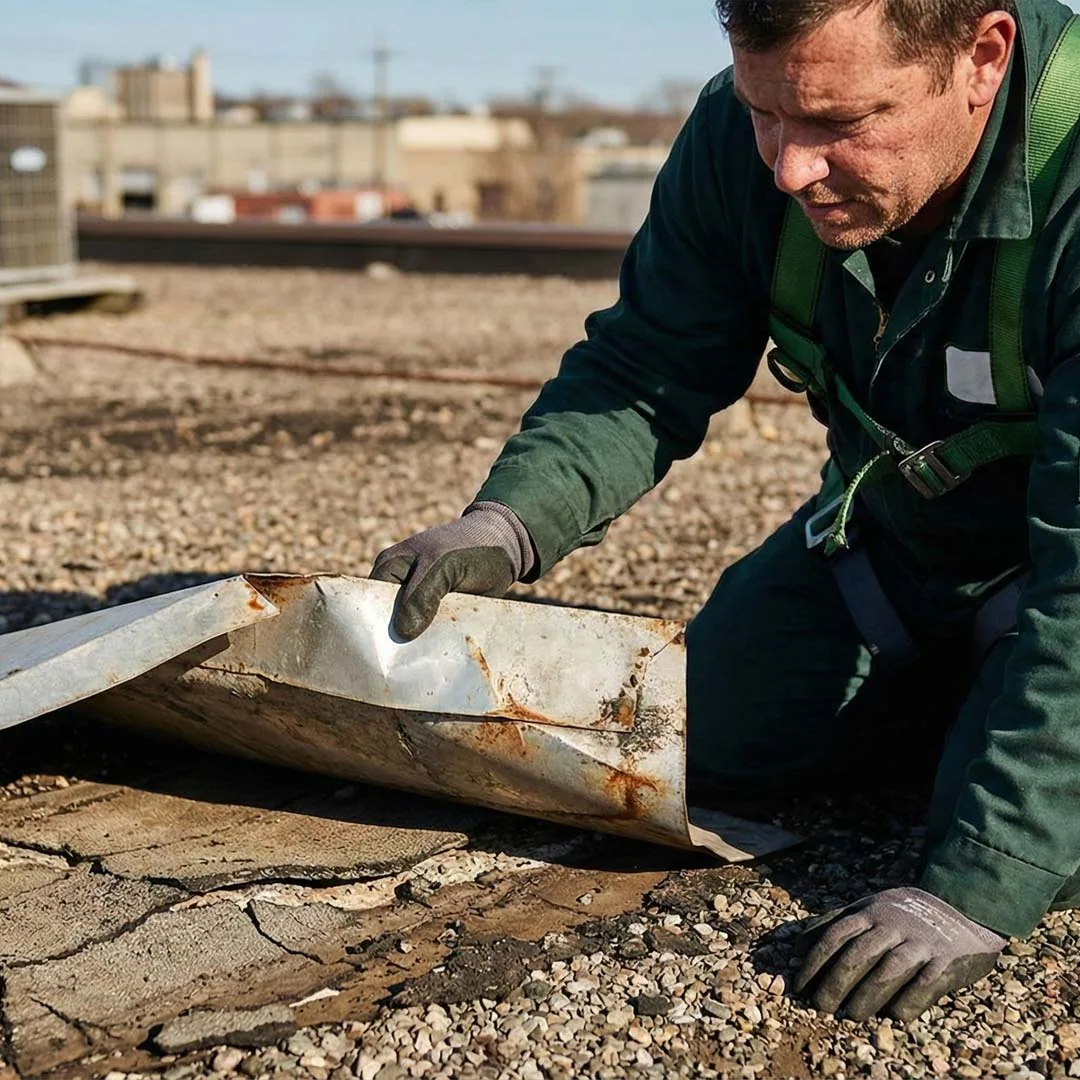
Interior water can travel under a membrane or along a deck before showing up below. We inspect the roof area above and around the reported symptom. Seams, flashing, curbs, roof edges and drains each offer a different path for water. We compare those details with the inside location and repair history, then photograph visible conditions. If the inspection cannot establish a reliable repair boundary, we state what opening or moisture testing would resolve the question.
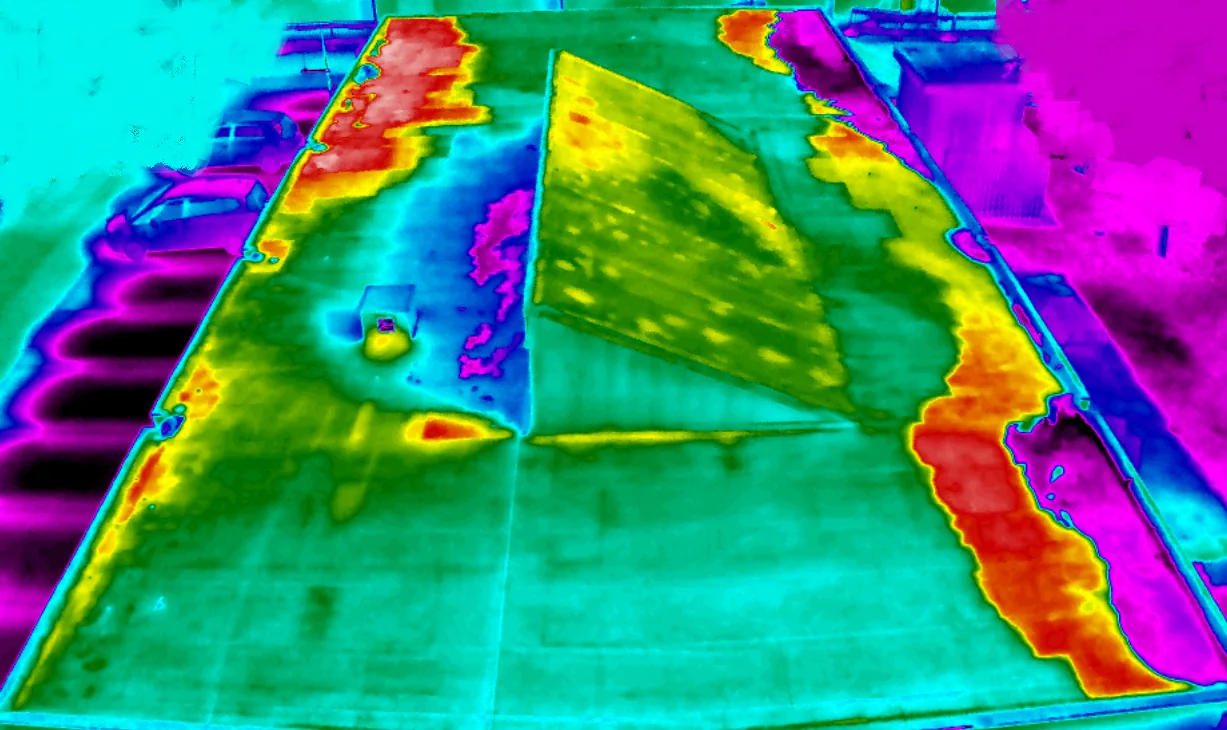
Shawnee’s commercial and industrial mix does not tell us whether a roof is metal, EPDM, TPO or another system. We identify the actual assembly before choosing materials. The scope should show how the repair meets existing membrane or metal, what substrate must be dry and stable, and how the drain path remains clear. A moisture survey may help where the wet area is not visible from the surface and its limits affect removal. Testing should answer a roof decision, not add activity without a defined purpose.
Set the removal boundary
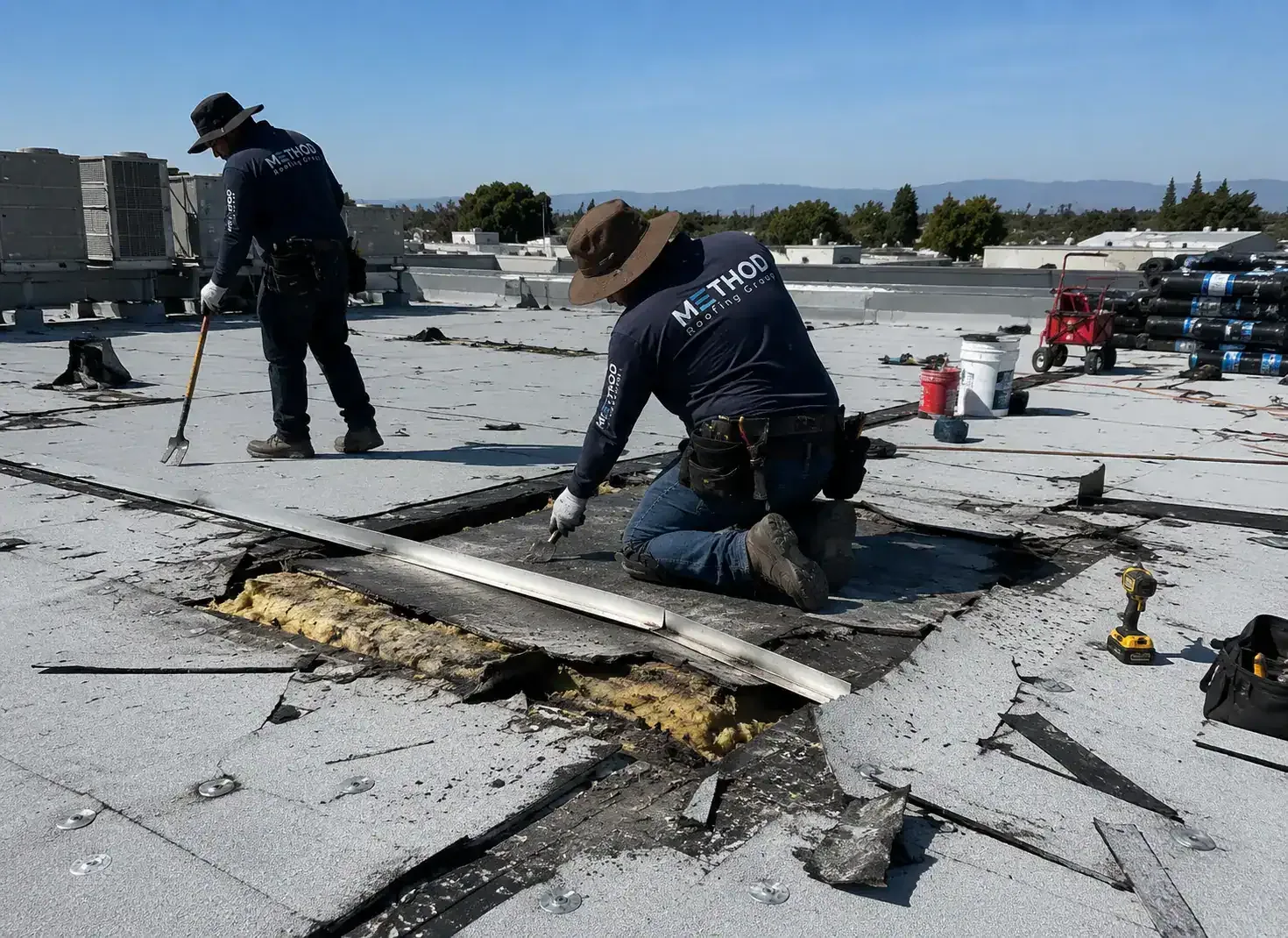
A targeted repair can work when damage is contained and the surrounding roof is sound. If water has reached insulation, the repair needs to extend to dry material. A surface patch over wet insulation will not correct the damaged layer. We identify the opening size, removal depth and tie-in approach before work starts. If concealed conditions could change the scope, the estimate explains how the manager will review those findings before more material is removed.
For a roof with recurring failures, compare the past repairs with the current defects and drainage. A repeated patch may be treating the same source without fixing a failed curb or seam. Sectional replacement can address a larger wet area; full replacement may be appropriate when deterioration is widespread. A recover needs a review of layers, moisture, attachment and drainage first. See recover assessment only after those factors are checked. We document why the recommended footprint ends where it does and what could expand it after opening.
Choose a safe work window
Seasonal scheduling has a wide range: Kansas City station normals put early January highs near 38 or 39 degrees and lows around 19 or 21, with 4.9 inches of monthly snowfall. July begins near 87 degrees for normal highs and ends near 89; its monthly precipitation normal is 4.58 inches. These are regional values, not a Shawnee property forecast. The roof work plan must still account for both temperature and the possibility of rain during a summer project.
We schedule membrane, adhesive and coating work within the selected material requirements. The crew opens only an area that can be protected and closed during the planned work window. If a storm moves in or temperatures fall outside the suitable range, the manager receives an updated schedule and closure status. Temporary protection must fit the roof detail and remain secure through the pause. The work log records what was completed, what stayed closed and which area needs attention when work resumes.
Keep condition records useful
Shawnee’s Downtown Improvement Program supports investment in downtown commercial building appearance. A roof repair should protect that investment without assuming anything about a specific building’s age or construction. We document visible roof conditions, the materials involved and the repair boundary, then identify follow-up items that belong in maintenance or capital planning. A clear record lets the property manager compare a future inspection against the same roof area.
For a claim file or post-storm review, keep roof photos, repair dates, interior observations and the inspection report together. The report separates observed conditions from the event account and does not predict an insurer’s decision. For project approvals, identify who can authorize concealed-condition work and how the crew should report it. We can also coordinate related work near Downtown Shawnee or with nearby Lenexa and Olathe properties, but each roof receives its own inspection and scope.
Move from symptom to scope
When a leak returns, start with its location, timing and any change after prior repairs. Share the roof access rules, operating hours and maintenance records before the visit. We inspect the relevant roof area, trace visible pathways and identify whether the next step is a contained repair, moisture testing or a broader review. The scope states the material, removal limit, tie-in detail and daily closure plan.
For Shawnee commercial and industrial properties, a useful inspection should make the next authorization straightforward. The manager should know what work can proceed, which operations need coordination and what condition remains uncertain. We will document the findings and discuss the work window that fits the roof and building use. Schedule the check before water reaches more interior space or a repeat patch delays a decision about the surrounding assembly.
Commercial Roofing Questions
What does a roof inspection include for a Shawnee industrial property?
We inspect the reported area, seams, penetrations, roof edges and drainage, then compare those conditions with the interior symptom and repair record. Access, equipment and work zone limits are included when they affect the scope.
Do major roads determine the crew’s access to my building?
They describe regional connections, but property access depends on site approvals, gate instructions, roof entry and staging. We confirm those requirements with the manager before setting a delivery or work date.
Can a surface patch solve a recurring leak?
Sometimes, if the defect is isolated and the surrounding assembly is dry and sound. If water reached insulation or a transition is failing, the repair must address that larger condition instead of covering only the visible opening.
What is the purpose of the Downtown Improvement Program for a roof project?
The city program supports downtown building reinvestment. For the roof, we document the condition and repair scope so the owner can plan work that protects the property. Program support does not determine the roof’s material or condition.
How will you handle a weather delay after opening the roof?
The opening limit and temporary protection are set before work starts. If weather changes, the crew closes or protects the affected area and reports what remains. We reschedule the next installation step for conditions that meet the material requirements.
Related Roofing Work
Plan the Shawnee work window
Book a Shawnee commercial roof inspection. We will trace the defect, define access and removal limits, and set daily closure steps for the property.