
Cool Roof Installation in Overland Park, KS
Home / Commercial Roofing Services / Cool Roof Installation
Get a Free Roof Assessment - Call 555-555-5555
What Property Owners Should Know
A reflective surface still needs sound insulation and a usable drain path. Include those layers and details before choosing a cool roof finish. Cool roof installation in Overland Park, KS, starts with the existing assembly and building use. We compare the surface material, attachment and thermal design together. A color change alone does not establish the performance of the whole roof or the energy use of the building beneath it.
Office and retail properties along Metcalf Avenue have different equipment loads and operating schedules. Those conditions affect roof planning as well as construction access. Regional summer heat makes surface properties a useful consideration, while cold winter weather keeps insulation and the complete assembly relevant. We inspect the roof and explain the material options without promising a fixed energy saving. A condition assessment establishes what can remain and what preparation the proposed installation requires.
Evaluate the complete thermal assembly
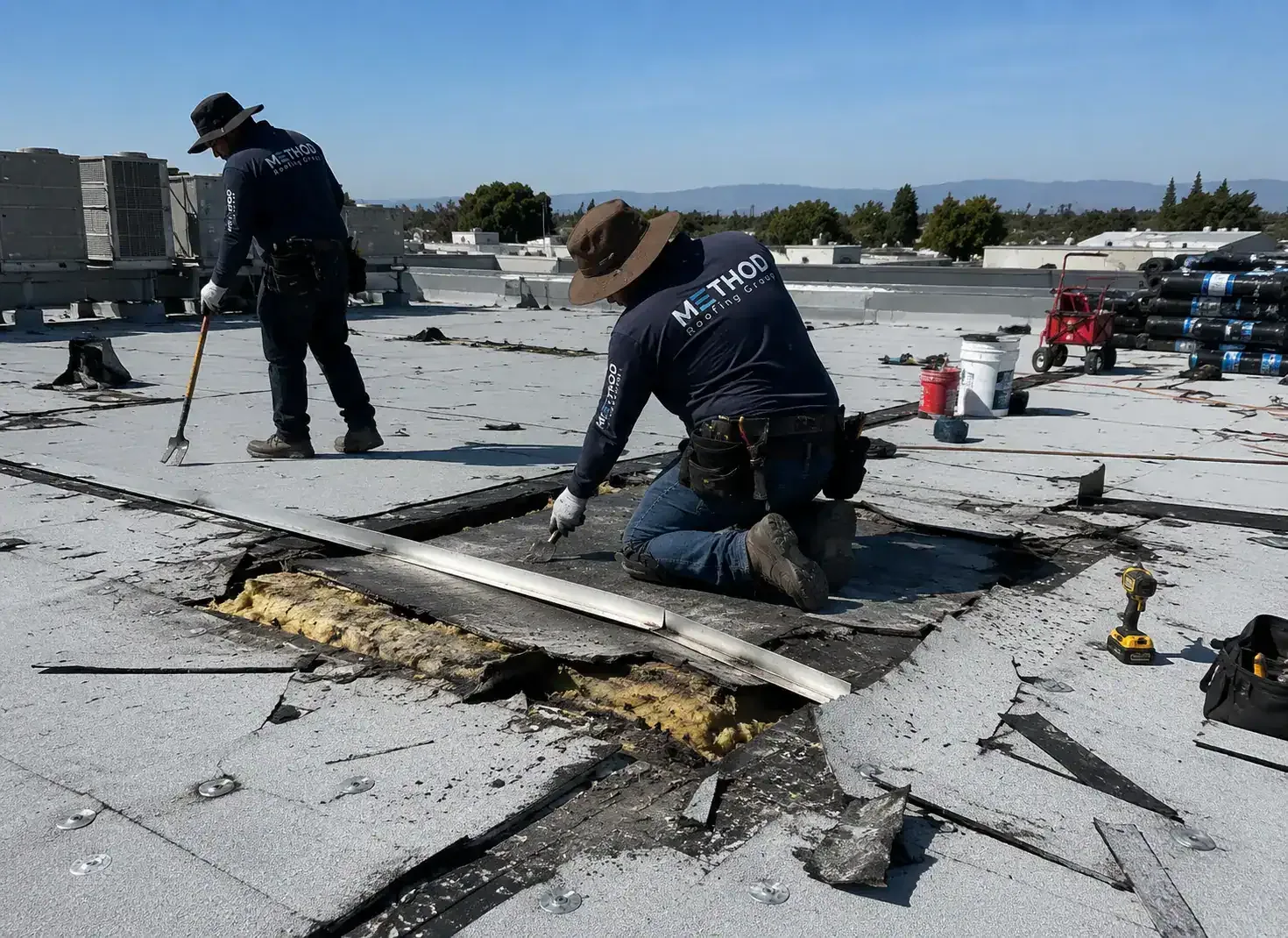
Insulation condition affects the roof beyond its visible finish. Wet or damaged layers need investigation before a new surface is installed. We inspect accessible components and review existing records. Authorized testing may be appropriate where the concealed construction changes the scope. A reflective membrane cannot restore insulation that has lost its useful condition beneath it.
The city has locally amended 2024 building and energy codes. We review the applicable requirements for the proposed project rather than make a blanket statement that a particular color meets every condition. The assembly may need changes in insulation, details or attachment. The design and building use determine what must be addressed. Those requirements should be identified before material choices are compared.
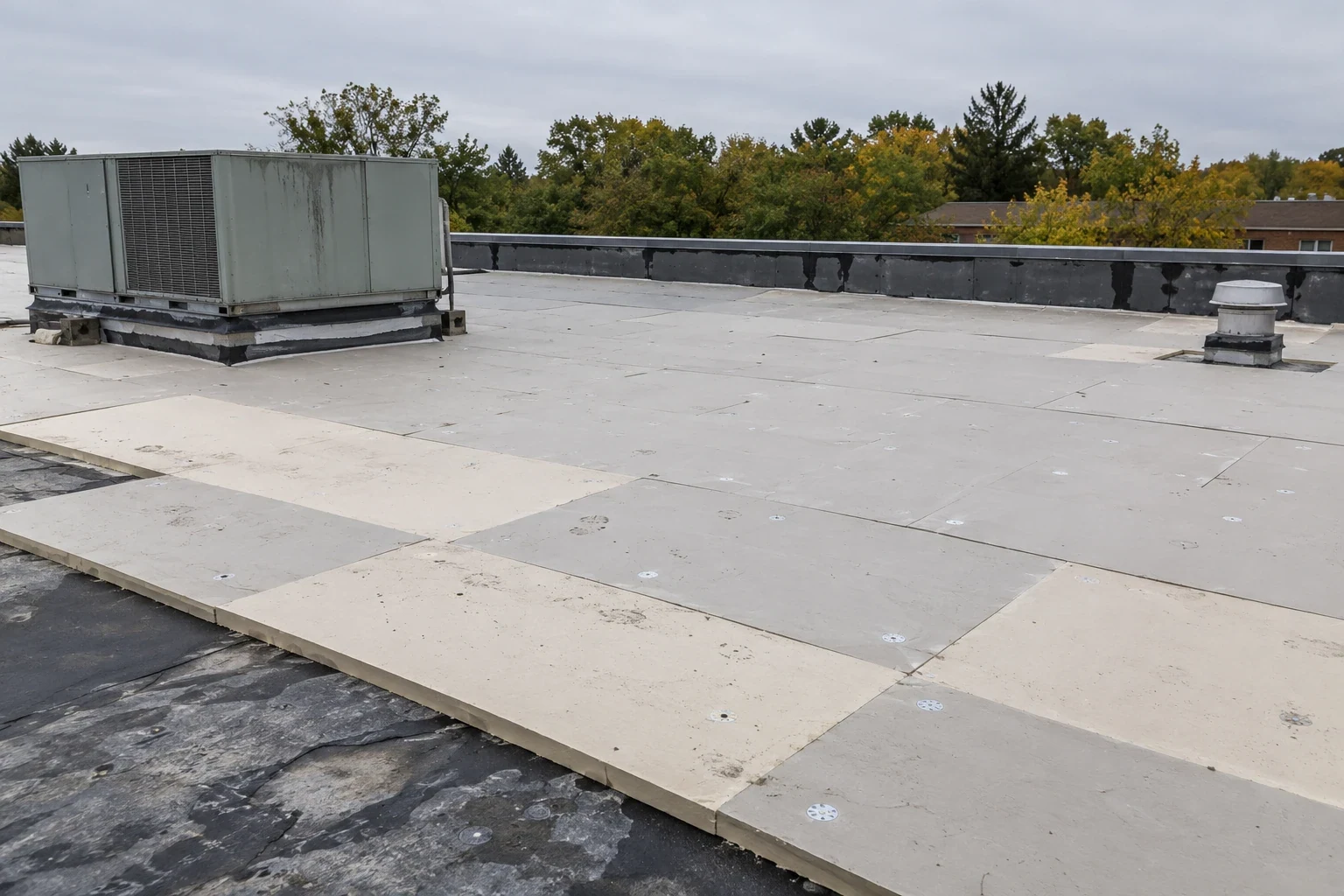
For insulation and surface preparation, we describe the supporting layers and their role in the complete roof. A proposal naming only a reflective finish does not yet establish that assembly. We explain what is retained, what is removed and how the new material connects at equipment, drains and walls. That lets the manager compare construction scopes on a common basis without assuming that the visible surface is the only component affecting the thermal result.
Compare membrane and coating options
A new reflective membrane and a coating restoration are different approaches. A membrane installation needs a suitable attachment and substrate. A coating needs an existing roof that qualifies for the proposed preparation and treatment. We inspect the material condition before recommending either option. The finished appearance should not decide whether wet layers or failed details remain underneath.
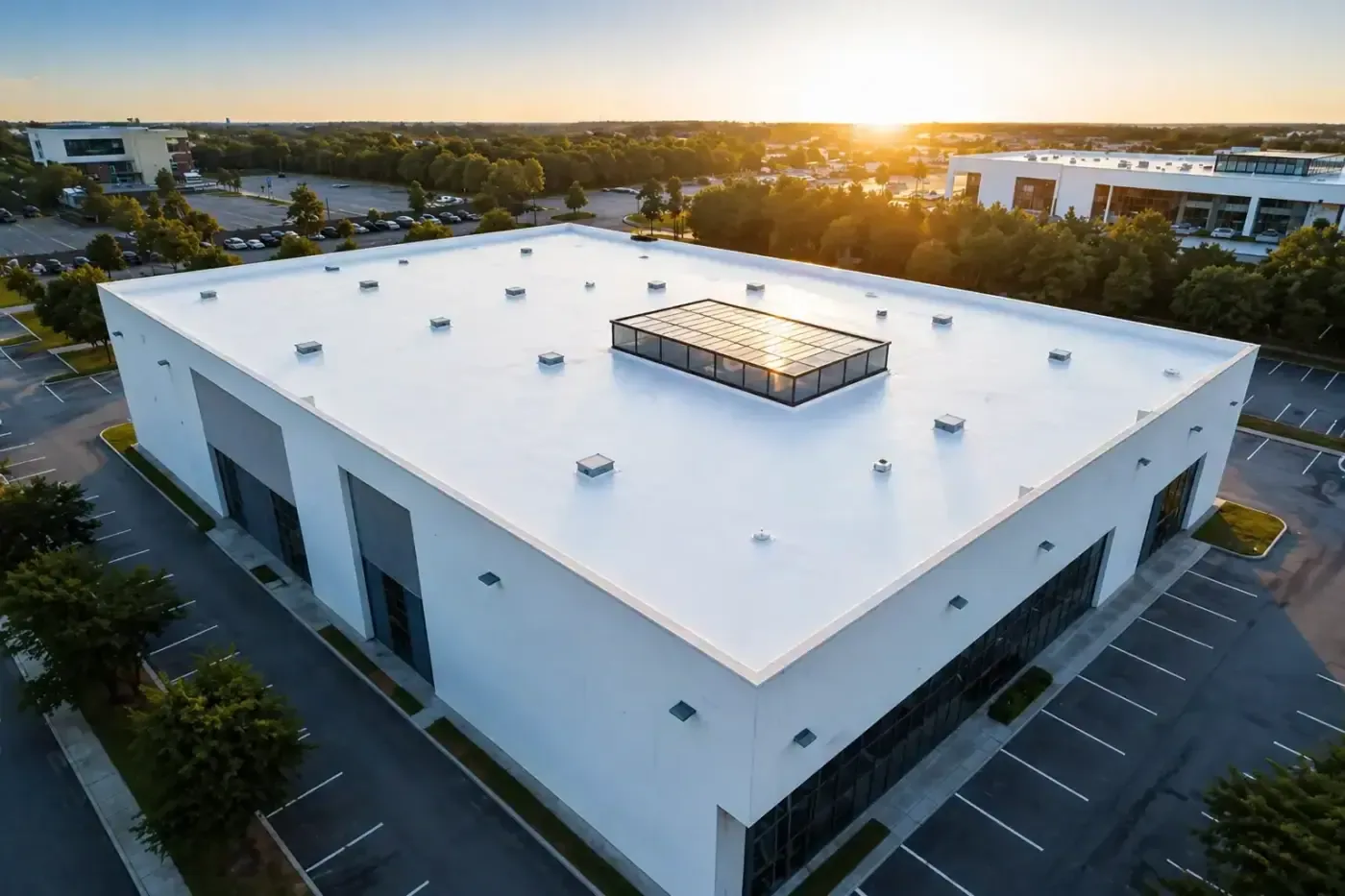
TPO roofing and PVC roofing can provide reflective surface options with different material and accessory requirements. We compare them against the project conditions and the existing assembly. Chemical exposure, service traffic and compatibility at repairs or transitions can affect the choice. The selected system needs a complete installation method, not just a sheet color.
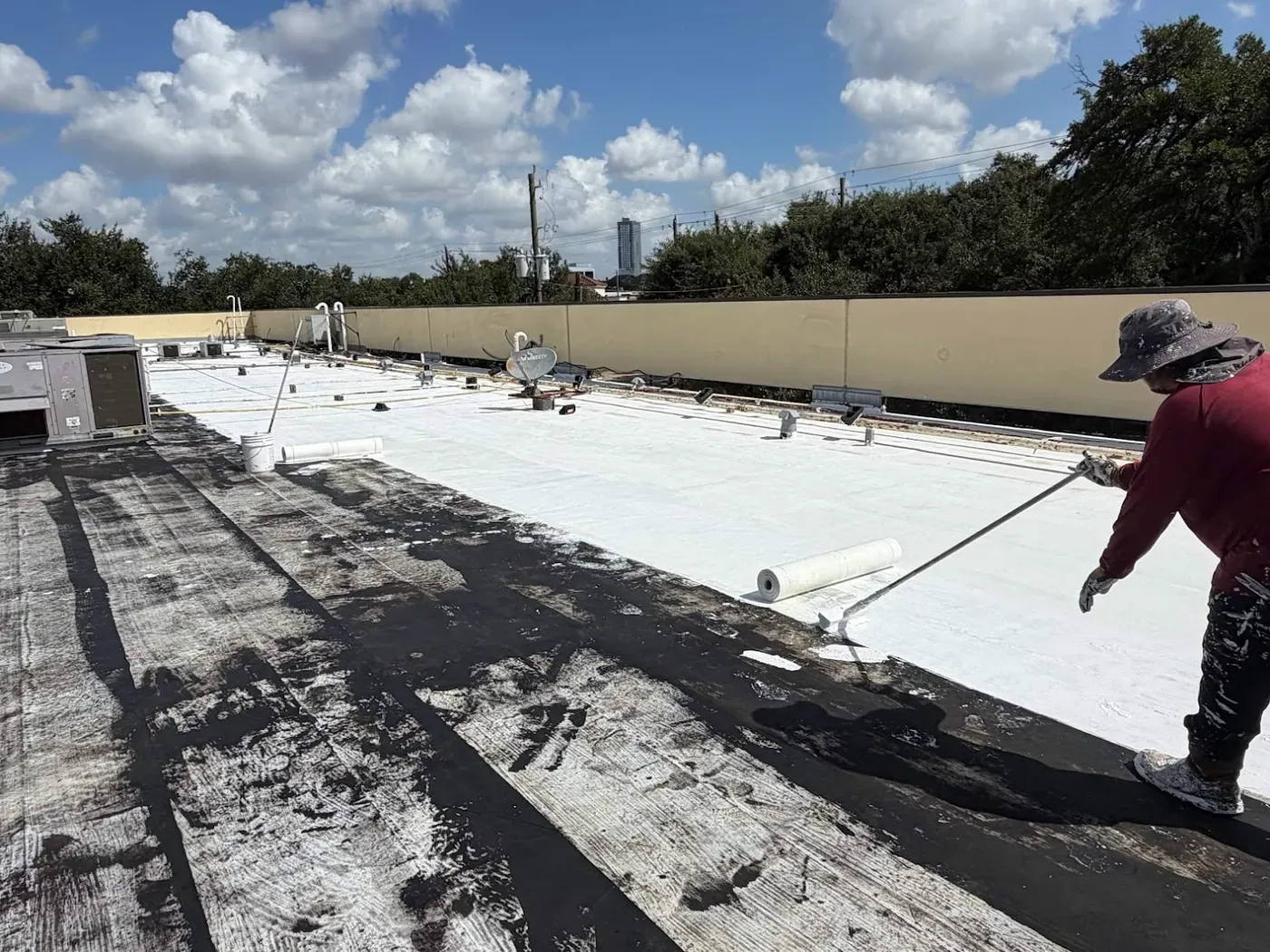
A reflective coating restoration may suit a qualifying roof after necessary repairs and preparation. Product properties, thickness and application requirements should be checked for the chosen system. We explain how those requirements affect the scope and schedule. Any project-specific energy analysis belongs with the building and design information needed to support it. We do not convert a material property into an unsupported percentage saving for a property we have only inspected for roofing work.
Keep drainage and curb heights workable
Adding insulation or cover board changes the finished roof elevation. A fixed drain can become lower relative to the raised field, requiring a suitable sump approach and connection. Existing curbs may lose exposed flashing height. We review those relationships before the assembly is installed. A surface selected for thermal properties still needs reliable waterproofing details.
Secondary drainage must retain the intended clearance and route. Added layers beneath a fixed overflow can change that relationship. We inspect the accessible arrangement and identify adjustments needed for the project. Another trade or design review may be required where drain bodies, equipment or structure are altered. Those responsibilities should be part of the scope rather than left to an installer facing an unresolved detail.
Equipment service routes need suitable protection after installation. Tools and loose metal can damage a new membrane regardless of its reflectance. We discuss traffic paths and access to units with the manager. The completed roof should remain usable for maintenance without making flashing or drain transitions the default walking route. Keeping those conditions in the design helps preserve the assembly chosen instead of treating future equipment work as unrelated to the roofing decision.
Schedule installation for the building use
A roof over an occupied office needs a controlled opening sequence. We review work hours, sensitive rooms and equipment restrictions before removing material. Noise, deliveries and temporary exposure can affect different occupants in different ways. The daily closing method should match the assembly and actual forecast.
Regional July normal daytime temperatures reach the upper eighties. January has much colder temperatures and average snowfall. Those regional patterns affect material handling and construction planning. Application still follows the chosen product requirements and the conditions at the roof. A cool-roof designation does not make adhesives, coatings or temporary protection independent of weather.
The Metcalf Avenue commercial corridor includes retail and corporate office activity. At a particular building there, we settle the access route and staging area before mobilization. Existing layers, wet-area removal and curb adjustments can change cost as much as the surface material. We identify those drivers so the estimate covers the actual work. Comparing complete scopes helps the manager avoid selecting a finish before learning the preparation needed to support it.
Preserve the selected surface
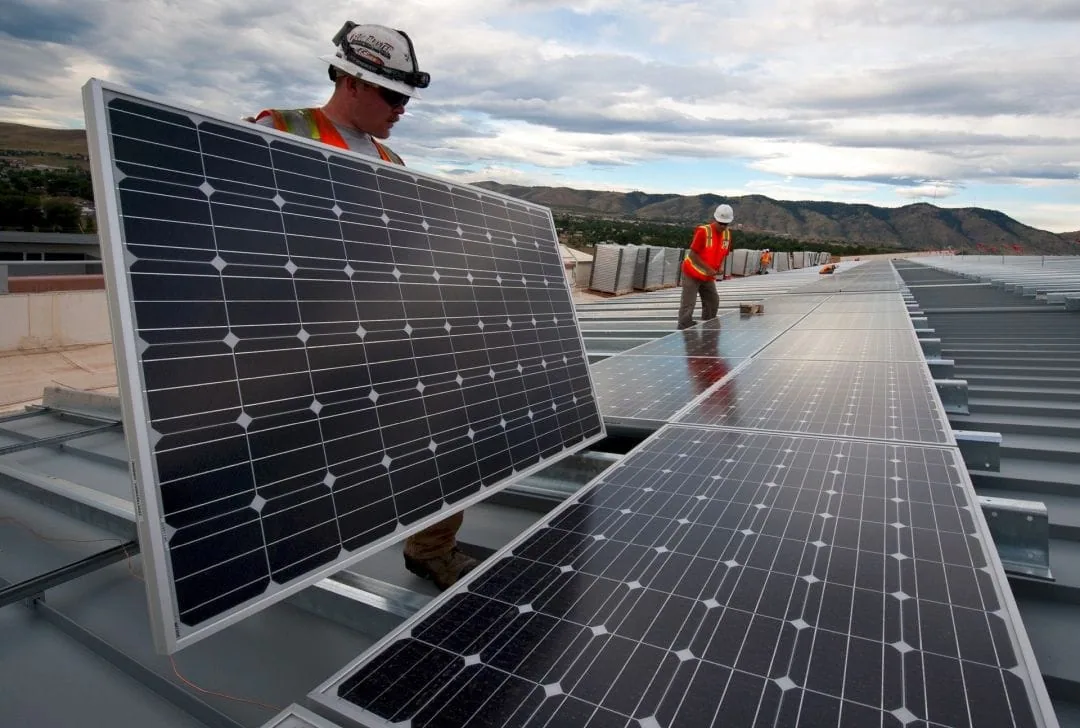
Dirt, debris and later repairs can change a roof surface over time. Maintenance should follow the selected system requirements rather than use an aggressive cleaning method without checking compatibility. We identify suitable access and maintenance needs in the closing information. The roof record should include the installed materials and the details needed for later repairs. New equipment or a solar installation can add different demands on access and surface protection. Review those changes against the completed assembly before placing supports or cutting penetrations. We can inspect the affected roof interface and identify compatible work so the new finish is not damaged by an alteration planned without the roofing detail.
A finished inspection reviews the membrane or coating, its transitions and the drain path. Product documents and any issued coverage terms should match the assembly installed. Arrange the cool-roof assessment with roof records and the building operating restrictions. We will compare suitable surfaces within a complete roof scope and identify any design information needed for a more specific thermal performance decision.
Commercial Roofing Questions
How can we assess the likely effect on utility use?
Building operation, insulation and mechanical systems affect energy use. We explain roofing material properties and the complete assembly. A project-specific performance claim needs appropriate building information and analysis.
Can a dark roof be coated instead of removed?
The existing assembly must qualify for compatible restoration. Moisture, attachment and failed details need checking. We compare required preparation with the alternatives before recommending a surface treatment.
Does a cool surface replace insulation?
Reflective surface properties and insulation serve different roles. The proposed assembly needs evaluation against applicable requirements and building conditions. Wet or inadequate layers do not become suitable because the finish changes.
How should future patches be selected?
Use materials and methods compatible with the installed system. Keep the roof documents available for later service. We inspect the repair area and identify the connection needed rather than choose a patch by color alone.
Related Roofing Work
Set the work limits
Schedule a cool-roof assessment with the existing assembly information. We will compare surface choices, supporting layers and the required detail changes.