Versico Commercial Roofing Systems in Overland Park, KS
Home / Roofing Manufacturers / Versico Commercial Roofing Systems
Get a Free Roof Assessment - Call 555-555-5555
What Property Owners Should Know
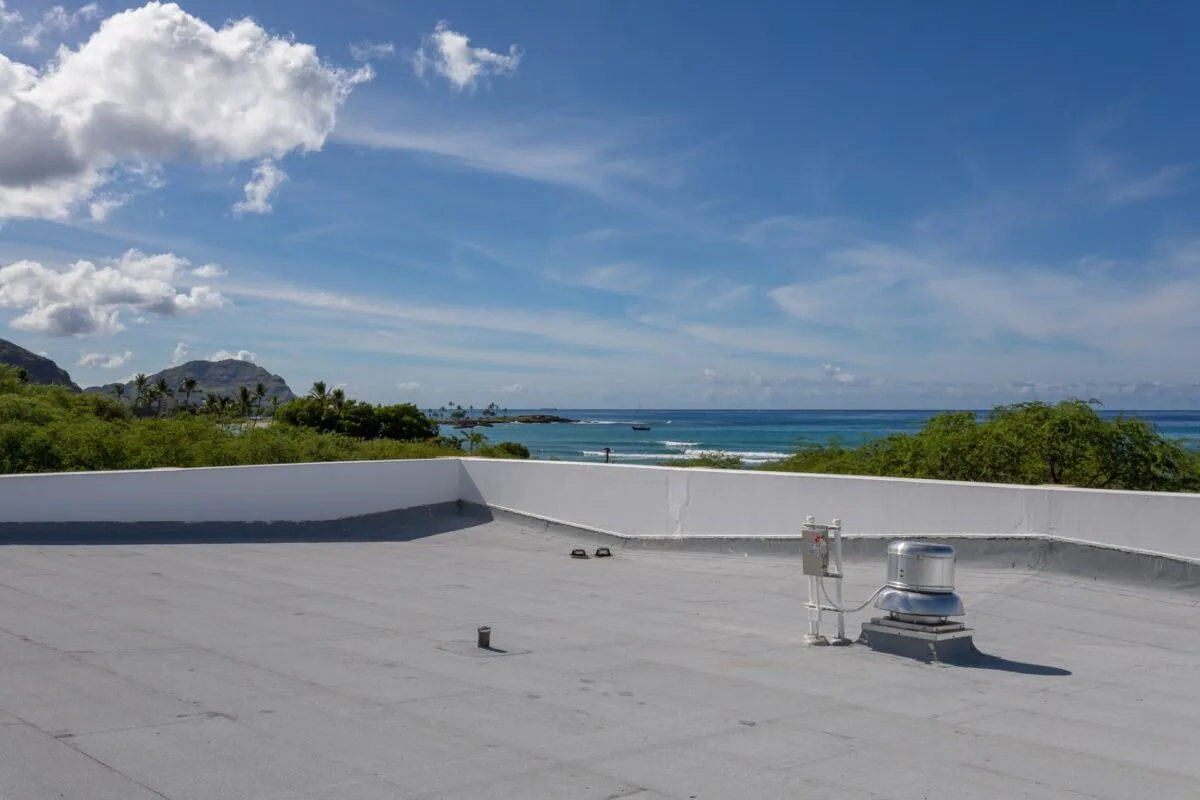
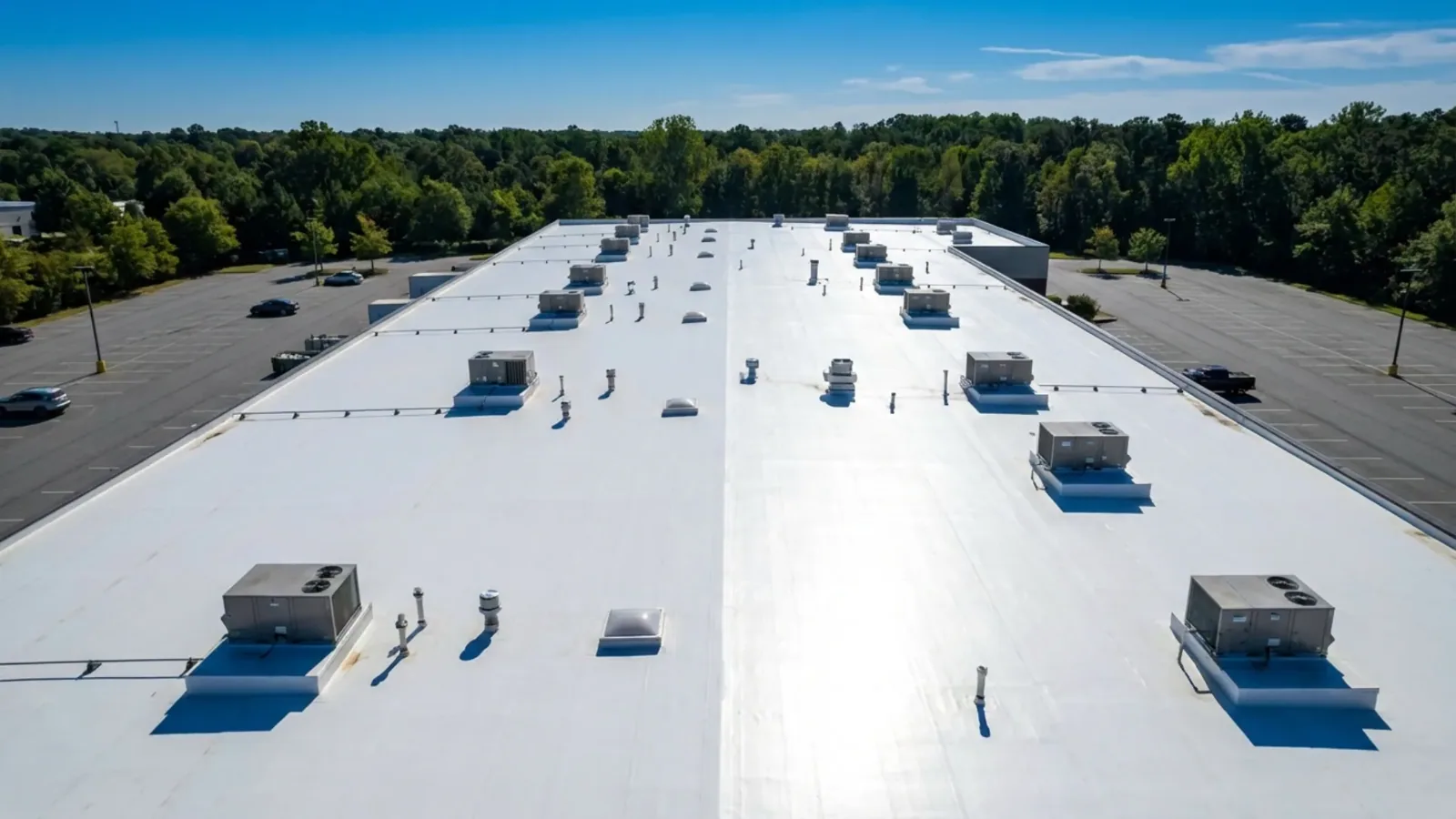
A production schedule sets the roof work window before a membrane choice is made. For an Overland Park, KS property, we first identify the existing assembly, deck, insulation and access limits, then compare a Versico system against those conditions. Versico offers TPO, PVC and EPDM membranes, but a product name does not settle attachment, flashing or drainage details. Those decisions belong in the project scope before material arrives.
The Kansas City NWS January climatology lists average monthly snowfall of 4.9 inches. That is a regional station figure, not a measurement for a particular Overland Park roof. It points to a practical inspection question: do drains and overflow paths remain clear after winter weather, and does the roof record show prior ponding or ice exposure? The crew checks those details at the building before recommending a repair. An inspection of the commercial roof records the current layers and the details that control the next work sequence.
Compare the membrane to the roof conditions
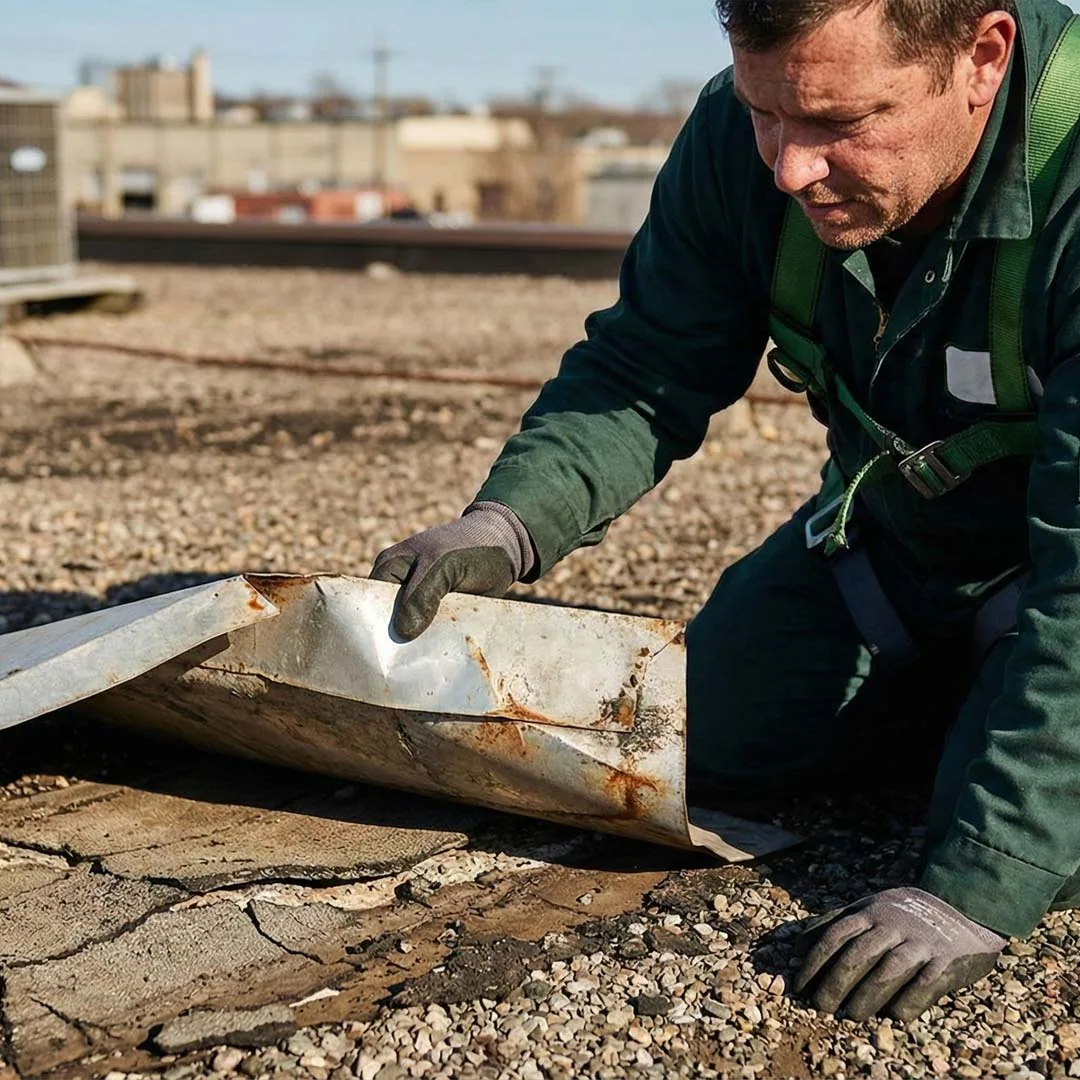
Versico's VersiWeld line is a thermoplastic polyolefin membrane, VersiFlex is its PVC line, and VersiGard is its EPDM line. TPO and PVC seams are heat welded; EPDM uses a different seam and accessory approach. We confirm the existing membrane before discussing a tie-in or repair because two dark or light sheets can look alike from the roof hatch and still require different preparation. A sample, manufacturer marking or focused opening can help identify the assembly when records are incomplete.
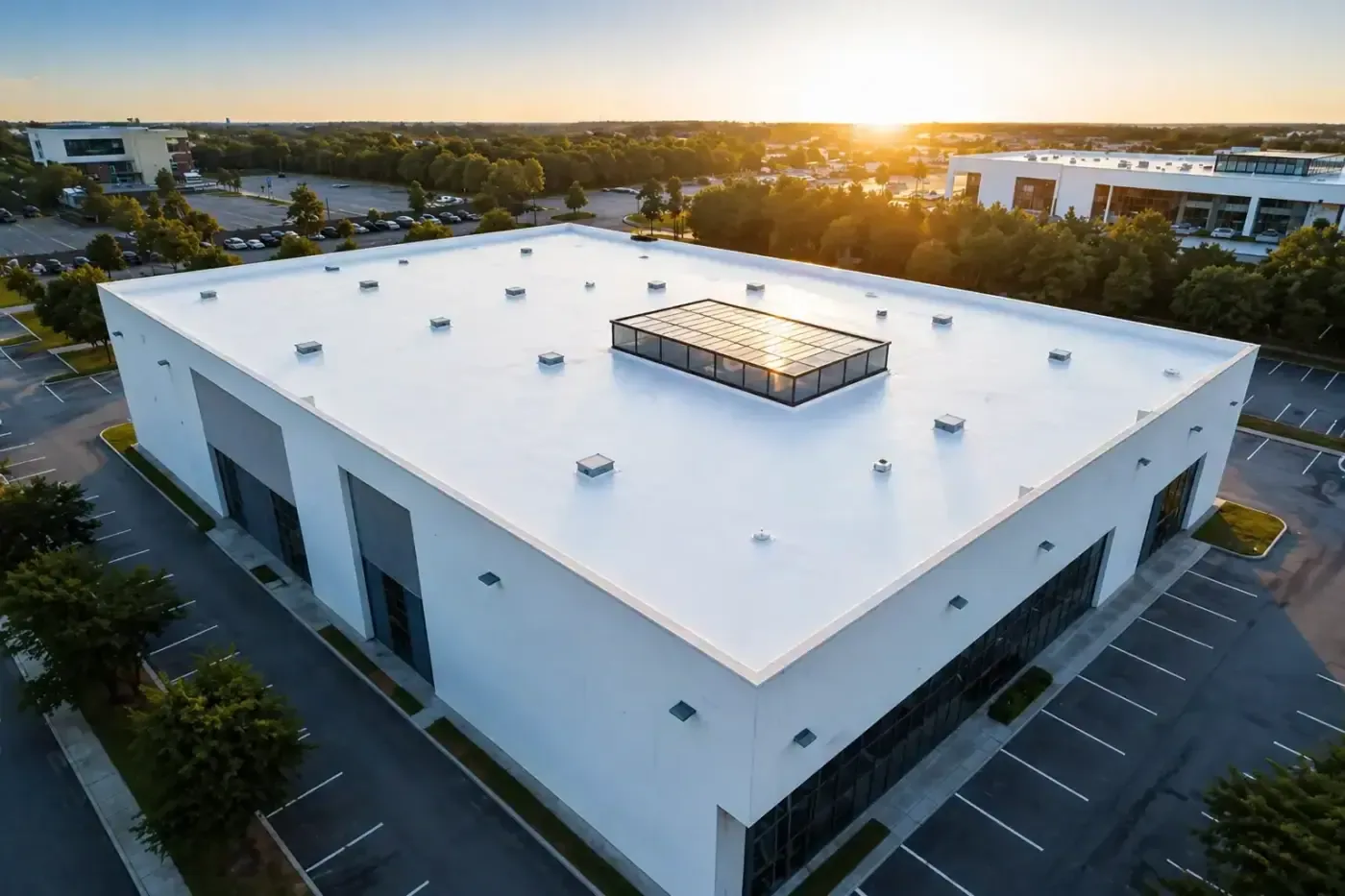
PVC is often considered where exposure to grease or chemicals is part of the building use, while TPO can suit a project where heat-welded seams and a reflective surface fit the specification. EPDM remains a separate option with its own adhesives, tapes and flashing details. Those are starting points, not an automatic recommendation. A TPO roof assembly or PVC membrane system still needs compatible insulation, attachment and perimeter design. The manager gets a comparison tied to the deck, use and opening limit, not a brand preference.
Test the seam and its surrounding details
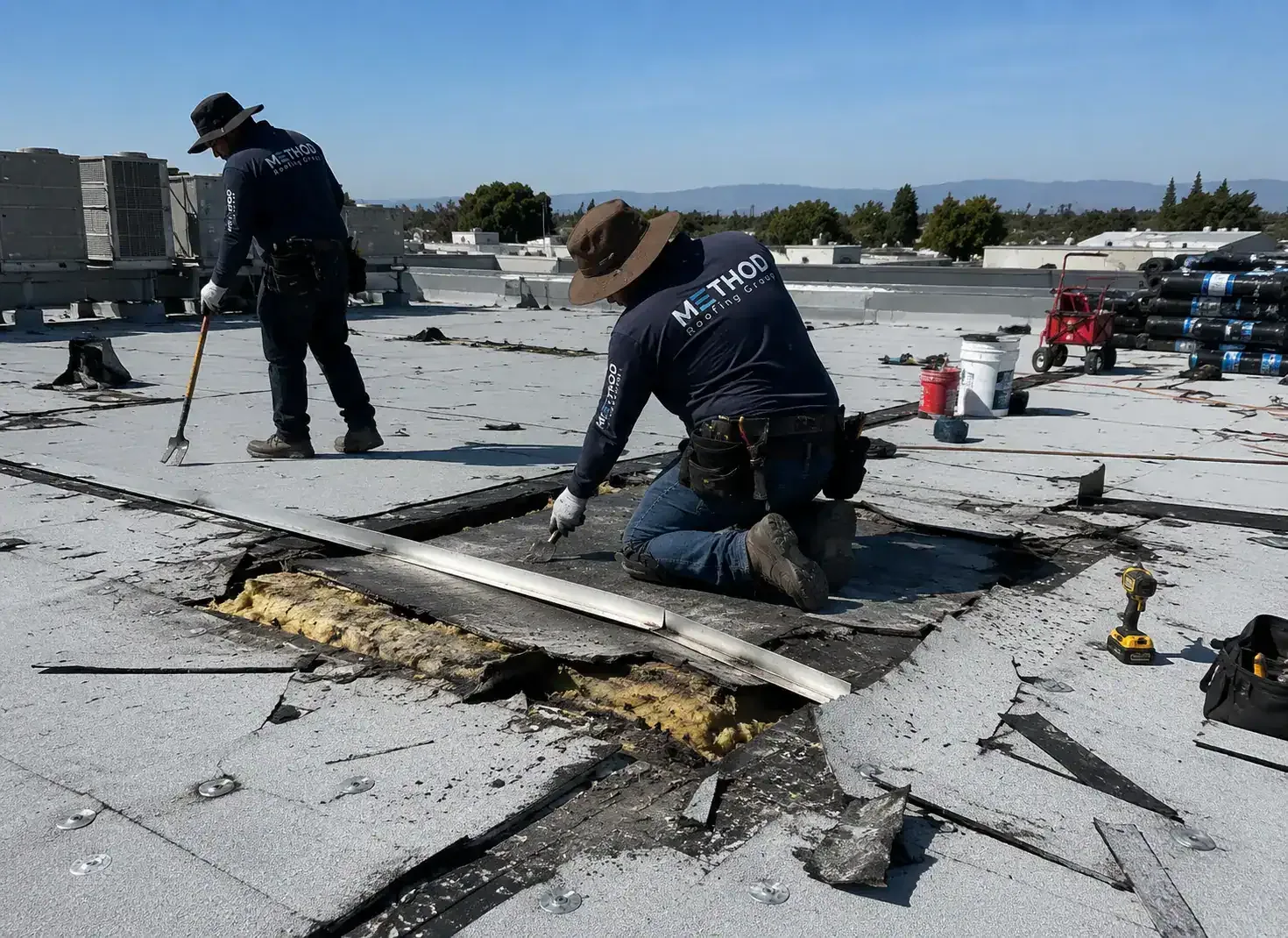
A heat-welded seam needs clean, dry contact and the right tool settings for the membrane and field conditions. We inspect trial welds, probe completed laps after they cool, and note fishmouths, skips or areas where contamination interrupts the bond. A probe mark is not the whole report. The location, length, adjacent sheet condition and nearby attachment determine whether the repair can stop at the lap or must reach a larger area.
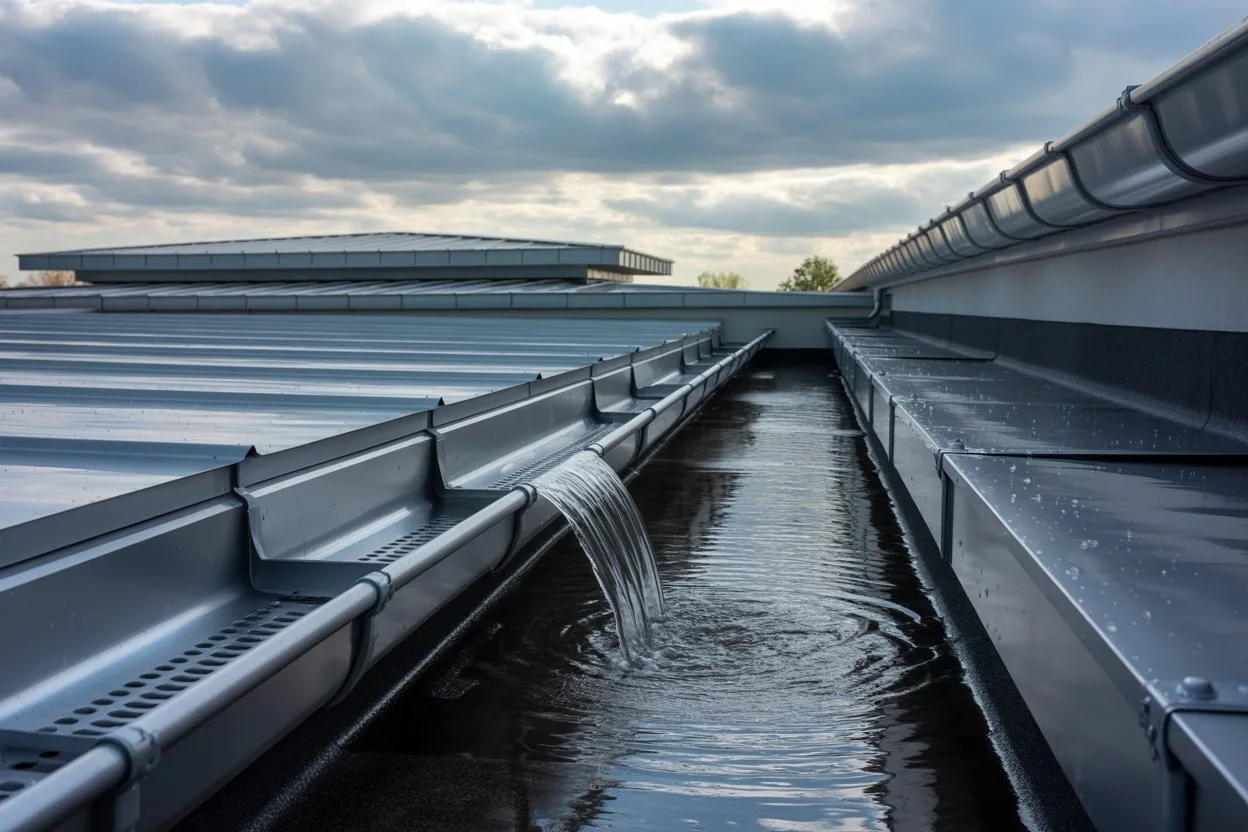
At a curb, penetration or drain, the field sheet meets a different geometry and often another material. The accessory must be compatible with the membrane, and the transition must shed water without leaving a pocket at the corner. We inspect the curb height, termination, counterflashing and route water follows toward the drain. A drain and scupper review helps separate a clogged outlet from a membrane defect. Photographs with roof-plan locations make the repair footprint usable for maintenance, budget review and future leak calls.
Set attachment and insulation before installation
Membrane selection is only one layer of the assembly. Deck type, insulation condition, cover board, fastener pullout, perimeter pressures and the specified attachment method all affect the design. A mechanically attached sheet, adhered field or induction-welded configuration has different material and installation requirements. We document what is exposed and compare it with the project documents before a recover is considered. If wet insulation or deteriorated attachment extends beyond a small repair, covering it can preserve the problem under new material.
The city 79th Street corridor study covers a 2.5-mile area between Lamar Avenue and Frontage Road, including Downtown, Metcalf Avenue and Antioch Road. This district context does not identify a roof or customer site. Managers still need a property-specific access map, work window and protection plan before the first section is opened. That event is regional context, not a condition report for a particular property. We inspect perimeter securement, edge metal and membrane transitions at the building, then set the material and closure sequence around the conditions actually documented. EPDM may enter the comparison where the existing deck and details support its different sheet and seam approach. The scope states which layers stay, which are removed and where an opening must be protected before the shift ends.
Plan the work window around active space
Roof access can cross loading areas, office entries, patient-facing space or tenant routes even when the work remains above the ceiling. We confirm roof hatch access, material staging, crane needs, exhaust locations and hours when noise or odor would interrupt an operation. The Chamber's recent awards report documents banking offices and engineering office space along College Boulevard. That district context can help a property team think through access and business continuity, but it does not tell us how a specific building is occupied or what its roof contains.
We agree on the opening limit, identify interior areas that need protection, and close each section before moving equipment or leaving for the day. A phased reroof for an occupied building can reduce the area exposed at once when the assembly and schedule support that method. We also record temporary conditions that remain and who will monitor them. For a separate asset in Downtown Overland Park, the project gets its own access map and daily closure plan rather than inheriting another property's work limits.
Keep repair limits and warranty records clear
A Versico name on a roof does not establish whether an existing warranty remains active or what work it permits. We review available documents, system markings and prior repair records, then identify the party that must confirm a warranty question before work changes the assembly. We do not promise a warranty term or approval. The owner can compare a localized repair, a recover and a full removal when the inspection establishes which layers are dry, secure and compatible with the proposed method.
For a repair, we clean and prepare the affected area according to the actual membrane, rebuild the seam or flashing, and inspect the completed boundary. For a replacement, the written scope identifies removal depth, substrate corrections, attachment and edge details. A roof coating restoration assessment belongs in the comparison only when the existing assembly and surface can accept that system. A second manufacturer perspective can help a specifier compare a SOPREMA multi-ply or liquid-applied system with Versico's membrane options. The same review can include a Carlisle SynTec roof assembly when the project specification calls for another manufacturer. The decision record should keep confirmed conditions separate from items that still require an opening.
Commercial Roofing Questions
How do you choose among Versico TPO, PVC and EPDM?
We start with the existing assembly, roof use, deck, attachment and detail conditions. PVC may fit a documented grease or chemical exposure, while TPO or EPDM may suit a different specification. The inspection has to confirm compatibility before the product is selected.
What should an owner check at a Versico heat-welded seam?
Look for a continuous lap with no skips, contamination, fishmouths or open edges. We probe the cooled weld, map any interruption, and inspect nearby sheet attachment and flashing before defining how far the repair should extend.
Can a Versico roof be recovered instead of removed?
A recover is considered only after the deck, attachment, moisture, loading and drainage are reviewed. Wet layers or weak securement may require removal or localized correction before another system can be installed.
How do roof crews protect an occupied Overland Park building?
We confirm access and operating hours, mark the daily opening limit, protect interior areas, and close the work section before the shift ends. The manager receives a record of completed areas and any temporary condition that remains.
What belongs in a Versico repair record?
Keep the roof location, membrane identification, photos, preparation method, repaired details and any remaining concern together. If warranty documents apply, preserve them and confirm the permitted repair path before changing the assembly.
Related Roofing Work
Schedule the system check
Set a roof inspection to identify the membrane, confirm access and map the opening limit before comparing Versico repair or replacement options.