
Commercial Roofing in Leawood, KS
Home / Service Areas / Leawood
Get a Free Roof Assessment - Call 555-555-5555
What Property Owners Should Know
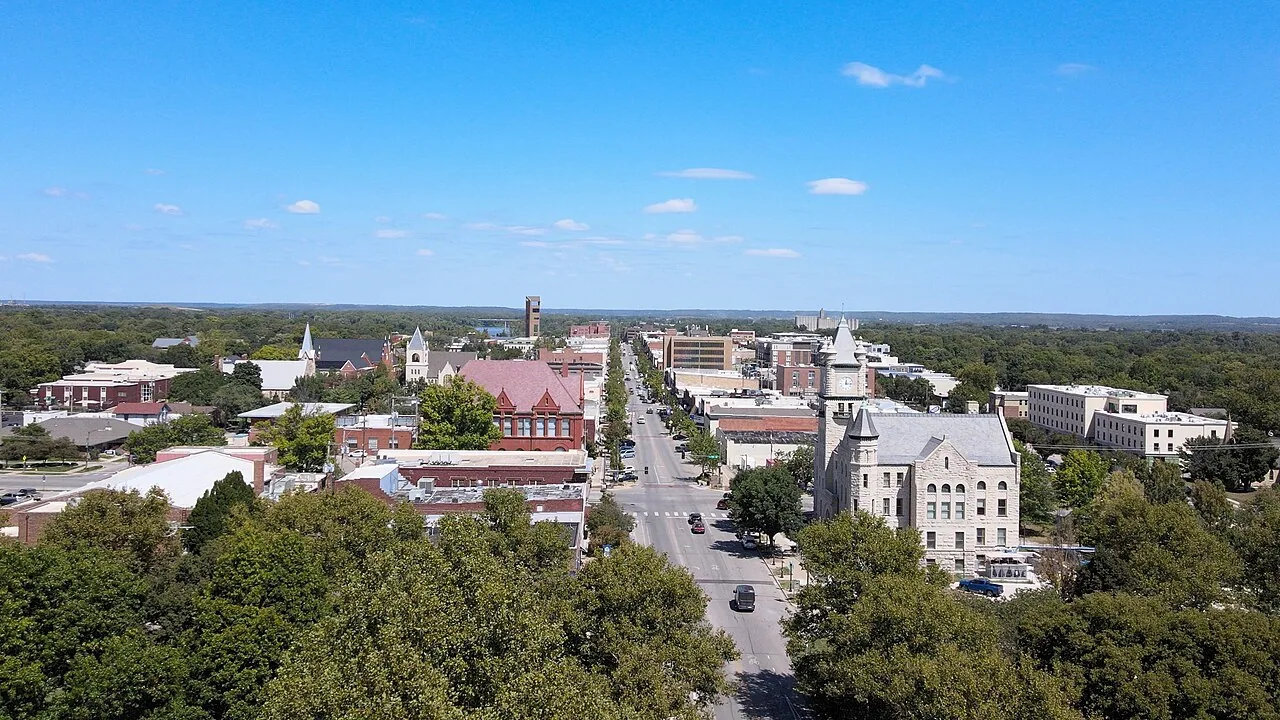
Retail, office and hospitality space has to keep its access and daily closeout clear while roof work is underway. In Leawood, KS, a mixed-use development near College Boulevard and State Line Road began construction in May 2026, with corporate offices, housing, retail and hospitality uses in its plan. That is a project context, not a statement about any completed roof. We inspect each property on its own: roof access, drains, seams, penetrations, insulation and the occupied space below. The manager receives a map, photos and a repair footprint before the crew opens material. If a leak is active, our emergency response is available around the clock, weekends and holidays included. The first decision is what the assembly can support, not which system name sounds familiar.
Set the access plan by property
College Boulevard and State Line Road define the location of the mixed-use construction described by Leawood. The city also identifies the area's visibility along I-435. Those references do not establish how any one property handles deliveries or roof access. We confirm the loading area, lift position, work hours and tenant routes with the manager before mobilization. A roof map keeps drains, equipment and openings tied to the address being inspected, rather than copied from a nearby development plan.
Portfolio managers may coordinate work across Leawood and nearby Overland Park. A College and Metcalf district property can have different access and tenant constraints than a Leawood asset. We record those conditions separately. The commercial roof inspection checks seams, penetrations, edge metal and drainage, then identifies areas that need a closer look. If moisture is suspected, a marked test location helps establish removal depth before a larger estimate is prepared.
Identify the roof before choosing a repair
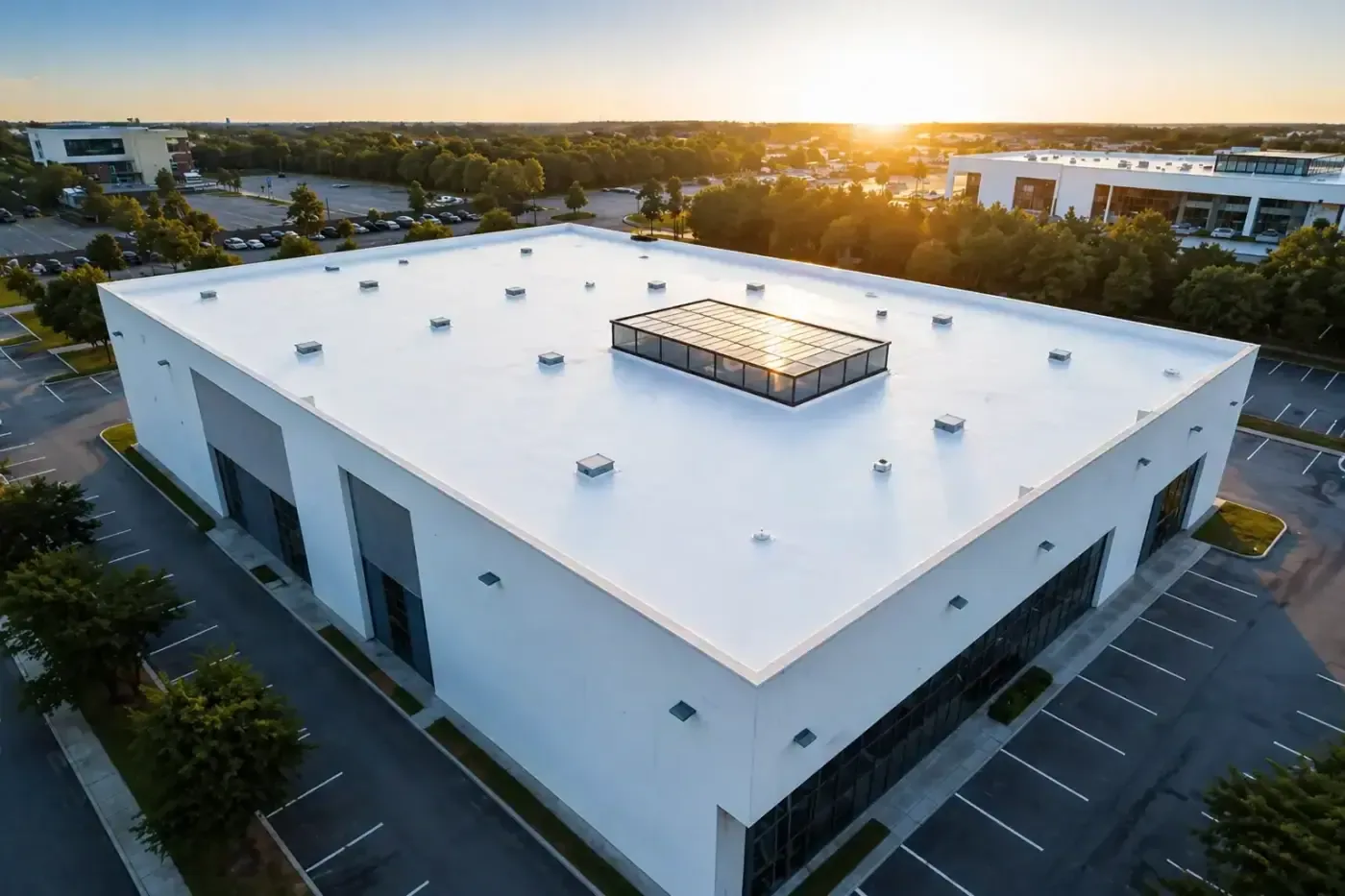
A multi-use building can have several roof conditions even when the exterior reads as one property. Changes in deck, insulation, curb height and drainage affect how a repair ties in. We locate each membrane transition, check the seam method and inspect flashing at equipment and walls. A coating or recover only makes sense when the existing material is sound enough to receive it. Wet insulation, loose attachment or a deteriorated deck changes the removal plan, and those findings belong in the scope before price is compared.
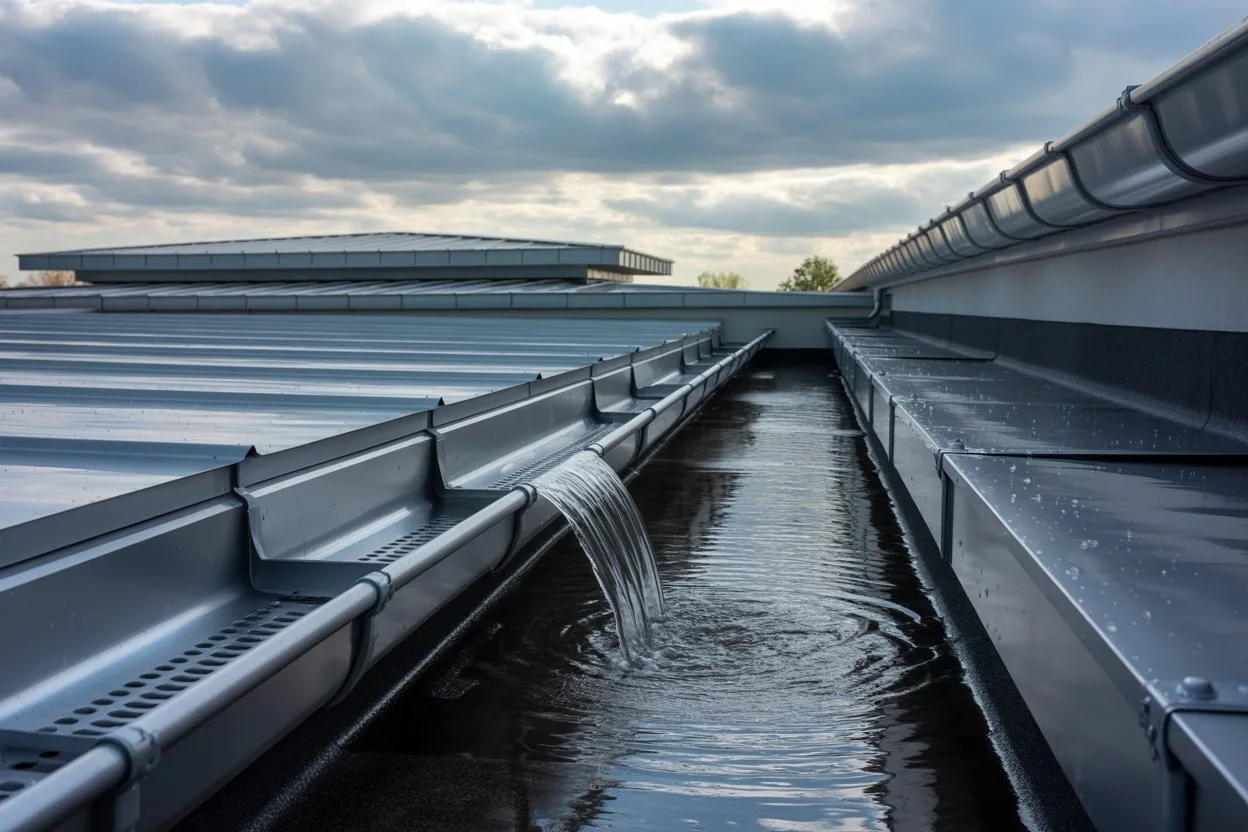
We start with visual inspection and moisture mapping, then make a selective opening when the records and surface conditions do not settle the assembly. A drain and scupper check follows the water path from the field to the outlet. That matters where different roof levels discharge to one lower area. If the system is TPO, the TPO assembly has welded seams and detail requirements that must match the installed membrane. The report names what is observed and what remains unconfirmed, so the repair boundary has a reason.
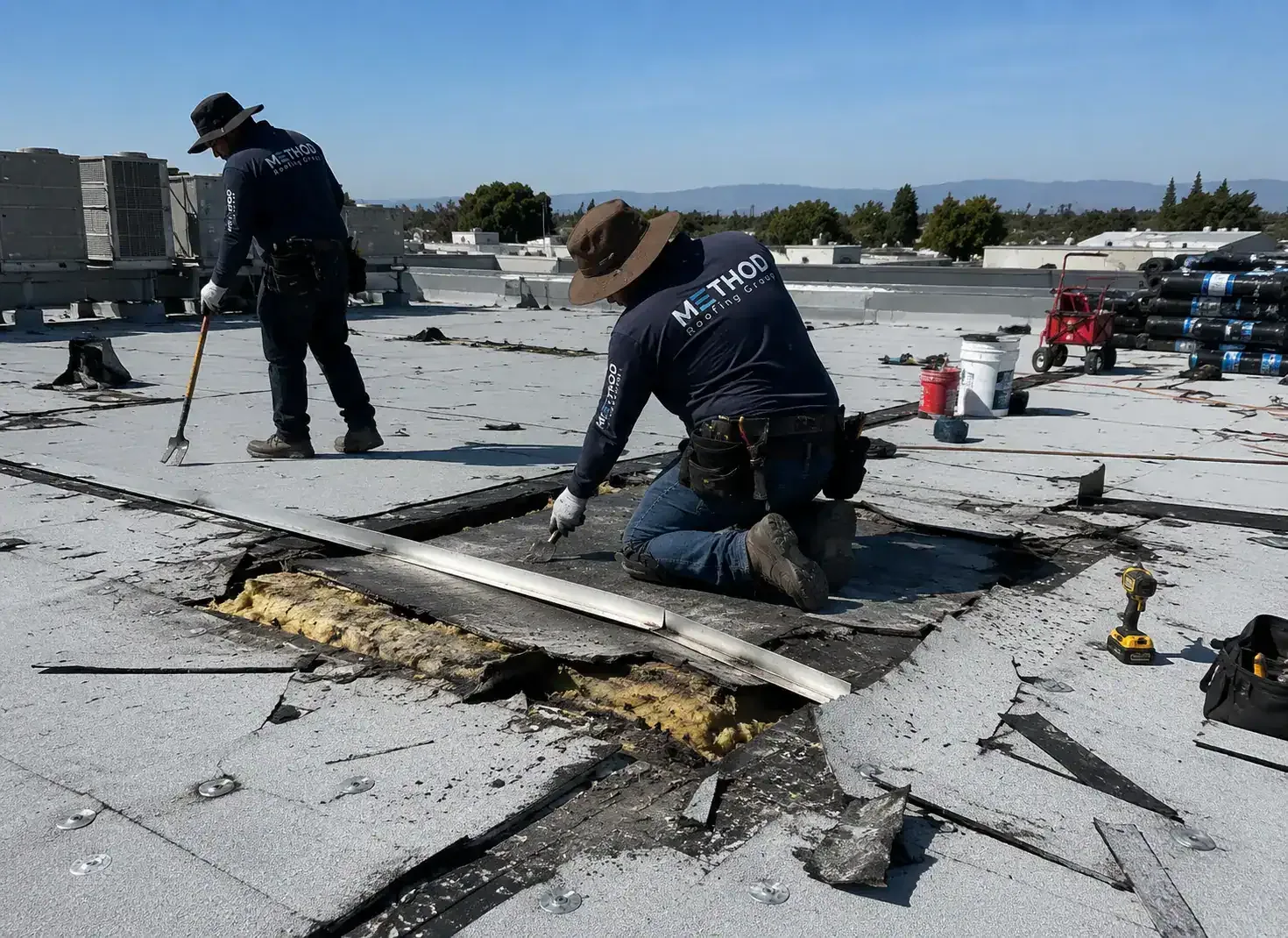
We also check how the membrane meets rooftop units, pipe supports, skylights and wall transitions. A small split at a curb may be repairable when surrounding material is dry and bonded. A recurring leak near the same detail can point to movement, incompatible sealant or a failed termination. We note the fastening or adhesive method when it can be confirmed and record any area that needs a test opening. That gives the owner a clear choice between a repair that addresses the defect and a larger scope supported by evidence.
Use storm records without guessing
A May 21, 2000 hailstorm crossed Leawood, Merriam and Overland Park, with hail reaching 1.5 inches in the Johnson County event. That record supplies regional context after a storm. It does not confirm damage on a Leawood roof or establish an insurance outcome. We inspect membrane surfaces, seams, edge metal, skylights and equipment for conditions that can be photographed and located. The hail damage repair inspection ties each observed mark to the roof plan and separates impact from wear, open seams or previous repairs.
Regional Kansas City winter conditions include average monthly January snowfall of 4.9 inches. That is regional context, not a measurement of a Leawood roof. We check whether drains remain open, water can leave low areas and temporary tie-ins can be protected during the chosen work window. Weather affects application and daily closure, but a product cannot be selected from a climate average alone. The installed assembly and actual conditions govern that call.
Compare repair and replacement boundaries
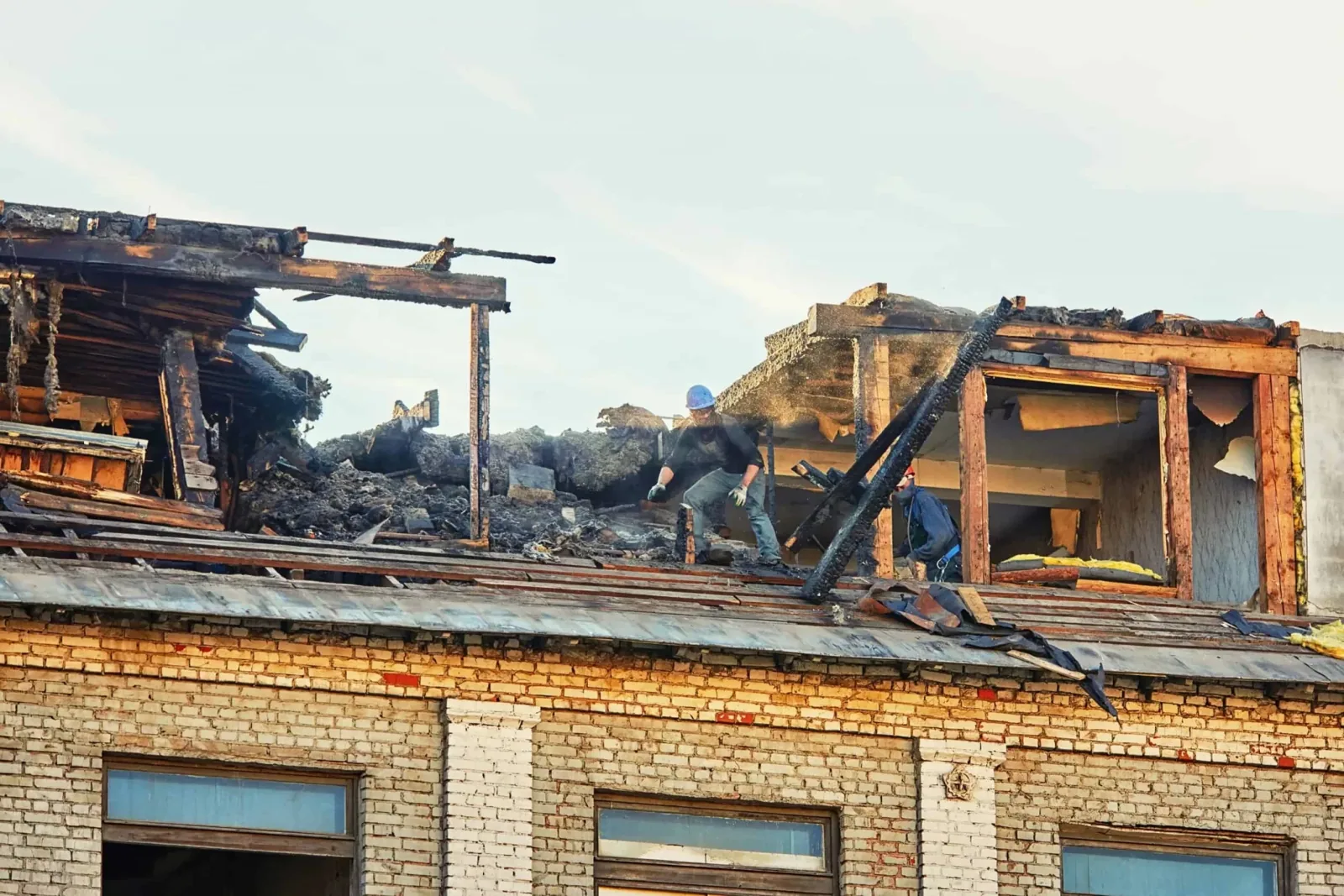
A localized seam failure may need a compatible repair and a check of adjacent attachment. A wet area that extends below the visible mark may require removal to dry material. We document the boundary, insulation condition, deck and edge details before comparing repair, recover and replacement. The estimate identifies disposal, cover board, flashing, equipment curbs, protection and occupied-area coordination as separate work items. Those are the drivers of cost and timing; the address alone does not set a price.
Our commercial roof repair scope sets out the observed defect and tested limit. If the surrounding assembly is sound, that may be enough. A broader replacement plan defines removal depth and how temporary protection closes at each shift. A phased reroof sequence can keep more of the building protected during work when the assembly and schedule allow it. We do not treat construction plans for one development as a roof survey for another property.
Coordinate the shift and daily closure
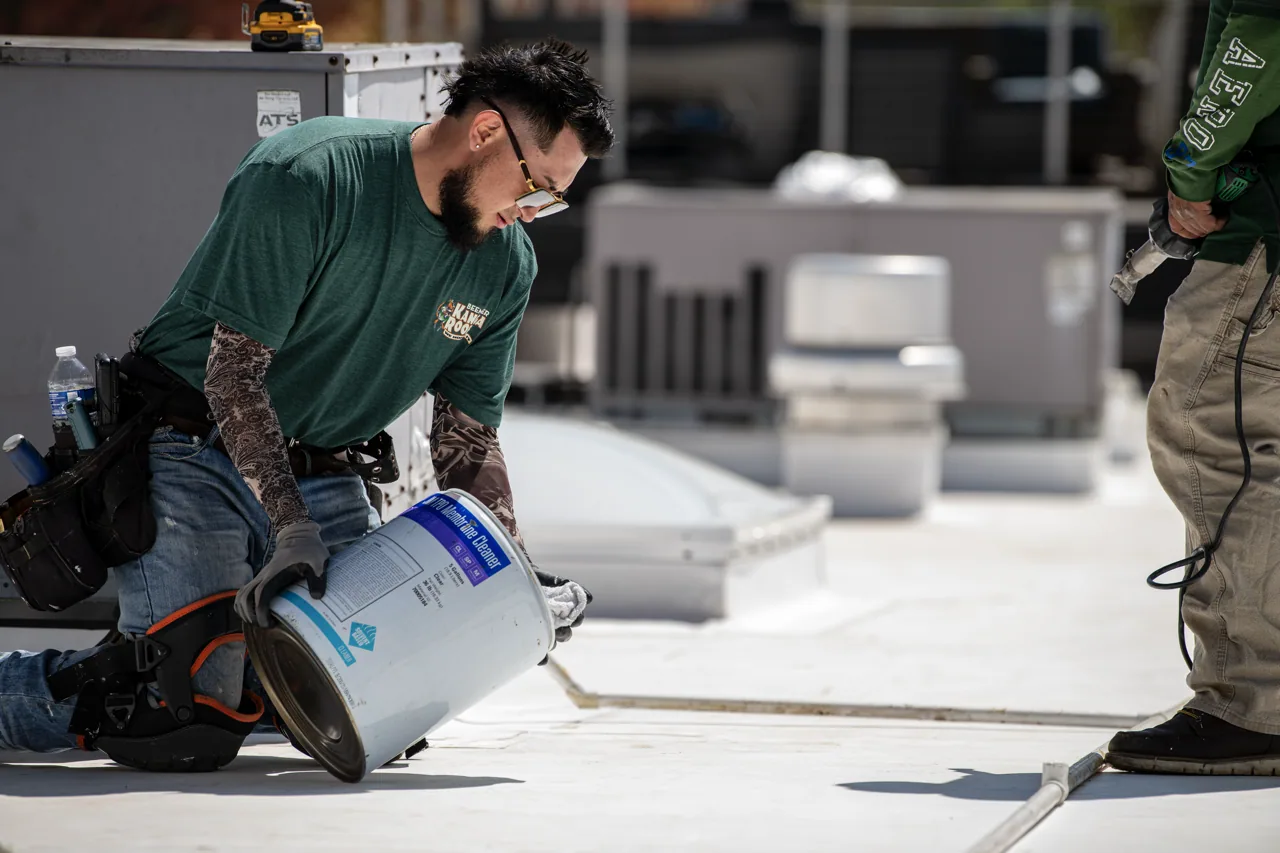
Before opening a section, we agree on roof access, lift placement, material staging and any area below that needs protection. The opening limit matches the forecast, crew size and repair detail. At the end of the work window, the crew checks seams, temporary tie-ins, drains and edges, then reports what is closed and what remains under temporary protection. A manager should know which space may be noisy, where deliveries may pause and who receives the closeout photos.
For retail and office operations, the access plan should identify active entries and service routes before equipment is moved. If the property has hospitality or housing use, the manager can identify the hours when noise, odor or access changes matter most. We plan the sequence with those conditions in view, then record any change before the next area opens. A separate asset in Merriam receives its own roof map and work limits, even when the portfolio team coordinates both schedules. A Leawood inspection gives the owner a documented basis to set the work window and choose a repair footprint.
Commercial Roofing Questions
Does the new mixed-use construction set the roof standard for nearby Leawood properties?
No. The plan describes a development mix, not a roof assembly or condition at another address. We inspect the property in scope and document its deck, membrane, drainage and access.
What should we review after hail in Leawood?
We inspect the membrane, seams, flashings, edges and equipment, then photograph each observed condition. The 2000 regional hail record is context, not proof that a specific roof was damaged.
Can you price a repair before opening the roof?
We can identify visible conditions and likely options first. If wet insulation or hidden attachment affects the boundary, a selective opening may be needed to define removal depth and material quantities.
How do you plan work across several occupied uses?
The manager identifies access, protected interior areas, noisy periods and deliveries. We set an opening limit and daily closure around those constraints, then keep each property record separate.
What changes the cost of a commercial reroof?
Removal depth, insulation, cover board, deck repair, edge details, equipment flashing, disposal and work hours all affect scope. We document those conditions so options can be compared on the same basis.
Related Roofing Work
Document the roof before setting scope
Schedule a Leawood inspection. We will map the conditions, agree on access and give you a repair boundary and work window to review.