Commercial Roofing for Insurance Restoration in Overland Park, KS
Home / Industries We Serve / Commercial Roofing for Insurance Restoration
Get a Free Roof Assessment - Call 555-555-5555
What Property Owners Should Know
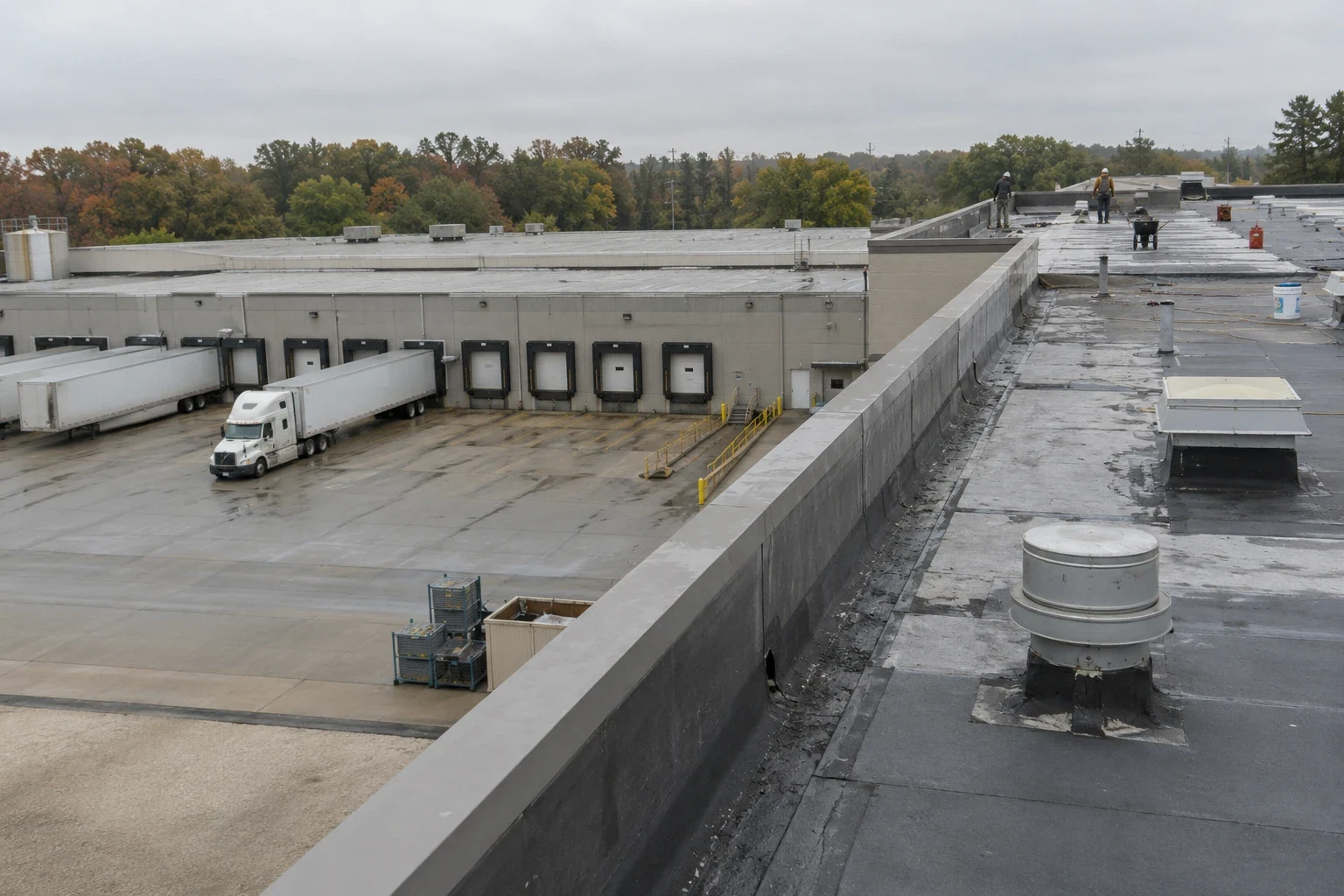
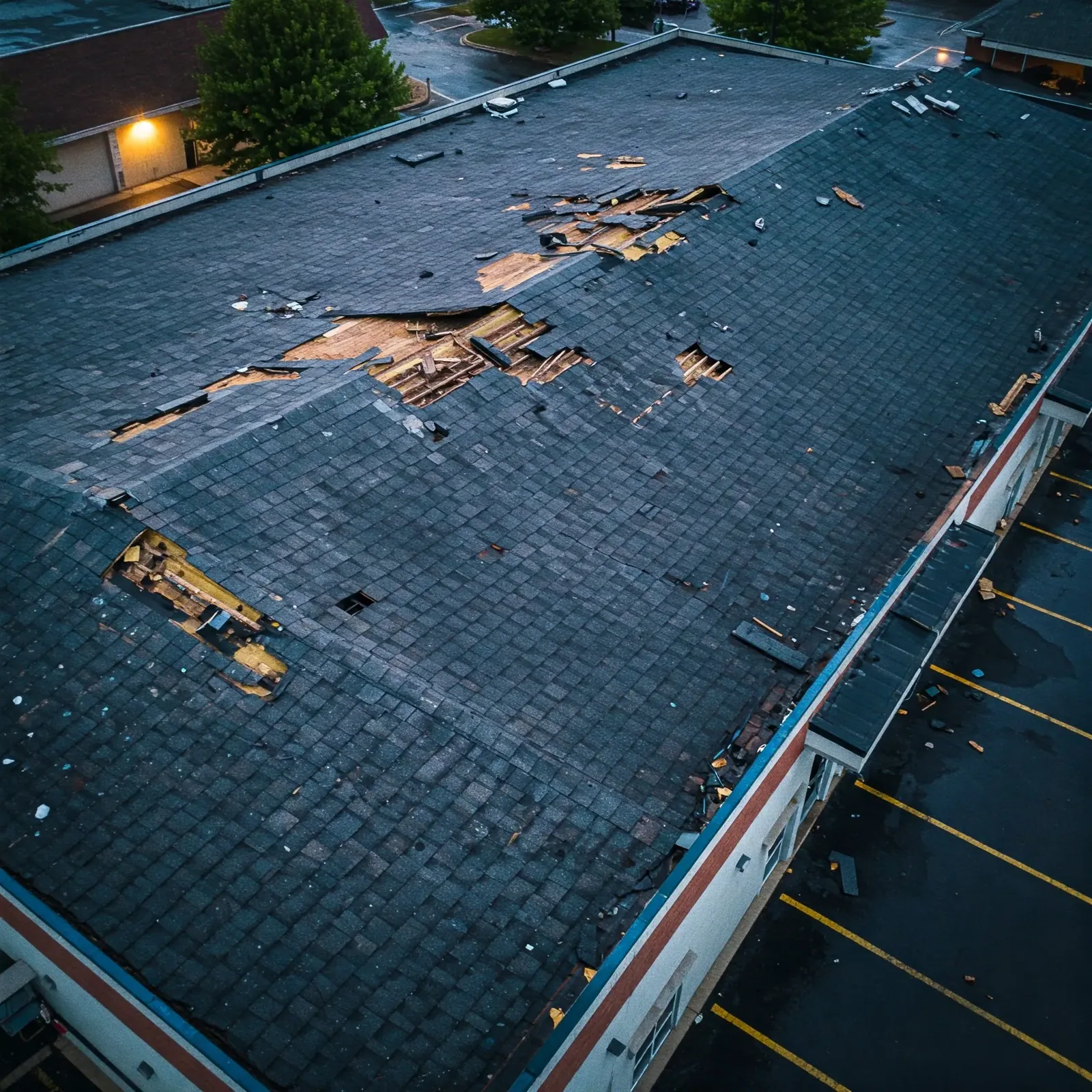
A storm report calls for a roof examination and a safe first step. In Overland Park, KS, we document the affected interior area, inspect the roof details above it and separate temporary protection from permanent repair. Photographs show the membrane, edge metal, flashing and any opening that can be seen. We record the date and location, then state what the inspection supports and what remains unknown. That gives the property owner a clear condition record without assigning damage to a storm before the roof is checked.
A 2000 National Weather Service report lists Merriam, Leawood and Overland Park along a hail path, with stones reported up to 1.5 inches. In 2022, a tornado track beginning near Lenexa crossed into Overland Park; the NWS classified it EF-1 and estimated peak winds at 100 mph. We use those records to direct an inspection, then document what the individual roof shows. The Chamber's 79th Street plan also connects Downtown, Metcalf and Antioch along a redevelopment corridor. A storm-damage roof inspection begins with observed conditions at the property and a repair boundary tied to those findings.
Protect the opening before permanent work
If water is entering or a roof layer is exposed, we identify the area that needs immediate protection and who can authorize access. The temporary measure is recorded separately from the permanent repair. We note where cover was placed, how it is secured and what requires a return visit. A temporary patch can limit further exposure, but its presence does not establish that the assembly is repaired or that concealed material is dry.
The property contact tells us which rooms, stock, equipment or tenant routes are affected. We plan an interior protection area and roof access route before bringing material to the surface. An active leak may need emergency response outside ordinary operating hours. We set the closure point for any opening and make the handoff to the manager. The permanent scope follows once the surface and nearby details can be examined safely.
Document what the roof shows
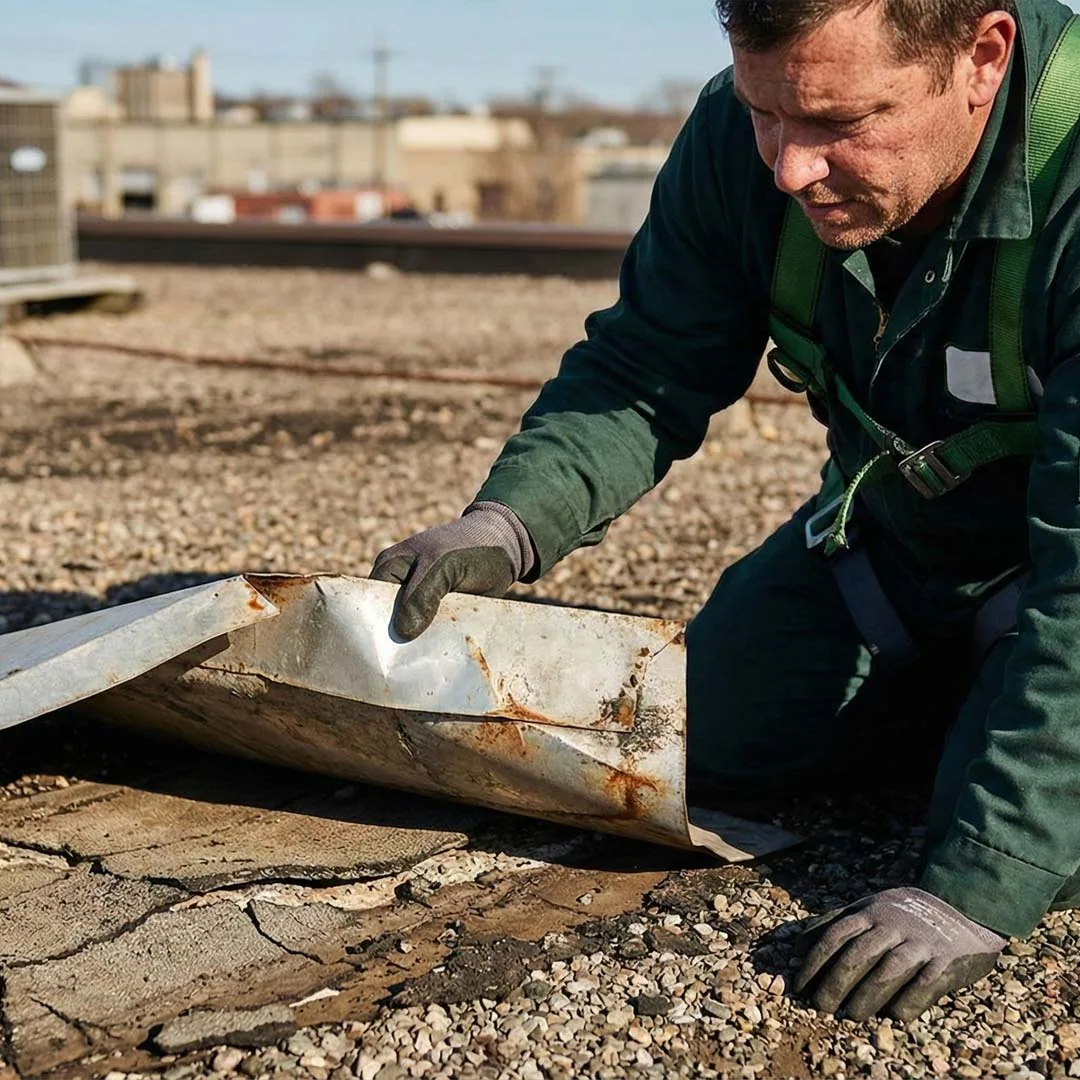
We inspect the membrane field, seams, penetrations, curbs, edge metal and drains around the reported area. Hail can leave surface marks, punctures or damage at exposed metal; wind can loosen edges and flashing. The inspection records each visible condition and its location. If a mark does not show whether the membrane was breached, we state that question rather than assume water entry. A selective opening can identify wet insulation or deck damage when surface inspection cannot settle it.
Conditions at one roof zone do not automatically apply to every section. We compare photographs with prior maintenance records when available and identify older patches or repairs. The report distinguishes event observations, pre-existing conditions and recommended work. A condition inspection may also check the drain path and adjoining wall transitions. If the first reported stain is remote from the likely opening, we explain the route and any follow-up needed instead of expanding the claim narrative beyond the evidence.
Keep the record tied to the repair
A useful restoration file contains a roof map, dated photographs, the location of each defect and the work needed to correct it. We identify the material and preparation method when they can be verified. If a concealed layer is unknown, we list the opening needed to confirm its condition. The estimate names removal, substrate repair, flashing and daily closure separately, so the owner can compare a local correction with broader work using the same area.
We can provide insurance claim documentation with condition photographs and a repair scope. The record describes roofing observations and work; it does not promise coverage or an insurer's decision. The owner or adjuster can compare the estimate with the policy and the observed condition. A photo-backed condition report keeps the facts and recommended next step together for later review.
We can prepare the roof record so a reviewer can follow each item from the photograph to the proposed repair. A location label, view direction and brief condition note make the evidence easier to compare with an adjuster's inspection. We do not change the description to fit a coverage position. If the record cannot identify the substrate or the extent below the surface, we name that limit and the opening needed to resolve it. The owner can then decide whether to authorize that examination before requesting a complete permanent repair price.
Separate repair from broad replacement
A local repair may fit when the damaged detail can be prepared and the surrounding assembly is sound. We define the perimeter and the material used to close it. If more than one seam has moved or a wet area extends past the opening, we identify the evidence and request approval before extending removal. This keeps the proposed scope connected to the roof rather than to a general storm description.
A recover requires a suitable existing assembly, dry conditions and acceptable finished heights at drains, curbs and edges. Replacement removes more material but permits inspection of the substrate and broader reconstruction. We compare both options against the same roof area, access and protection assumptions. A recover assessment and replacement estimate state the conditions each resolves. If the building remains open, a phased work plan can define daily closures and tenant protections.
Plan weather and building use together
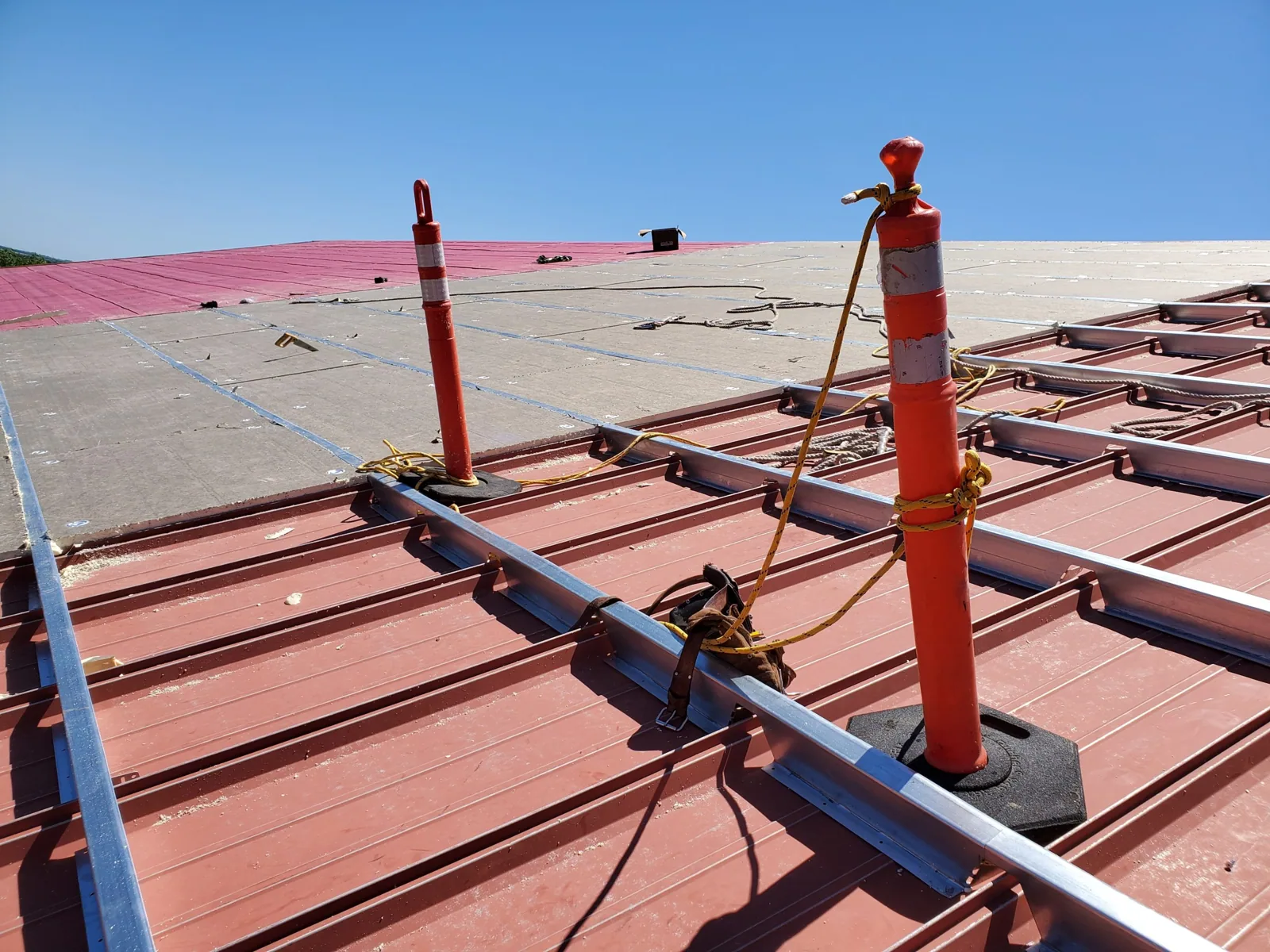
Regional Kansas City winter conditions include cold and snowfall. July brings heat and normal precipitation. We check the current roof and product application requirements before choosing a permanent repair window. If rain is near, the crew closes the opening at the agreed point. A pause plan identifies temporary protection, inspection responsibility and the next condition that must be met before permanent work resumes.
Overland Park connects through I-35, I-435, I-635 and U.S. 69, but those roads do not determine a property's access or work hours. We confirm the actual loading route with the site contact. If tenant use or equipment service constrains the sequence, the estimate records the window and separate trade handoff. That matters after a storm when several contractors may need access. We coordinate the roofing task with the manager and keep the work boundary clear for any follow-on inspection.
Close with a verified work record
At closeout, photographs show the prepared surface, completed repair and roof area outside the approved boundary. We list any added finding, the approval that expanded work and any remaining follow-up. The building contact can attach the record to the event file and maintenance history. If a temporary cover remains, we state how it should be checked and when a return inspection is planned.
Commercial roofs in a managed portfolio need a consistent event record, but each property retains its own observations. A property manager review can organize the work orders; a general contractor handoff can document sequencing with other trades. For a location near Downtown Overland Park, we verify its entrance and roof access directly. Schedule the inspection with the owner or manager who can authorize protection and the permanent repair limit.
After the repair, we can revisit the same detail to confirm the work remains closed and note whether the temporary protection was removed. The follow-up is limited to the roofing area agreed with the manager. It does not replace review of interior contents or insurance paperwork. If the roof opening exposed a separate condition, we list it as a new item rather than blending it into the original storm scope. The owner receives the record in a form that can stay with the building's repair history.
Commercial Roofing Questions
Can you say a storm caused the leak?
We document the event context and visible roof condition. Causation beyond the inspection evidence remains a separate determination.
What does emergency protection accomplish?
It protects an exposed area temporarily. We record its limit and return to inspect before defining permanent repairs.
Will the report decide insurance coverage?
No. We provide roofing observations and a repair scope. The property owner and insurer review coverage under the policy.
When should a repair become replacement work?
The roof's moisture, attachment and extent of damage guide that decision. We document what supports a broader removal boundary.
Related Roofing Work
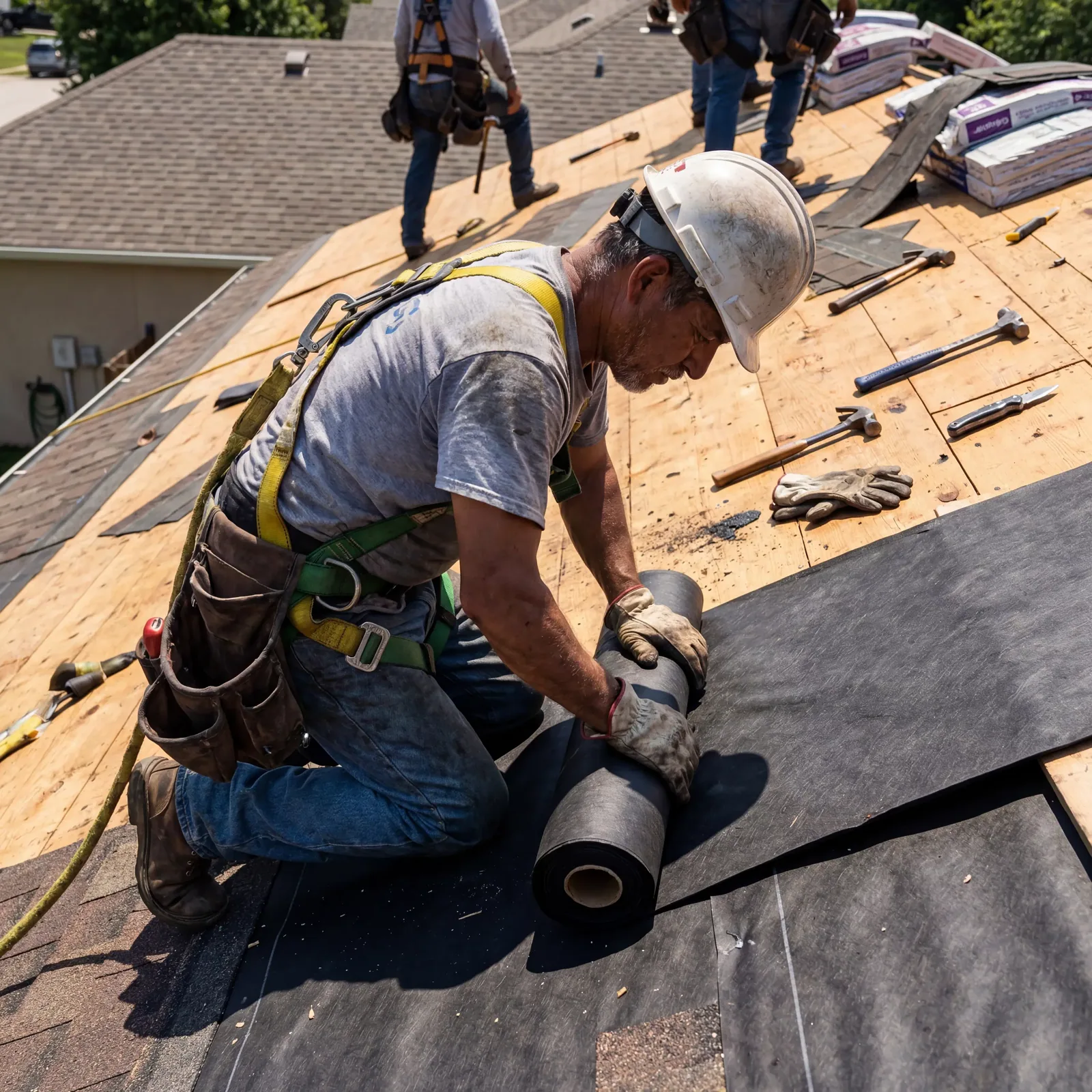
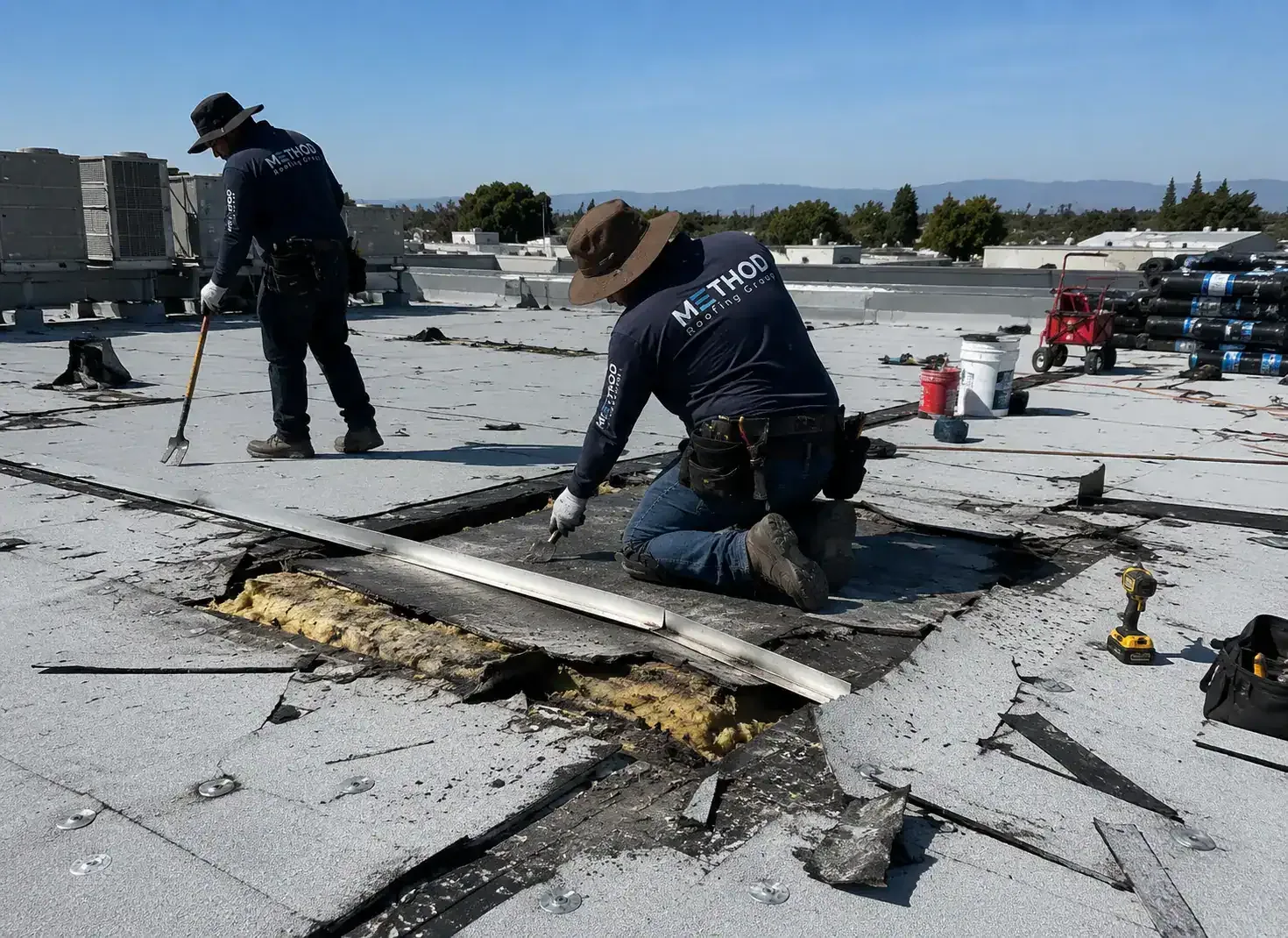

Document the roof condition
Schedule Commercial Roofing Overland Park to inspect the affected area, protect any opening and prepare a repair scope tied to observed conditions.